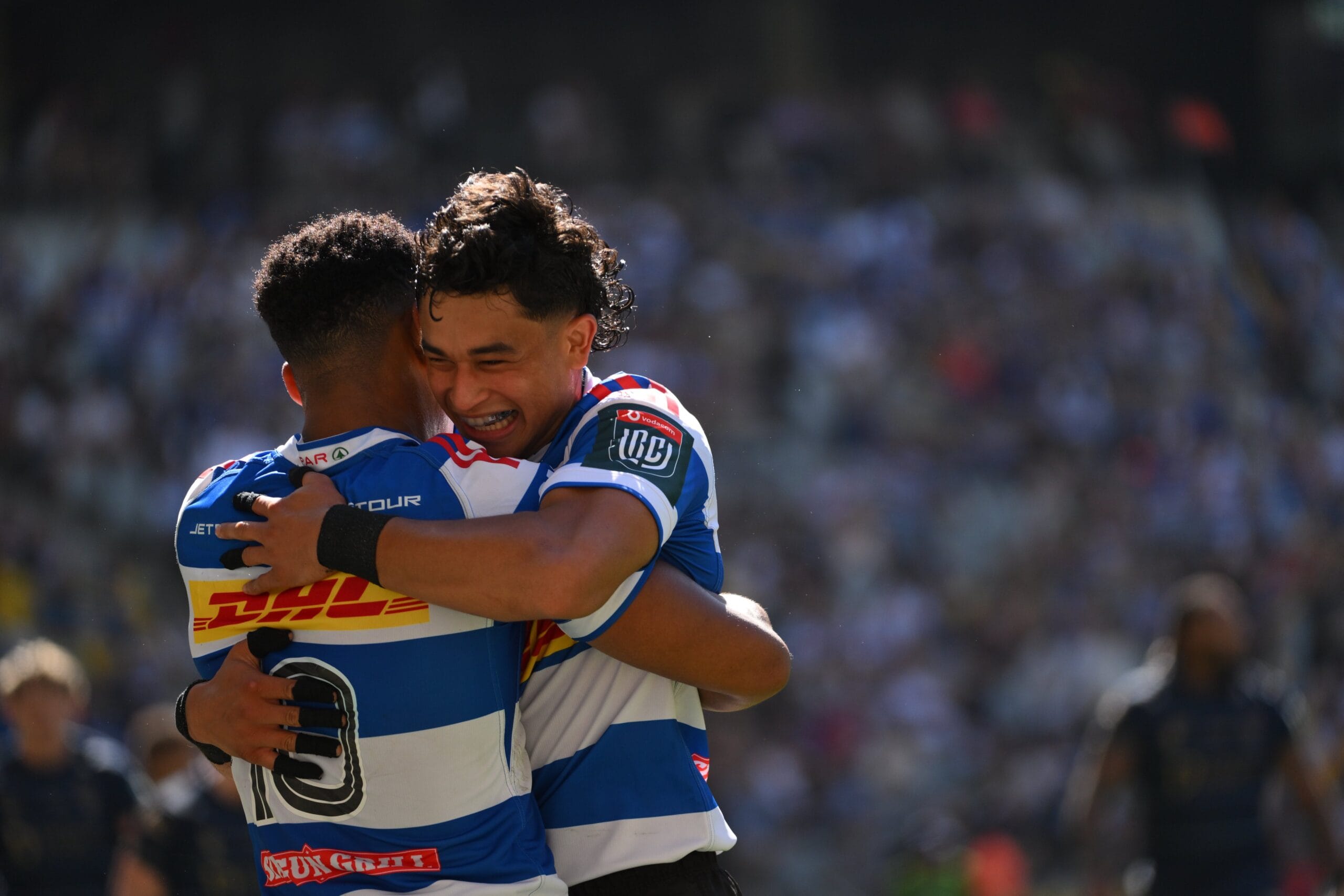
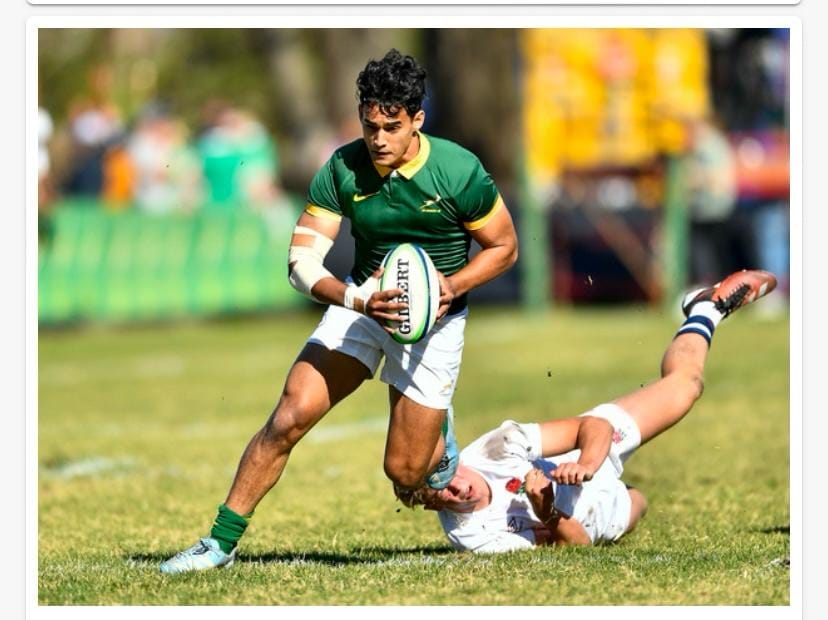
The Junior Springboks wrapped up the 2026 U20 Rugby Championship with a game to spare after a commanding 56-17 victory over Australia in Gqeberha on Sunday.
It was a polished, high-tempo display that reflected a side growing in confidence and cohesion under coach Kevin Foote, with game management, attacking variety and squad depth all on show.
Kevin Foote reflects on the performance of the #Juniorboks after Round 2 in the #TRCU20 🗣️
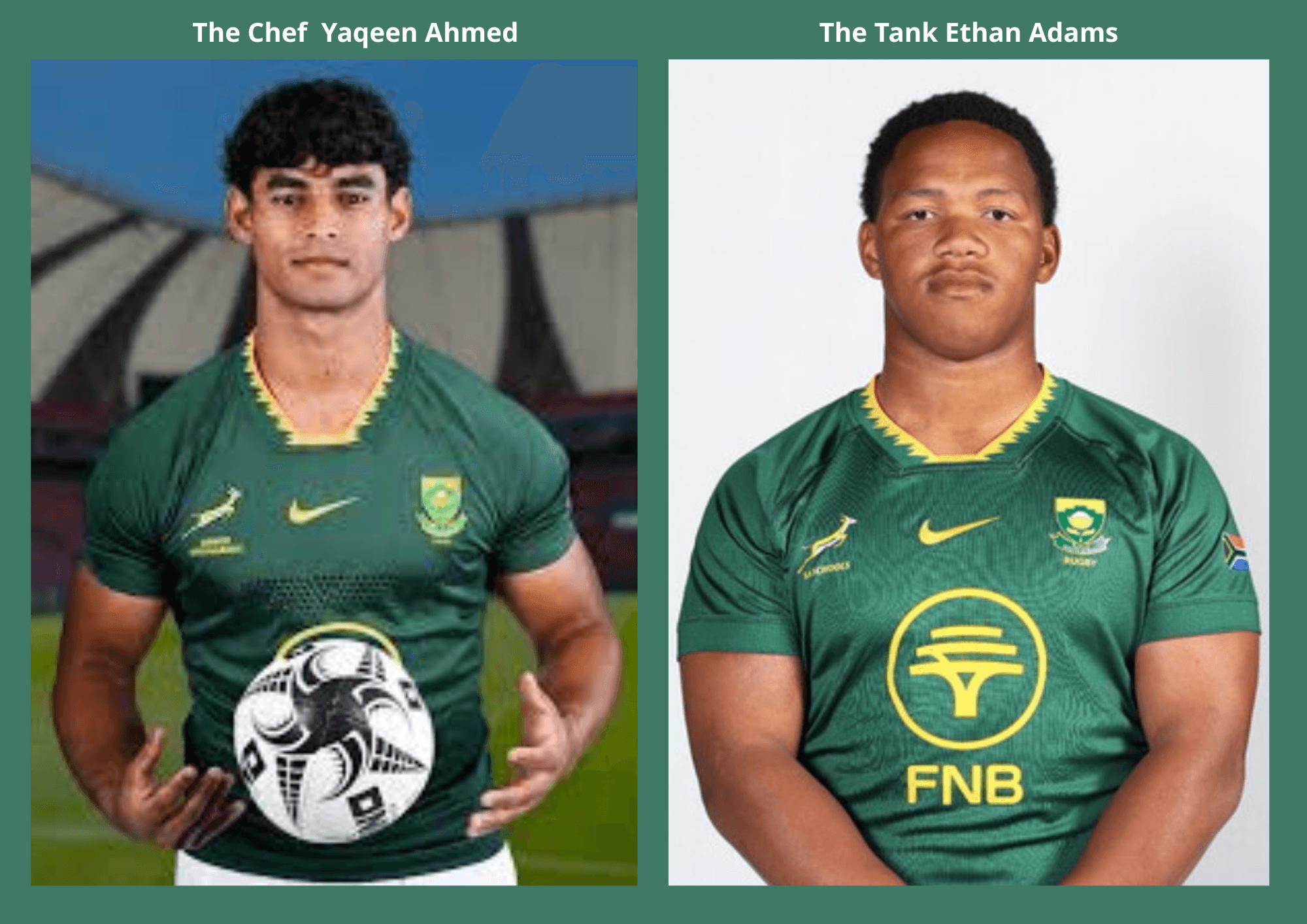
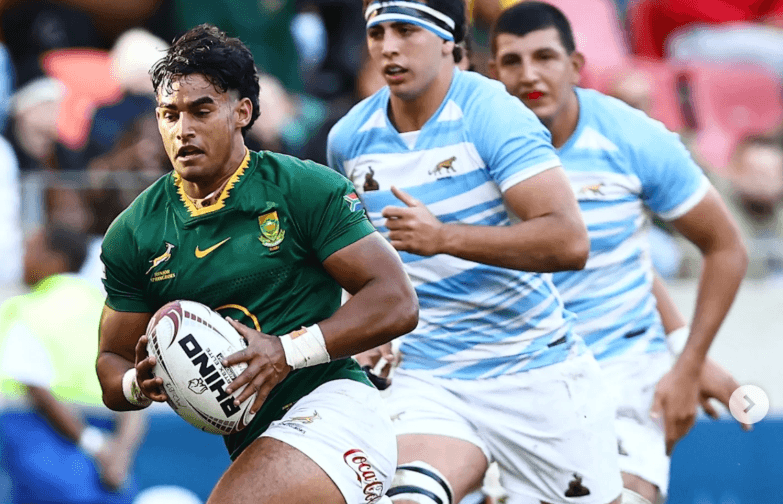
Flyhalf Yaqeen Ahmed nicknamed ‘The Chef’ for his ability to carve open opposition defences again proved central to South Africa’s control of the contest. The playmaker dictated territory and tempo with maturity, mixing tactical kicking with sharp distribution to keep Australia on the back foot throughout.
Foote emphasised the balance within his squad, saying: “Our DNA is physicality, but it’s also skill.” Ahmed has been a key driver of that identity, particularly in victories over Argentina and Australia, where his decision-making under pressure has stood out.“
While Ahmed steered the game,‘The Tank’ Ethan Adams provided the cutting edge. The explosive outside back delivered a series of outstanding individual tries, combining raw power with refined skill. He broke tackles with the force of a runaway train and then showed balance and control in tight spaces, turning half-chances into decisive moments.
Adams’ impact gave South Africa a consistent source of momentum, with his ability to beat defenders shifting the game firmly in the hosts’ favour.
TheJunior Boks also benefited from their depth, with the introduction of last year’s U20 World Cup wining flyhalf Vusi Moyo adding another layer to their attack. The tactical adjustment allowed Ahmed to move into midfield at times, where he remained influential, attacking the line and linking effectively with the outside backs.
This dual-playmaker approach enabled South Africa to stretch the Australian defence and maintain unpredictability across phases. As highlighted within the camp, it allowed the team to “show our hands and our backs” in a more fluid system.
Despite the convincing scoreline, Foote acknowledged there are still areas to improve, particularly at the breakdown. He praised the team’s effort, saying: “We showed a lot of grit… super proud of everybody.”
That grit was evident in the Junior Boks’ discipline and defensive organisation. They applied sustained pressure, forcing errors and yellow cards from Australia while maintaining their own composure.
Captain Riley Norton pointed to the squad’s unity as a key factor: “It’s about character and love… the off-field connections have been unbelievable, and that transfers onto the field.”
The performance underlined the team’s progress across the tournament. The forwards provided a solid platform, the bench added impact, and the backs executed with accuracy.
Preparation has played a role in that development, with a demanding build-up helping to build continuity and sharpness following a slower start in previous campaigns.
Although the title is secured, the Junior Boks remain focused, with a final fixture against New Zealand still to come. The message from within the squad is clear: “We can’t take our foot off the gas.”
With the World Rugby U20 Championship approaching, South Africa’s depth, structure and attacking threat position them as strong contenders, with a dominating pack of forwards ably led by skipper Norton combined with ‘The Chef’s’ control and ‘The Tank’s’ finishing providing a potent combination for the pacy outside backs to flourish.
Junior Boks coach Kevin Foote has made measured changes to his match-23 for Sunday’s U20 Rugby Championship clash against Australia at Nelson Mandela Bay Stadium.
Kick-off is at 16h10, with New Zealand facing Argentina earlier at 14h00.
The South Africans were convincing in their opening win over Argentina and Foote has largely kept faith with that combination, making a single change to the starting pack. Wasi Vyambwera comes in at blindside flank, adding fresh energy to a forward unit that laid a strong platform in the tournament opener.
The backline sees two adjustments, with Khuthadzo Rasivhaga starting on the left wing and Akahluwa Boqwana selected at fullback. Both players will be expected to add attacking edge against an Australian side known for its skill and tempo.
On the bench, Luan van der Berg replaces the injured Kai Pratt, while Gert Kemp and Jade Muller come into the matchday squad to provide loose forward and backline cover.
Foote said the team had taken valuable lessons from their opening performance.
“We had a really good review of our performance against Argentina and, while we are very pleased with the result and the way the players performed on defence and attack for long periods of the match, there are obviously aspects of our game that need improvement,” he said.
The coach stressed the need for consistency across the full match.
“Our focus is playing the full 80 minutes and ensuring that we stay on our game model to meet what will be a huge challenge against an Australian side that is well coached and who boasts strong skill sets across the park.”
The Junior Boks will again run out in front of a passionate Eastern Cape crowd after a strong turnout in the opening round.
“The support we received against Argentina last week was absolutely fantastic, and we are excited to be playing in front of the passionate Eastern Cape rugby fans once again,” Foote said.
South Africa will look to build on their early momentum, with execution and discipline expected to be key against a well-organised Australian outfit.
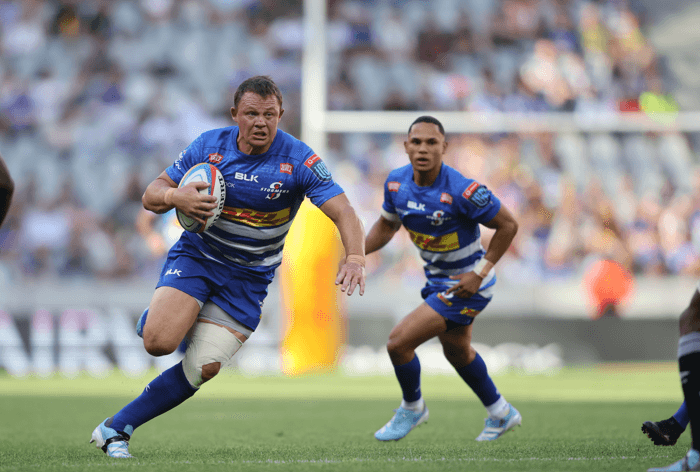
TheStormersdelivered a ruthless reminder of their championship pedigree, dismantling the Glasgow Warriors 48-12 in a high-octaneUnited Rugby Championship (URC) clash in Cape Town to surge to the top of the standings.
A week ago, after a stuttering home defeat to Connacht, the Stormers looked adrift of the title conversation. A week later, the narrative has flipped completely. As the old sporting cliché goes, momentum can turn in an instant, and here it arrived like a rolling maul with venom.
Roared on by 23,740 fans at Cape Town Stadium, John Dobson’s side produced the cold-blooded performance demanded in the build-up, combining forward muscle with backline incision to overwhelm Franco Smith’s charges.
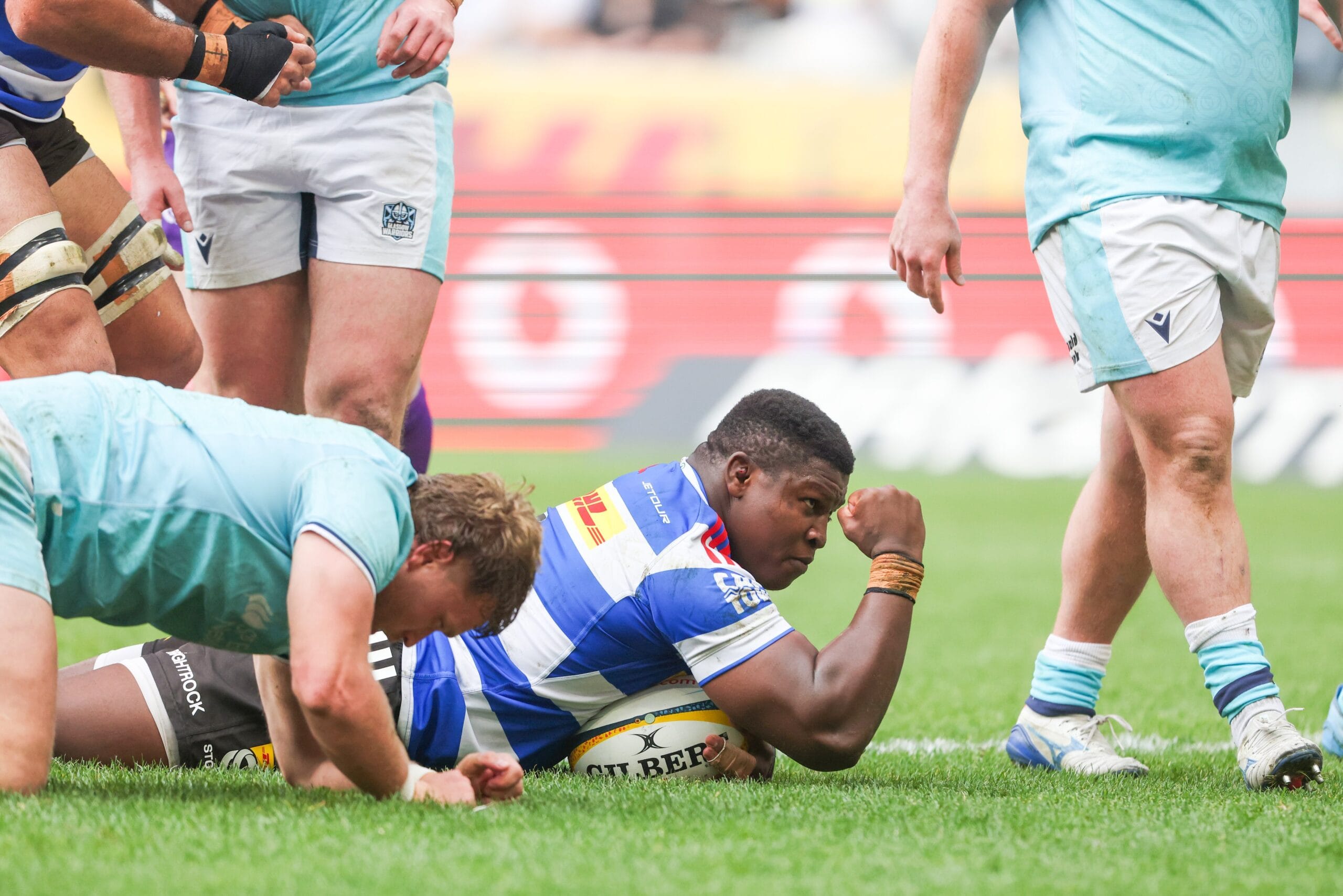
They burst from the blocks like a backline move off first phase. Loosehead prop Ntuthuko Mchunu crashed over twice inside the opening quarter, each carry a thunderclap at scrum time where the Stormers held a decisive edge. Flyhalf Sacha Feinberg-Mngomezulu added a penalty and both conversions to push the hosts into a 17-0 lead after just 15 minutes.
Glasgow refused to be passengers. Wing Ollie Smith capitalised on a rare lapse – sparked by a misjudged attacking kick from Feinberg-Mngomezulu – to score and breathe life into the contest. Hooker Gregor Hiddleston later finished a driving maul, with Adam Hastings converting as the visitors clawed back to 24-12 at the break.
Yet even during that resurgence, the Stormers looked the sharper blade. Their defence held firm, their scrum creaked Glasgow backwards, and their decision-making – bar the odd misfire – was largely on point.
The defining moment of the first half arrived when Feinberg-Mngomezulu’s sleight of hand released Evan Roos, who surged clear for the Stormers’ third try. It was a glimpse of the attacking clarity that had been missing the previous week.
After halftime, the contest tilted decisively. Captain Ruhan Nel powered over after a pinpoint grubber from Feinberg-Mngomezulu, stretching the lead to 34-12. From there, the Stormers tightened their grip like a choke tackle.
Feinberg-Mngomezulu, orchestrating proceedings with poise, marked his 50th appearance with a try of his own before replacement Keke Morabe added the finishing touch. The flyhalf was flawless from the tee, slotting six conversions and two penalties in a 26-point haul that underlined his influence.
There was also a moment for the future, as teenage sensation Markus Muller became the youngest player in franchise history, stepping onto the field to a warm reception.
Glasgow were shut out in the second half, their challenge blunted by a Stormers side that was dominant at the set piece, disciplined on defence and clinical in execution. It was a complete performance – the kind that fuels belief of another title run reminiscent of 2021/22.
Two-try prop Mchunu walked away with Man of the Match honours, but this was a collective statement. The Stormers now hold their playoff destiny in their own hands as they head into their final tour fixtures against Ulster and Cardiff, chasing top spot and home-ground advantage through the knockouts.
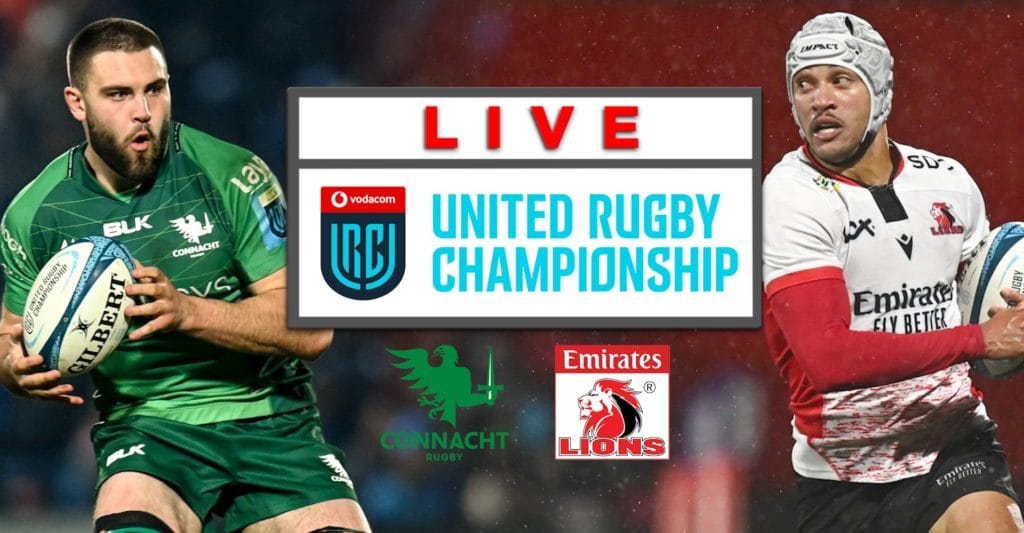
The Fidelity SecureDrive Lionswill look to strengthen their push for a Vodacom United Rugby Championship playoff place when they host Irish side Connacht in their Round 16 clash at Ellis Park on Saturday.
With the Race to the Eight entering its decisive phase, every result carries significant weight in the battle for knockout qualification and potential European competition spots. The Johannesburg side return home on the back of encouraging form, having built momentum with an attacking approach that has yielded results in recent weeks.
Connacht, however, arrive with a clear game plan and will be confident of challenging in the Highveld conditions, where accuracy and tempo often prove decisive.
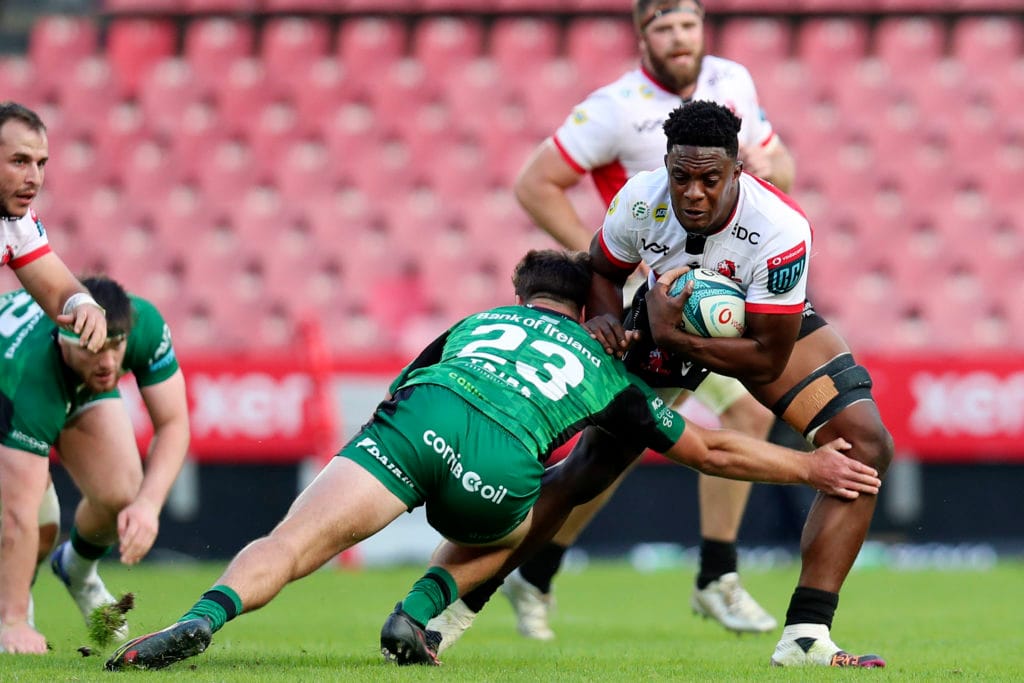
Lions head coach Ivan van Rooyen has made four changes to his side, including a positional switch that sees Springbok forward Ruan Venter move into the second row. Batho Hlekani comes into the starting line-up at flank as the hosts look to maintain balance between physicality and mobility.
The match will also mark a significant milestone for hooker PJ Botha, who is set to earn his 100th cap for the franchise.
“When I was still at school, I thought it would be nice to maybe play one or two matches for a franchise in an international competition,” Botha said.
“To now reach 100 is incredible. The time has flown. It’s a privilege for me to reach this milestone, and I’m grateful that it will happen in a home match.”
Botha’s role at the set piece is expected to be key as the Lions aim to establish a solid platform against a Connacht side known for their structured play and attacking intent.
Scrum coach Julian Redelinghuys believes the visitors will pose a similar challenge to one the Lions handled effectively in their previous outing.
“We know what they will bring. We know their game model. It’s not easy to defend or attack against it, but if we do what we need to do well, I am sure there will be opportunities,” he said.
The Lions will again rely on their forward pack to provide momentum, while their backline looks to capitalise on scoring chances. Maintaining the intensity shown in their previous performance will be crucial against a Connacht outfit that thrives on quick ball and spatial awareness.
Morne Brandon returns to the matchday squad and is expected to provide impact off the bench, while Siba Qoma offers additional cover in the second row.
Fidelity SecureDrive Lions Match 23
Starting XV
1. SJ Kotze, 2. PJ Botha (100), 3. Asenathi Ntlabakanye, 4. Ruan Venter, 5. Darrien Landsberg, 6. Siba Mahashe, 7. Batho Hlekani, 8. Francke Horn (captain), 9. Morne van den Berg, 10. Chris Smith, 11. Erich Cronje, 12. Richard Kriel, 13. Henco van Wyk, 14. Angelo Davids, 15. Quan Horn
Replacements 16. Morne Brandon, 17. Eddie Davids, 18. Sebastian Lombard, 19. Reinhard Nothnagel, 20. Siba Qoma, 21. JC Pretorius, 22. Nico Steyn, 23. Kelly Mpeku
The Lions registered the biggest upset of the weekend in the fourth-last round of pool matches as they thumped log-leaders the Glasgow Warriors 54-12 in Johannesburg to leap into fourth position on the standings on 48 points to work themselves in contention for a possible home quarter-final, while the Bulls outplayed the Dragons 47-7 in Wales to remain in eighth place (45 points).
The Stormers, meanwhile, had their hopes of reclaiming the top position on the table dashed as they suffered a disappointing 33-24 defeat against Connacht in slippery conditions in Cape Town, but they managed to remain in second place on the standings with 51 points, level with the third-placed Leinster.
The Sharks’ hopes of reaching the playoffs sustained a huge blow as they went down 21-17 against the Opsreys in Wales. This result knocked them one place down the table into 11th place, level on 34 points with the Welsh outfit.
With only three pool rounds remaining, the Stormers remain in a strong position to secure a playoff spot, while the Lions will be in a comfortable position to make the playoffs for the first time if they register one more victory.
The Bulls still have their destiny in their own hands despite ninth-placed Connacht trailing them by only one point, but the Sharks find themselves in a tough spot with only a mathematical chance to force their way into the playoffs, which would require winning all of their remaining matches with bonus points, while other teams will have to stumble along the way.
With only four points separating the fourth to ninth-placed teams, the competition is set to come down to the wire.
Dominant second half steers Bulls to bonus point win against Dragons
A sublime second-half performance saw the Vodacom Bulls build on a narrow 12-7 lead against the Dragons at Rodney Parade on Friday to claim a commanding 47-7 victory, scoring seven tries to only one by the hosts.
The first half was fairly balanced as both teams created opportunities on attack, with Embrose Papier crossing the chalk for the visitors in the 11th minute from a pick-and-go at a scrum, while the Dragons’ only points of the match were scored in the 23rd minute from a stunning pass out wide, which saw them take advantage of a hole in the defence.
They had to work hard for that try, however, as they were shut out three times previously close to the tryline in the opening quarter.
The scramble for dominance continued as the half progressed, but the Vodacom Bulls took the lead shortly before halftime as Johann Grobbelaar scored from a rolling maul, handing them a 12-7 halftime lead.
It was one-way traffic in the second half as the Vodacom Bulls took full control of the match and capitalised on most of their try-scoring chances, which saw Marco van Staden score a brace from strong forward play to add to tries by Marcell Coetzee, Devon Williams, and Sergeal Petersen, while they denied the hosts a single point to bag the vital bonus-point 47-7 victory.
Scorers:
Dragons 7 (7) – Try: Fine Inisi. Conversion: Cai Evans.
Vodacom Bulls 47 (12) – Tries: Embrose Papier, Johann Grobbelaar, Marcell Coetzee, Marco van Staden (2), Devon Williams, Sergeal Petersen. Conversions: Handre Pollard (3), David Kriel (3).
Disappointment in the Cape as Stormers go down to Connacht
The DHL Stormers’ tough week following the loss of their team manager, ‘Chippie’ Solomon, last week, was compounded on Saturday as they suffered a 33-24 defeat against Connacht in wet conditions at the DHL Stadium, which saw them fail to come away with a single point from the encounter.
It was a tight scramble, with the home side taking a 10-7 lead going into halftime, but three late tries by the Irishmen saw them close out the match with a bonus-point victory.
The first half was hard-fought as both teams tried hard to break through the defence, and they each scored only one try in the opening stanza before a penalty goal by Sacha Feinberg-Mngomezulu handed the Capetonians a narrow halftime lead.
The DHL Stormers started the match on the back foot as Deon Fourie received a yellow card for making head contact in a tackle in the fifth minute, and this paved the way for Connacht to score the first try of the match two minutes later. The Cape side hit back shortly after as Evan Roos snatched a fantastic pass to level the scores.
While mistakes at crucial times cost the DHL Stormers from adding to their score, their strong defence held Connacht out from scoring a possible second try, and in the end, the difference between the teams on the scoreboard going into the break was Feinberg-Mngomezulu’s penalty goal.
The teams continued to throw everything at one another in the second half, with Ntuthuko Mchunu and the visitors scoring within eight minutes of one another, both from strong pick-and-goes, and it was again a three-point game with over 20 minutes to play.
The closing stanza was nail-biting as Feinberg-Mngomezulu weaved through the defence for a third try, but this was cancelled out by three tries in a row by Connacht, which secured them their bonus point and sealed a rewarding 33-24 victory to ensure that they remain in the race for a quarterfinal spot.
The Lions delivered a performance worthy of high praise against the Glasgow Warriors, as they thumped the Vodacom URC log-leaders 54-12 in a commanding display at Ellis Park, scoring a whopping eight tries to two by the Scots.
The Johannesburgers made a strong statement from the outset, scoring the first of their four first-half tries in the sixth minute, and they backed this up with a gallant defensive effort to limit Glasgow to only one try for a morale-boosting 26-7 lead at the break.
Henco van Wyk delivered the first salvo in the sixth minute as he crashed through a defender to touch down, and Erich Cronje followed four minutes later from an effective pass out wide for a 12-0 lead.
Van Wyk struck again shortly before the second quarter from a beautiful skip pass, before Glasgow forced their way through for their first try, but this was cancelled out on the stroke of halftime as SJ Kotze crashed over the tryline and extended the hosts’ lead to 26-7 going into the sheds.
The Gautengers continued to shine early in the second half with Ruan Venter darting through to the tryline from a lineout to secure their bonus point try and take a handy 33-7 lead.
This, however, fuelled Glasgow’s determination and they hit back with their second try in the 58th minute to trail 33-12, but this did not stop the Fidelity SecureDrive Lions from fighting, as Van den Berg, Sibabalwe Mahashe, and Quan Horn dashed through to the tryline in the closing 12 minutes to inflate their score to 54-12.
Scorers:
Fidelity Securedrive Lions 54 (26) – Tries: Henco van Wyk (2), Erich Cronje, SJ Kotze, Ruan Venter, Morne van den Berg, Sibabalwe Mahashe, Quan Horn. Conversions: Chris Smith (7).
The Hollywoodbets Sharks were left gutted at the Electric Brewery Field as a string of unforced errors cost them a 21-17 defeat against Ospreys, in a match in which both teams scored three tries apiece, with the difference on the scoreboard being two missed conversions by the Durbanites.
The first half was intense as both teams ran hard at one another on attack and used their tactical kicking game to try to gain ascendancy, and although the Ospreys entered the break 14-12 up after both teams crossed the whitewash twice, the Hollywoodbets Sharks will rue two realistic opportunities that could have given them the upper hand.
The Durbanites threatened to score early on and supported this with a brave defensive effort, but a smart kick and great interplay saw the Ospreys score first in the 11th minute.
Phepsi Buthelezi cancelled this out with the South Africans’ first try in the 19th minute from a driving maul, but the conversion went wayward, leaving them trailing by 7-5.
Both teams crossed the chalk in the second quarter, with Ospreys touching down from a rolling maul, while Ethan Hooker gathered a turnover against the run of play close to the KwaZulu-Natalians tryline to score under the posts on the stroke of halftime, which saw the home side enter the sheds 14-12 ahead. Unfortunately for Hooker, the try marked the end of his contribution to the match as he left the field with a shoulder injury.
The Hollywoodbets Sharks’ woes continued in the second half as they missed out on three possible chances to score in the third quarter, and then found themselves 21-12 down, as the Welshmen scored from a well-timed intercept in the 54th minute.
The Durbanites finally found their momentum on attack as Buthelezi crossed the tryline for his brace from a rolling maul in the 69thminute, but the conversion attempt went wide once again, leaving them trailing four points with less than 10 minutes to play.
Their hopes of securing a late victory were dashed completely as a costly knock-on saw Ospreys secure a turnover to snatch the 21-17 win.
Scorers:
Ospreys 21 (14) – Tries: Dan Edwards, Jac Morgan, Garyn Phillips. Conversions: Edwards (3).
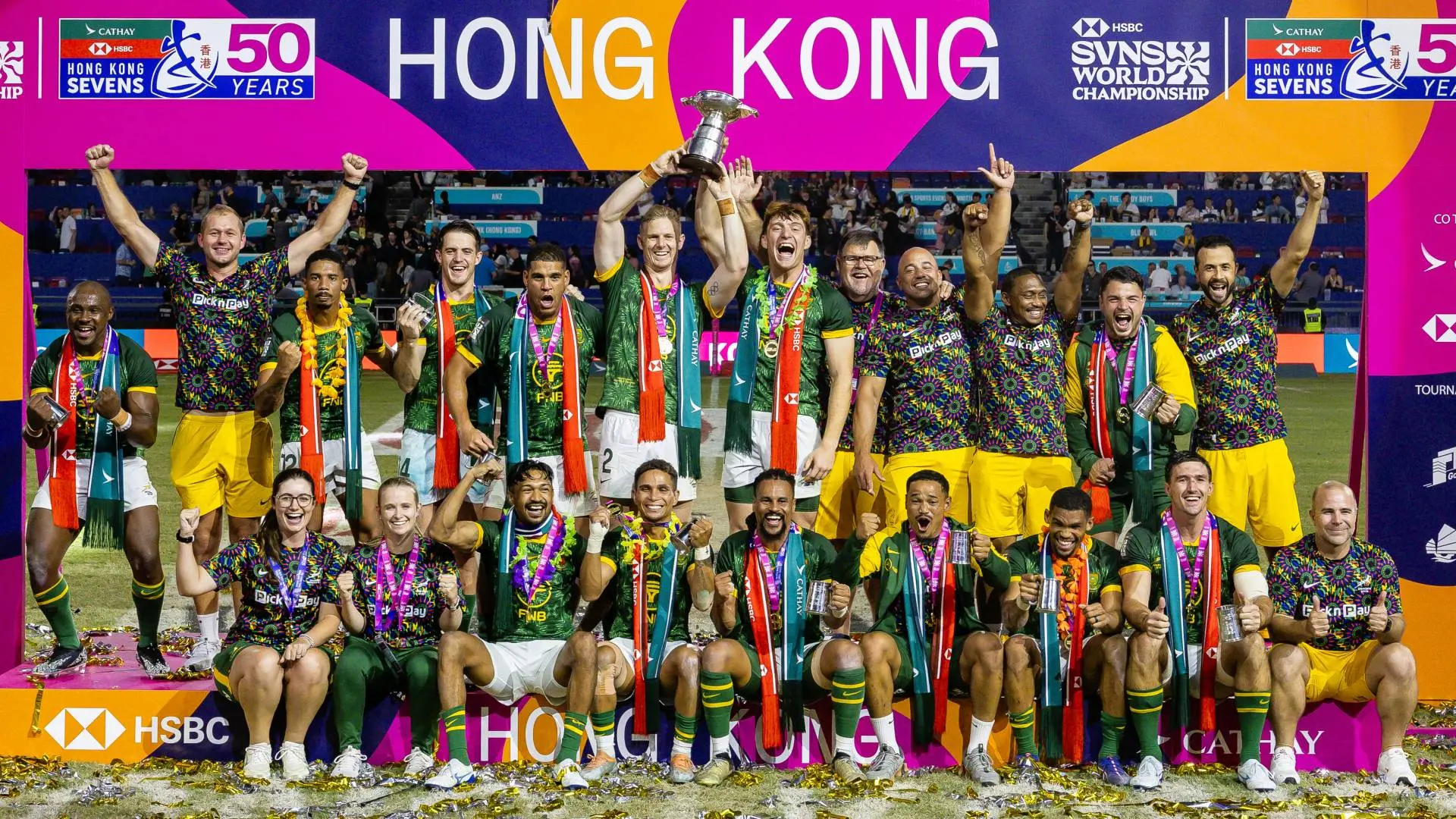
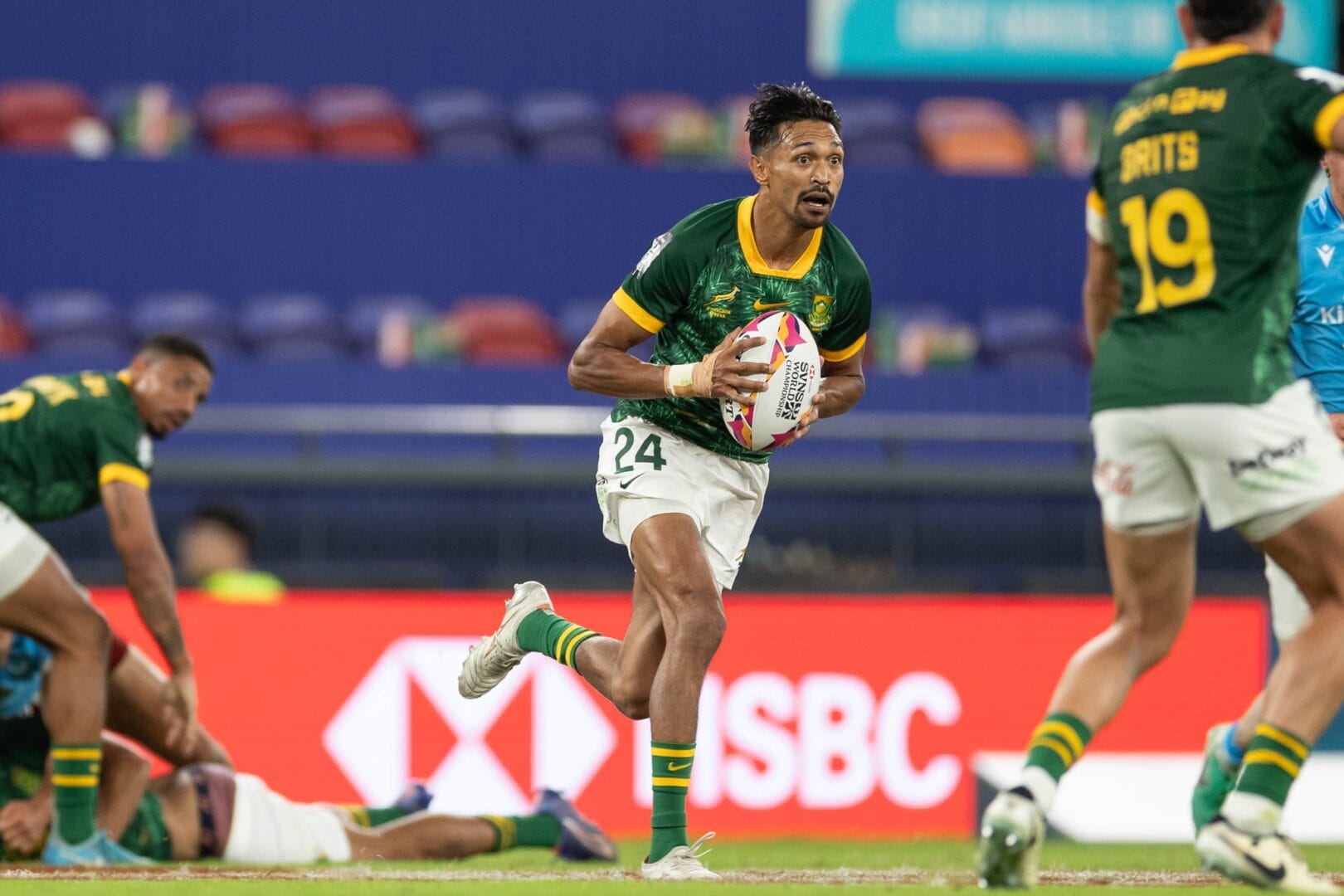
The Blitzboks rose like steel pillars among Hong Kong’s towering skyline on Sunday, producing a performance as sharp as a perfectly timed offload to secure their first ever HSBC SVNS title at the iconic stop.
Their 35-7 dismantling of Argentina in the final at Kai Tak Sports Stadium carried the authority of a side in full stride, every phase clicking like a well-drilled scrum machine.
For head coach Philip Snyman, a former captain who conquered almost every corner of the sevens world during his playing days, the moment landed with emotional weight.
“I’m almost speechless,” Snyman said afterwards.
“There is a massive feeling of pride and gratitude at this moment. We waited so long for this, and I am happy we finally did it. I am also very happy for us as a group, not only those here tonight, but also those back home who worked just as hard to make it possible.”
Hong Kong has long been rugby sevens’ grand theatre, a stage where legends are carved into memory. For South Africa, it had remained an elusive prize. That narrative shifted decisively as the Blitzboks stitched together a campaign that blended resilience with ruthless precision.
Snyman acknowledged the significance of the breakthrough while keeping his squad grounded.
Tristan Leyds was named player of the final Photo: SA Rugby X
“We will relax and enjoy and celebrate tonight. We know the job is not done, but 50 years was a long time to wait for this.”
The path to the title was not without turbulence. A shaky opening phase, including an underwhelming display against Uruguay and Spain, forced a moment of reckoning within the camp.
“We just reminded everyone who we are, what we represent and what we came to do,” Snyman said. “The book on Hong Kong 2026 might not have had six perfect chapters, but what a great ending to the story.”
From that turning point, the Blitzboks surged forward with the momentum of a counter-attack launched from deep. Victories over New Zealand and Argentina on the final day showcased a team that had rediscovered its rhythm.
“The way we came back from that stutter was exceptional, especially today when we played against two very good teams in New Zealand and Argentina. We were so clinical and effective in everything we did, it was wonderful to see first-hand.”
Captain Impi Visser echoed the sense of history, his words reflecting both relief and pride after finally cracking the Hong Kong code.
“I am just so proud of the boys because we achieved something special today,” said Visser. “We broke the hoodoo in Hong Kong and can finally call ourselves champions here and that is amazing.”
He pointed to the early setback as a catalyst for growth.
“We came back from a dark place on Friday night as that defeat hurt, as suddenly doubt started to creep in, but we had a good chat and turned it around like I expected the guys to do.”
Visser highlighted the team’s shift in mindset, focusing on execution rather than flair for its own sake.
“There are massive fight and pride in this team, and it showed once we were under pressure. We realised the focus should be on creating and assisting in a try rather than thinking of the celebration of it and we turned it around, that big win over Argentina Saturday laid the foundation for the rest of the tournament.
“Today was a showcase of what we are capable of. The management moulded us into a competitive team and credit for them.”
The victory extends a remarkable run, with four tournament wins from four, placing South Africa firmly atop the standings. Yet the tone within the camp remains measured.
“We will keep our heads down and stay honest once we get back to work for the next two tournaments. We have seen hard work pays off, so there is no need to change that habit now,” Visser said.
Like a team chasing space on the edge, the Blitzboks have found their stride. Hong Kong, once a missing piece in their puzzle, now gleams as a defining jewel in a season gathering unstoppable momentum.
South Africa’s four franchises turned home ground into a fortress during Round 13 of the United Rugby Championship, delivering a clean sweep of bonus-point victories that sent a surge of momentum through the playoff race.
The Vodacom Bulls, Fidelity SecureDrive Lions, Hollywoodbets Sharks and DHL Stormers all triumphed in front of their home supporters, creating a weekend that echoed with the rhythm of attacking rugby and relentless forward play.
With five pool matches remaining, the Stormers climbed to second on the standings with 46 points behind the Glasgow Warriors on 50. The Lions occupy seventh place with 38 points, the Bulls hold eighth on 35, and the Sharks remain in the hunt in 11th with 29.
— BKT United Rugby Championship (URC) (@URCOfficial) March 22, 2026
Bulls power past Cardiff
The Bulls ignited the weekend with a commanding 40-7 victory over Cardiff Rugby in Pretoria.
Cardiff opened the scoring in the third minute when Harri Millard crossed for a try converted by Callum Sheedy. That early breakthrough stirred the Bulls pack into action. Marcell Coetzee crashed over from a driving maul before Johann Grobbelaar followed through the same channel minutes later.
The backline soon joined the charge as Kurt-Lee Arendse released David Kriel for the third try. Embrose Papier added another after sharp interplay, and Elrigh Louw gathered a perfectly weighted cross kick from Nizaam Carr shortly before halftime to give the Bulls a 33-7 lead.
Ruan Vermaak scored the only try of the second half as the Pretoria side secured a six-try bonus-point victory.
Scorers
Vodacom Bulls 40 (33) Tries: Marcell Coetzee, Johann Grobbelaar, David Kriel, Embrose Papier, Elrigh Louw, Ruan Vermaak Conversions: Handre Pollard (4), David Kriel
Cardiff 7 (7) Try: Harri Millard Conversion: Callum Sheedy
Lions roar at Ellis Park
The Lions followed with a spectacular 54-17 triumph over Edinburgh Rugby at Ellis Park.
The Johannesburg side stormed to a four-try bonus point within the opening 26 minutes through Ruan Venter, Francke Horn, Darrien Landsberg and scrumhalf Morne van den Berg, who celebrated his 100th appearance with a try. Bronson Mills added another before halftime as the Lions surged to a 35-0 lead.
Edinburgh responded with three second-half tries, though the Lions maintained their attacking rhythm. Angelo Davids crossed twice with blistering pace and Haashim Pead sealed the eight-try performance shortly before the final whistle.
Scorers
Fidelity SecureDrive Lions 54 (35) Tries: Ruan Venter, Francke Horn, Darrien Landsberg, Morne van den Berg, Bronson Mills, Angelo Davids (2), Haashim Pead Conversions: Chris Smith (7)
Edinburgh 17 (0) Tries: Ewan Ashman, Freddy Douglas, Matt Currie Conversion: Cammy Scott
Sharks and Stormers complete the sweep
In Durban, the Sharks produced one of their most complete displays of the season, shutting out Munster Rugby 45-0 at Kings Park. The Durban side combined powerful defence with swift attacking strikes to keep their playoff hopes alive.
The Stormers closed the weekend in Cape Town with a 29-21 victory over Dragons RFC. The Cape side blended forward power with attacking flair to claim another five-point haul and cement their place near the top of the table.
Across four cities and four matches, South Africa’s franchises marched in unison. Each victory carried the same message across the competition. The playoff race has entered its decisive stretch, and the local teams are charging forward with growing confidence.
Veteran Springbok loose forwardDeon Fourie is poised for a welcome return for the Stormersafter a gruelling two-year battle with injuries, with the Cape side hoping his presence can spark a response against the Bulls at Loftus Versfeld Stadium on Saturday.
The 39-year-old has endured a frustrating stretch on the sidelines after a sequence of injuries that kept him out for most of the past two seasons.
Speaking to journalists at theStormersHigh Performance Centre in Bellville on Wednesday after a training session in searing heat, Fourie said he was grateful to be back in contention.
“Yeah, feeling fresh,” Fourie said. “I think next month, almost exactly two years ago, I started the injury route. I’m back now and I’m very, very grateful to be back. I worked hard and credit to the physios and management that got me lucky.”
His recovery journey included an ACL injury followed by further setbacks.
“After my ACL I did four games and then my ankle, then one game and then my biceps,” he explained.
Fourie’s comeback could hardly come in a bigger fixture, with the Stormers travelling to Pretoria for one of South African rugby’s fiercest rivalries.
“It’s always special,” he said. “Playing against the Bulls, all the history involved in that and all the times I’ve played against them. It’s a great game to come back to. It gets the best out of everyone.”
Match fitness remains an unknown after such a lengthy absence, though Fourie believes the team’s demanding preparation will help.
“Game fitness and running fitness aren’t the same,” he said. “But after this week in 40 degrees for two days I think I’ll be fine. We’ll see. It’s up at Loftus with a bit of altitude as well, but luckily we’ve got a great player in Paul de Villiers on the bench who can step in.”
The veteran admitted the latest injury tested him mentally, even raising thoughts about retirement.
“Especially the last injury it was quite tough,” Fourie said. “There were a lot of emotions and a lot of questions running through my mind. But that was always my motto. I like to prove people wrong.”
For now, the focus is on simply getting through his return match.
“My first objective is to get through the first game injury free and do it well. Then we’ll see how the body is,” he said. “In two years I’ve only played about five games so maybe my age turned back two years. I’m only 38 now,” he quipped.
The Stormers head to Pretoria seeking to halt a three-match losing run, a stretch that has frustrated the squad.
“It’s important for morale and confidence,” Fourie said. “You need that W again. The frustrating thing the last three weeks was the quality of how we played. We’ll try to rectify that this weekend.”
Despite the pressure, Fourie expects the squad to embrace the occasion at Loftus, a venue known for its intimidating atmosphere.
“That’s why you want to go play there,” he said. “The atmosphere builds you, motivates you. That’s why we play rugby, to enjoy it as well and to win there.”
The Stormers will hope their returning veteran can bring the type of grit and breakdown steel that has defined his long career as they attempt to wrestle momentum back in the United Rugby Championship.
When South African rivals meet in theUnited Rugby Championship, there is rarely a shortage of edge. Saturday’s clash between theLions and the Sharks at Ellis Park (14:00 kick-off) carries added weight, with both sides chasing momentum for different reasons.
The Lions are boosted by the return of Springbok loose forward Ruan Venter, back from a four-match suspension following his illegal tackle in the dramatic 23-22 win over the Sharks at Kings Park earlier this season.
In his absence, Junior Springbok Batho Hlekani impressed and now shifts to the bench, while U21 captain Siba Mahashe makes his URC debut at blindside flank. Mahashe featured in the EPCR Challenge Cup earlier this year but now faces the intensity of a full-blooded derby.
Francke Horn captains the side from No 8, with lock Darrien Landsberg set to earn his 50th cap for the union. At scrumhalf, Morne van den Berg continues ahead of Haashim Pead and resumes his partnership with flyhalf Chris Smith. The back three sees Kelly Mpeku return alongside Angelo Davids and Springbok fullback Quan Horn.
The Lions are looking to respond after a heavy 52-17 defeat to the Bulls at Ellis Park in their previous URC outing.
“Forwards coach Wessel Roux admitted the performance fell short.
‘On the day, we were really just not our best selves. There were technical issues and fundamental issues that we’ve discussed and worked on, but in pro rugby sometimes it just happens that you’re not your best self,’ Roux said.
He expects a stern examination up front.
‘The Sharks pack is firing quite nicely. They’re brave and creative and were dominant in both games against the Stormers. They’re a world-class pack and a world-class team.
‘We had 12 lineouts, but lost five of them. It’s a focus for us to get our fundamentals right and to try and get physical dominance because we know the Sharks are a big physical threat. It feels like a Test match we’re having to prepare for.’
While the Lions seek redemption, the Sharks arrive with ambitions of climbing the table.
Coach JP Pietersen has opted to rest several senior Springboks, including Andre Esterhuizen and Siya Kolisi, as part of player management protocols. Eben Etzebeth remains suspended and Bongi Mbonambi is injured.
Pietersen believes the changes present opportunity rather than risk.
“It gives you that opportunity to see if the guys in between – those in transition from juniors to seniors, or seniors who haven’t had enough game time – are improving week by week,” he said. “It’s a great opportunity for some of them to put up their hands.”
Vincent Tshituka captains the side, with Thomas Dyer starting at No 8 against a physical Lions loose trio.
“It’s a great challenge physically and to see how fast you can move and how well you can execute your skill set under pressure with a fast game and at altitude against a good loose trio,” Pietersen said.
“It’s going to be a good challenge for Tom, but he is more than capable enough to perform, and he’s been in our system for a long time.
“It will also be good to see how [flank] Tino Mavesere stands up against a good Lions loose trio.”
In midfield, Jurenzo Julius shifts to inside centre to increase his involvement.
“It’s about his explosiveness, how strong he is in contact … you want Jurenzo to touch the ball more in a game,” Pietersen said. “The more touches he gets, the better for the team and the better for him because he is so powerful.”
The Sharks, who sit ninth on the log, are within reach of the top eight and remain in contention for the SA Shield. A win in Johannesburg could see them move into playoff position.
“They beat us in Durban and in that first half they showed how to put us under pressure,” Pietersen said of the reverse fixture. “They were clinical and got out to a 17-point lead early. They’ll take confidence from that.”
The Lions, however, have traditionally been a difficult proposition at Ellis Park, and Saturday’s encounter is expected to be played at high intensity.
LIONS: 15 Quan Horn, 14 Kelly Mpeku, 13 Henco van Wyk, 12 Bronson Mills, 11 Angelo Davids, 10 Chris Smith, 9 Morne van den Berg, 8 Francke Horn (c), 7 Ruan Venter, 6 Siba Mahashe, 5 Darrien Landsberg, 4 Ettienne Oosthuizen, 3 Asenathi Ntlabakanye, 2 PJ Botha, 1 SJ Kotze. Bench: 16 Franco Marais, 17 RF Schoeman, 18 Eddie Davids, 19 Reinhard Nothnagel, 20 Batho Hlekani, 21 Renzo du Plessis, 22 Haashim Pead, 23 Erich Cronje.
SHARKS: 15 Aphelele Fassi, 14 Edwill van der Merwe, 13 Francois Venter, 12 Jurenzo Julius, 11 Jaco Williams, 10 Siya Masuku, 9 Jaden Hendrikse, 8 Thomas Dyer, 7 Vincent Tshituka (c), 6 Tino Mavesere, 5 Jason Jenkins, 4 Corne Rahl, 3 Hanro Jacobs, 2 Fez Mbatha, 1 Phatu Ganyane. Bench: 16 Eduan Swart, 17 Cameron Dawson, 18 Vincent Koch, 19 Emile van Heerden, 20 Phepsi Buthelezi, 21 Ross Braude, 22 Jordan Hendrikse, 23 Yaw Penxe.
The squad departs on Sunday, 15 February, and returns on 28 February.
Foote’s selection blends continuity with fresh talent. Four members of last year’s World Rugby U20 Championship-winning side return: loosehead props Ollie Reid and Phiwayinkosi “Rambo” Kubheka, hooker Siphosethu Mnebelele, and lock Riley Norton, who captained the Junior Boks to the title in Italy.
The touring group was finalised after a three-week training camp in Stellenbosch, which included high-tempo matches against FNB Varsity Cup sides Maties and UCT.
“We have had a very productive period in Stellenbosch, and I believe the matches against UCT and Maties gave us a clear indication of where we are in terms of technical and tactical preparation,” said Foote.
The tour also forms part of South Africa’s build-up to defending their world crown in June and July, also in Georgia.
“Georgia is a challenging place to play, especially with the sub-zero temperatures expected, but this is exactly the kind of test we need to build resilience,” Foote said.
“We are looking for growth in our set-piece dominance and cohesion as we begin our 2026 campaign.
“They are a well-coached team with a lot of experience returning from last year’s international season. We expect very physical encounters, which is exactly what we need for our preparations.”
Foote added that the broader vision includes building depth for future campaigns.
“We are also building for 2027 by giving new players the opportunity to experience international rugby. This tour is a vital step in that regard.”
Several players eligible for the 2027 cycle have been included, among them Gert Kemp, Ethan Adams, Markus Muller, Zekhethelo Siyaya and Luan Giliomee, who recently represented the Blitzboks and helped the Springbok Sevens win the HSBC SVNS Perth title.
Injury concerns ruled out Vuyo Gwiji (loose forward), Pieter van der Merwe (centre) and Alzeadon Felix (fullback), while flyhalf Vusi Moyo continues his rehabilitation. All are targeting a return for the U20 Rugby Championship in April and May.
Speedy wing Cheswill Jooste is currently on Vodacom United Rugby Championship duty with the Bulls and is expected to link up with the squad later in the season.
Foote admitted that narrowing down the group was not easy.
“The full training group made it very hard to decide on a 31-man travelling party. Players such as AJ Meyer (lock) and Reinhardt Viljoen (fullback) put their hands up for consideration and remain firmly in the mix for future camps leading into the Rugby Championship,” he said.
With Norton providing leadership up front and Ahmed poised to guide proceedings at flyhalf, the Junior Boks will look to use the Georgian tour as a critical stepping stone towards another shot at global success.
Locks: Heinrich Theron (Vodacom Bulls), James Schnetler (Fidelity ADT Lions), Riley Norton (captain, DHL Western Province), JD Hattingh (Fidelity ADT Lions).
Loose forwards: Kebotile Maake (Vodacom Bulls), Risima Khosa (Fidelity ADT Lions), Mumbere “Wasi” Vyambwera (Hollywoodbets Sharks), Luke Canon (Fidelity ADT Lions), Gert Kemp (DHL WP), Reuben Kruger (DHL Western Province).
Scrumhalves: Matthew Fick (Vodacom Bulls), Hendré Schoeman (Vodacom Bulls).
Flyhalves: Yaqeen Ahmed (DHL Western Province), Luan Giliomee (Hollywoodbets Sharks).
Centres: Markus Muller (DHL Western Province), Ethan Adams (Fidelity ADT Lions), Christian Vorster (Vodacom Bulls), Samuel Badenhorst (DHL Western Province).
Outside backs: Dylan Miller (DHL Western Province), Zekhethelo Siyaya (Hollywoodbets Sharks), Khuthadzo Rasivhaga (Hollywoodbets Sharks), Jordan Steenkamp (DHL Western Province), Lindsey Jansen (Vodacom Bulls).
Fixtures (Tbilisi): 18 February – SA U20 vs Lelo Saracens 22 February – SA U20 vs Georgia U20 27 February – SA U20 vs Georgia U20