
Can England finally crack the Springboks code?

By Adnaan Mohamed

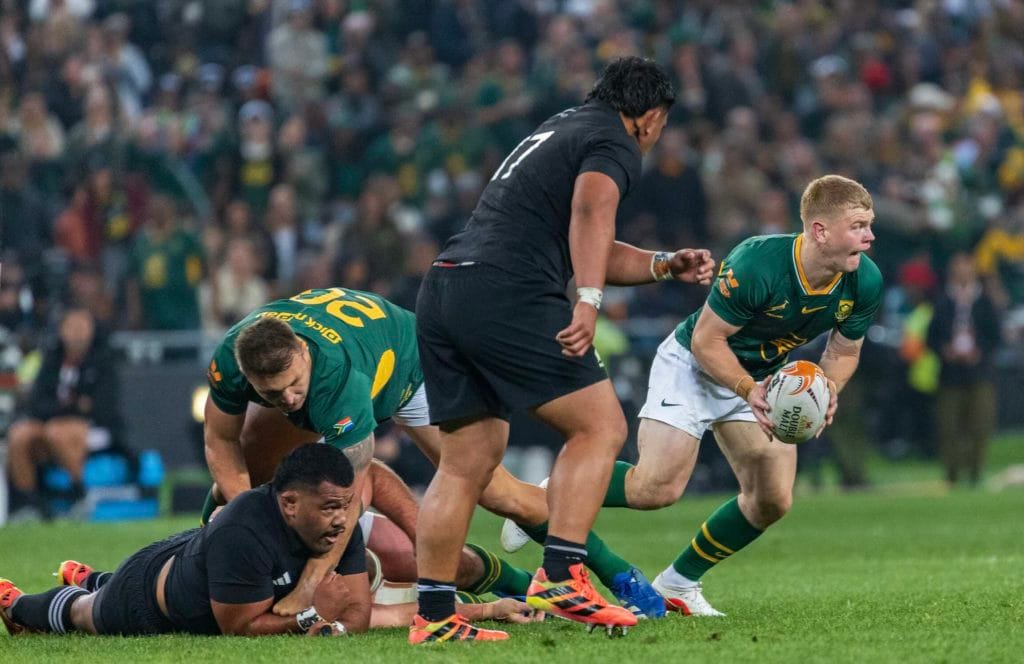
England have been here before. Close enough to see victory. Close enough to believe. Close enough to feel the Springboks wobble.

Then South Africa find another gear.

It has become a familiar script in one of rugby’s richest rivalries. England ask difficult questions, the Springboks absorb the pressure and somehow emerge with the answer that matters most.

Saturday’s opening Nations Championship Test at Ellis Park offers Steve Borthwick’s side another opportunity to prove they have bridged that stubborn gap. They could hardly have picked a sterner examination.

Johannesburg does not welcome visitors with open arms. The altitude drains lungs, the crowd feeds every collision and the Springboks have turned Ellis Park into one of world rugby’s least hospitable addresses.

Rassie Erasmus’ side arrive riding a nine-match winning streak and carrying the confidence of back-to-back Rugby Championship titles. Momentum has become their travelling companion and complacency remains unwelcome.

“The goal is to win,” Erasmus said this week.

Simple words. Typical Springboks.

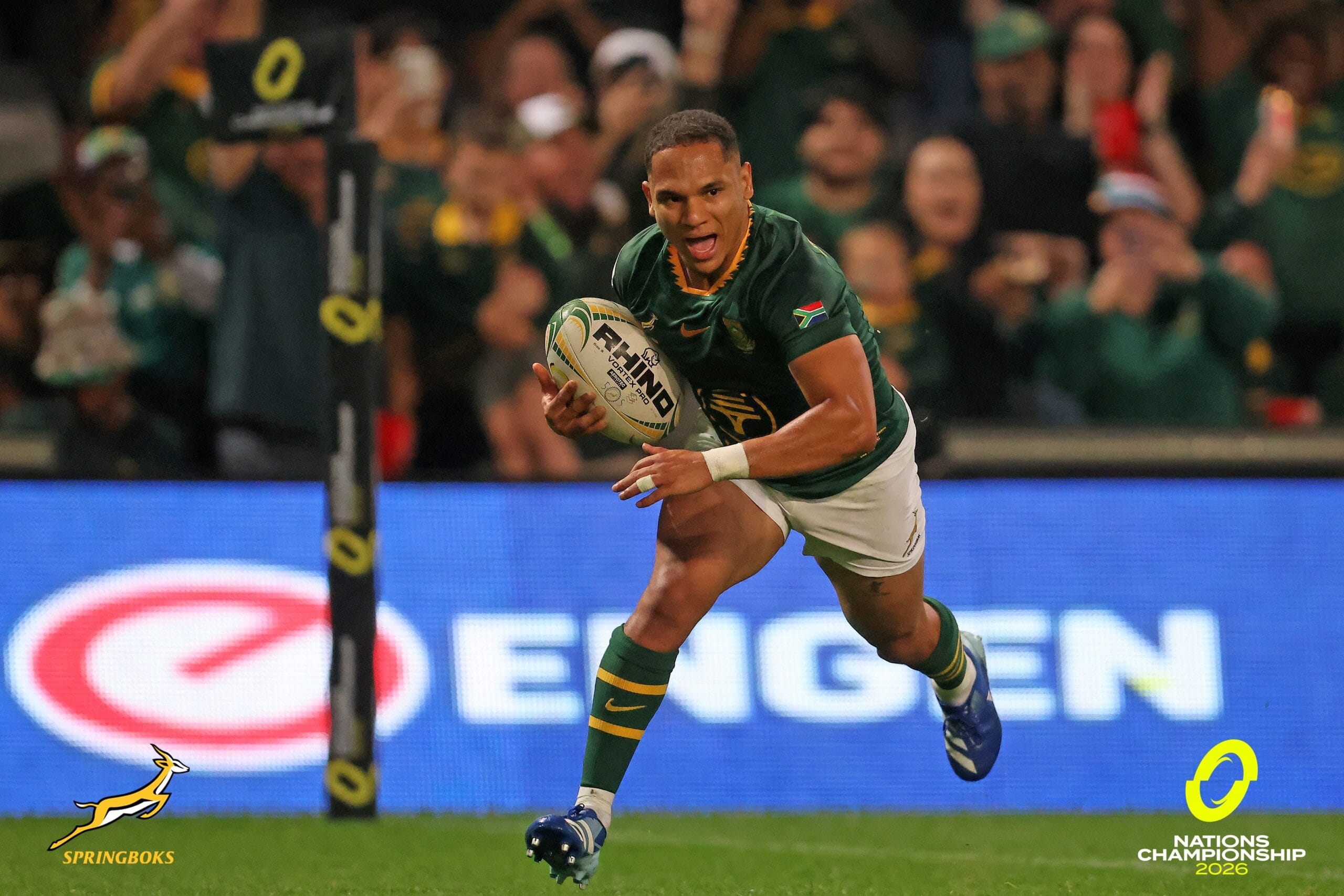
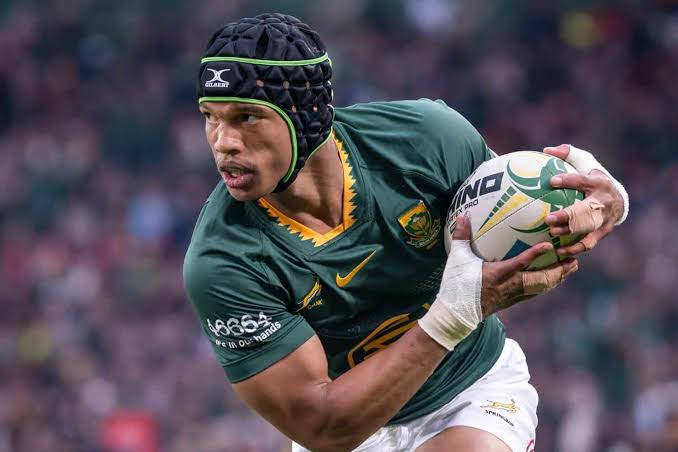
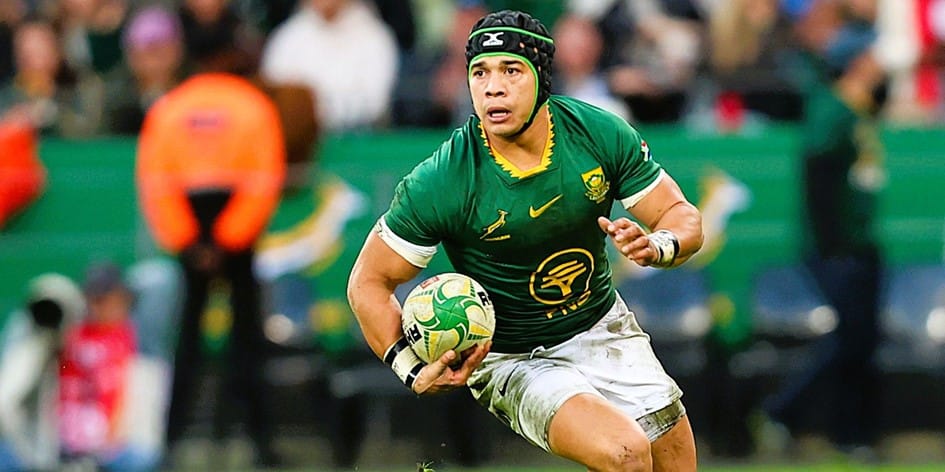
His selection reflects a squad built for every occasion. Damian Willemse and Cheslin Kolbe celebrate their 50th Tests in a backline packed with proven match winners. Jesse Kriel and Damian de Allende remain one of international rugby’s most reliable midfield pairings, while Manie Libbok gets another chance to orchestrate an attack that can shift from controlled to chaotic in a heartbeat.

Up front, the Springboks possess enough muscle to move mountains.

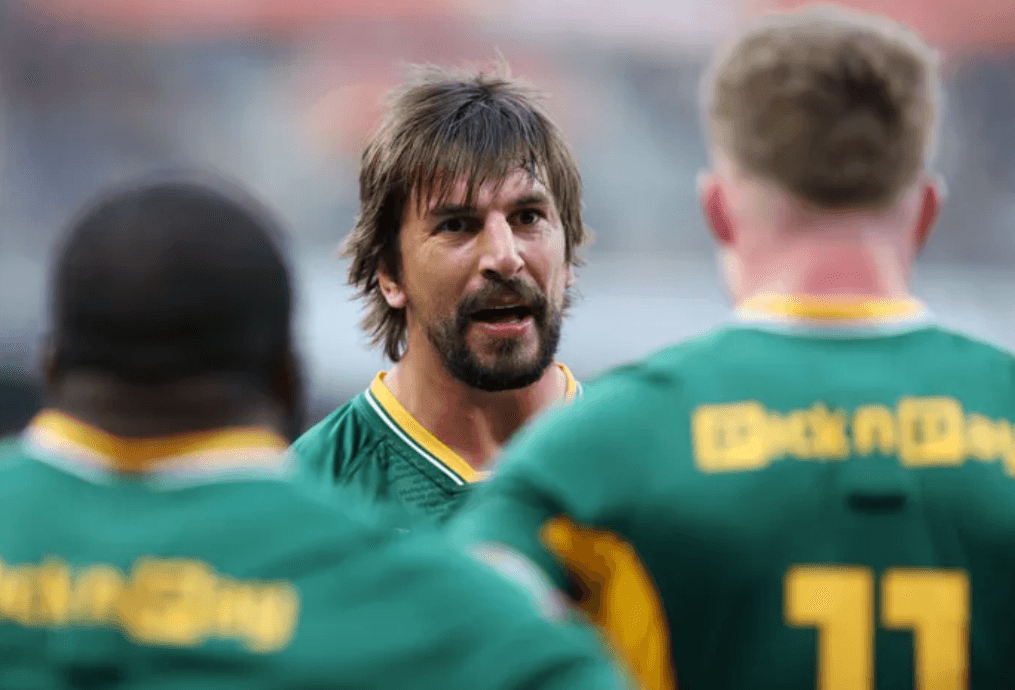
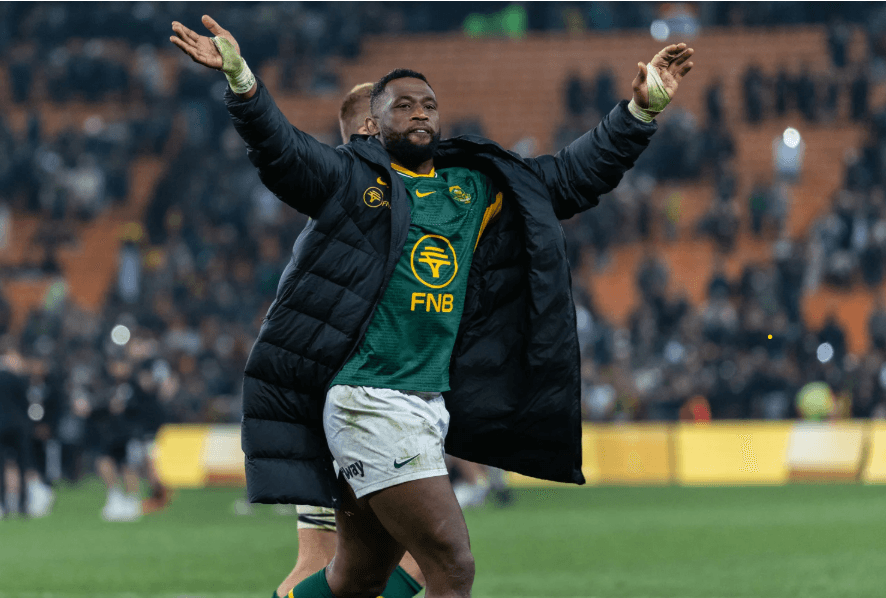
Ox Nche, Malcolm Marx and Thomas du Toit anchor a front row that thrives on confrontation, with Eben Etzebeth, Siya Kolisi and Jasper Wiese providing the relentless edge that has become South Africa’s trademark.

Then comes the Bomb Squad.

Fresh legs. Fresh power. Fresh problems.

England know exactly what awaits.

George Martin has welcomed the physical battle after returning from injury, while Fin Smith shoulders the responsibility of steering England around one of rugby’s toughest venues. Immanuel Feyi-Waboso’s return offers genuine attacking spark, Tommy Freeman arrives in outstanding form and Henry Pollock is expected to inject his trademark energy from the bench after already making himself public enemy number one among many South African supporters.

Borthwick believes his squad is ready.

“Playing South Africa at Ellis Park is one of the great Tests in world rugby,” he said.

He is right.

England have enough quality to ask questions of the world champions. Their backline carries pace, their forwards have embraced the challenge and their confidence has steadily grown despite an underwhelming Six Nations campaign.

The problem is that Ellis Park rarely rewards promise.

The Springboks know exactly how they want to play. Dominate the set piece. Win the gain line. Squeeze territory. Turn pressure into points.

It is an approach forged through experience and sharpened by success.

England may remain within touching distance for long stretches, much like they have in recent meetings. History suggests that when the contest reaches its defining moments, South Africa usually discover another level.

Prediction: Springboks by 12.

Teams:

South Africa: 15 Damian Willemse, 14 Cheslin Kolbe, 13 Jesse Kriel, 12 Damian De Allende, 11 Kurt-Lee Arendse, 10 Manie Libbok, 9 Grant Williams, 8 Jasper Wiese, 7 Pieter-Steph Du Toit, 6 Siya Kolisi (captain), 5 Ruan Nortje, 4 Eben Etzebeth, 3 Thomas Du Toit, 2 Malcolm Marx, 1 Ox Nche.
Replacements: 16 Jan-Hendrik Wessels, 17 Gerhard Steenekamp, 18 Zachary Porthen, 19 Marco van Staden, 20 Cameron Hanekom, 21 Cobus Reinach, 22 Andre Esterhuizen, 23 Canan Moodie.

England: 15 George Furbank, 14 Immanuel Feyi-Waboso, 13 Tommy Freeman, 12 Seb Atkinson, 11 Cadan Murley, 10 Fin Smith, 9 Jack van Poortvliet, 8 Ben Earl, 7 Tom Curry, 6 Ollie Chessum, 5 George Martin, 4 Alex Coles, 3 Joe Heyes, 2 Jamie George (captain), 1 Ellis Genge.
Replacements: 16 Luke Cowan-Dickie,17 Beno Obano, 18 Asher Opoku-Fordjour, 19 Charlie Ewels, 20 Guy Pepper, 21 Henry Pollock, 22 Alex Mitchell, 23 Marcus Smith.

Date: Saturday, July 4
Venue: Ellis Park, Johannesburg
Kick-off: 17.40
Referee: James Doleman (New Zealand)
Assistant referees: Andrew Brace (Ireland) & Pierre Brousset (France)
TMO: Richard Kelly (New Zealand)

Images: x.com/Springboks

Springbok coaches welcome wins but identify key areas for improvement

By Adnaan Mohamed

The scoreboards at Nelson Mandela Bay Stadium painted a picture of dominance on Saturday, but Springbok coach Rassie Erasmus and SA A coach Mzwandile Stick were far more interested in the details hidden beneath the numbers.

The Springboks opened their season with an emphatic 80-31 victory over the Barbarians, while SA A brushed aside Zimbabwe 40-0. Despite the convincing results, both coaches identified areas requiring urgent attention before the Nations Championship begins in two weeks.

Erasmus praised the Springboks’ attacking output but admitted their discipline and defensive consistency left room for improvement.

“Our discipline wasn’t great, and they (the Barbarians) scored tries in quick succession, so yellow cards were not ideal,” said Erasmus.

The Bok coach pointed to the realities of a squad reconnecting after several months apart.

“But we have to remind ourselves that it’s been six or seven months since we’ve played together, and some guys were new in the mix, while we also didn’t know when the DHL Stormers or Vodacom Bulls players would be available at some stage, which are all aspects we have to keep in mind.

“To score 80 points is nice, but the Barbarians were thrown together quite late, and had only three training sessions, which makes them difficult to analyse. They scored four or five great tries, so we need to eliminate those defensive lapses and be better as a unit when we play against England.”

One concern for Erasmus was the injury suffered by experienced lock Franco Mostert, who was forced from the field.

“I’m worried about his ankle. He’ll go for scans tomorrow, so hopefully it’s not too bad.”

Springbok captain Siya Kolisi echoed his coach’s assessment, saying the match provided valuable evidence of what is working and what still needs attention.

“I thought a lot of what we wanted to get through, we did, but also, when things didn’t work, and we went against the plan, we learned lessons there,” said Kolisi.

“I always have to watch the game again to get a good assessment about things, but I already know some of the mistakes we made and the areas we need to fix. There were opportunities where I thought we could have controlled things better.”

Earlier in the day, SA A delivered a disciplined defensive display against a determined Zimbabwe side preparing for the 2027 Rugby World Cup in Australia.

Stick admitted the performance was not without frustration despite the clean-sheet victory.

“We knew it was going to be a big challenge because the majority of our players have never played together, so it was a new team, and Zimbabwe tried to challenge us by keeping ball in hand and playing direct rugby. I enjoyed the way they played.

“That said, for us, the goal was to see whether the players could execute what we’ve been working on over the past two weeks, and it was sometimes frustrating when the points weren’t coming.

“In the first half, we were unlucky, with two tries disallowed – once where a player went into touch, and another when a player was slightly in front of the kick. But from my side, the way the guys stayed in the fight, even when we were under pressure, was great, and we managed to keep a clean sheet.”

SA A captain Vincent Tshituka paid tribute to Zimbabwe’s intensity and ambition.

“We played against a desperate side, and we expected that. We knew the Zimbabwe players would be motivated and would want to prove a point against world-class opposition, and it showed.”

South Africa’s opening victories delivered plenty of encouragement. Erasmus and Stick know tougher examinations await, and both coaches left Gqeberha with a notebook full of positives and a to-do list that remains far from complete.

Images: X.com/Springboks

How Springbok coach Rassie Erasmus’ philosophy inspired George Kusche’s historic Comrades triumph

By Adnaan Mohamed

After shattering one of South African sport’s most enduring records and banking more than R2.3 million George Kusche revealed that Springbok mastermind Rassie Erasmus ‘Pressure is a privilege’ philosophy had a profound impact on him being crowned 2026 Comrades Marathon champion.

Kusche says one of the most influential ideas shaping his outlook is Erasmus’ belief that pressure is not something to fear, but a privilege earned by doing what you love while millions of others face far greater daily struggles.

For Kusche, that perspective proved as valuable as any training session in helping him navigate the weight of expectation before producing a breathtaking 5:15:56 from Durban to Pietermaritzburg, obliterating Leonid Shvetsov’s 18-year-old course record and writing himself into Comrades folklore.

“In terms of pressure, I’ve got huge respect for Piet and the way he shows up every year and hits it out of the park. It takes a lot of guts to do that and obviously Gerda does that as well,” Kusche said.

“I often think of Rassie Erasmus when he said this is not pressure, this is a privilege to do what you love and hopefully I can keep that mindset next year.”

Those words perhaps explain why Kusche looked so composed while executing one of the boldest race plans in recent Comrades history.

He surged to the front early, trusted months of meticulous preparation and refused to blink as the kilometres mounted. The calculated gamble dismantled a record that had survived for nearly two decades and left defending champion Piet Wiersma and surprise package Mbuti Mollo chasing shadows, despite both finishing beneath the previous record.

Ironically, the race that delivered one of the richest prize hauls in South African road running history reinforced Kusche’s belief that money should never be the driving force.

At Monday’s winners’ breakfast, the 28-year-old received a standing ovation while collecting a series of bonus cheques, including R602,000 for breaking the Up Run record. Together with the winner’s prize, average pace incentive, first South African bonus and other rewards, his earnings climbed beyond R2.3 million, with further sponsor incentives still possible.

Yet financial reward barely featured in his thoughts.

“I haven’t really thought about the financial aspect yet,” Kusche admitted.

“If you’re running for the money I think you’re in the wrong sport.”

Instead, his greatest satisfaction appeared to come from achieving something that only a year ago seemed improbable.

The Pretoria-based runner laughed that he woke up on Monday morning and checked the date to make sure he was not dreaming.

“I think it’s slowly starting to sink in.”

His journey has never followed a conventional route.

Born in Malalane, Kusche left South Africa as an 800m athlete before studying in the United States, eventually earning a Masters in Statistics after spells at the University of Nebraska-Lincoln and Northern Arizona University.

When a professional running contract failed to materialise, he returned home, built a career as a data scientist and stepped away from competitive athletics.

Running, however, refused to loosen its grip.

With the backing of Nedbank Running Club manager and 1991 Comrades champion Nick Bester, Kusche rebuilt himself from scratch, applying the same analytical discipline to training that he uses in his professional life.

He still balances elite competition with full-time work, believing that stability away from the roads has strengthened rather than hindered his performances.

His fourth-place finish in the Totalsports Two Oceans Half Marathon, rapid marathon progression and 12th-place finish on his Comrades debut last year all hinted at enormous potential.

Sunday confirmed it.

There was no visible panic, no signs of a man burdened by expectation, only calm execution from the first stride to the last.

Perhaps that is the real legacy of Erasmus’ philosophy.

Pressure is not a crushing weight carried by champions.

It is a privilege earned through sacrifice, embraced with gratitude and rewarded through preparation.

George Kusche did not merely win the 2026 Comrades Marathon.

He embodied that idea every step of the way.

Featured Image: Adnaan Mohamed

Rassie reveals Springbok rookie revolution

By Adnaan Mohamed

Springbok coach Rassie Erasmus has never been shy about planning several moves ahead. His latest squad announcement, featuring 21 uncapped players among a 51-man training group for the Gqeberha double-header later this month, offers another glimpse into how South Africa intends to sustain its dominance beyond the current generation.

Among the newcomers, the inclusion of DHL Stormers backs Yaqeen Ahmed and Imad Khan stands out as more than a reward for impressive domestic performances. It is a reflection of South Africa’s determination to broaden its depth in two of the most influential positions on the field.

Ahmed, capable of operating at flyhalf and centre, and scrumhalf Khan are among a youthful contingent called into the national setup ahead of the Springboks’ clash against the Barbarians and the SA ‘A’ fixture against Zimbabwe on 20 June.

Their elevation comes at a significant moment.

With star playmaker Sacha Feinberg-Mngomezulu and scrumhalf Morne van den Berg sidelined through injury, Erasmus has been presented with an opportunity to accelerate the development of players who could feature prominently in future Springbok campaigns.

The injuries have not created vacancies so much as opportunities.

Ahmed’s selection is particularly intriguing. The highly rated Stormers playmaker has long been regarded as one of the country’s most promising attacking talents, combining tactical awareness with the versatility modern international rugby increasingly demands. His ability to cover multiple backline positions makes him a valuable asset in a Springbok environment where adaptability is prized almost as highly as raw talent.

Khan’s call-up carries similar strategic importance. South Africa’s production line of scrumhalves remains one of the healthiest in world rugby, yet Erasmus continues to search for greater depth at a position that often dictates the tempo of a match. Khan joins fellow uncapped scrumhalves Haashim Pead and Nico Steyn in a competitive group that offers selectors an opportunity to assess emerging talent in a high-performance environment.

The Stormers pair form part of a broader youth movement that includes SA Under-20 players Danie Kruger, Luan Giliomee, Vusi Moyo, Oliver Reid, Liam van Wyk, Junior Springbok captain Riley Norton, Siphosethu Mnebelele, Markus Muller and Zekhethelo Siyaya. All were previously involved in the expanded Springbok alignment camp programme.

The remaining uncapped players are Paul de Villiers, Bathobele Hlekani, Hanro Jacobs, Jurenzo Julius, JJ Kotze, Sibabalwa Mahashe, Emmanuel Tshituka and Jaco Williams.

The composition of the squad has also been shaped by circumstance. Vodacom Bulls players were unavailable after securing a place in the United Rugby Championship final against Leinster, opening the door for several younger prospects to gain exposure to the national environment.

For Erasmus, however, the exercise extends beyond short-term availability.

“We named a large group of players as we will be selecting a Springbok and SA ‘A’ team for the season-opening double-header in Gqeberha, and this will be beneficial in the long term as we build the squad, looking forward to next year’s Rugby World Cup and beyond,” he said.

“There is also an exciting mix of experienced campaigners and young players in this squad, and this formula has worked well for us in the past to ensure a clear pathway to build depth within the group.”

The Springbok coach believes the alignment camps held over recent months have prepared many of the newcomers for the demands awaiting them.

“The coaches have been working around the clock to put the systems in place in the last few months, and the in-person and virtual alignment camps have given most of the players a taste of what to expect, so it’s now a matter of implementing what they learned in the boardroom onto the field.”

Erasmus also highlighted the demanding season ahead.

“We are under no illusions about the challenge ahead this season with two matches against the Barbarians and the SA ‘A’ team against Zimbabwe playing out on the same day, which will be followed by two new competitions in the Nations Championship and Rugby’s Greatest Rivalry, so it will be important for the group to build cohesion as quickly as possible and make the most of our field sessions and team meetings to be as well prepared as possible when we take the field.”

For Ahmed and Khan, the call-up is not a destination. It is an invitation into one of the most competitive environments in world rugby. Whether either player features prominently in the months ahead remains uncertain.

What is clear is that Erasmus is already looking beyond the next Test, the next tournament and even the next season. The world champions are building depth with the same diligence that won them consecutive World Cups, and Ahmed and Khan are the latest names added to that long-term blueprint.

Springbok squad (in alphabetical order):

Forwards: Lood de Jager (Wild Knights), Paul de Villiers (DHL Stormers), Ben-Jason Dixon (DHL Stormers), Pieter-Steph du Toit (Toyota Verblitz), Eben Etzebeth (Hollywoodbets Sharks), Neethling Fouche (DHL Stormers), Bathobele Hlekani (Fidelity Securedrive Lions), Hanro Jacobs (Hollywoodbets Sharks), Vincent Koch (Hollywoodbets Sharks), Siya Kolisi (Hollywoodbets Sharks), JJ Kotze (DHL Stormers), Danie Kruger (DHL Stormers), Sibabalwa Mahashe (Fidelity Securedrive Lions), Malcolm Marx (Kubota Spears), Ntuthuko Mchunu (DHL Stormers), Siphosethu Mnebelele (Vodacom Bulls), Salmaan Moerat (DHL Stormers), Franco Mostert (Honda Heat), Ox Nche (Hollywoodbets Sharks), Riley Norton (DHL Stormers), Zachary Porthen (DHL Stormers), Oliver Reid (DHL Stormers), Evan Roos (DHL Stormers), Emmanuel Tshituka (Hollywoodbets Sharks), Vincent Tshituka (Hollywoodbets Sharks), Liam van Wyk (Hollywoodbets Sharks), Andre-Hugo Venter (DHL Stormers), Boan Venter (Edinburgh), Jasper Wiese (Urayasu D-Rocks).

Backs: Yaqeen Ahmed (DHL Stormers) Lukhanyo Am (DynaBoars), Damian de Allende (Wild Knights), Faf de Klerk (Canon Eagles), Andre Esterhuizen (Hollywoodbets Sharks), Aphelele Fassi (Hollywoodbets Sharks), Luan Giliomee (Hollywoodbets Sharks), Quan Horn (Fidelity Securedrive Lions), Jurenzo Julius (Hollywoodbets Sharks), Imad Khan (DHL Stormers), Cheslin Kolbe (Tokyo Sungoliath), Jesse Kriel (Canon Eagles), Manie Libbok (Kintetsu Liners), Vusi Moyo (Hollywoodbets Sharks), Markus Muller (DHL Stormers), Haashim Pead (Fidelity Securedrive Lions), Zekhethelo Siyaya (Hollywoodbets Sharks), Nico Steyn (Fidelity Securedrive Lions), Edwill van der Merwe (Hollywoodbets Sharks), Damian Willemse (DHL Stormers), Grant Williams (Hollywoodbets Sharks), Jaco Williams (Hollywoodbets Sharks).

Rassie Erasmus thanks Bok faithful with Christmas Walk

By Adnaan Mohamed

If Christmas had a team talk, Rassie Erasmus delivered it in takkies, not a tracksuit. And instead of white lines and whistles, he used a seaside promenade and the gentle rhythm of footsteps.

On Christmas morning, the Springboks head coach once again became Cape Town’s most followed pedestrian, drawing hundreds of supporters to the Blouberg coastline after issuing an open invitation on social media.

This is to thank you for your passionate support and the way you carry us,” Erasmus wrote. “Hulle weet nie wat ons weet nie” (They don’t know what we know).”

At precisely 06:00, because even festive strolling runs on Bok-standard time, the six-kilometre walk rolled out from outside Doodles Beachfront Restaurant.

The route was simple, symmetrical and suspiciously well conditioned: three kilometres out, three kilometres back, with Table View as the turning point and Christmas breakfast waiting at full-time.

The tradition, now in its second year, began the way most good ideas do: accidentally.

Merry Christmas to you guys as well. We just started last year, I think it was the night before Christmas and a few friends said let’s go for a walk, and a few guys in the neighborhood (joined us),” said Erasmus.

We sent messages on What’s App and told people whose maybe lonely or family that wants to join and this year, I think it doubled (in size) or something like that.

There were no bibs, no briefings and mercifully no shuttle runs.

So, no rules we just get together, walk three kilometres out, three kilometres back, sign a few things, give a photo or so and everybody goes and do their thing,” said Erasmus, effectively unveiling the most relaxed Springbok camp session ever staged.

Beneath the humour and flip-flops sat a serious point. This was Erasmus’ way of tipping his cap to the supporters who fill stadiums, timelines and living rooms.

It means everything. If they weren’t there, we would be playing in front of nobody and for nobody,” he said.

I live here in Blouberg and I know most of the people here. I know a lot (of them) are not from Blouberg, who drove here.

But it’s just a small little thank you to them and (a chance) to mingle with them on the ground. We sometimes don’t get a chance to do that so it’s wonderful.

While the Springboks continue to march relentlessly at the top of World Rugby, their head coach chose, just for one morning, to slow the tempo. No trophies, no tactics.

He just a shared walk, a few selfies and the quiet reminder that even world champions occasionally win simply by putting one foot in front of the other.

Springboks opponents for third consecutive RWC title defence in Australia revealed

By Adnaan Mohamed

The Springboks pursuit of an unprecedented third consecutive Rugby World Cup title will unfold against familiar opponents after the defending champions were drawn into Pool B with Italy, Georgia and Romania for the 2027 tournament in Australia.

The announcement, made during Wednesday morning’s draw, confirmed that South Africa will face three teams they know well from past World Cup encounters: Romania in 1995 and 1999, Georgia in 2003, and Italy in 2019.

The format, guided by world rankings for the 2025 season, sorted the 24 teams into four bands before randomised placement into six pools. This is the largest RWC structure to date.

Rassie Erasmus: “We are pleased… but this is a World Cup”

Springbok head coach Rassie Erasmus welcomed the draw but emphasised the unpredictability of tournament rugby.

“We are pleased with the pool we have been drawn in, but this is a World Cup, and every team will go out there with great passion and do their utmost to represent their nations with pride,” said Erasmus.

“There have been surprises in the tournament before, so we’ll need to be up mentally and physically for every match.”

Erasmus offered a measured breakdown of each opponent, noting how deceptive world rankings can be.

“Italy may be ranked 10th in the world, but they showed us what they are capable of when they hit their straps earlier this season, even though the scorelines may not have reflected that.

“Georgia and Romania are also extremely physical and passionate teams, and we’ve faced them before, so we know how tough they can be on the day if we give them space and opportunities to play to their potential.”

His remarks frame Pool B as a group where familiarity offers preparation advantages, but no shortcuts — a reminder that even routine fixtures can turn into tactical ambushes if approached casually.

Tournament Format: Six Pools, New Pathways

With the RWC expanding from 20 to 24 teams and the fixture list increasing to 52 matches, 2027 will introduce a modified playoff pathway.

  • Winners of Pools A–D will face the four best third-placed teams.
  • Winners of Pools E and F will meet the runners-up from Pools B and D.
  • Runners-up in Pools A and C draw the second-placed teams from Pools E and F.

This structural shift increases the importance of pool-stage consistency and squad rotation which is a key component of Erasmus’s historically successful World Cup strategies.

The Full 2027 Pools

  • Pool A: New Zealand, Australia, Chile, Hong Kong China
  • Pool B: South Africa, Italy, Georgia, Romania
  • Pool C: Argentina, Fiji, Spain, Canada
  • Pool D: Ireland, Scotland, Uruguay, Portugal
  • Pool E: France, Japan, USA, Samoa
  • Pool F: England, Wales, Tonga, Zimbabwe

Australia will host matches from 1 October to 13 November 2027 across seven cities in Adelaide, Brisbane, Melbourne, Newcastle, Sydney and Townsville.

The full matchday schedule will be released on 3 February 2026, with a two-week presale window for fans opening 18 February 2026.

A Favourable yet Demanding Pool

While South Africa avoided a heavyweight Tier 1 rival in Pool B, the draw offers strategic depth:

  • Italy present a risk profile based on tempo and moments of tactical unpredictability.
  • Georgia bring scrummaging power and collision dominance – a stress test for any forward pack.
  • Romania remain physical and combative, although rebuilding.

For Erasmus, the pool provides space to calibrate combinations, manage player load, and sharpen tactical identity, the essential building blocks for a three-peat campaign. Pool B offers stability, but only if executed with precision.

Reinach’s Golden Milestone and Rassie’s Clever End-of-Year Chess Move

By Adnaan Mohamed

There’s a reason the Springboks never really feel “under-strength” even when half the squad is scattered across Europe, Japan and club rugby obligations. South Africa, more than any other rugby nation, has turned adversity into opportunity, disruption into design. And this week in Cardiff, as the Boks close out their season against Wales, that philosophy takes centre stage.

Saturday marks more than just the end of the Outgoing Tour. It marks a moment of quiet, powerful significance in a year defined by rotation, regeneration, and ruthless forward-thinking.

Because while the headlines will rightly celebrate Cobus Reinach’s 50th Test, the deeper story is how Rassie Erasmus is using this final match of the year to subtly tighten the screws on South Africa’s long-term blueprint.

Let’s dive in.

1. Reinach at 50: A Triumph of Perseverance Over Spotlight

At 35, Cobus Reinach reaching his milestone half-century is a testament to patience in an era obsessed with instant stardom.

He’s never been the loudest, the flashiest, nor the headline-grabber. Instead, he has been the Springbok who always arrives when needed, slips into the system seamlessly, and changes the tempo with a veteran’s calm.

Rassie’s admiration was heartfelt:

“Cobus is a true team man… he’s grabbed every opportunity with both hands.”

There’s something beautifully poetic about Reinach not starting on the day he reaches 50 caps, but sitting quietly on the bench.

He will be the lone backline reserve among seven hulking forwards. It captures his role perfectly: the dependable firefighter, trusted when the match burns hottest.

This is not just a milestone. It is a tribute.

2. The Selection Puzzle: Rassie Turns Limitations Into Leverage

Test matches outside the international window are usually a nightmare for southern hemisphere coaches. Erasmus lost a dozen frontline stars to club commitments – Handre Pollard, Malcolm Marx, Cheslin Kolbe, Jesse Kriel, and Pieter-Steph du Toit among them. Many coaches would be forced into damage control.

Rassie?
He sees a laboratory.

This is where South African rugby’s conveyor belt gets tested in fire. 49 players have earned Test caps this year alone. It’s a staggering number, but one rooted in planning, not panic.

“We’ve been rotating players all year… many of these combinations are fully settled.”

There is no “second-string Springboks.”

There are only Springboks in different phases of readiness.

3. The 7–1 Split Isn’t a Gamble – It’s a Statement

The rugby world still blinks when seeing a team sheet with seven forwards on the bench. But to the Boks, it’s as natural as breathing.

This week’s 7–1 split is partly forced by availability, but it also reinforces the core of South African Test identity: win the collisions, control the set piece, choke the opponents’ oxygen.

Wales, even in a rebuilding phase, are happiest in the trenches. A weaker team would try to outplay them.
South Africa plan to outmuscle them.

Rassie explained it plainly:

“Our pack has performed incredibly well… and we believe it will be a key area of the match.”

This is Rassie’s selection strategy.

4. Quiet Evolution: The Next Generation of Boks Steps Forward

Gerhard Steenekamp, Johan Grobbelaar, Zachary Porthen, Asenathi Ntlabakanye are not household names yet, but they are seen as the building blocks of South Africa’s post-2027 pack.

Steenekamp starting his first Test is no coincidence. The Boks’ current front-row titans will not be around forever. Rassie is not waiting until 2026 to find their successors.

Erasmus is making changes early, deliberately, and unapologetically.

This Wales Test is seen as an investment.

5. The Bigger Picture: Wales, Rankings and the RWC Draw

Wales arrive with their own headaches and absentees, but they’re dangerous precisely because of it. Young players with everything to prove, veterans trying to hold onto jerseys, and a home crowd hungry for a scalp.

And then there’s the looming Rugby World Cup draw next week.

For both teams, the rankings matter. Momentum matters. Perception matters.

Rassie expects an ambush:

“They’ll come out firing… they’ll give everything to finish on a high note.”

This will not be a polite end-of-year handshake.
It’s a cage fight with diplomatic flags.

6. What This Match Really Represents

This final Test of 2025 can arguably be seen as a microcosm of South African rugby philosophy:

  • Celebrate the unsung (Reinach).
  • Trust the young (Steenekamp, Ntlabakanye, Porthen).
  • Prepare for the future early (49 players used).
  • Double down on identity (the 7–1 split).
  • Stay unpredictable (mixing stalwarts with debutants).
  • Never fear disruption – weaponise it.

If the Boks win, they end the year with a statement.
If they lose, they still walk away with priceless data.

Either way, South Africa wins something.

On Saturday night, as Reinach steps onto the field for the 50th time, he’ll do so as the embodiment of everything this Bok season has stood for: quiet excellence, depth, resilience and relentless preparation for the future.

South Africa are building towards 2027. And Reinach’s milestone, achieved with humility, hunger and heart. It reminds us what really powers the Springbok machine: people who show up, again and again, long after the spotlight has moved on.

Franco Mostert Cleared as Rugby’s Referees Enter Full Circus Mode

Opinion – Adnaan Mohamed

Welcome to another breathtaking episode of Rugby Officials Gone Wild, where referees improvise, TMOs hallucinate, and World Rugby’s disciplinary panels sweep up the mess like long-suffering parents at a children’s birthday party.

This week’s headliner? Springbok lock Franco Mostert sent off in Turin after referee James Doleman and his French TMO partner squinted at a replay and dramatically declared “clear head contact” and “always illegal”, which we now know was about as accurate as a prop attempting a chip-and-chase.

On Wednesday, actual functioning adults on the disciplinary panel calmly overturned the red card, downgrading it to a yellow and effectively telling the match officials:

“You were wrong. Spectacularly wrong. Please stop embarrassing yourselves at this altitude.”

But wait, the chaos gets better. Not only was Mostert’s dismissal wrong, but Harry Hockings’ red card was ALSO declared incorrect by a separate independent panel.

That’s right: two red cards, two panels, zero functioning officiating moments. Rugby’s governance is starting to feel like a group project where one guy does the work and the rest just show up with snacks.

And Rassie Erasmus? Eddie Jones? Oh, they were THRILLED.
Both stormed into their press conferences like two coaches who’d just watched their debit orders bounce. Steam, fire, smoke signals, everything short of interpretive dance.

Meanwhile, the bunker review system, the expensive technological safety net installed specifically to stop this exact variety of nonsense, was NOT USED.
Not consulted.
Not even glanced at.
They left it sitting there like a lonely gym bike in January.

Instead, Doleman and his TMO opted for the “wing it and pray” method: a bold, innovative approach with a near-perfect failure rate.

The ruling now exposes rugby’s head-contact framework as a full-blown Picasso painting: abstract, confusing, and open to interpretation by anyone with enough confidence and a whistle.

One weekend a player gets red for breathing too aggressively; the next weekend someone performs a WWE finishing move and walks away with a warning.

And through it all, the Springboks just keep winning, like a team powered entirely by spite and trauma.

Two weekends.
Two red cards for the No. 5 jersey.
Two matches with 14 men for ridiculous lengths of time.
Two victories.

France? Beaten with 40+ minutes a man down.
Italy? Smashed with 65+ minutes one man short, AND fielding fringe players.
The message?
“Give us 14, give them 15 – see who cries first.”

Now South Africans are coping the only way they know how:
By laughing at the officiating until it cries back.

With Mostert cleared, he’s available for the showdown in Dublin, a place where the Boks haven’t won since the world last took Blackberry phones seriously.

The last time the Boks were on the winning side in Ireland was 13 years go. The Irish have won four of the last five against South Africa, including that World Cup group-stage arm wrestle in 2023.

The Boks name their team Thursday. And if fate has a sense of humour, the referee will keep his red card in his pocket this weekend, or at least try to.

But with the way things are going in rugby’s officiating universe, expect anything: a red card for tying your boots too slowly; a yellow for “intent to run upright”; a penalty for existing in the wrong postcode.

Sit tight.
The circus continues.
And the clowns, unfortunately, are still in charge.

Two Weeks, Two Reds, One Relentless Springbok Spirit

By Adnaan Mohamed

For the second week in a row, the Springboks walked into a northern-hemisphere storm and refused to be blown over.

Another early red card, another No 5 lock gone, yet the world champions simply bent, adjusted and found a new way to win, beating Italy 32–14 in Turin with the kind of grit that can only be forged in chaos.

Franco Mostert’s 12th-minute red card echoed Lood de Jager’s fate against France a week earlier. Same number on the jersey. Same sinking moment. Same response: the Boks shifted shape like a scrum rearranging itself in a gale, and played as though the missing man had simply been absorbed into their collective heartbeat.

Captain Siya Kolisi said the team has learned to solve problems while sprinting.

“We went through it last weekend, and this week we went through the same thing. So, we make plans in the game as we go along because such things happen,” he said.

“The biggest thing that we were asked this week is to show our ‘Africanness’ and that’s about making plans because there are always stumbles… They (the coaches) are always prepared for any scenario, and even the guys who are not playing sit and make plans and decisions.”

Kolisi admitted the emotional sting was real:

“It doesn’t make it easy for us… seeing a guy like Franco sitting there, we could see the hurt in his eyes. But I really love the way this team is able to stand up and fight.”

Rassie Erasmus, visibly exasperated, didn’t hide his frustration.

“It is what it is. What I say can’t make a difference,” he said. “It’s sad that our captain had to make that sacrifice twice in a week.”

The Bok coach questioned how much lower a two-metre lock can physically tackle.

“Losing two locks in two games now for going lower than they can go… it’s tough to understand,” Erasmus said. “We don’t know how to coach guys to go lower, especially when someone is on his knees.”

Yet amid the frustration, he applauded his team’s ability to morph on demand.

“Yes, we have a way to adapt,” he said. “That certainly makes us tighter as a team… I’m happy with the result, but still sad for the players who have to take the brunt for something that happened by accident.”

Three wins from three, two red cards navigated, and a squad that keeps inventing new ways to survive the storm. The Boks now head to Ireland, hardened once more by fire and fallout.

Featured Photo: Andre Esterhuizen/ https://x.com/springboks

Source: SA Rugby

Red Card, Green Heart: Springboks Turn Adversity into Glory in Paris

By Adnaan Mohamed

On the night Siya Kolisi reached his century of Tests, the Springbok captain reminded the rugby world that leadership isn’t only about charging into tackles, but sometimes it’s about stepping back for the team.

Up against a fired-up French side, a cauldron of 80,000 roaring fans at Stade de France, and a hotly debated red card to lock Lood de Jager, the world champions could easily have cracked.

Instead, they dug deep, showing the kind of grit that has become as familiar to South Africans as the green and gold itself.

The Boks turned pressure into purpose, clawing their way to a 32–17 win that felt more like a statement than a scoreline.

When halftime arrived, the coaches faced a brutal call that resulted in Kolisi’s 100th Test ending early. The team needed to reshuffle, and the captain had to make way for tactical balance. His response was pure Siya.

“To take our captain off in his 100th match because we had to put Andre [Esterhuizen] on to play loose forward and centre, depending on whether we had a scrum or a line-out, was a tough call,” said coach Rassie Erasmus.

“But when we said it to him, he just took it on the chin and understood. Same with Damian de Allende, who was playing really well, but we had to sub him so Andre could play both in the scrums and the backline.”

Kolisi’s calm acceptance rippled through the team like a silent war cry.

“The impact Siya made from the bench was when the whole team saw the moment he was told he wasn’t going to play the second half, and he said he totally understands,” Erasmus added.

“That impact is enough. Then the other players say, ‘Our captain, who has played 100 games, is willing not to go in the second half for the team to win.’ That impact is enough.”

It was a reminder that Kolisi doesn’t just wear the armband, he embodies the Springbok creed: team before self, always.

Erasmus also tipped his hat to the brains trust behind the victory, the Bok assistant coaches who helped rewrite the game plan on the fly.

“The bench had a good impact, but it’s the plans the coaches made at half-time that made it easier for the guys that went on,” he said.

“The defence coach, attack coach, Duane [Vermeulen] with the breakdowns, Deon [Davids] with the line-outs, Daan [Human] the scrums, and Tony [Brown] the attack.

“I take very little credit. This bunch of players and a lot of people said they are getting old, they are wiser and calmer under pressure.”

Even with the crowd roaring like a Parisian thunderstorm, the Boks never lost their composure.

“Playing here, and the French can be so proud of their supporters, but for us it was intimidating,” Erasmus admitted.

“But luckily, we’ve been through this before in 2018, 2019, 2022, and 2023. The experience showed at half-time, making plans, staying calm, sacrificing for the team.”

Kolisi may have played only 40 minutes, but his presence was felt for all 80. From the moment he stepped off the field, he became the team’s heartbeat on the sideline, steady, selfless, and still leading every ruck and run from afar.

His 100th Test wasn’t only about glory. It was about grace, the kind that wins not just games, but hearts.

Source: SA Rugby