


Africa leads Global Safe Sport Conversation in Cape Town

By Adnaan Mohamed

The race to make sport safer is gathering pace, and in Cape Town the baton was firmly placed in African hands.

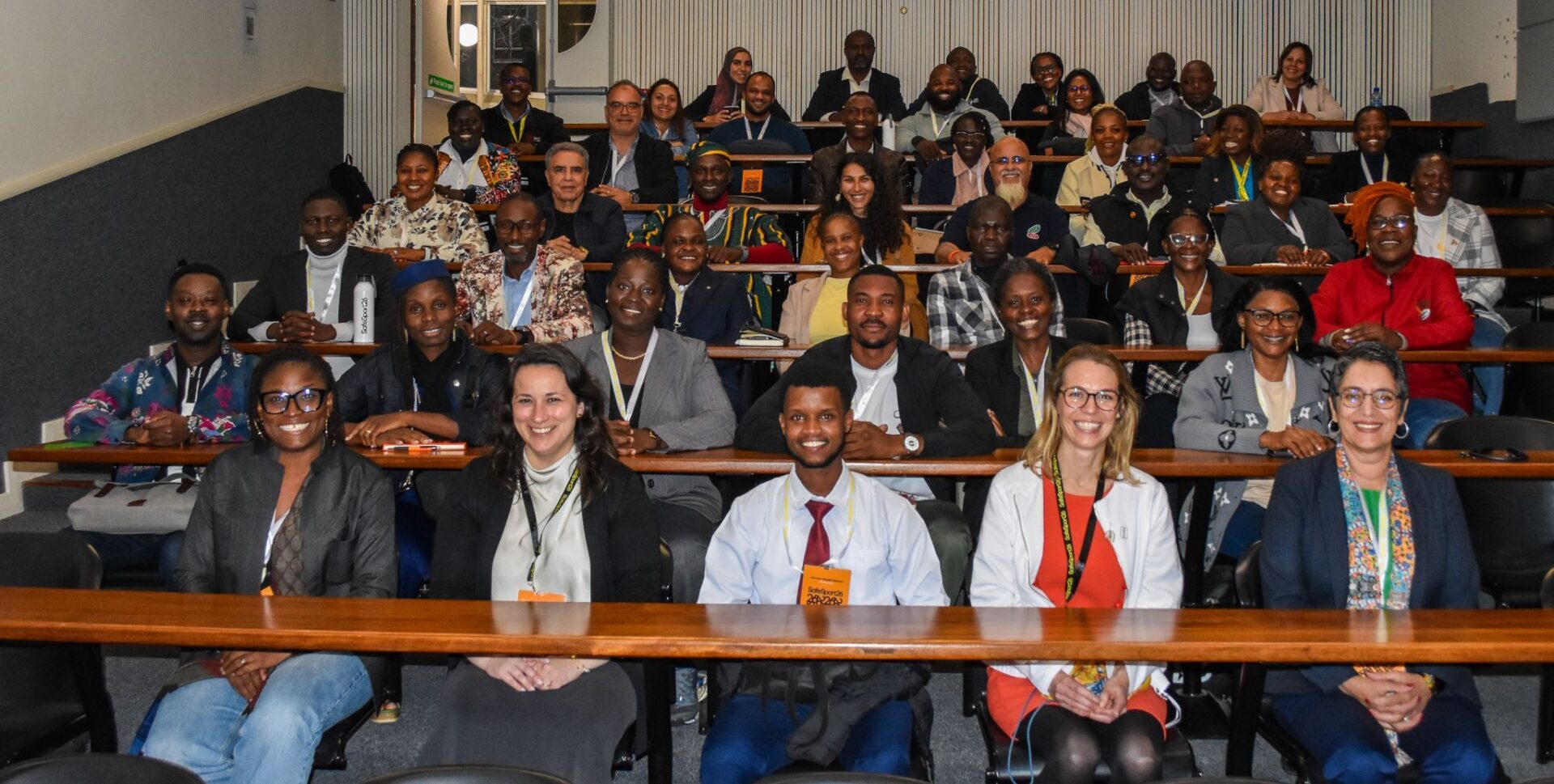
More than 400 delegates from around the world converged on the University of Cape Town for the Safe Sport Global Conference, where World Athletics and World Rugby joined forces to strengthen safeguarding systems and elevate athlete welfare across the continent and beyond.

Held from 25 to 27 May and opening on Africa Day, the conference brought together researchers, policymakers, administrators and safeguarding practitioners in a shared pursuit of a sporting environment where athletes can thrive free from abuse, exploitation and harm.

At the heart of the gathering was a message that resonated through lecture halls and panel discussions alike.

“Safer sport is not built by one discipline, one organisation or one country alone. It depends on shared responsibility, deeper understanding, and stronger systems,” said Associate Professor David Maralack, Head of Department at the School of Management Studies at UCT.

In many ways, the conference embodied that philosophy.

Like teammates linking arms in a defensive line or runners working together through a punishing headwind, World Athletics and World Rugby used the event to create new partnerships, share expertise and strengthen safeguarding networks throughout Africa.

Maralack also highlighted the significance of hosting the conference on African soil.

Hosting the conference at UCT placed African scholarship and lived experience at the forefront of this important dialogue, challenging the historical dominance of perspectives shaped elsewhere.”

For years, safeguarding conversations have often been driven by frameworks developed in Europe and North America. In Cape Town, African experiences moved from the margins to the centre of the field.

The collaboration between athletics and rugby was far more than a symbolic handshake. It reflected a growing recognition that safeguarding challenges are shared across sports and that solutions are often stronger when organisations work side by side.

“The Safe Sport 2026 Conference came at an opportune time for World Rugby/Africa Rugby and World Athletics/African Athletics, as both sports are establishing safeguarding focal points across their African member unions and associations,” said Global Safe Sport Conference Coordinator Norman Brook.

“Both organisations participated in the conference and hosted related side events, including a joint session where rugby and athletics safeguarding officers explored ways to build regional and national support networks.”

The three-day programme examined how safeguarding commitments can be transformed from policy documents into everyday practice. Research presentations, workshops, stakeholder dialogues and keynote sessions tackled topics ranging from athlete welfare and leadership accountability to international cooperation and policy implementation.

World Athletics and the Athletics Integrity Unit contributed expertise through discussions on continental safeguarding networks, trauma-informed case management and the relationship between integrity and athlete protection.

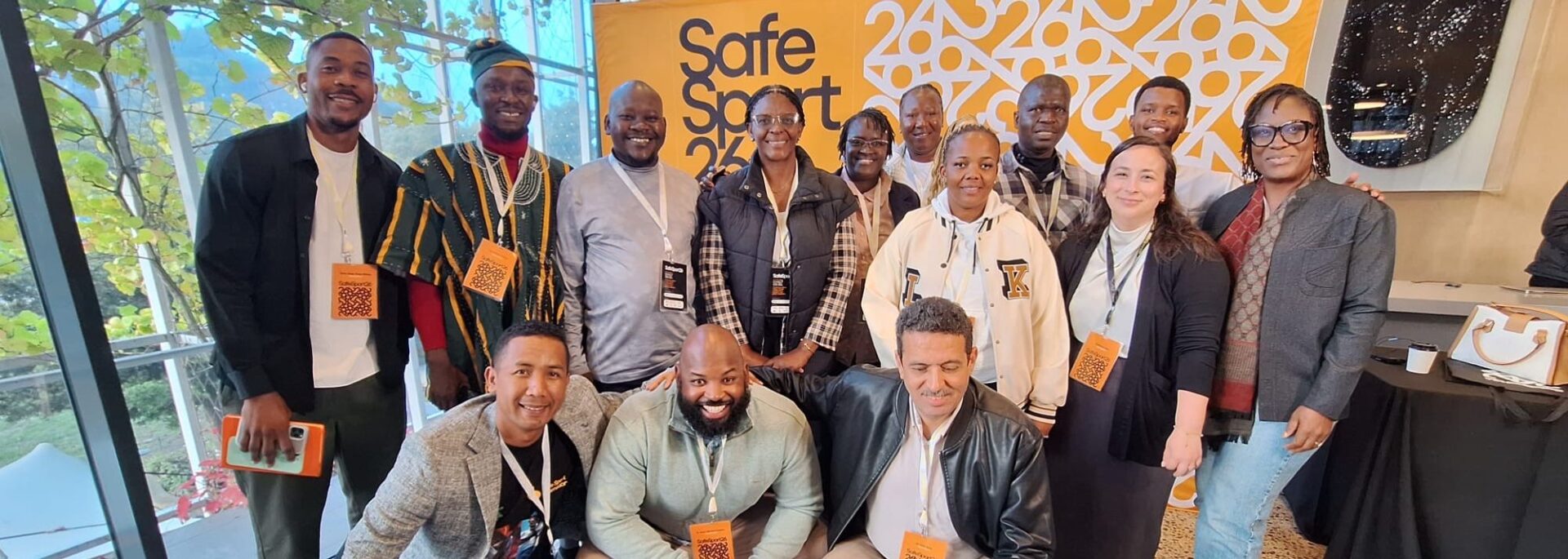
Away from the formal programme, 15 safeguarding leads from African athletics federations met to exchange ideas, discuss challenges and build relationships designed to strengthen athlete protection across the continent. Working alongside World Rugby representatives, delegates forged connections that organisers hope will outlast the conference itself.

Brook believes those relationships could prove invaluable long after delegates returned home.

“The safeguarding officer role can sometimes feel isolating, with few people available for advice,” he said.

“By working together, Rugby and Athletics have created a practical way to provide mutual, on-the-ground support across their networks.”

The importance of collaboration emerged as one of the event’s defining themes.

Neal Andersen, CEO of Safe Sport International, said that at its core “safe sport is the only sport that matters”.

National Athletics Association of Zimbabwe safeguarding officer Tawanda Mutero said the conference demonstrated growing global commitment to athlete safety.

“It emphasised listening to athletes and putting them first. Collaboration was highlighted as key to making sport safer for everyone.”

Athletics Namibia safeguarding officer Victoria Tilovanhu Katukula echoed those sentiments.

“The Safe Sport Conference provided a valuable opportunity for networking with professionals committed to creating safer sporting environments. My takeaway is that safeguarding is everyone’s responsibility and it is not done overnight.”

That message became the conference’s enduring refrain.

Safeguarding is not a sprint to be won in a single season. It is a marathon requiring patience, vigilance and collective effort. Strong policies matter, although culture, education and accountability ultimately determine whether athletes feel protected.

As delegates departed Cape Town, the conference concluded with a call to carry the Safe Sport legacy forward.

The final whistle may have sounded on three days of discussion. The work of protecting athletes, however, continues every day in training grounds, boardrooms, clubhouses and classrooms across the world.

If the conference achieved one thing, it was reinforcing a simple truth. Athlete safety is not the responsibility of a select few. It belongs to everyone who shares the field, the track and the future of sport.

Safeguarding is not a sprint to be won in a single season. It is a marathon requiring patience, vigilance and collective effort. Strong policies matter, although culture, education and accountability ultimately determine whether athletes feel protected.

As delegates departed Cape Town, the conference concluded with a call to carry the Safe Sport legacy forward.

The final whistle may have sounded on three days of discussion, although the real work has only begun.

If the conference achieved one thing, it was reinforcing a simple truth. Athlete safety is not the responsibility of a select few. It belongs to everyone who shares the field, the track and the future of sport.

Stormers coach slams rugby’s held-up and goal-line drop-out law

Adnaan Mohamed

DHL Stormers coach John Dobson believes World Rugby should revisit the law governing held-up situations after his side were denied two tries during their 44-21 United Rugby Championship quarterfinal victory over Cardiff in Cape Town on Saturday.

While the Stormers progressed comfortably to the semifinals after scoring six tries, the result did little to ease Dobson’s frustration with a law he feels unfairly rewards the defending team.

The Stormers have been held up over the tryline more than any other side in the URC this season, with Dobson suggesting it may even have cost them a higher finish on the log and the possibility of hosting a semifinal or final.

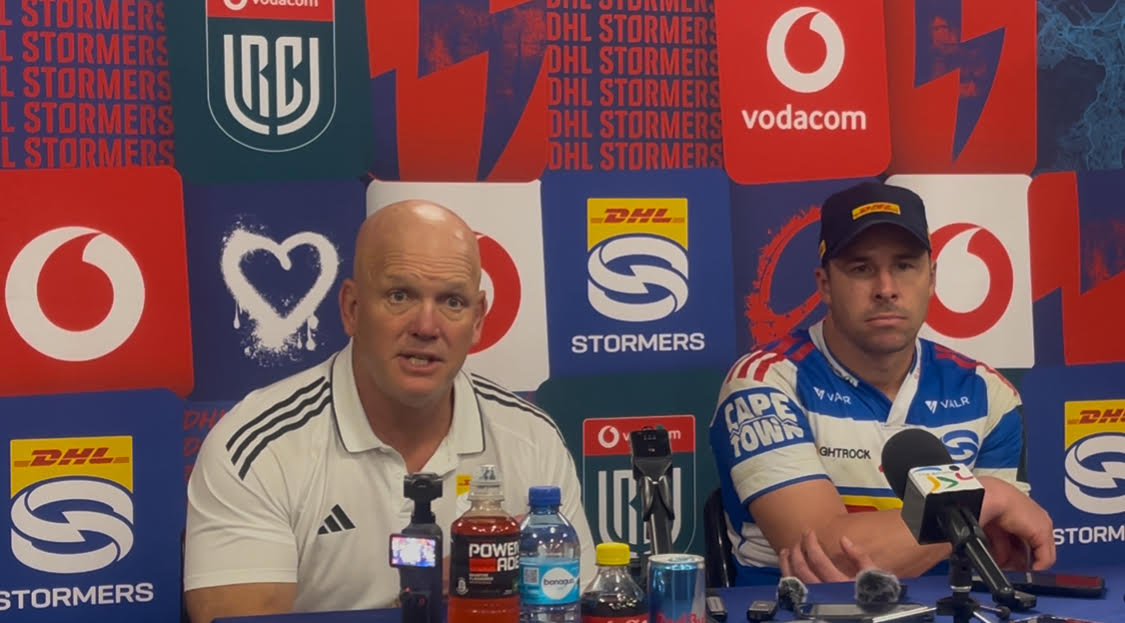
Speaking after the match at DHL Stadium, Dobson described the current law as one of rugby’s biggest anomalies.

“It’s our season. It’s our season. It is,” he said when asked by Modern Athlete how the held-up and goal-line dropout law affected the Stormers thus far in the 2025/26 URC season.

“It’s the worst. It’s one law in rugby that has to change. I’m not saying because it’s against us. I don’t understand this concept. You do so well, and you’re rewarded with receiving the ball back on your ten-yard.

“The old law was much better. Give it a five-metre scrum. You’ve attacked well, five-metre scrum.”

Under current laws, a defending team receives a goal-line dropout when an attacker is held up in-goal. Previously, the attacking side was awarded a five-metre scrum.

Stormers captain Ruan Nel experienced the frustration first-hand after being denied near the line against Cardiff.

“It sucks, actually,” Nel said.

“The arms were pretty there. When I dotted the ball down, I just put it straight on his knees. So I actually felt him at the bottom of the ruck. Well done. Proper effort there. Obviously, it’s very disappointing.”

Nel admitted the missed opportunities were frustrating, though he viewed them as evidence that the Stormers’ attack is consistently creating scoring chances.

“It’s encouraging because you’re obviously getting to the right spaces.

“It’s disappointing, but obviously over the line, just get the flipping thing down. But it’s encouraging at the same time because we are breaking them down, we are getting the reward in terms of position there.”

The experienced back also noted how frequently the issue has affected the Stormers this season.

“It’s funny. I’ve never been a part of a season where we’ve been held up so many times.”

Dobson’s concerns will take on added significance this week as the Stormers prepare for a semifinal against Leinster in Dublin.

The Irish province underlined their title credentials by demolishing the Lions 59-10 in the quarterfinals, running in nine tries in a clinical display at the Aviva Stadium.

If the Stormers are to challenge Leinster on their home turf, they will need to make the most of every scoring opportunity. Against a side renowned for converting pressure into points, being held up over the line and conceding a goal-line dropout could prove a costly setback.

For Dobson, the issue extends beyond the Stormers’ campaign. It is a law he believes fails to adequately reward attacking enterprise, and one he hopes World Rugby will eventually reconsider.

Image: Adnaan Mohamed

Franco Mostert Cleared as Rugby’s Referees Enter Full Circus Mode

Opinion – Adnaan Mohamed

Welcome to another breathtaking episode of Rugby Officials Gone Wild, where referees improvise, TMOs hallucinate, and World Rugby’s disciplinary panels sweep up the mess like long-suffering parents at a children’s birthday party.

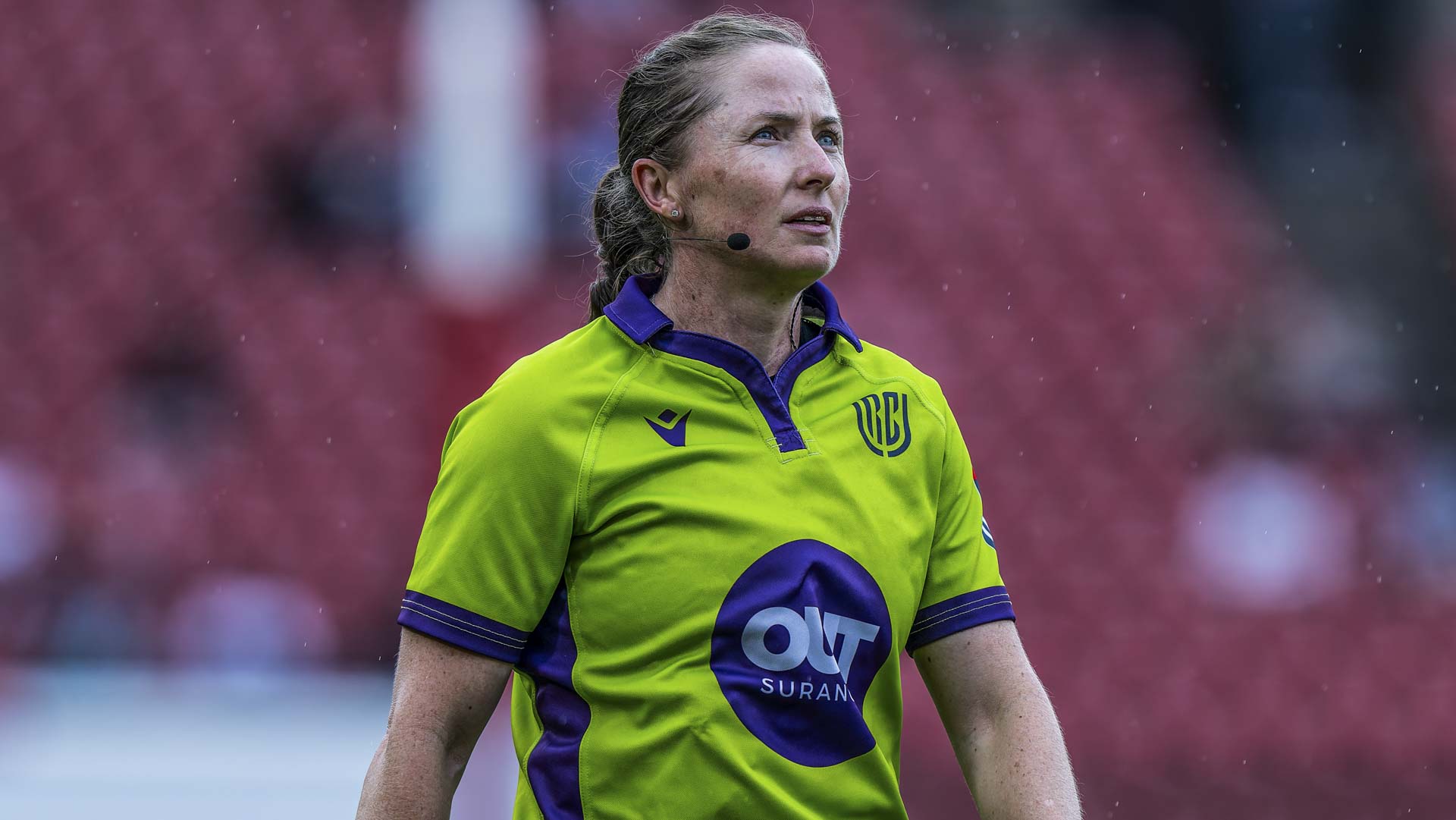
This week’s headliner? Springbok lock Franco Mostert sent off in Turin after referee James Doleman and his French TMO partner squinted at a replay and dramatically declared “clear head contact” and “always illegal”, which we now know was about as accurate as a prop attempting a chip-and-chase.

On Wednesday, actual functioning adults on the disciplinary panel calmly overturned the red card, downgrading it to a yellow and effectively telling the match officials:

“You were wrong. Spectacularly wrong. Please stop embarrassing yourselves at this altitude.”

But wait, the chaos gets better. Not only was Mostert’s dismissal wrong, but Harry Hockings’ red card was ALSO declared incorrect by a separate independent panel.

That’s right: two red cards, two panels, zero functioning officiating moments. Rugby’s governance is starting to feel like a group project where one guy does the work and the rest just show up with snacks.

And Rassie Erasmus? Eddie Jones? Oh, they were THRILLED.
Both stormed into their press conferences like two coaches who’d just watched their debit orders bounce. Steam, fire, smoke signals, everything short of interpretive dance.

Meanwhile, the bunker review system, the expensive technological safety net installed specifically to stop this exact variety of nonsense, was NOT USED.
Not consulted.
Not even glanced at.
They left it sitting there like a lonely gym bike in January.

Instead, Doleman and his TMO opted for the “wing it and pray” method: a bold, innovative approach with a near-perfect failure rate.

The ruling now exposes rugby’s head-contact framework as a full-blown Picasso painting: abstract, confusing, and open to interpretation by anyone with enough confidence and a whistle.

One weekend a player gets red for breathing too aggressively; the next weekend someone performs a WWE finishing move and walks away with a warning.

And through it all, the Springboks just keep winning, like a team powered entirely by spite and trauma.

Two weekends.
Two red cards for the No. 5 jersey.
Two matches with 14 men for ridiculous lengths of time.
Two victories.

France? Beaten with 40+ minutes a man down.
Italy? Smashed with 65+ minutes one man short, AND fielding fringe players.
The message?
“Give us 14, give them 15 – see who cries first.”

Now South Africans are coping the only way they know how:
By laughing at the officiating until it cries back.

With Mostert cleared, he’s available for the showdown in Dublin, a place where the Boks haven’t won since the world last took Blackberry phones seriously.

The last time the Boks were on the winning side in Ireland was 13 years go. The Irish have won four of the last five against South Africa, including that World Cup group-stage arm wrestle in 2023.

The Boks name their team Thursday. And if fate has a sense of humour, the referee will keep his red card in his pocket this weekend, or at least try to.

But with the way things are going in rugby’s officiating universe, expect anything: a red card for tying your boots too slowly; a yellow for “intent to run upright”; a penalty for existing in the wrong postcode.

Sit tight.
The circus continues.
And the clowns, unfortunately, are still in charge.