


Africa leads Global Safe Sport Conversation in Cape Town

By Adnaan Mohamed

The race to make sport safer is gathering pace, and in Cape Town the baton was firmly placed in African hands.

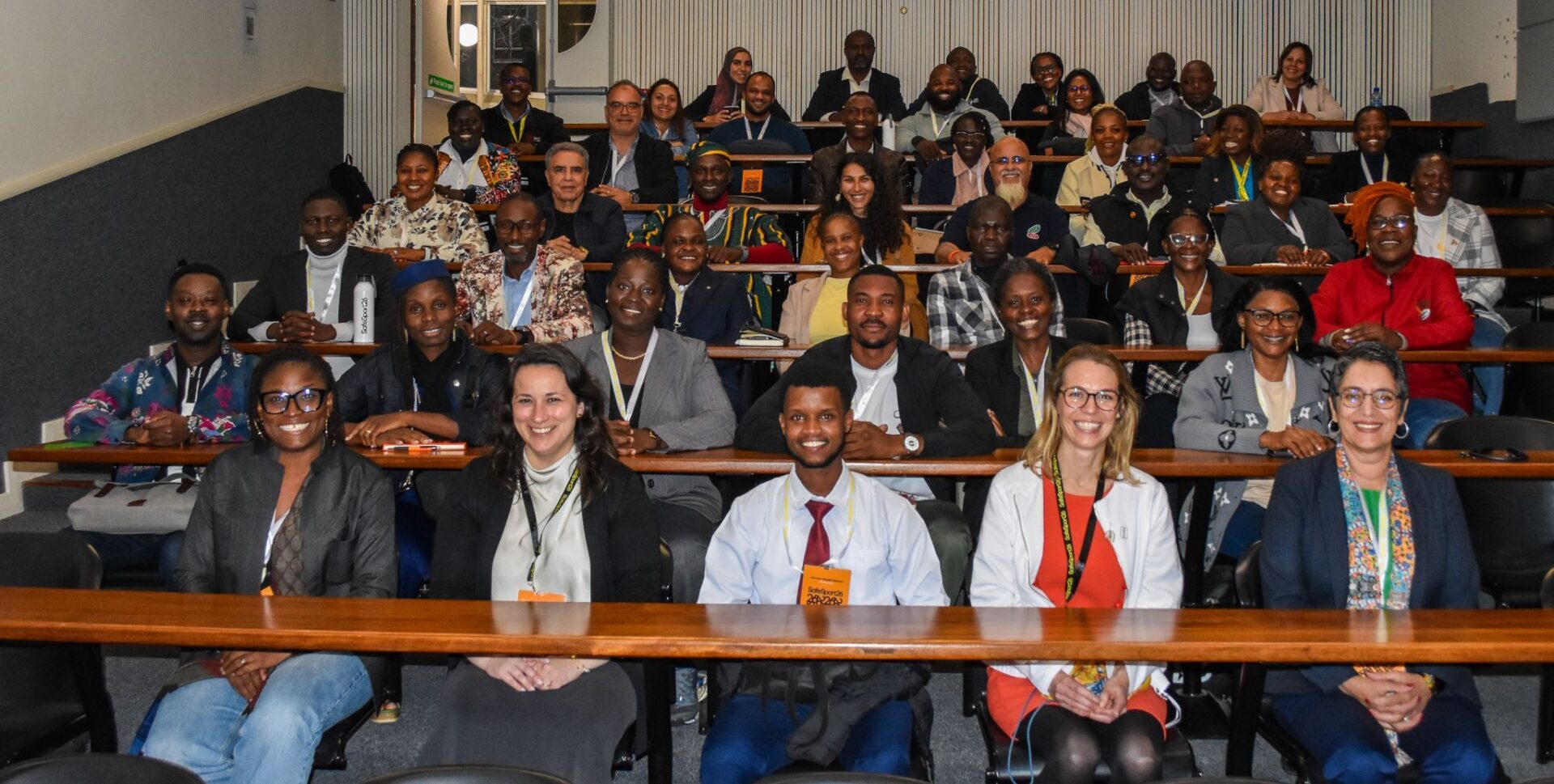
More than 400 delegates from around the world converged on the University of Cape Town for the Safe Sport Global Conference, where World Athletics and World Rugby joined forces to strengthen safeguarding systems and elevate athlete welfare across the continent and beyond.

Held from 25 to 27 May and opening on Africa Day, the conference brought together researchers, policymakers, administrators and safeguarding practitioners in a shared pursuit of a sporting environment where athletes can thrive free from abuse, exploitation and harm.

At the heart of the gathering was a message that resonated through lecture halls and panel discussions alike.

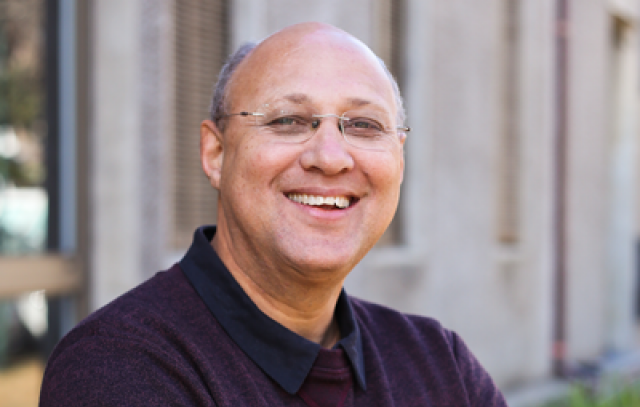
“Safer sport is not built by one discipline, one organisation or one country alone. It depends on shared responsibility, deeper understanding, and stronger systems,” said Associate Professor David Maralack, Head of Department at the School of Management Studies at UCT.

In many ways, the conference embodied that philosophy.

Like teammates linking arms in a defensive line or runners working together through a punishing headwind, World Athletics and World Rugby used the event to create new partnerships, share expertise and strengthen safeguarding networks throughout Africa.

Maralack also highlighted the significance of hosting the conference on African soil.

Hosting the conference at UCT placed African scholarship and lived experience at the forefront of this important dialogue, challenging the historical dominance of perspectives shaped elsewhere.”

For years, safeguarding conversations have often been driven by frameworks developed in Europe and North America. In Cape Town, African experiences moved from the margins to the centre of the field.
The collaboration between athletics and rugby was far more than a symbolic handshake. It reflected a growing recognition that safeguarding challenges are shared across sports and that solutions are often stronger when organisations work side by side.

“The Safe Sport 2026 Conference came at an opportune time for World Rugby/Africa Rugby and World Athletics/African Athletics, as both sports are establishing safeguarding focal points across their African member unions and associations,” said Global Safe Sport Conference Coordinator Norman Brook.

“Both organisations participated in the conference and hosted related side events, including a joint session where rugby and athletics safeguarding officers explored ways to build regional and national support networks.”

The three-day programme examined how safeguarding commitments can be transformed from policy documents into everyday practice. Research presentations, workshops, stakeholder dialogues and keynote sessions tackled topics ranging from athlete welfare and leadership accountability to international cooperation and policy implementation.

World Athletics and the Athletics Integrity Unit contributed expertise through discussions on continental safeguarding networks, trauma-informed case management and the relationship between integrity and athlete protection.

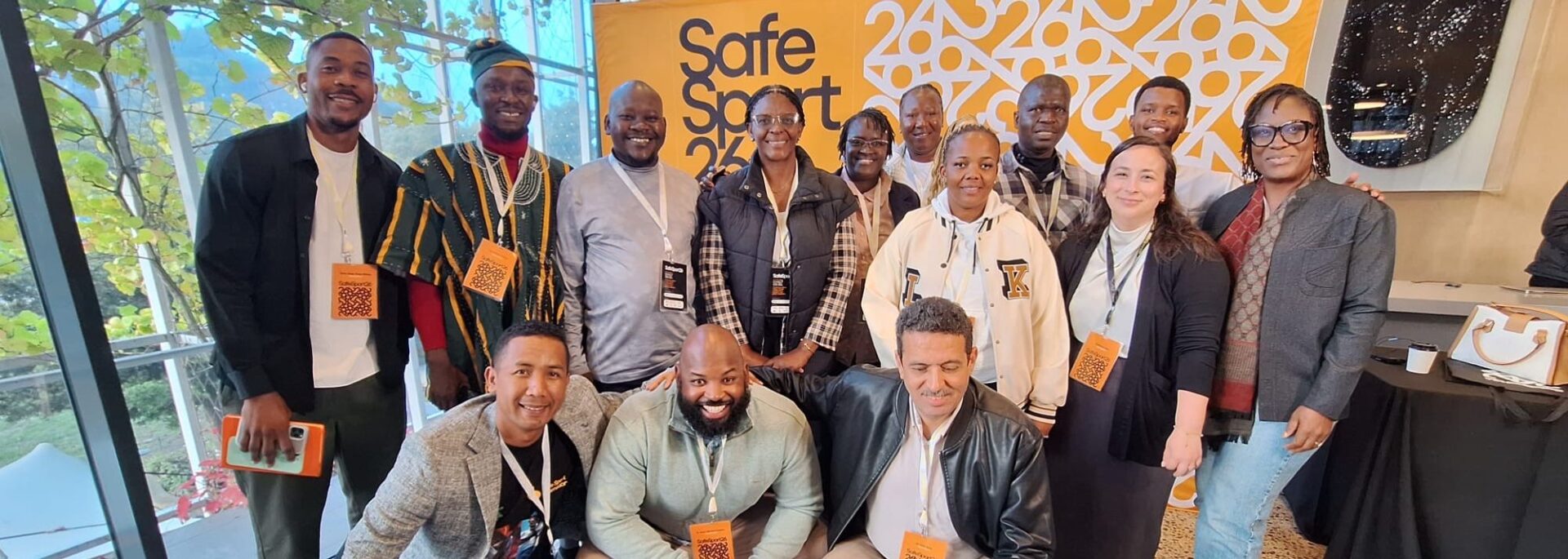
Away from the formal programme, 15 safeguarding leads from African athletics federations met to exchange ideas, discuss challenges and build relationships designed to strengthen athlete protection across the continent. Working alongside World Rugby representatives, delegates forged connections that organisers hope will outlast the conference itself.

Brook believes those relationships could prove invaluable long after delegates returned home.

“The safeguarding officer role can sometimes feel isolating, with few people available for advice,” he said.

“By working together, Rugby and Athletics have created a practical way to provide mutual, on-the-ground support across their networks.”

The importance of collaboration emerged as one of the event’s defining themes.

Neal Andersen, CEO of Safe Sport International, said that at its core “safe sport is the only sport that matters”.

National Athletics Association of Zimbabwe safeguarding officer Tawanda Mutero said the conference demonstrated growing global commitment to athlete safety.

“It emphasised listening to athletes and putting them first. Collaboration was highlighted as key to making sport safer for everyone.”

Athletics Namibia safeguarding officer Victoria Tilovanhu Katukula echoed those sentiments.

“The Safe Sport Conference provided a valuable opportunity for networking with professionals committed to creating safer sporting environments. My takeaway is that safeguarding is everyone’s responsibility and it is not done overnight.”

That message became the conference’s enduring refrain.
Safeguarding is not a sprint to be won in a single season. It is a marathon requiring patience, vigilance and collective effort. Strong policies matter, although culture, education and accountability ultimately determine whether athletes feel protected.

As delegates departed Cape Town, the conference concluded with a call to carry the Safe Sport legacy forward.

The final whistle may have sounded on three days of discussion. The work of protecting athletes, however, continues every day in training grounds, boardrooms, clubhouses and classrooms across the world.

If the conference achieved one thing, it was reinforcing a simple truth. Athlete safety is not the responsibility of a select few. It belongs to everyone who shares the field, the track and the future of sport.
Safeguarding is not a sprint to be won in a single season. It is a marathon requiring patience, vigilance and collective effort. Strong policies matter, although culture, education and accountability ultimately determine whether athletes feel protected.

As delegates departed Cape Town, the conference concluded with a call to carry the Safe Sport legacy forward.

The final whistle may have sounded on three days of discussion, although the real work has only begun.

If the conference achieved one thing, it was reinforcing a simple truth. Athlete safety is not the responsibility of a select few. It belongs to everyone who shares the field, the track and the future of sport.
Successful appeal hands SA sprint relay team chance to qualify for final

The South African men’s 4x100m relay team was thrown a dramatic lifeline late on Saturday night at the World Athletics Championships in Tokyo. That’s after a successful appeal for being impeded in their heat earlier in the evening. By Karien Jonckheere

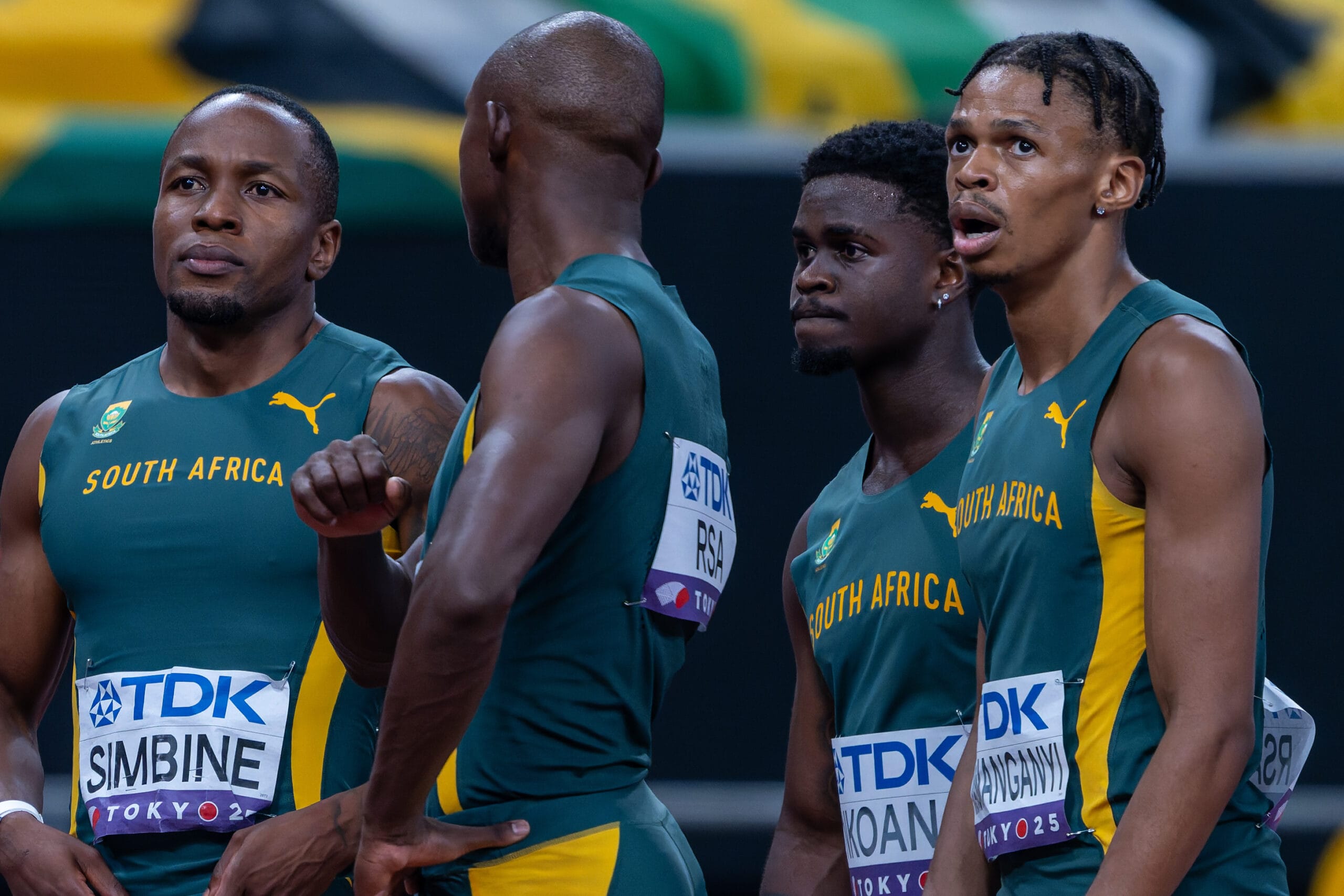
First-leg runner Shaun Maswanganyi was bumped out of position by Italy’s 2020 Olympic champion Marcell Jacobs at the crucial first baton changeover, leaving Team SA’s hopes in tatters as they couldn’t finish the race. But the successful appeal has reopened the door. The sprinters will line up again in a timed relay on Sunday morning at 10.33am local time with one last shot to snatch a place in the final.

According to a World Athletics update: “If the South African team runs 38.34 or better (the 8th placed time qualified for the final) they will become the 9th team in the final and will run in lane 1. This will not affect the 8 teams already qualified.”

It means the same quartet of Maswanganyi, Sinesipho Dambile, Bradley Nkoana and Akani Simbine must regroup overnight and summon their very best, once more from the same lane six.

Meanwhile, Jo-Ané du Plessis finished just off the podium in fourth place in the women’s javelin final after a best effort of 63.06m. She admitted afterwards that the prospect of the final had seemed a daunting one after qualifying in a lowly 10th spot on Friday.

“When I woke up this morning, I was feeling like David against Goliath, so I’m happy. It’s not a medal but for me it’s like a gold medal, just showing up and still doing my best,” she said.

There were mixed fortunes for SA’s other relay teams in action on Saturday. The men’s 4x400m quartet of Gardeo Isaacs, Udeme Okon, Leendert Koekemoer and Lythe Pillay sailed to victory in their heat in convincing fashion, crossing the line in 2 minutes 58.81 seconds.

“My team did the job for me. I wanted to finish strong,” said Lythe, who ran the anchor leg. “I’ve felt what it’s like when you relax too much when you’re in the lead so I thought let me just go and whoever wants to catch me must fight to catch me.

“Our team is strong, we’re healthy, we’re hungry and we’re ready for the final tomorrow.”

The women’s 4x400m team of Shirley Nehkubui, Marlie Viljoen, Hannah van Niekerk and Zenéy van der Walt finished seventh in their heat in 3:28.14 and did not advance. 

Earlier on Saturday, Wayne Snyman was relieved to cross the line in the 20km race walk, but his 43rd-place finish in 1 hour 30.12 seconds was far from his target. The 40-year-old schoolteacher, who has retired and returned to the sport more than once, faced a difficult road to these championships – and an even harder race on the day.

“I started terribly. The first 9km was incredibly hard, I couldn’t breathe at all. I had to stop to vomit twice,” he admitted afterwards. “And I think after about nine and a half or 10, I actually started to get comfortable. Then I actually started racing, but then in a 20km, it’s far too late but I just couldn’t stop, I had to finish.”

South Africa also endured disappointment in the field events, with none of the three shot putters – Miné de Klerk (24th), Ashley Erasmus (30th) and Colette Uys (32nd) – advancing past qualification. Victor Hogan also missed out in the discus after managing 61.51m to place 24th overall.

Wayde & Sinesipho sail into 200m semis as Tshepo savours first world champs final

Both Wayde van Niekerk and Sinesipho Dambile booked their places in the 200m semifinals in Tokyo on Wednesday, while Tsepho Tshite finished ninth in his first-ever World Championship final. By Karien Jonckheere

The 1500m national record holder was delighted to be promoted to the final following Cole Hocker’s semifinal disqualification. And although Tshepo admitted he was unhappy with his early positioning, he relished the chance to line up again, going on to finish ninth in 3 minutes 35.50.

“This is a great booster because now I can believe that it’s possible for me to compete with these guys… The way I ran the heats and semis it shows that I’m on a level with them,” he said afterwards.

Earlier in the evening, Wayde had eased through his 200m heat, looking relaxed as he crossed the line in second place in 20.19 seconds. 

“It was comfortable. But I think there was a lot of rust that needed to come off today as well, so I think it was a strong start to the race and then just trying to see it through,” said the 400m world record holder who is only contesting the shorter sprint at these championships. 

“I think I’m really just trying to soak in the moment and just going off everything day by day and today was a positive one so regroup and get ready for tomorrow.”

After a nerve-racking start after narrowly avoiding disqualification for twitching in his blocks, Sinesipho booked his spot in the semifinals after finishing third in his heat in 20.27 seconds.

“I was calm because I knew it wasn’t a false start, I knew I didn’t move [my feet],” he explained.

“I think through the rounds I get better… I know I’m in great shape, so in the semifinal I’ve got to make sure that I unleash everything.”

Meanwhile, Zenéy van der Walt finished seventh in her 400m hurdles semifinal in a time she wasn’t pleased with after bumping into the athlete next to her twice during the race.

 “I’m not that happy [with the time], but I’m still blessed that I could represent South Africa in the semifinals at the world champs,” she said.

There was more disappointment for Team SA’s field athletes, with Douw Smit’s effort of 81.23m in javelin qualification not enough to see him through to the final.

Zakithi coasts into 400m final to keep SA world champs medal hopes alive 

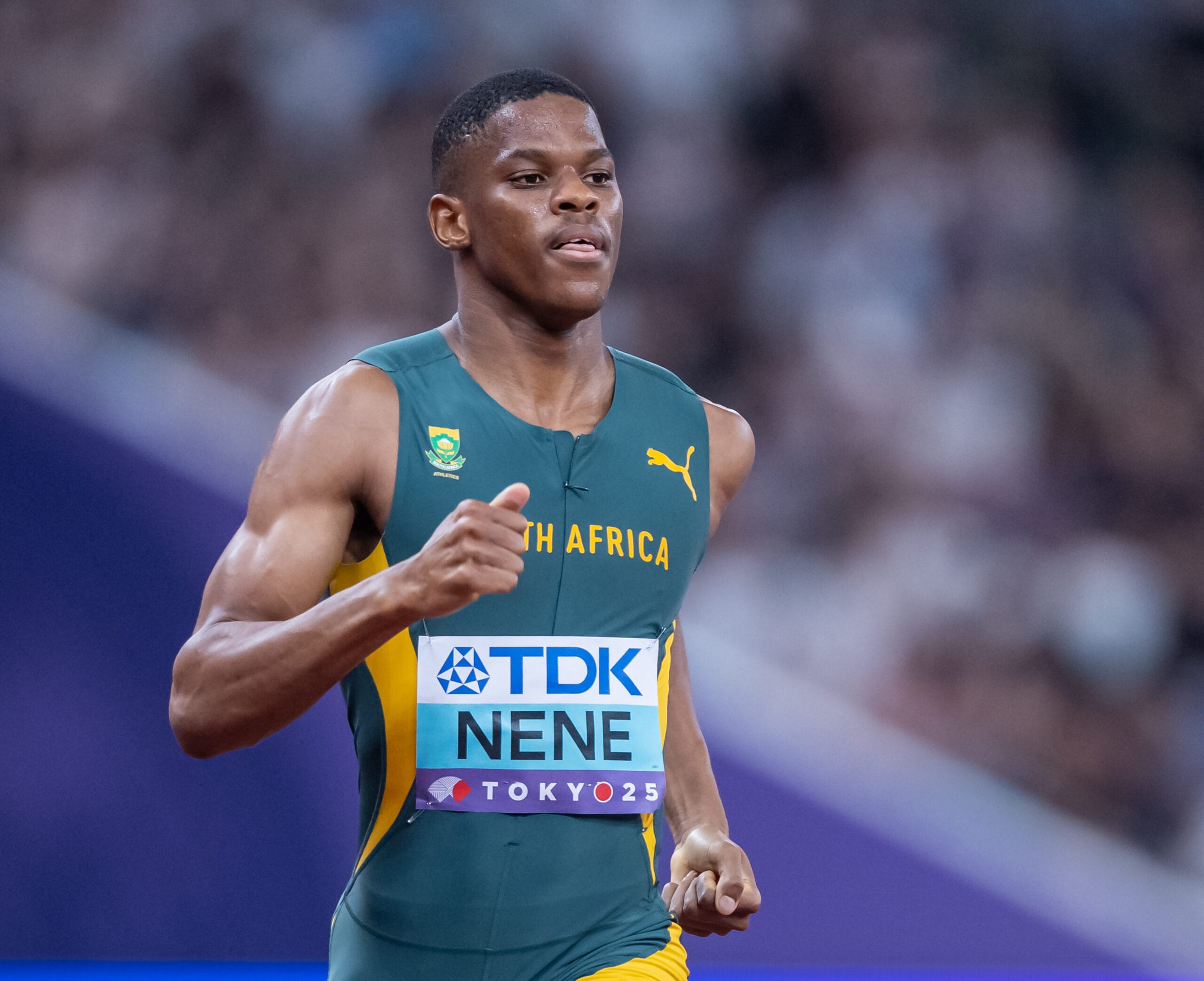
Zakithi Nene kept his medal quest very much on track by coasting through to the 400m final at the World Athletics Championships in Tokyo on Tuesday. By Karien Jonckheere

The KZN star looked to be in complete control as he claimed victory in his semifinal in a time of 44.20 seconds. 

In an ominous warning to his rivals, the 27-year-old reckoned afterwards: “I felt good, I think this is the best my body has felt all season. I managed that race pretty well, very comfortable, did what I needed to do, and that’s what I’m happy about. 

“My coach believes it’s very difficult to beat a confident athlete and that’s what I am right now. My confidence is at an all-time high.”

As for what the plan is between now and the final on Thursday evening (3.10pm SA time), he added: “It’s all about recovery, getting myself prepped for that final. I’ve just been saving myself and saving myself as much as I can, and we survive and advance.”

Zakithi headed to Tokyo with the fastest 400m time in the world this year – the 43.76 seconds he ran in Nairobi in May. But that mantle was taken off him in the second semifinal in Tokyo as Botswana’s Busang Collen Kebinatshipi claimed victory in a sizzling 43.61 seconds.

The third semifinal was won by another athlete from Botswana, Bayapo Ndori, in 44.21 seconds, with his compatriot Lee Bhekempilo Eppie also making it to the final, meaning half the field hails from Southern Africa.

Meanwhile, Lythe Pillay was the only other South African in action at the world champs on Tuesday. He finished sixth in his semifinal in 44.82 seconds, so missing out on Thursday’s final. Even before the race, he had set his sights on the part he needs to play in the 4x400m relay. 

“My coach and physio were a bit angry at me for saying it, but for me, I was looking at the semi as a nice prep run for the relay,” he admitted afterwards.

“I went out, I gave it guts and glory. It didn’t pay out this time for the final, but at least I know I’m consistent, the body’s there, things are clicking, so come the relay, I’m really far more confident that I can contribute towards my team.” 

SA sprint duo make 100m history, but medals prove elusive in Tokyo final

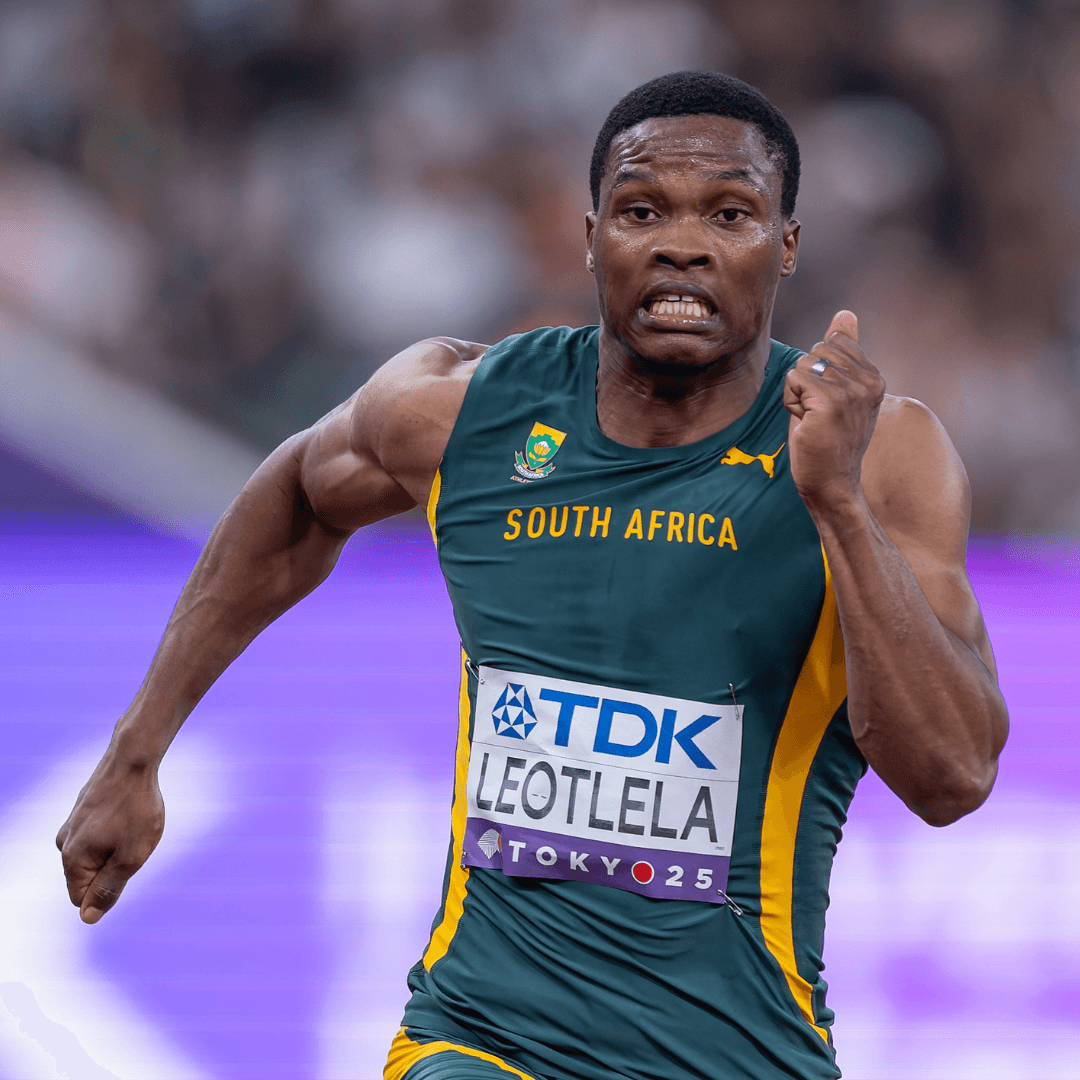
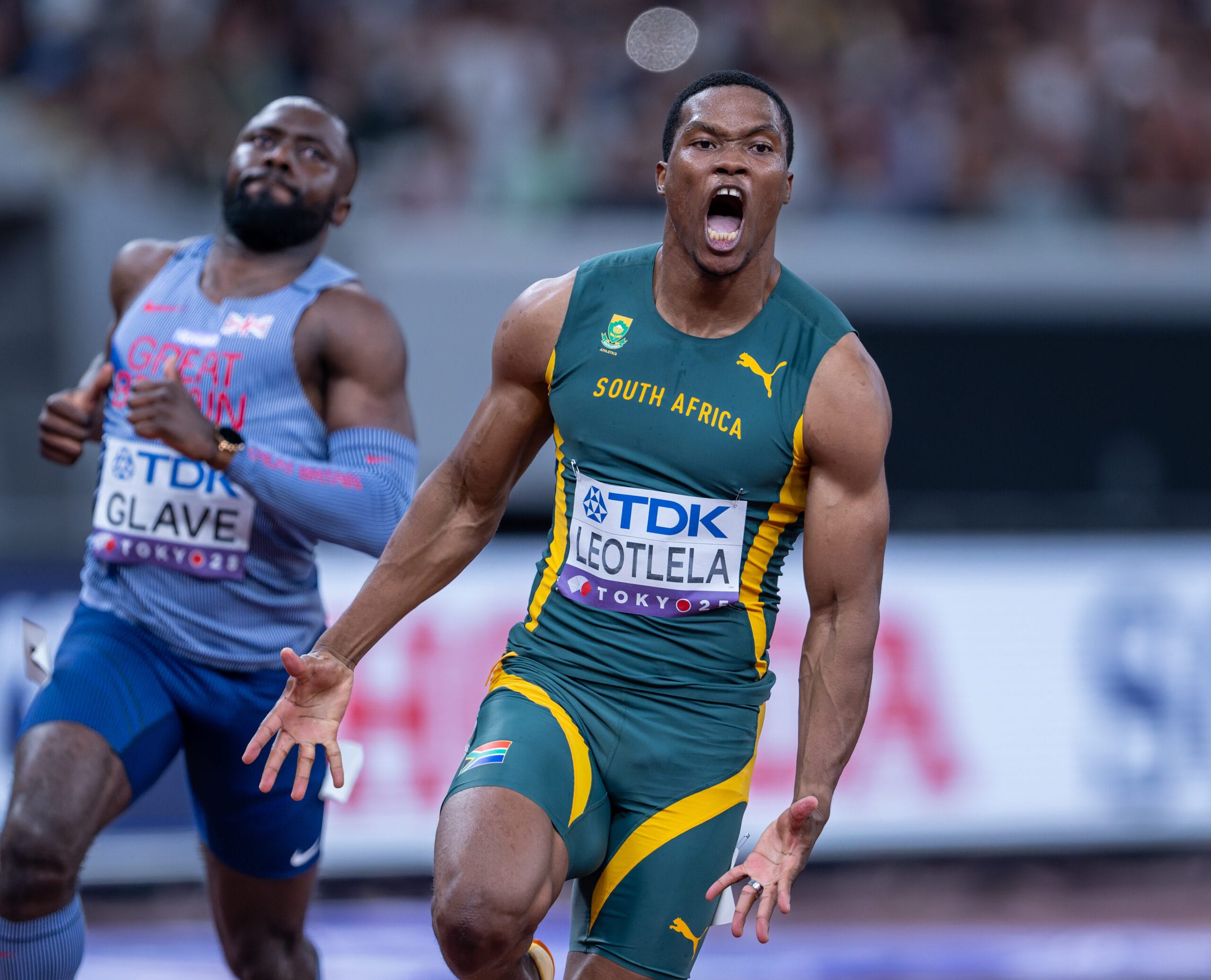
Akani Simbine and Gift Leotlela ensured South Africa had two representatives in the 100m final for the first time in World Athletics Championships history in Tokyo on Sunday. But a medal was not to be for the duo, with Leotlela finishing fifth in 9.95 seconds and Simbine seventh in 10.04. By Karien Jonckheere

After a false start from Botswana’s Letsile Tebogo, who was then disqualified, it was Jamaica’s Oblique Seville who outgunned the pack to take gold in a speedy 9.77 seconds, with his compatriot Kishane Thompson second in 9.82 and defending world champion and Olympic gold medallist Noah Lyles settling for bronze in 9.89 seconds.

Speaking afterwards, Simbine explained he had suffered cramp at the beginning of the race – something he wasn’t able to overcome to perform at his best.

“I cramped up a bit at the start and just couldn’t recover from that,” he said. “We’re just going to reassess how the body is and hopefully I’m good to go for the [4x100m] relay.”

Unlike Simbine, who has now featured in seven major championship finals, Leotlela was competing in his first after an impressive two days, which included running a blistering 9.87 seconds in the heats.

“It was amazing, I don’t want to lie, starting from last night, and I got a lot of confidence from the heats… I ran three sub-10s in two days, so I’ll take that as a big win.”

Adriaan Wildschutt finished in 10th spot in the 10,000m final earlier in the evening after losing touch with the leaders with just under a lap to go. He finished in 28 minutes 59.47 seconds, with the gold going to Frenchman Jimmy Gressier in 28:55.77 seconds.

“I just had to stay connected and conserve as much energy as possible and see how hard I could close. I didn’t quite have it towards the end, but I was there with 300m to go and I’m pretty proud of that,” said Wildschutt.

Earlier in the evening, both Zakithi Nene and Lythe Pillay eased through their respective heats to book places in the 400m semifinals. Current world leader Nene won his heat in 44.34 seconds with Pillay second in his heat in 44.73.

“Not a lot of athletes can say they’ve gone into world championships as world leader and that’s an achievement on its own that one should be proud of. So I’m wearing my bib with pride, I’ve got a target on my back, but I’m ready to defend it,” he said of the special blue numbers reserved for those who have run the fastest times of the year in each event. 

The other South Africans to impress on Sunday were Marioné Fourie, who finished second in her 100m hurdles heat in 12.86 seconds to book a spot in Monday’s semifinals, while Tshepo Tshite finished sixth in his 1500m heat in 3:36.36 to also progress to the next round.

Gift blazes to personal best as Team SA set relay record in Tokyo

Gift Leotlela got South Africa’s campaign at the World Athletics Championships in Tokyo off to a speedy start on Saturday, blazing to a new personal best time in the 100m heats and booking a place in Sunday’s semifinal. By Karien Jonckheere

The 27-year-old has struggled with injury throughout his career, and even in the buildup to these championships, struggled with a tendon issue behind his knee. But there was no sign of that as he tore down the Tokyo track, finishing in 9.87 seconds to record the fastest time of the night – something he admitted afterwards, he wasn’t specifically targeting.

“I was just focused on executing my race and focusing on myself, and it came so I was really happy with that,” said Gift afterwards.

“It felt really good. I haven’t been putting my races together this season, so I actually put it together and everything clicked, the body was feeling good, and it was really a good run.”

Also comfortably through to the semifinals was a confident-looking Akani Simbine, who won the final heat of the night in 10.02 seconds.

“Very comfortable, very controlled. I think today was just about getting into the stadium and feeling the energy, and also controlling the race and controlling the pace of the race,” said Akani. “I think that was the whole plan – not spending too much energy today so that tomorrow I have a full tank to go into the semifinals and the final.”

Earlier in the day, the South African quartet of Gardeo Isaacs, Miranda Coetzee, Leendert Koekemoer and Zenéy van der Walt combined to set a new national and continental record in the 4x400m mixed relay. They finished third in their heat in 3 minutes 11.16 seconds to not only set the new mark, but also book a place in the final later in the evening.

“We were very happy. Our main goal was just to get into that final and running an area record is just a bonus,” said Zenéy afterwards. Speaking about his impressive leg of 44.14 seconds, 18-year-old Leendert added: “I basically just stuck to my race. I ran my own race, didn’t focus on other people and then when I executed what my style fits, it all worked out at the end.”

Just one race later, the Kenyan team eclipsed the new record in their heat, but the time didn’t stand as they were disqualified for a lane infringement.

Later in the final, Coetzee was replaced by Shirley Nekhubui in the SA team, who finished in sixth spot in a time of 3:11.89 while the United States took the gold in a championship record of 3:08.80.