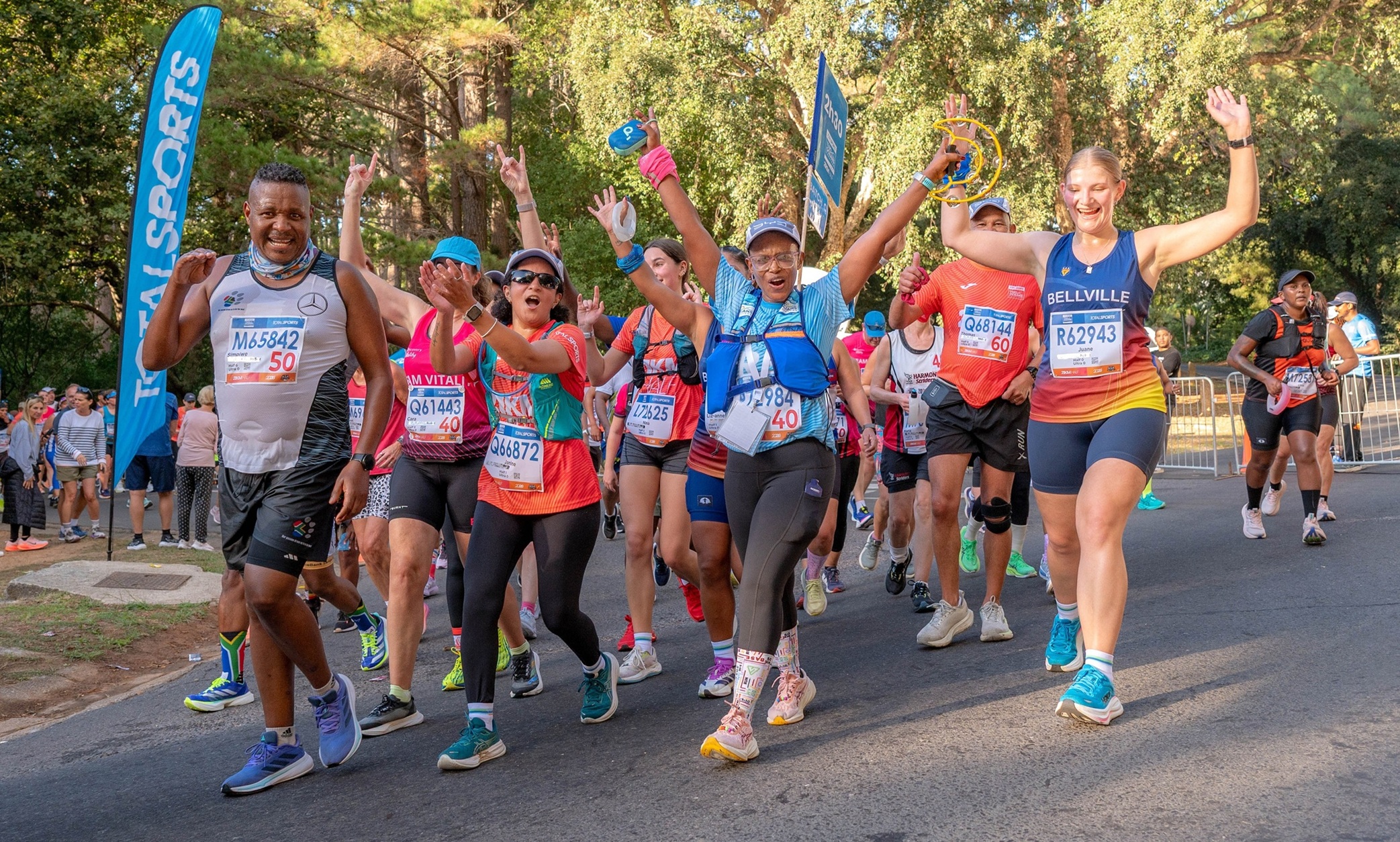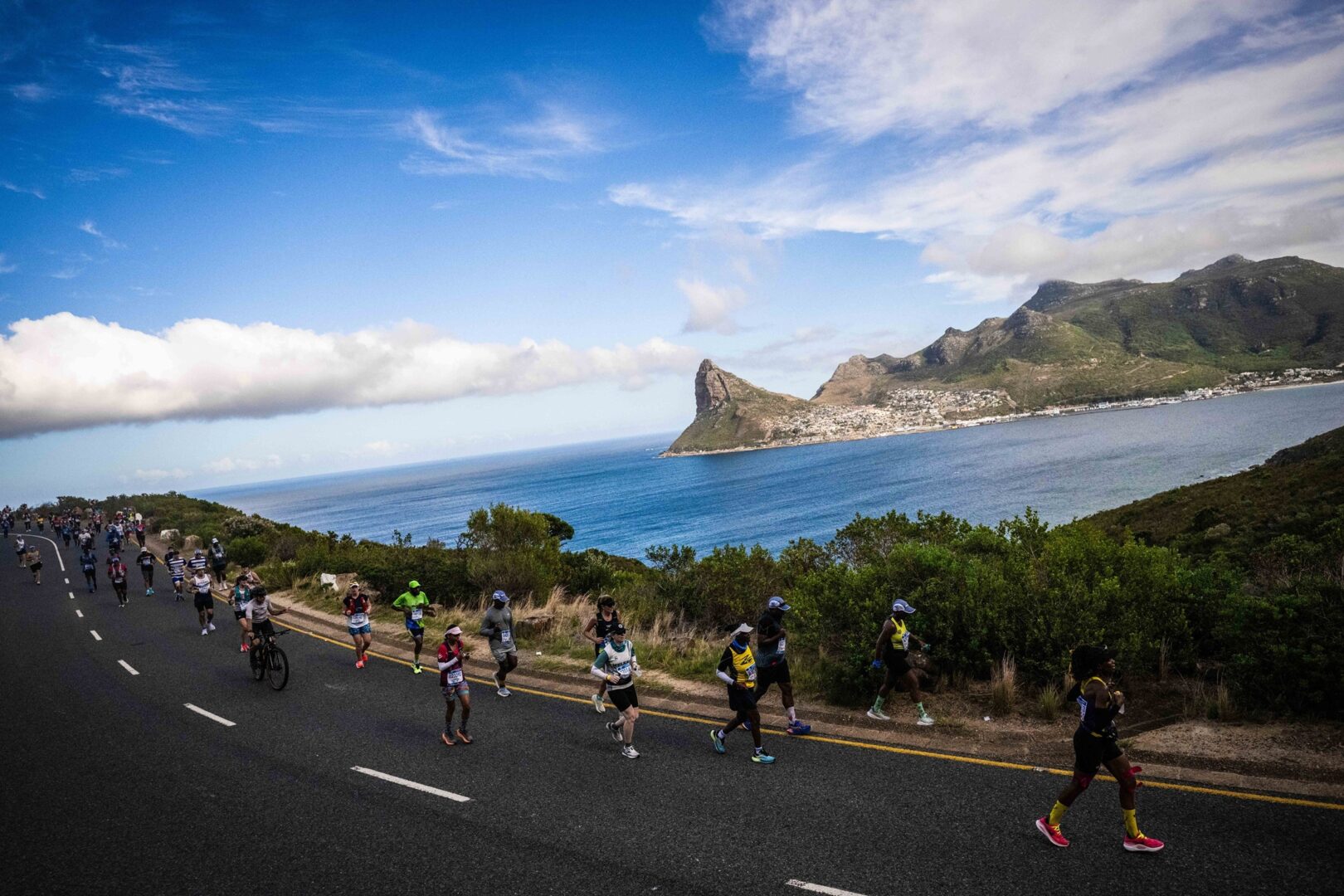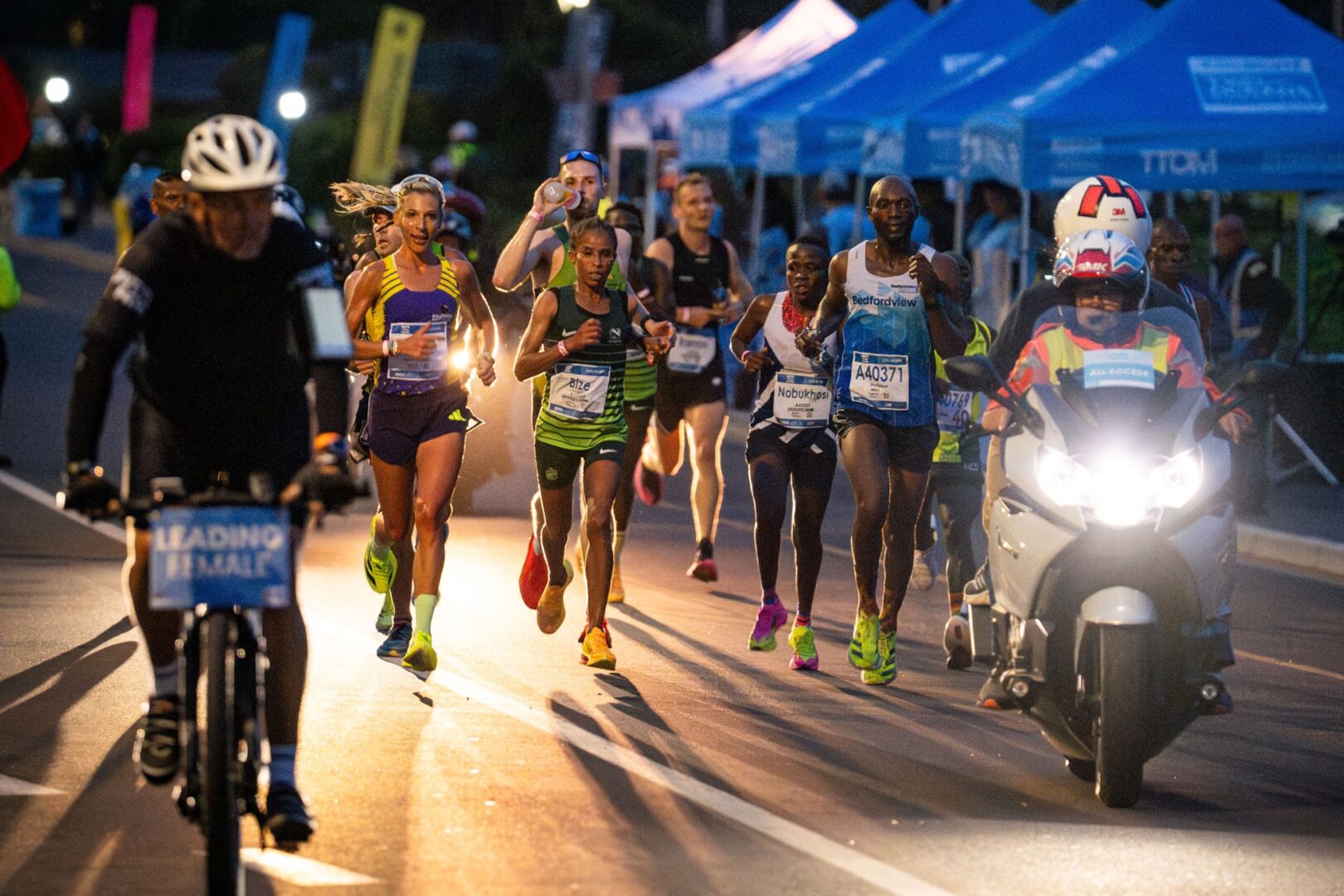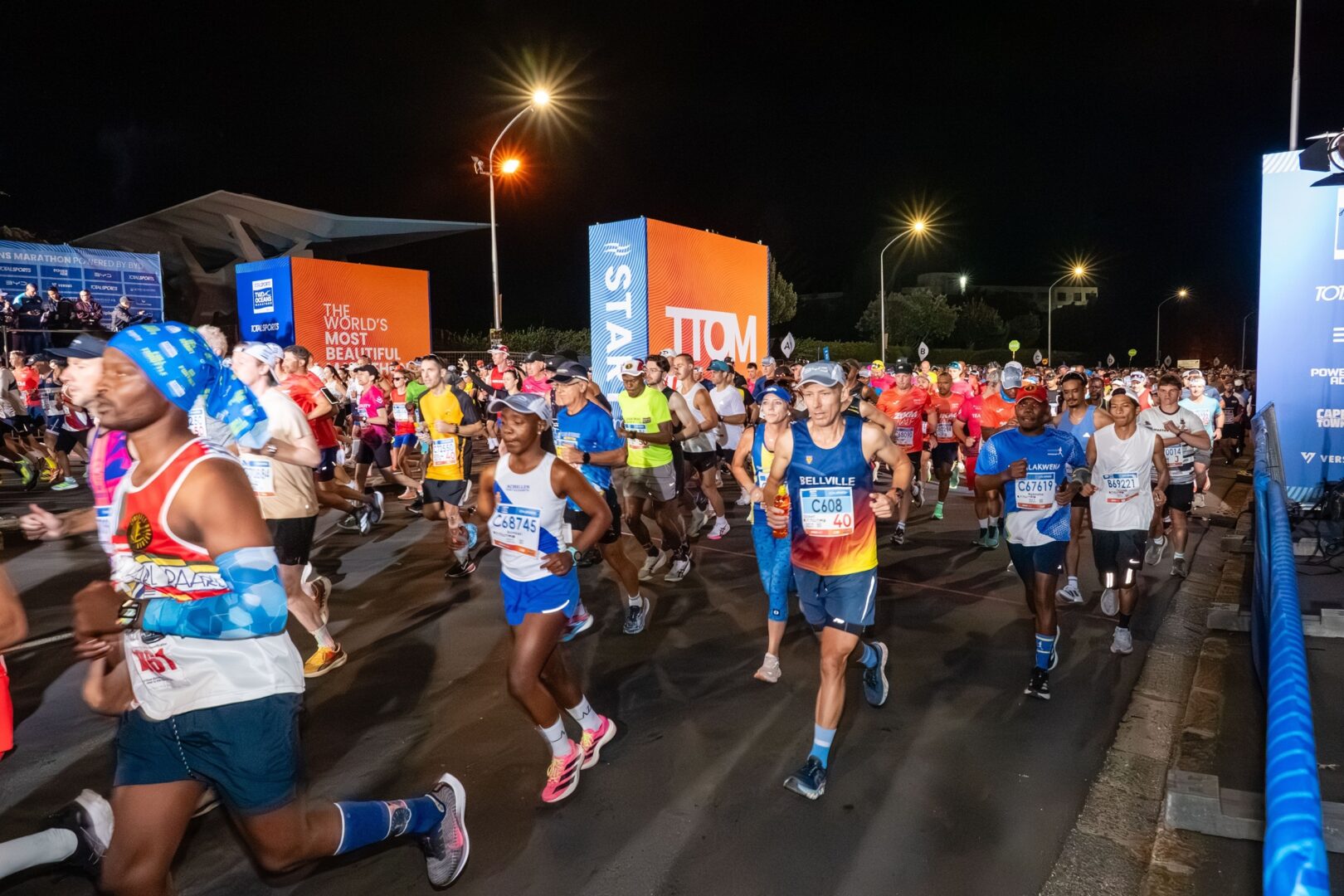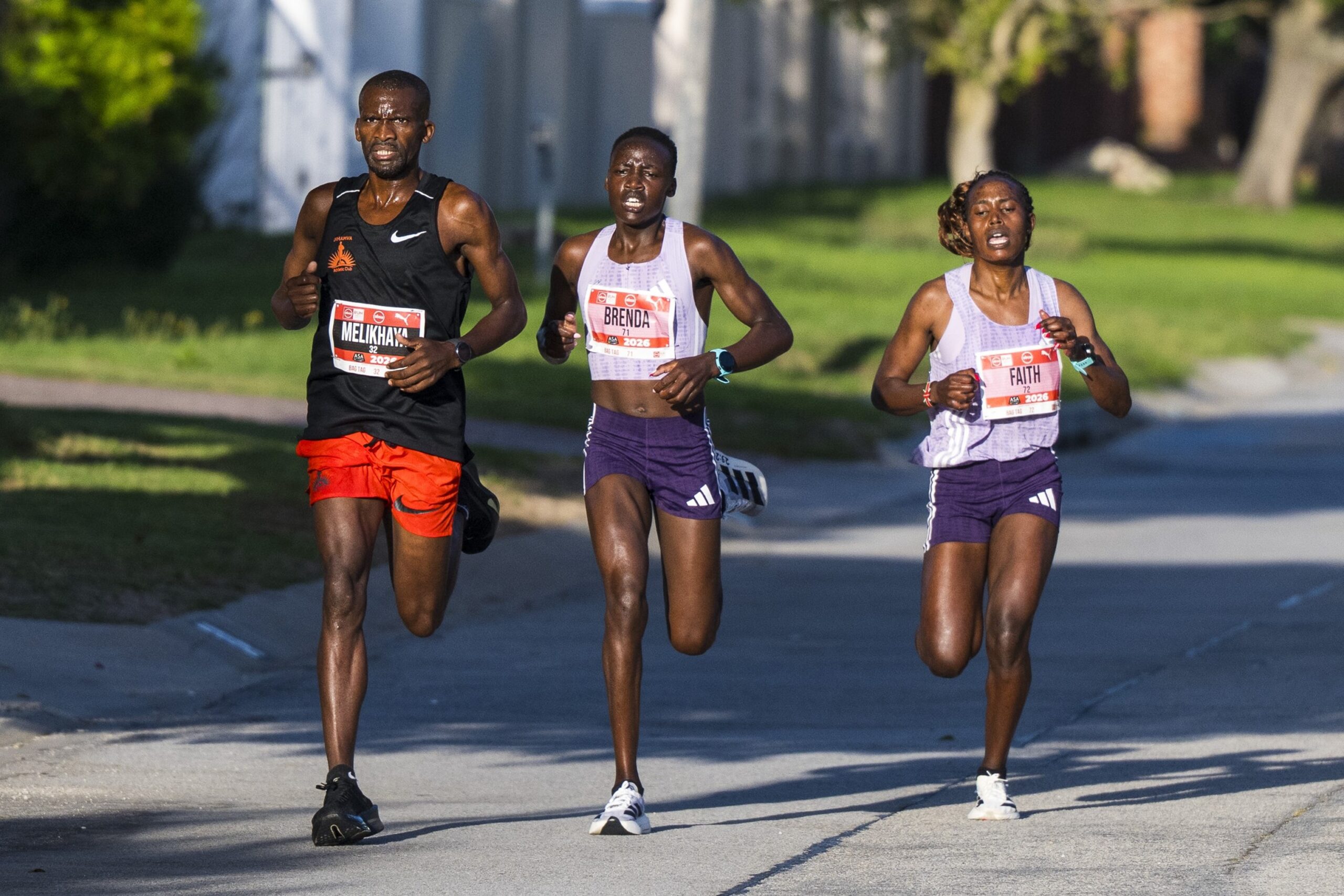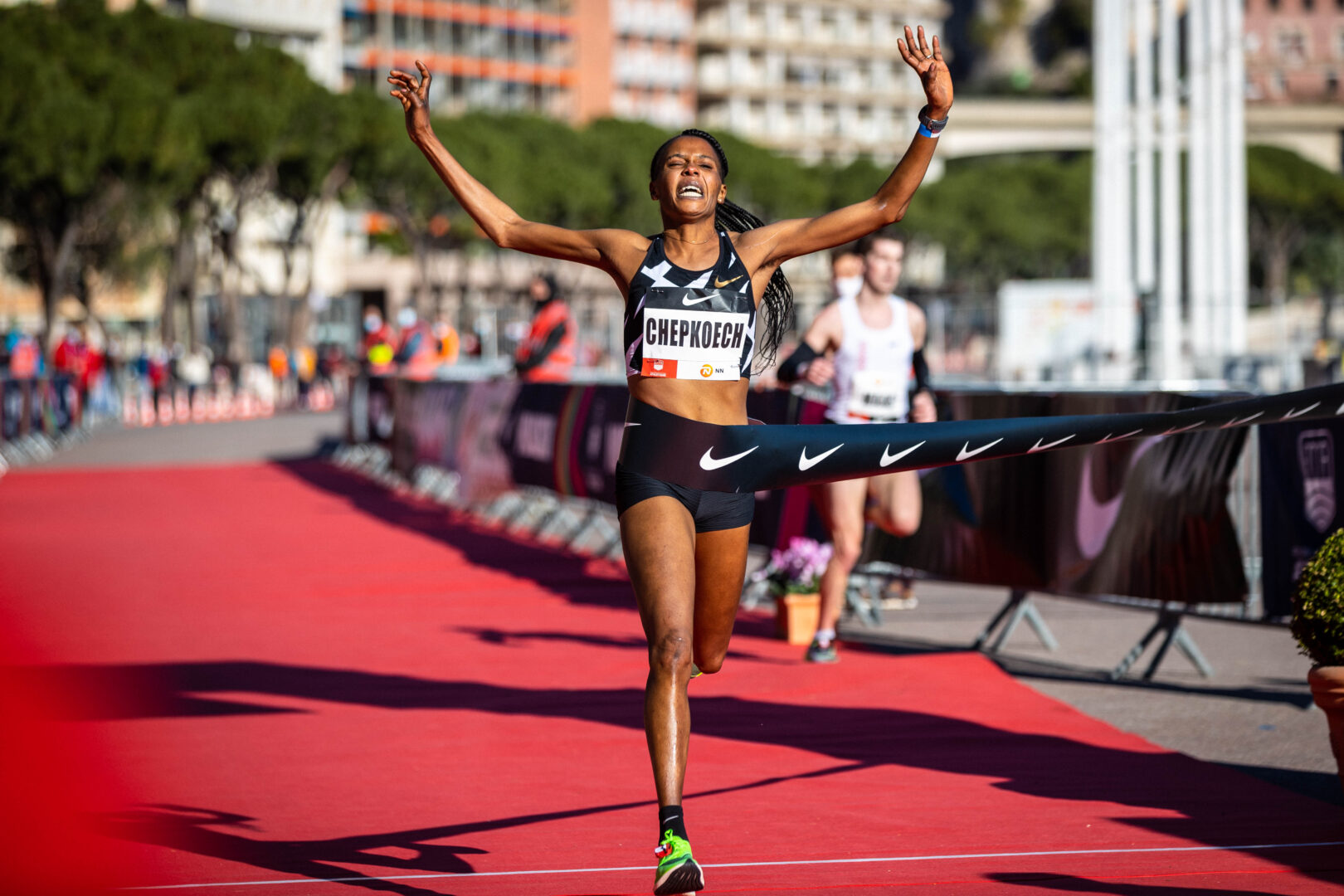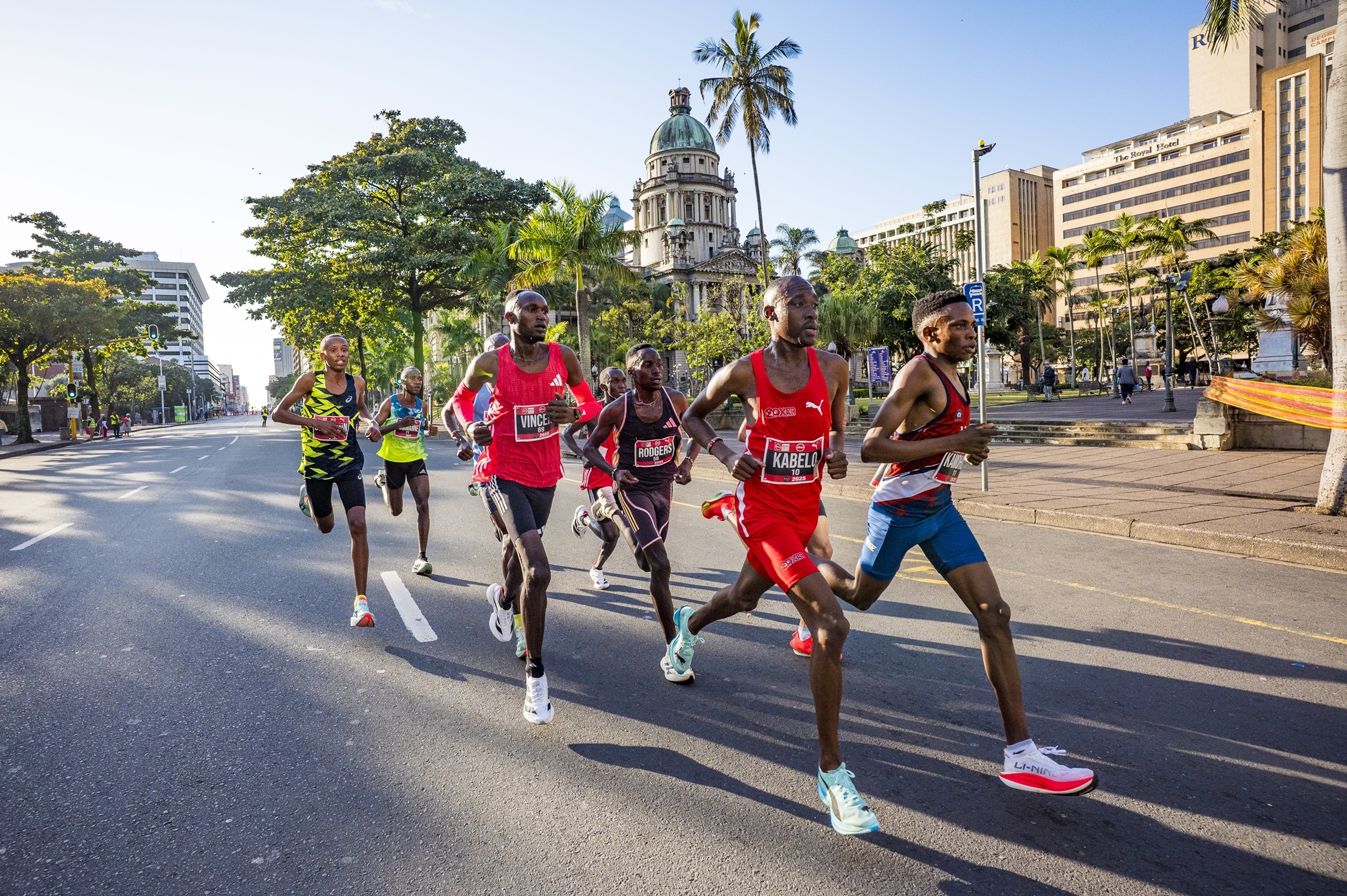
The 2026 Comrades Marathon delivered many memorable performances on the gruelling 85.777km journey from Durban to Pietermaritzburg, though few stories captured the spirit of the race quite like those of Johannes Mosehla and Bailey O’Leary.
Separated by 64 years in age, the pair finished the 99th edition of the Ultimate Human Race as its oldest and youngest official finishers.
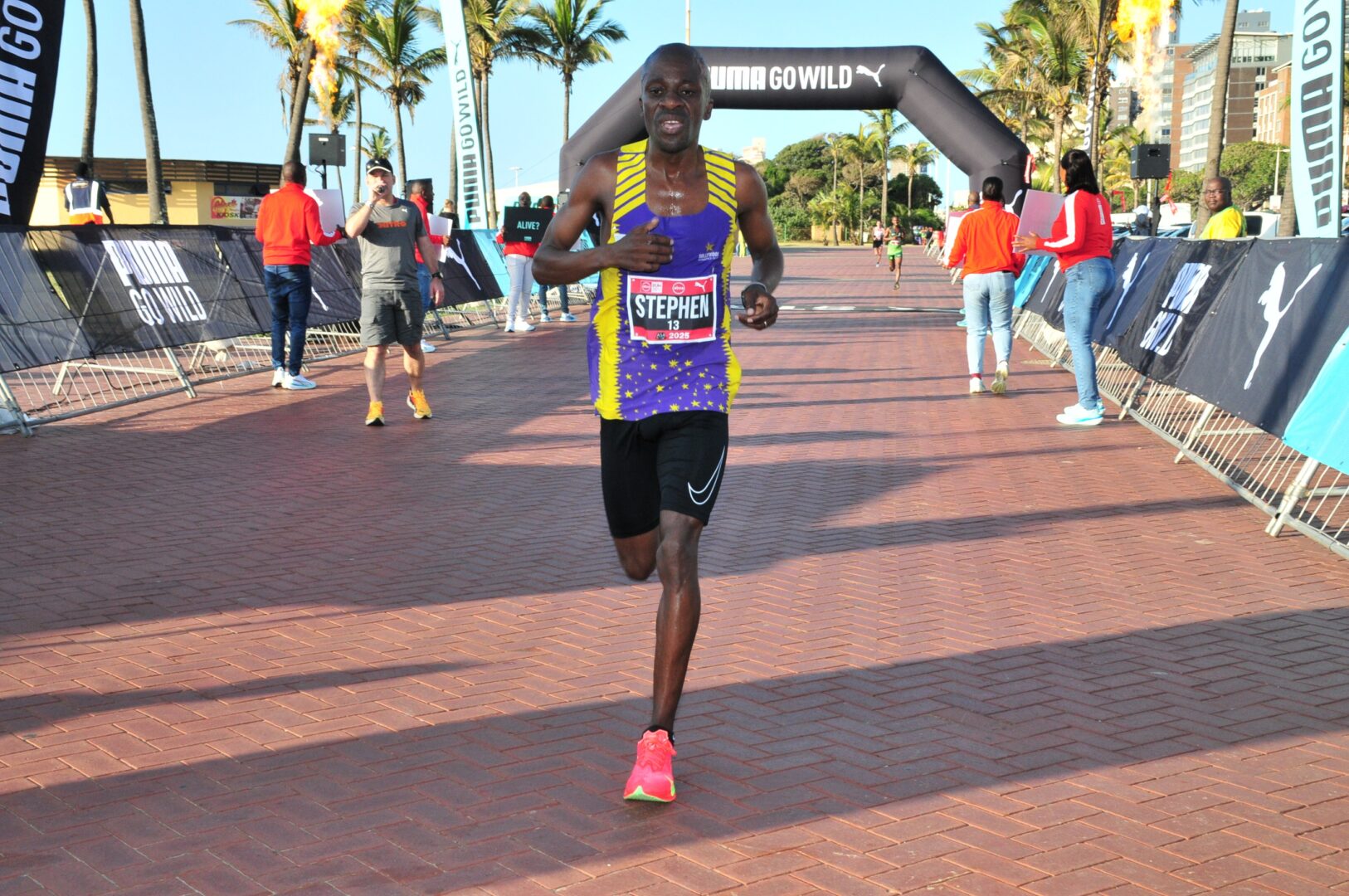
Mosehla, 84, crossed the line in 11:12:26 on Sunday to break his own record as the oldest finisher in Comrades history. In doing so, the Polokwane Running Club member finished ahead of thousands of runners many decades his junior.
The veteran runner, who began his running journey in 1963, said the achievement was a source of pride and gratitude.
“To be the oldest finisher at Comrades is a great honour,” said Mosehla.
“This race continues to inspire me every year. Running has given me so much throughout my life. I hope my journey encourages people to stay active, stay disciplined and keep chasing their goals regardless of age.”
“You must listen to your body, eat well, rest properly and enjoy what you are doing. Running should bring happiness. I still love training in the mountains and spending time outdoors.”
While Mosehla represented experience and endurance, O’Leary embodied youthful ambition.
The 20-year-old, who lives in the United Kingdom and whose parents are both originally from Durban, finished her Comrades debut in 10:42:51 to become the youngest female finisher in this year’s race.
Her first Comrades was made even more special by sharing the journey with her father, Jon O’Leary.
Proud dad Jon O’ Leary with his daughter Bailey O’ Leary at the Comrades Winners breakfast on Monday 15 June 2026. Photo: Adnaan Mohamed
“I grew up supporting my dad and listening to stories about Comrades,” said Bailey.
“He inspired my love for the race and it was always my dream to run my first Comrades with him. He helped me a lot, especially in the first half, and crossing the finish line was incredibly special.”
For Jon, the day was about far more than another medal.
“It was one of the proudest moments of my life,” he said.
“Comrades means so much to our family. To see Bailey achieve her goal and share the experience with her from start to finish was unforgettable.”
As the Comrades Marathon prepares to celebrate its centenary in 2027, both runners have already confirmed their intention to return.
Mosehla will aim to extend his remarkable record, while O’Leary hopes to secure a special back-to back medal awarded to novices for consecutive finishes.
Bailey O’ Leary in action on the 2026 Comrades Marathon Up Run Route Photo: Supplied
Their stories served as a powerful reminder that Comrades remains a race where generations meet, dreams endure and the finish line belongs to anyone willing to keep moving forward.
After shattering one of South African sport’s most enduring records and banking more than R2.3 millionGeorge Kusche revealed that Springbok mastermind Rassie Erasmus ‘Pressure is a privilege’ philosophy had a profound impact on him being crowned 2026 Comrades Marathon champion.
Kusche says one of the most influential ideas shaping his outlook is Erasmus’ belief that pressure is not something to fear, but a privilege earned by doing what you love while millions of others face far greater daily struggles.
For Kusche, that perspective proved as valuable as any training session in helping him navigate the weight of expectation before producing a breathtaking 5:15:56 from Durban to Pietermaritzburg, obliterating Leonid Shvetsov’s 18-year-old course record and writing himself into Comrades folklore.
“In terms of pressure, I’ve got huge respect for Piet and the way he shows up every year and hits it out of the park. It takes a lot of guts to do that and obviously Gerda does that as well,” Kusche said.
“I often think of Rassie Erasmus when he said this is not pressure, this is a privilege to do what you love and hopefully I can keep that mindset next year.”
Those words perhaps explain why Kusche looked so composed while executing one of the boldest race plans in recent Comrades history.
He surged to the front early, trusted months of meticulous preparation and refused to blink as the kilometres mounted. The calculated gamble dismantled a record that had survived for nearly two decades and left defending champion Piet Wiersma and surprise package Mbuti Mollo chasing shadows, despite both finishing beneath the previous record.
Ironically, the race that delivered one of the richest prize hauls in South African road running history reinforced Kusche’s belief that money should never be the driving force.
At Monday’s winners’ breakfast, the 28-year-old received a standing ovation while collecting a series of bonus cheques, including R602,000 for breaking the Up Run record. Together with the winner’s prize, average pace incentive, first South African bonus and other rewards, his earnings climbed beyond R2.3 million, with further sponsor incentives still possible.
Yet financial reward barely featured in his thoughts.
“I haven’t really thought about the financial aspect yet,” Kusche admitted.
“If you’re running for the money I think you’re in the wrong sport.”
Instead, his greatest satisfaction appeared to come from achieving something that only a year ago seemed improbable.
The Pretoria-based runner laughed that he woke up on Monday morning and checked the date to make sure he was not dreaming.
“I think it’s slowly starting to sink in.”
His journey has never followed a conventional route.
Born in Malalane, Kusche left South Africa as an 800m athlete before studying in the United States, eventually earning a Masters in Statistics after spells at the University of Nebraska-Lincoln and Northern Arizona University.
When a professional running contract failed to materialise, he returned home, built a career as a data scientist and stepped away from competitive athletics.
Running, however, refused to loosen its grip.
With the backing of Nedbank Running Club manager and 1991 Comrades championNick Bester, Kusche rebuilt himself from scratch, applying the same analytical discipline to training that he uses in his professional life.
He still balances elite competition with full-time work, believing that stability away from the roads has strengthened rather than hindered his performances.
His fourth-place finish in the Totalsports Two Oceans Half Marathon, rapid marathon progression and 12th-place finish on his Comrades debut last year all hinted at enormous potential.
Sunday confirmed it.
There was no visible panic, no signs of a man burdened by expectation, only calm execution from the first stride to the last.
Perhaps that is the real legacy of Erasmus’ philosophy.
Pressure is not a crushing weight carried by champions.
It is a privilege earned through sacrifice, embraced with gratitude and rewarded through preparation.
George Kusche did not merely win the 2026 Comrades Marathon.
PIETERMARITZBURG – George Kusche andGerda Steyndelivered one of the most remarkable days inComrades Marathonhistory on Sunday, smashing long-standing Up Run records and each walking away with more than R2.3 million in prize money and incentive bonuses.
On a shortened 85.777km route, the fastest in recorded Up Run history, expectations of rapid times proved well founded as both champions produced performances that rewrote the record books.
Kusche stormed to victory in 5:15:56, obliterating the previous men’s Up Run record of 5:24:49 set by Leonid Shvetsov in 2008. His average pace of 3:40.99 per kilometre also eclipsed Vladimir Kotov’s long-standing benchmark for the best average pace.
Dutch defending champion Piet Wiersma finished second in 5:19:36, with South Africa’s Mbuti Mollo taking third in 5:21:31 after leading for much of the race. Great Britain’s Alex Milne and Japan’s Haruki Okayama also dipped beneath the previous course record, underlining the extraordinary pace of the contest.
For Kusche, the victory only became real at the finish line.
George Kusche stormed to victory and obliterated the previous men’s Up Run record and set a new benchmark for the best average pace.
“I honestly didn’t believe I was going to win until I crossed the finish line. Comrades is extremely hard mentally, and there was no way I could know that they were not going to catch me, so I pushed as hard as I could and hoped that nobody would pass me.”
The South African, who finished 12th on debut a year ago, made his decisive move after Mollo began to struggle late in the race and never looked back.
“Comrades is a nerve-wrecking experience. This past week it was very hard to think about anything except the Comrades, and I’m very grateful that everything worked out as planned. It’s a bit of a gamble by going out early, but luckily it paid off this time around,” he said.
Steyn was equally dominant in the women’s race, clocking 5:44:53 to improve on the Up Run record she established in 2024. She also lowered her own best average pace mark while securing a fifth Comrades title, made up of three Up Run victories and two Down Run triumphs.
“It is an honour to come away with another Comrades Marathon win and a new course record. It’s what I have been dreaming of and working for since the start of the year,” Steyn said.
“I ran this Comrades as if it was my last race, but after crossing the finish line I already know it was far from my last. I can’t imagine my life without this race and I’m already looking forward to the 2027 centenary edition.”
Zimbabwe’s Nobukhosi Tshuma claimed second in 5:53:36 after overcoming significant personal sacrifices during her preparation, while South Africa’s Irvette van Zyl completed the podium in 6:02:30.
The record-breaking performances also produced record-breaking rewards.
Kusche and Steyn each earned R2.322 million through victory prize money, the Cell C top-up, first South African incentives, Up Run record bonuses and the Cell C average pace incentive.
Comrades Marathon Association general manager Alain Dalais described the event as an outstanding rehearsal for next year’s centenary edition.
“We are incredibly proud of the 2026 race and our two record-breaking winners. George Kusche lived up to the pre-race expectation by shattering the men’s Up Run record, while Gerda Steyn joined some of the most illustrious legends of this great race with five wins.
“It was a fantastic elite race with record-breaking performances and a truly fitting spectacle for the 50th edition of the Up Run.”
Top 10 Men 1 George Kusche Nedbank Running Club GN South Africa 5:15:56 2 Piet Wiersma Nedbank Running Club International Netherlands 5:19:36 3 Mbuti Mollo Maxed Elite KZN South Africa 5:21:31 4 Alex Milne Nedbank Running Club International Great Britain 5:22:29 5 Haruki Okayama Nedbank Running Club International Japan 5:24:46 6 Charles Lawrence adidas United States of America 5:27:08 7 Lloyd Bosman Nedbank Running Club SWD South Africa 5:28:53 8 Nikolai Volkov Nedbank Running Club International ANA 5:28:59 9 Vasilii Korytkin Kemerovo Runners ANA 5:29:29 10 Tebogo Pulusa Dwarsrivier Mine Athletic Club South Africa 5:29:40
Top 10 Women 1 Gerda Steyn Hollywood Athletic Club CGA South Africa 5:44:53 2 Nobukhosi Tshuma Entsika Zimbabwe 5:53:36 3 Irvette van Zyl Hollywood Athletic Club CGA South Africa 6:02:30 4 Shelmith Muruiki Entsika Kenya 6:06:38 5 Naomi Robinson Nedbank Running Club International Great Britain 6:07:55 6 Loveness Madziva Nedbank Running Club Zimbabwe Zimbabwe 6:09:54 7 Courtney Olsen Hollywood Athletic Club International United States of America 6:11:20 8 Dikiledi Majara Nedbank Running Club AFS Lesotho 6:12:29 9 Jenet Mbhele Umzimkhulu Striders South Africa 6:13:08 10 Carla Molinaro Hollywood Athletic Club International Great Britain 6:14:04
For Dijana, preparation has followed a familiar script.
The three-time Down Run champion says an injury-free training block and altitude camp in Dullstroom have laid a solid platform for another assault on the title, with the biggest adjustment coming in mindset rather than methodology.
“The preparation went well and injury free,” Dijana said.
“Our training stays more or less the same because the hills are always there, but mentally you have to approach it differently and put more emphasis on strength.”
Hollywood’s backing has also given him confidence throughout the campaign, although the defending champion is not buying into suggestions that there is no pressure.
“I’m defending. I have to deliver and make history for myself,” he said.
Alongside him is Mothibi, whose move to Hollywood has strengthened an already imposing purple challenge.
The 2019 winner says he has largely trusted the methods that brought success in previous years, with extra focus placed on improving speed to match a younger generation of contenders.
Hollywood AC’s Happy Bunch taking a break during training. Photo: Supplied
He believes some of his biggest rivals are the athletes he trains with every day.
“Tete is part of our Happy Bunch,” Mothibi said. “I know how fit those guys are because I train with them. Those are the competitors I understand best.”
Mothibi also praised Hollywood’s athlete-first approach, saying the club creates an environment free from unnecessary pressure while giving runners every opportunity to perform.
Standing in their way is Wiersma, whose remarkable rise has transformed him into one of the race’s biggest stars.
The Dutchman insists being labelled defending champion feels strange after winning the last Up Run rather than last year’s Down Run, though he believes this could be the strongest preparation of his career.
“I’ve done the best training of my life,” Wiersma said.
After overcoming illness earlier in the season and maintaining a carefully controlled routine, he arrives convinced he has given himself every possible chance.
His respect for Dijana and Mothibi remains evident despite the changing club colours.
“Before the race and after the race we’re friends,” he said.
“During the race we don’t show each other mercy, no matter what colours we’re wearing.”
Perhaps the strongest insight into Wiersma’s mindset comes from his description of unfinished business.
He has finished second by seconds, won while narrowly missing the course record and again fallen agonisingly short of victory.
Now he believes the depth of this year’s field could produce something special.
“With a field this strong, there’s a very high chance the course record will be broken,” he said.
For Wiersma, Comrades has changed his life, providing the platform to pursue professional running full time after shelving plans for a PhD.
Living and training in Kenya has also reshaped his perspective.
“The mindset there is incredible,” he said. “People wake up every day knowing they have to do everything right because it affects what happens months later.”
By sunrise on Sunday, predictions will count for little.
The road from Durban to Pietermaritzburg has a habit of humbling favourites and elevating dreamers.
If Dijana’s pursuit of history, Mothibi’s experience and Wiersma’s relentless ambition unfold as expected, the 2026 Comrades Marathon could produce another chapter worthy of its legendary status.
The numbers attached toGerda Steyn’s career are extraordinary, though the woman herself continues to speak with the calm certainty of someone more interested in preparation than praise.
On Sunday, the Hollywood Athletics Clubstar will line up in Durban chasing a fifth Comrades crown, convinced that another carefully crafted build-up has left her exactly where she wants to be.
“I can’t believe we are here again. It feels like yesterday that we were lining up for the down run of 2025,” Steyn told Modern Athlete in an exclusive interview.
“I’m very excited to line up this year. The training has gone really well. The Up Run is my favourite direction. I’m really excited, so I can’t wait for Sunday.”
That preference is rooted in both emotion and experience.
Steyn says the climb to Pietermaritzburg rewards discipline, patience and intelligent pacing, qualities that have become trademarks of her racing style.
“I think the Up Run suits me as a type of athlete that I am. It is a lot to do with pacing yourself well, conserving your energy very well in the first half and running smart. You need a lot of strength to compete well in the Up Run.”
It also carries sentimental value.
“It was my first ever Comrades Marathon, so that’s how I fell in love with the race. To line up again this year is very special.”
As in previous campaigns, Steyn spent much of her preparation in the Alps following the Two Oceans Ultra Marathon, using the relentless climbs and descents to sharpen her endurance.
“I’ve always done the exact same routine. I feel like it’s the right thing for me to do. I can focus 100% on running and you either go steep up or steep down, which really complements the training.”
She returned to South Africa earlier than usual and settled in Dullstroom, where familiar surroundings and sessions alongside Hollywood teammates provided a valuable psychological lift.
“We were fortunate enough to share the roads with Tete, Edward and Johannes and the rest of the Hollywood guys. They are such a positive group with a wonderful dynamic. It was a great way to finish the training and line up with excitement.”
With another slightly shortened Up Run route, speculation around a possible course record has gathered momentum.
Steyn refuses to be distracted.
“My first goal is really to defend my title. If that comes with a record and I feel good on the day and everything goes according to plan, I’m sure it is possible.”
Looking back at her preparation compared to 2024, she believes there is room for something special.
“I think there’s room for it. Everything has to go according to plan and I mustn’t focus on the record so much that I forget to focus.”
It is a mindset that has carried her to the summit of South African ultra-distance running before.
Cape Town has crossed a finish line decades in the making.
The Sanlam Cape Town Marathonhas officially become the first Abbott World Marathon Majoron African soil after passing the second and final stage of its assessment process, securing its place among the sport’s most prestigious races.
From 2027, Cape Town will stand alongside Tokyo, Boston, London, Sydney, Berlin, Chicago and New York in what has long been marathon running’s most exclusive club, a landmark moment for a continent that has produced generations of distance-running greats.
“After watching the race grow in size and stature during its candidacy and also seeing the resilience and dedication of the team lead so wonderfully by Clark Gardner, Africa’s first Major has finally arrived.The unique culture, the welcome from the people of the city and the wonderful setting Cape Town provides will bring a whole new dimension to our series. I know runners in Africa and across the world will have a phenomenal experience at this race.”
The announcement marks the culmination of years of planning and community support, with organisers repeatedly highlighting the role played by runners, volunteers, clubs, sponsors and city partners in helping the event meet the demanding criteria.
“This achievement belongs to every person who believed in and committed to this vision,” said race director and CEO Clark Gardner.
“We could never have reached this moment alone. Our runners carried us to the numbers we needed, our sponsors and partners stood firm beside us even when the 2025 race could not go ahead, and our supporters, club captains, residents and service providers each played their part. The Sanlam Cape Town Marathon stands as proof that when Africa comes together, we can achieve anything. This victory belongs to all of them.”
The significance stretches far beyond one city or one race.
For years, African athletes have dominated the global marathon scene while many recreational runners faced the financial burden of travelling overseas to experience a Major. Cape Town’s elevation changes that equation, with organisers committing to keeping two-thirds of race entries available to African participants.
Sanlam Group CEO Paul Hanratty described the announcement as “a collective victory”.
“For 13 years, Sanlam has been part of this journey, walking alongside the event as a committed partner and supporting its growth into a world-class platform. We hope this moment inspires people across Africa to dream bigger, go further and live with confidence.”
The event also carries significant economic value, with projections suggesting it could contribute around R800 million through tourism, accommodation and related spending.
Cape Town Mayor Geordin Hill-Lewis. Image Fahwaaz Cornelius
“For Cape Town to be the home of an Abbott World Marathon Majors race is an incredible moment for our city,” said Mayor Geordin Hill-Lewis.
“Achieving this milestone will contribute greatly to Cape Town’s economy, inspire future generations of runners, and leave a legacy for the sport across Africa.”
For a continent that has long supplied many of marathon running’s brightest stars, the road has finally curved home. Africa is no longer chasing the world’s biggest races. It now hosts one.
Defending championGerda Steyn believes every Comrades Marathonrunner reaches a point where determination matters more than physical strength, with the 2026 edition set to celebrate the 50th official Up Run from Durban to Pietermaritzburg.
Steyn’s message comes as thousands prepare for one of South Africa’s most iconic sporting events, a race renowned for its unforgiving climbs and emotional finish-line drama.
“Comrades will always humble you at some point in the journey,” said the South African Olympian and ultra-marathon star. “The hardest moments are often where the race truly begins mentally. Sometimes all it takes is one reminder to keep moving forward.”
The 2026 race also embraces the theme“Ska Fela Moya”, meaning “Don’t Give Up”, a message that reflects the resilience associated with the Comrades Marathon and the mental battle Steyn believes defines the event.
Another highlight will be the celebration of the Green Number Club, reserved for athletes who have completed 10 or more Comrades Marathons, earned five gold medals or claimed three victories. Their permanent race numbers remain among the event’s most respected symbols of consistency and endurance.
The 50th official Up Runadds further significance to this year’s race, with competitors facing famous climbs including Cowies Hill, Fields Hill and Polly Shortts before reaching Pietermaritzburg.
OMO, now in its second year of involvement with the ultra-marathon, says its Stay Unbeatable campaign aligns closely with the resilience displayed by runners and supporters throughout the event.
“At OMO, we celebrate the people who keep going when life gets tough, whether it’s runners pushing through pain, families supporting from the sidelines, or everyday South Africans overcoming stains in their own lives. That’s why Comrades is such a powerful platform for our Stay Unbeatable message. It reflects the determination, heart, and refusal to give up that inspire the nation every year.”
The race’s emotional climax will once again arrive at the 12-hour cut-off, where exhausted runners chase the finish line against the clock in scenes that have become synonymous with the Comrades Marathon.
For Steyn, that spirit defines the event more than medals or records. The road eventually tests every athlete, and the greatest challenge often begins long after the legs have started to fade.
Running from the lonely outpost of lane nine, Nene sliced through the Stockholm air like a blade through silk, producing a composed and commanding performance to cross the line in 44.48 seconds. American Jacory Patterson chased him home in 44.69, while Trinidad and Tobago’s Jereem Richards secured third place with a season’s best 44.87.
The 28-year-old looked as though he had borrowed a page from the stadium’s memory book. Stockholm, it seems, has become his athletic love letter. The historic arena practically winked at him as he powered off the final bend and held firm down the home straight.
In an era where stopwatches are treated like royalty and fractions of a second receive more attention than some politicians, Nene’s victory carried weight beyond the clock. It was a statement wrapped in speed.
After the race, Nene reflected on the significance of returning to the venue where his Diamond League journey first blossomed, describing Stockholm as a special place in his career and expressing delight at securing another victory on Swedish soil.
His triumph highlighted another encouraging day for South African athletics. Sinesipho Dlambini produced an impressive run to finish second in the men’s 200m behind American sprint star Kenny Bednarek, Dlambini clocked 20.10 seconds. Fellow South African Mthi Mthimkulu placed fifth in the race.
Prudence Sekgodiso battled through a blisteringly fast women’s 800m to finish fifth in 1:57.70 in a race won by Switzerland’s Audrey Werro, who set a Diamond League record and world-leading time of 1:53.98.
For Nene, the result adds another glittering chapter to a season already filled with momentum. The South African 400m ranks have become a furnace of fierce competition, yet Nene continues to emerge forged and polished.
The road to the World Championships remains long, winding and unforgiving. On this Stockholm evening, however, Nene turned the track into a runway and took flight.
Zakithi Nene celebrates his second Wanda Diamond League victory in Stockholm Photo credit: Wanda Diamond League
Springbok coach Rassie Erasmushas never been shy about planning several moves ahead. His latest squad announcement, featuring 21 uncapped players among a 51-man training group for the Gqeberha double-header later this month, offers another glimpse into how South Africa intends to sustain its dominance beyond the current generation.
Among the newcomers, the inclusion of DHL Stormersbacks Yaqeen AhmedandImad Khan stands out as more than a reward for impressive domestic performances. It is a reflection of South Africa’s determination to broaden its depth in two of the most influential positions on the field.
Ahmed, capable of operating at flyhalf and centre, and scrumhalf Khan are among a youthful contingent called into the national setup ahead of the Springboks’ clash against the Barbarians and the SA ‘A’ fixture against Zimbabwe on 20 June.
Their elevation comes at a significant moment.
With star playmaker Sacha Feinberg-Mngomezulu and scrumhalf Morne van den Berg sidelined through injury, Erasmus has been presented with an opportunity to accelerate the development of players who could feature prominently in future Springbok campaigns.
The injuries have not created vacancies so much as opportunities.
Ahmed’s selection is particularly intriguing. The highly rated Stormers playmaker has long been regarded as one of the country’s most promising attacking talents, combining tactical awareness with the versatility modern international rugby increasingly demands. His ability to cover multiple backline positions makes him a valuable asset in a Springbok environment where adaptability is prized almost as highly as raw talent.
Khan’s call-up carries similar strategic importance. South Africa’s production line of scrumhalves remains one of the healthiest in world rugby, yet Erasmus continues to search for greater depth at a position that often dictates the tempo of a match. Khan joins fellow uncapped scrumhalvesHaashim Pead and Nico Steyn in a competitive group that offers selectors an opportunity to assess emerging talent in a high-performance environment.
The Stormers pair form part of a broader youth movement that includes SA Under-20 players Danie Kruger, Luan Giliomee, Vusi Moyo, Oliver Reid, Liam van Wyk, Junior Springbok captain Riley Norton, Siphosethu Mnebelele, Markus Muller and Zekhethelo Siyaya. All were previously involved in the expanded Springbok alignment camp programme.
The remaining uncapped players are Paul de Villiers, Bathobele Hlekani, Hanro Jacobs, Jurenzo Julius, JJ Kotze, Sibabalwa Mahashe, Emmanuel Tshituka and Jaco Williams.
The composition of the squad has also been shaped by circumstance. Vodacom Bulls players were unavailable after securing a place in the United Rugby Championship final against Leinster, opening the door for several younger prospects to gain exposure to the national environment.
“We named a large group of players as we will be selecting a Springbok and SA ‘A’ team for the season-opening double-header in Gqeberha, and this will be beneficial in the long term as we build the squad, looking forward to next year’s Rugby World Cup and beyond,” he said.
“There is also an exciting mix of experienced campaigners and young players in this squad, and this formula has worked well for us in the past to ensure a clear pathway to build depth within the group.”
The Springbok coach believes the alignment camps held over recent months have prepared many of the newcomers for the demands awaiting them.
“The coaches have been working around the clock to put the systems in place in the last few months, and the in-person and virtual alignment camps have given most of the players a taste of what to expect, so it’s now a matter of implementing what they learned in the boardroom onto the field.”
“We are under no illusions about the challenge ahead this season with two matches against the Barbarians and the SA ‘A’ team against Zimbabwe playing out on the same day, which will be followed by two new competitions in the Nations Championship and Rugby’s Greatest Rivalry, so it will be important for the group to build cohesion as quickly as possible and make the most of our field sessions and team meetings to be as well prepared as possible when we take the field.”
For Ahmed and Khan, the call-up is not a destination. It is an invitation into one of the most competitive environments in world rugby. Whether either player features prominently in the months ahead remains uncertain.
What is clear is that Erasmus is already looking beyond the next Test, the next tournament and even the next season. The world champions are building depth with the same diligence that won them consecutive World Cups, and Ahmed and Khan are the latest names added to that long-term blueprint.
Rassie Erasmus has named a 51-man squad, with 21 uncapped players, for the first training camp of the season and double-header in Gqeberha 🇿🇦🚨
The squad for the Nations Championship in July will be announced on Sunday, 21 June, following the conclusion of the VURC Final. pic.twitter.com/YAgJuCtLGa
The 99th edition of theComrades Marathon has all the ingredients of a classic.
Defending champions Tete Dijana and Gerda Steyn return to lead a star-studded elite field on Sunday as 21,677 runners tackle the 85.777km Up Run from Durban City Hall to Hollywoodbets Scottsville Racecourse in Pietermaritzburg.
With nearly all of last year’s top-10 finishers back on the start line and a record prize purse on offer, the race is poised to deliver another compelling chapter in the history of South Africa’s most iconic ultra-marathon.
The only absentee among the top 20 men and women from the 2025 race is women’s runner-up Alexandra Morozova, leaving an elite field packed with proven performers and ambitious challengers.
Race director Sue Forge expects another fiercely contested battle.
“All the signs are that this should be another thrilling race, not just in terms of proven gold medallists, but also with the addition of a number of very fast marathoners and ultra-marathoners from both South Africa and abroad, including world-class 100km competitors. We’re looking forward to seeing who claims the podium spots and a share of the biggest prize purse in the history of the Comrades Marathon.”
The elite athletes will compete for a share of R8.21 million, including incentives and bonuses, with both the men’s and women’s winners earning R925,000.
“We have made sure that the top contenders in the 2026 edition of the Comrades Marathon have 8.2 million reasons to give everything they have on the route from Durban to Pietermaritzburg,” Forge said.
“This race has always produced world-class performances, and this considerable prize purse reflects the status of both the race and the elite field we have running this year.”
The three-time champion claimed victories in 2022, 2023 and 2025, yet has never won an Up Run. A victory on Sunday would not only complete that collection, it would move him level with four-time winner Alan Robb and into a tie for third on the all-time men’s winners list.
Standing in his way is Dutch rival Piet Wiersma, winner of the most recent Up Run in 2024 and runner-up to Dijana in both 2023 and 2025.
Their rivalry has become one of the defining storylines of modern Comrades racing and could once again shape the outcome.
Three-time champion Bongmusa Mthembu also has history within reach. The veteran owns 11 gold medals and sits level with Bruce Fordyce on that list. Another gold medal would move him alongside Alan Robb with a record 12.
The men’s field is strengthened further by former winners Edward Mothibi and David Gatebe, while Nikolai Volkov, Joseph Manyedi, Alex Milne, Gordon Lesetedi and Vasilii Korytkin all return after gold-medal performances in 2025.
Several newcomers add intrigue.
South African hopeful George Kusche has attracted considerable support after finishing 12th last year, while Onalenna Khonkhobe’s impressive performances over the past 12 months have elevated him into podium discussions.
Internationally, much attention will focus on World 100km champion Aleksandr Sorokin, American record-holder Charles Lawrence and French 100km specialist Guillaume Ruel.
If Dijana is chasing history, Steyn is pursuing legacy.
The South African star has dominated women’s ultra-distance running in recent years and arrives full of confidence after securing a seventh consecutive Totalsports Two Oceans Marathon title.
Having won Comrades in 2019, 2023, 2024 and 2025, Steyn stands one victory away from becoming only the second woman in history to reach five wins.
Only eight-time champion Elena Nurgalieva has won more.
Yet the women’s race appears deeper than ever.
Kenyan Shelmith Muriuki impressed with third place on debut last year and is widely viewed as a serious contender. Irvette van Zyl enters the race after breaking the Loskop 50km course record, while Dominika Stelmach, Carla Molinaro, Caitriona Jennings, Courtney Olsen, Jenet Mbhele and Melissah Gibson all return after earning gold medals in 2025.
Adele Broodryk’s return adds further quality after she missed last year’s race, while Galaletsang Mekgoe and Jenna Challenor will be eager to force their way back into the gold-medal positions.
Zimbabwean debutant Nobukhosi Tshuma is another athlete generating interest after finishing third at this year’s Two Oceans Marathon.
Strongest field in years
The elite men’s field consists of 97 athletes, while 34 women have earned elite status.
Together they form one of the strongest line-ups assembled for the race in recent years.
For Dijana and Steyn, Sunday offers an opportunity to strengthen already impressive legacies. For the chasing pack, it presents a chance to alter the narrative.
By late afternoon in Pietermaritzburg, the 99th Comrades Marathon will have produced new heroes, fresh storylines and perhaps another piece of history on South Africa’s most famous road.