


Two Oceans Ultra strikes gold with IAU honour

By Adnaan Mohamed

The Totalsports Two Oceans Ultra Marathon powered by BYD’s resurgence has found global recognition.

Months after delivering a widely acclaimed 2026 edition, South Africa’s flagship 56km race has been awarded the prestigious International Association of Ultrarunners (IAU) Golden Label Certificate, confirming its place among the world’s premier ultramarathons.

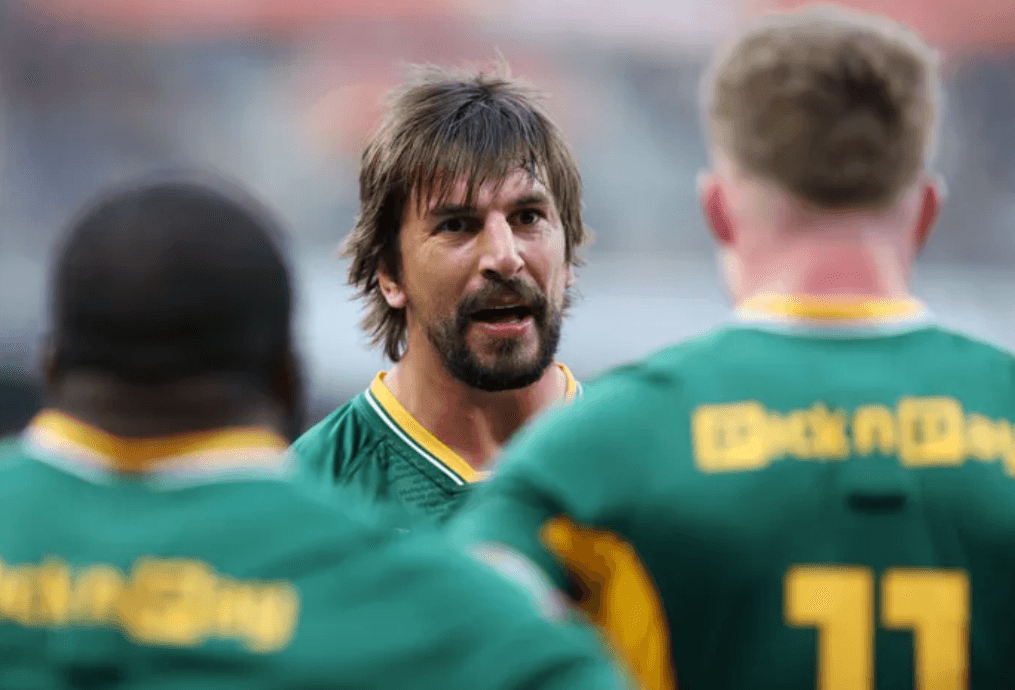
Totalsports TWO OCEANS MARATHON powered by BYD photo by Tobias Ginsberg

For an event that has spent recent years rebuilding its reputation, the accolade is more than another trophy for the cabinet. It is a global vote of confidence that places the Cape Town spectacle back among the sport’s benchmark races.

The IAU Golden Label is reserved for events that satisfy stringent international standards covering race organisation, athlete safety, elite competition, prize structures and governance.

It also reflects the transformation behind the scenes, where the Two Oceans Marathon NPC and event partner Stillwater Sports have worked to restore the shine to one of the country’s most recognisable sporting brands.

“This recognition from the International Association of Ultrarunners is a powerful endorsement of the Ultra Marathon as a world-class event,” said Two Oceans Marathon NPC chairperson Chris Goldschmidt.

“Earning the IAU Golden Label Certificate confirms that we meet the highest international standards across every aspect of the race, from organisation and athlete experience to elite competition, prize money and regulatory compliance.”

Event director Wade Bromfield credited months of meticulous planning for the achievement.

“This achievement is incredibly special for our team. After months of hard work behind the scenes, receiving the IAU Golden Label Certificate is a deeply rewarding moment for everyone involved.

“It’s a testament to the passion, commitment and attention to detail that has gone into delivering this iconic event.”

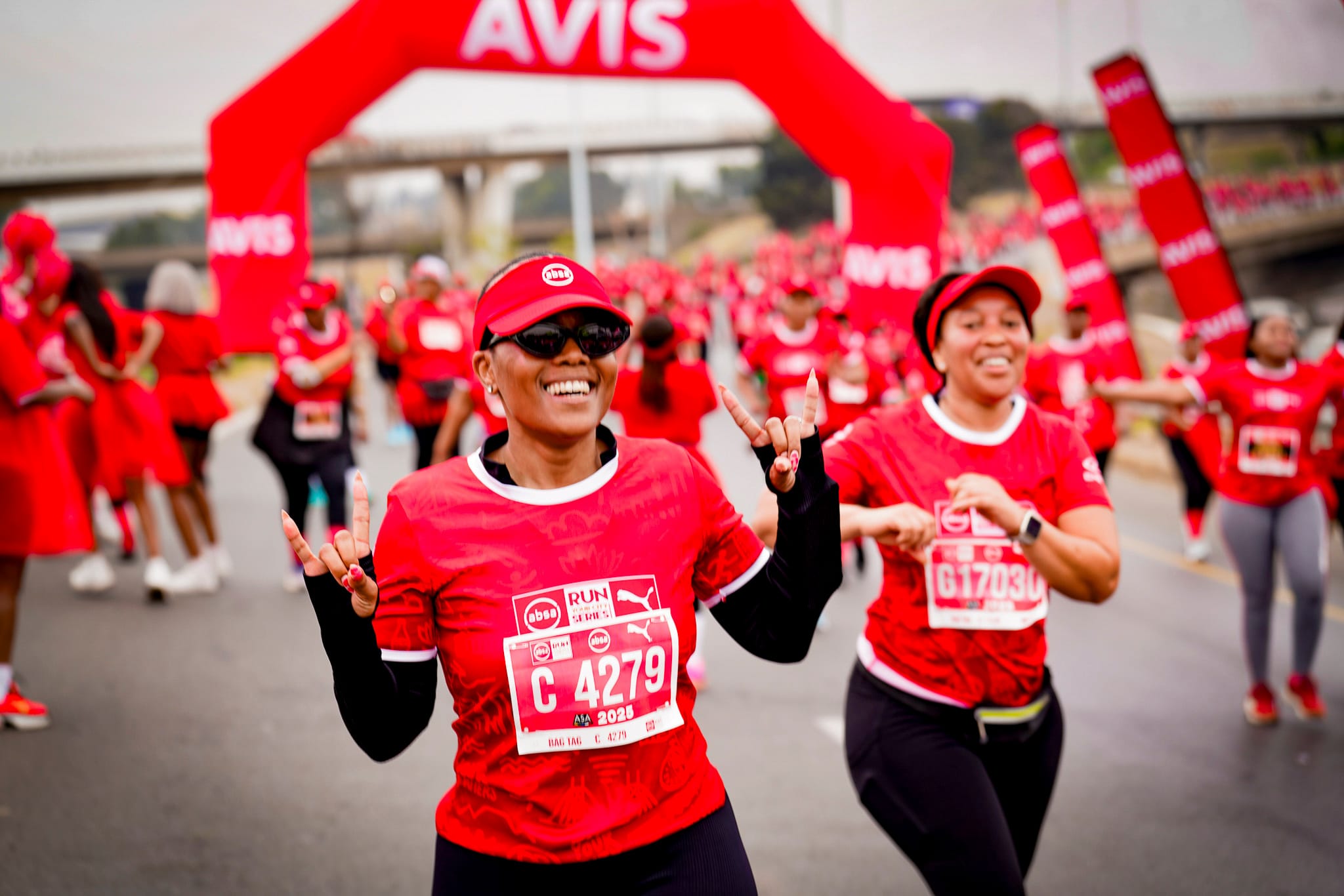
Totalsports TWO OCEANS MARATHON powered by BYD photo by Mark Sampson

The timing is significant.

Entries for the 2027 festival open from July and August, with organisers preparing for another bumper weekend of racing that includes the Ultra Marathon, Half Marathon, Trail Runs, Night Run and International Friendship Run.

Both the 56km Ultra and the 21.1km Half Marathon will accommodate up to 21,000 runners, reinforcing the race’s standing as one of the biggest participation events on the African calendar.

The Golden Label may be the latest finish-line ribbon for Two Oceans to break, although it also raises the bar. World-class status demands world-class delivery every year.

For now, the Cape classic has earned the right to wear gold.

EVENT INFORMATION: 2027 Totalsports TWO OCEANS MARATHON powered by BYD

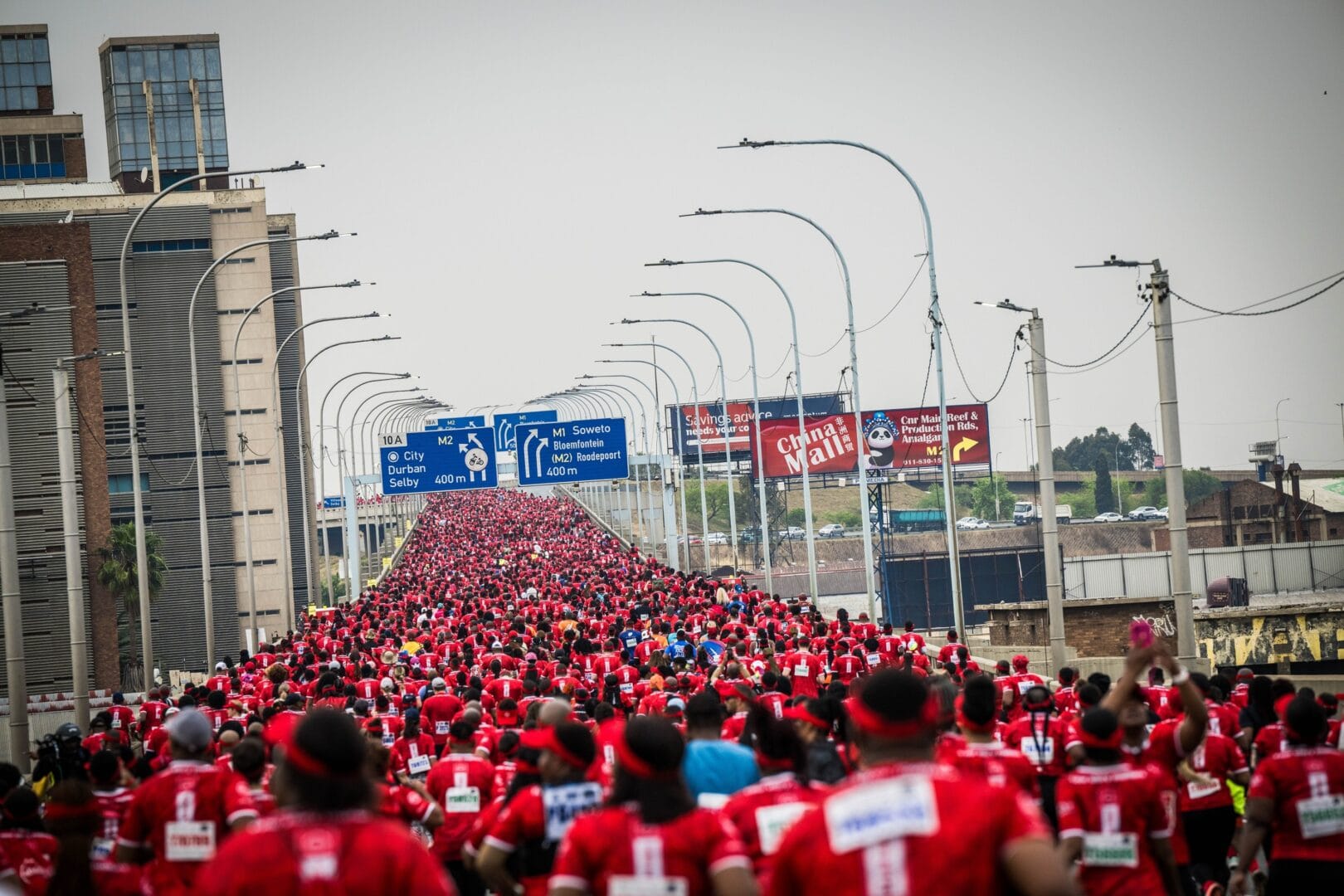
Totalsports TWO OCEANS MARATHON powered by BYD photo credit Chris Hitchcock
Wednesday 31 March 2027 Totalsports TWO OCEANS MARATHON powered by BYD / Night Run 
Capacity: 5000
Distance: 8km
Entry Fee: R320.00
Entries Open: Monday 03 August 2026
Thursday 01 April 2027 Totalsports TWO OCEANS MARATHON powered by BYD / International Friendship Run
Capacity: 1500
Distance: 4.5km
Entry Fee: R 250.00
Entries Open: Monday 03 August 2026
Friday 02 April 2027 Totalsports TWO OCEANS MARATHON powered by BYD / Trail Run
Capacity: 1500
Start & Finish Venue: UCT Rugby Fields
Distance & Entry Fee: 24km / R 950.0016km / R750.00
Entries Open: Monday 03 August 2026
Saturday 03 April 2027 Totalsports TWO OCEANS HALF MARATHON powered by BYD
Capacity: 21 000
Finish Venue: UCT Rugby Fields
Distance: 21,1km
Entry Fees: Licensed SA Athletes: R450.00Unlicensed SA Athletes: R450.00 plus temp license
Entries Open: Blue Number Club (BNC): Wednesday 15 – Wednesday 22 July 2026
Ballot: Wednesday 05 August 2026
Sunday 04 April 2027 Totalsports TWO OCEANS ULTRA MARATHON powered by BYD
Capacity: 21 000
Finish Venue: UCT Rugby Fields
Distance: 56km
Entry Fees: Licensed SA Athletes: R840.00
Entries Open: Blue Number Club (BNC): Wednesday 15 – Wednesday 22 July 2026
Ballot: Wednesday 05 August 2026

Can Durban 10K deliver sub 27 and sub 30 double?

By Adnaan Mohamed

For years, African road running has waited for two stubborn barriers to fall. On 12 July, the sold-out Absa RUN YOUR CITY DURBAN 10K could become the stage where both finally surrender.

The prospect of the first men’s sub-27-minute 10km and the first women’s sub-30-minute performance on African soil has transformed the Durban race from another elite road event into a genuine date with history.

At the centre of the men’s assault stands Ugandan superstar Joshua Cheptegei. The Olympic champion and world record holder over 5 000m and 10 000m owns a personal best of 26:38, making him the obvious favourite to shatter the long-standing continental milestone.

Yet the stopwatch will not be chasing Cheptegei alone.

Kenya’s Felix Masai, who claimed victory at this year’s Totalsports Two Oceans Half Marathon, brings a 27:24 lifetime best, while Gilbert Kiprotich believes he has already crossed the psychological finish line.

After producing a blistering 27:01 split during the Lisbon Half Marathon, Kiprotich is convinced Durban’s flat course and fast pace can carry him into the exclusive sub-27 club.

Gilbert Kiprotich Photo Supplied

“I believe I am capable of running comfortably under 27:00 in Durban,” said Kiprotich.

“We are hoping for favourable weather conditions and strong pacing on race day.”

Cheptegei is refusing to become consumed by the numbers, even though they continue to follow him like a determined shadow.

“It would be an honour for the record to be broken on African soil,” he said.

“I think that would be great for African athletics.”

The women’s race carries an equally compelling storyline.

Brenda Jepchirchir returns to South Africa with unfinished business after strong winds denied her a realistic opportunity of breaking 30 minutes in Gqeberha earlier this year. Since then, the Kenyan has reinforced her credentials by clocking 29:25, making her the second fastest woman in the world in 2026 and the joint fourth fastest in history.

“If the conditions are favourable and the race unfolds well, I would love to run under 30 minutes,” Jepchirchir said.

“It would be a significant milestone in my career, and I believe it is possible.”

Beatrice Chepkoech by GSC Media House

Standing alongside her is world steeplechase record holder Beatrice Chepkoech, whose presence deepens an already formidable field. Although the Kenyan is continuing her return after giving birth, the 2019 world champion believes Durban offers the perfect setting to be part of something memorable.

“This is what every athlete dreams of, building a legacy that will endure in the world of athletics,” said Chepkoech.

Stillwater Sports founder Michael Meyer believes the stars have aligned.

“The prospect of witnessing the first sub-27-minute men’s 10km and the first sub-30-minute women’s 10km on African soil at a single event is incredibly exciting,” Meyer said.

Elite athletes, favourable winter conditions and one of the continent’s quickest road courses have combined to create a rare opportunity.

Records rarely wave a white flag willingly. The DURBAN 10K now has the chance to force their surrender, twice, in the space of one unforgettable morning.

Two Oceans Marathon 2027 gets a turbo boost

By Adnaan Mohamed

The Totalsports Two Oceans Marathon powered by BYD is preparing to stretch its stride in 2027, unveiling a revamped Event Week and a dramatic increase in entry capacity that could turn Cape Town into an even bigger running carnival.

From 31 March to 4 April 2027, the race dubbed the “World’s Most Beautiful Marathon” will feature a five-day festival of footfalls, including an 8km Night Run, International Friendship Run, Trail Run, Half Marathon and the iconic 56km Ultra Marathon.

In a significant shift, the Totalsports Two Oceans Half Marathon will take place on Saturday, 3 April, while the Totalsports Two Oceans Ultra Marathon returns to its traditional Sunday slot on 4 April as the grand finale.

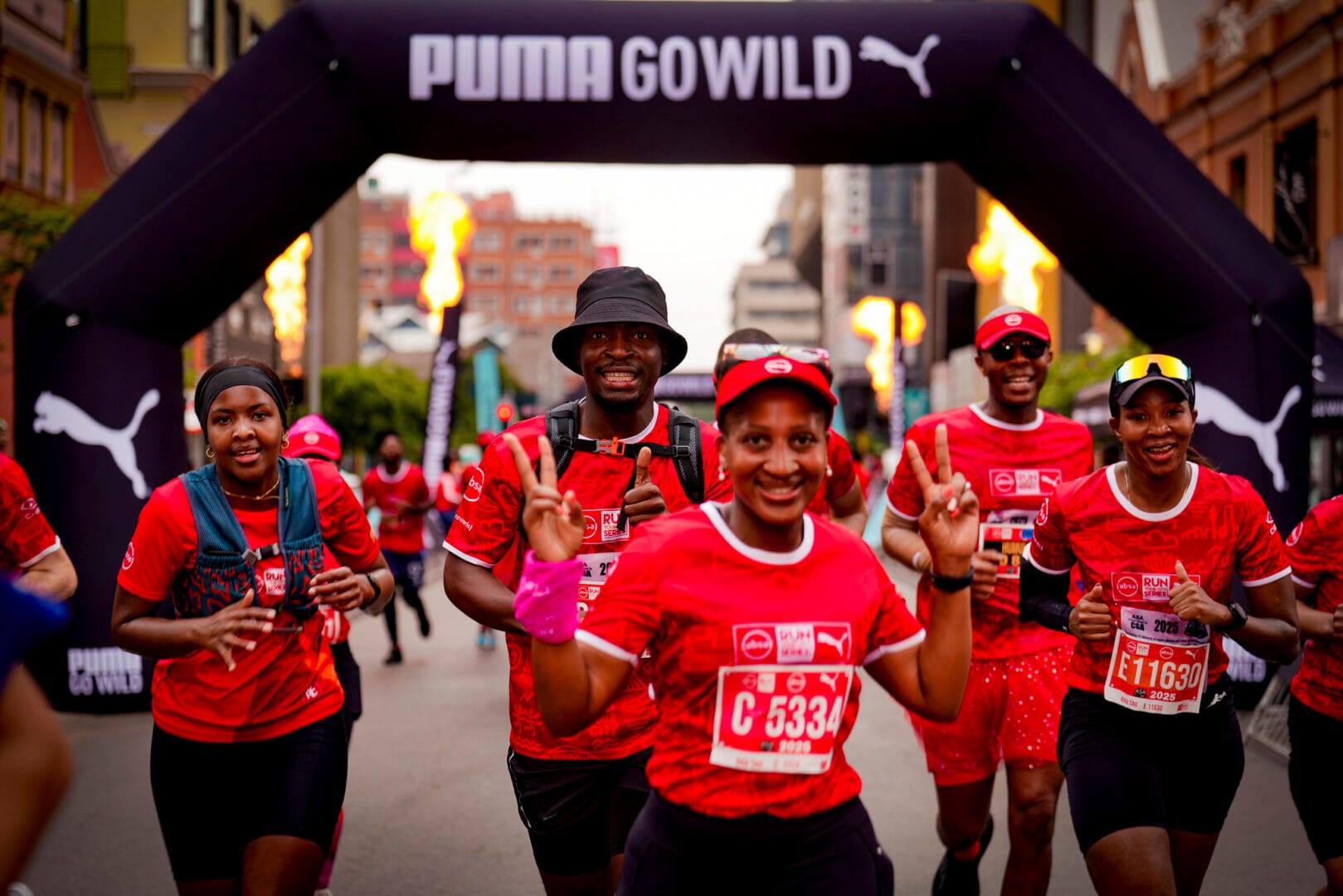
Totalsports TWO OCEANS ULTRA MARATHON powered by BYD by Devin Paisley

The biggest headline is the swelling field sizes. The Half Marathon will grow from 17,000 to 21,000 runners, while the Ultra Marathon will leap from 14,000 to 21,000 participants. Like a river breaking through a narrow gorge after heavy rain, the expansion opens the gates for thousands more athletes to chase the ocean breeze and the coveted medal.

“We are excited to unveil a revitalised Event Week format for 2027 that will transform the Totalsports Two Oceans Marathon into an even bigger celebration of running, community and camaraderie,” said Chris Goldschmidt, chairperson of the TWO OCEANS MARATHON NPC.

Goldschmidt said the new schedule gives each event “its own moment to shine” while preserving the race’s rich traditions and legacy.

Event director Wade Bromfield described the 2027 edition as “a major milestone”, adding that the increased capacity reflects the event’s continued growth and its commitment to making the experience accessible to more runners.

The University of Cape Town campus will remain the race’s home in 2027 and 2028, providing what organisers called a “supreme backdrop” with world-class facilities and easy accessibility.

Totalsports TWO OCEANS MARATHON Trail Run powered by BYD photo by David Sullivan

For runners, the announcement is likely to land like the ringing of a starting gun. The Ultra Marathon has long been one of South Africa’s most sought-after road races, with ballot systems and qualifying standards often leaving hopeful entrants pounding the pavement of disappointment.

There is also a touch of irony in the expansion. While many major races around the world wrestle with congestion and logistical headaches, Two Oceans is effectively adding another small town’s worth of runners to its start lines. It is a controlled stampede, a carefully choreographed avalanche of ambition.

The 2027 programme begins with the Night Run on 31 March, followed by the International Friendship Run on 1 April and the Trail Run on 2 April. Entries for the Night Run, Friendship Run and Trail Run open on 3 August 2026. Blue Number Club entries for the Half and Ultra open from 15 to 22 July 2026, with the public ballot opening on 5 August 2026.

If Cape Town’s roads could speak, they would probably be lacing up their shoes already.

Totalsports TWO OCEANS ULTRA MARATHON powered by BYD by Tobias Ginsberg

Kavanagh shifts focus to Commonwealth Games after Durban SPAR victory

Adnaan Mohamed

Tayla Kavanagh has no intention of being distracted by a growing SPAR Grand Prix lead.

The Hollywood Athletics Club star is enjoying the richest vein of form of her career, but Sunday’s commanding victory in Durban merely confirmed where her attention lies. The Commonwealth Games 5 000m in Glasgow is the next target. After that, Glenrose Xaba’s South African 10km road record moves firmly into view.

Kavanagh underlined her credentials with another front-running display in the second leg of the SPAR Grand Prix series, clocking 31:32 after leading from gun to tape. The performance trimmed one second off the 31:33 she recorded while winning the opening race in Cape Town in March.

Ethiopia’s Selam Gebre stayed within striking distance before finishing second in 31:45, while Kavanagh’s Hollywood teammate Neheng Khatala completed the podium in 32:08.

The victory added another chapter to a remarkable season. The 25-year-old lowered her personal best to 31:26 at the Sanlam Cape Town 10km Peace Run in May, secured a third successive title in that race and swept to national crowns over 5 000m and 10 000m at the South African Championships in Stellenbosch.

Despite opening a healthy advantage in the SPAR standings, Kavanagh says the series title is not driving her schedule.

“My focus is on the Commonwealth Games. I have one more 10K and then all eyes are on the Commonwealth Games,” she said.

“I haven’t committed to any other SPAR races yet, so I can’t tell you if I’ll be trying to win the whole series. I’m trying to participate in the ones that I can.”

Durban presented a different challenge to Cape Town, where Kavanagh spent much of the race chasing Glenrose Xaba. This time she dictated the pace from the front and trusted her instincts.

“I was quite proud of how I managed to relax within the race, constantly checking in with myself and how my body was reacting.”

“Selam and I had a really good race. At the 9km mark I still felt I had something left in the legs, so I tried to open up. I was really happy with how it played out.”

While Glasgow has become her immediate destination, the national record remains the long-term prize.

Xaba’s South African 10km road record of 31:12, set in Durban in 2024 when she erased Elana Meyer’s 23-year-old mark, has become the benchmark Kavanagh wants to reach.

“I’d love to get there this season. Hopefully by the end of 2026 I can reach that goal or see how close we can get,” she said.

“I know on a good day, if everything comes together, I have a good chance. It’s a matter of time. It’s in God’s hands when it happens, but it’s something I do want to chase.”

The stopwatch has become Kavanagh’s toughest opponent.

If her current trajectory continues, Glasgow could provide another springboard before she takes aim at one of South African road running’s most treasured records.

SPAR GRAND PRIX 10KM RESULTS – DURBAN

Results of the Durban leg of the SPAR Grand Prix Series on Sunday, 28 June 2026.

Open: 1 Tayla Kavanagh (Hollywood) 31:32, 2 Selam Gebre (Nedbank) 31:45, 3 Neheng Khatala (Hollywood) 32:09, 4 Cacisile Sosibo (Boxer) 32:16, 5 Karabo More (Boxer) 32:44, 6 Zanthe Taljaard (Boxer) 34:11, 7 Olga Firsova (N/A) 34:23, 8 Ntsoaki Molahloe (N/A) 34:35, 9 Karabo Mailula (Boxer) 34:52, 10 Loveness Madziva (Nedbank) 35:11

U20: 1 Leah Edwards (Tuks) 37:40, 2 Chanel Groenewald (Boxer) 37:45, 3 Alexis Hewitt (DERT) 38:38

40-49: 1 Olga Firsova (N/A) 34:23, 2 Makhosazane Mhlongo (N/A) 37:22, 3 Janie Grundling (Peak Performance) 37:34

50-59: 1 Tanith Maxwell (N/A) 39:51, 2 Janene Carey (Boxer) 40:43, 3 Maya Lawrie (Boxer) 43:24

60-69: 1 Judy Bird (Boxer) 41:57, 2 Dalene Sonnekus (Nedbank) 43:55, 3 Ezna Flattery (Nedbank) 45:01

70+: 1 Blanche Moila (N/A) 55:51, 2 Pat Fisher (Stella) 59:05, 3 Johanna Taljaard (Amanzimtoti) 1:12:50

Bafana’s Canada clash worth R66m as Broos plots path to World Cup last 16

By Adnaan Mohamed

Bafana Bafana’s FIFA World Cup campaign has already delivered history. On Sunday, it could deliver another R66 million.

Fresh from a gritty 1-0 victory over South Korea, Hugo Broos’ side take on co-hosts Canada at SoFi Stadium in Los Angeles with a place in the Round of 16 and a significantly bigger FIFA payday at stake.

South Africa have already secured total tournament earnings of $23.5 million (about R390 million) after reaching the knockout phase.

That figure comprises FIFA’s $10 million participation fee, a $2.5 million preparation grant and the $11 million awarded to teams eliminated in the Round of 32.

Victory over Canada would increase the performance bonus to $15 million, adding another $4 million, or approximately R66 million, to Bafana’s World Cup earnings.

The financial rewards also filter down to the dressing room.

Under an agreement between the South African Football Association (SAFA), the players and technical staff receive 30% of FIFA prize money. Having already earned bonuses estimated at around R2 million each after progressing from the group stage, another victory could lift individual payouts to roughly R3.6 million.

While the money is substantial, Broos’ focus will be on another disciplined tactical display against a Canadian side boasting genuine pace in wide areas.

Canada’s biggest threats come from European-based stars Alphonso Davies and Tajon Buchanan, two explosive wingers capable of stretching even the most organised defence.

Rather than matching Canada stride for stride, Broos is expected to rely on the compact defensive structure that frustrated South Korea.

Midfielders Teboho Mokoena and Sphephelo Sithole are likely to operate as a double pivot, shifting across the field to protect the defence and prevent Canada’s wide players from driving into dangerous central areas.

Behind them, full-backs Khuliso Mudau and Aubrey Modiba are expected to hold their defensive shape, limiting space behind the back line rather than committing early to one-on-one battles.

Should Canada’s attacking full-backs push forward, Bafana will look to exploit the space in transition, using quick vertical attacks to turn defence into offence.

That formula served South Africa well against South Korea, where patience, organisation and clinical finishing proved enough to secure a famous victory.

Sunday presents an even sterner examination.

Beat Canada and Bafana will move into the World Cup’s last 16 for the first time in the nation’s history while adding another R66 million to an already remarkable campaign.

The stakes could hardly be higher, both on the pitch and on the balance sheet.

Bafana: One Goal, One Nation, One Historic Night

By Adnaan Mohamed

Thapelo Maseko’s football fairytale found its perfect chapter on Thursday night as the winger fired Bafana Bafana into the FIFA World Cup knockout rounds for the first time in the nation’s history.

The 63rd-minute strike secured a tense 1-0 victory over South Korea in Guadalupe and ensured Hugo Broos‘ side advanced to the Round of 32, where Canada await.

For Maseko, the moment carried far greater significance than a place on the scoresheet.

Not long ago, the former Mamelodi Sundowns winger was battling injury, struggling for minutes and questioning whether his career was heading in the right direction.

Now he owns a piece of South African football history.

“Moments like these make every difficult day worthwhile,” said Maseko after collecting the Player of the Match award.

“There were times when things did not go according to plan, but I kept believing. This team never stopped believing either. To score a goal that helps South Africa reach the next round is something I will always treasure.”

The goal arrived after a lively display from Bafana, who created the better chances throughout the match. Tshepang Moremi’s delivery found Maseko inside the area and the winger made no mistake, calmly steering the ball beyond goalkeeper Kim Seung-gyu.

The strike was the reward for South Africa’s attacking intent, something Broos had demanded from the outset.

The veteran Belgian coach made one of his boldest decisions of the tournament by handing Relebohile Mofokeng a first World Cup start. The youngster responded with a mature performance, linking midfield and attack while helping Bafana control large periods of the contest.

Broos admitted qualification ranks among the proudest achievements of his tenure.

“This group deserves enormous credit,” said Broos.

“The players showed courage, discipline and belief. We knew what was required and we approached the game with confidence. Making history for South African football is something very special.”

The coach’s tactical gamble paid off handsomely. South Africa registered 11 first-half attempts and consistently asked questions of a South Korean side that arrived knowing a draw would likely be enough.

Instead, Bafana seized the initiative and never surrendered it.

The final whistle sparked celebrations on the pitch and among supporters who have waited decades for a night like this.

South Africa’s previous World Cup campaigns ended in the group stage. This one has already rewritten the record books.

Broos, who is expected to leave his role after the tournament, now has at least one more match in charge.

And thanks to Maseko’s memorable moment, Bafana’s World Cup dream is still very much alive.

Images: X.com/Bafana/Bafana

Tayla Kavanagh leads charge in Durban SPAR Challenge

By Adnaan Mohamed

The SPAR Women’s Challenge series is rolling into Durban like a colourful caravan of ambition, determination and flying feet, and all eyes will be on Tayla Kavanagh as she seeks to tighten her grip on the 2026 SPAR Grand Prix title race.

Kavanagh (25), who grew up in Hillcrest in KwaZulu-Natal, will enter the race wearing the leader’s bib in the series and carrying the weight of expectation. Yet the road ahead resembles a tightly packed peloton rather than a solo breakaway. Every stride on Sunday’s 10km Challenge could reshape the championship landscape.

The Hollywood Athletics Club athlete says her training has gone well and is excited to test herself against a strong field again.

“I feel strong at this stage of the season,” said Kavanagh.

“Every race is an opportunity to build momentum and consistency. I like to focus on one opportunity at a time. I always give each race my full focus and try do my best on the day”

Despite her strong start, Kavanagh is taking a measured approach to the championship battle.

“My goal is to race smart and hopefully execute a good race to achieve the best possible result on the day”

Durban’s beachfront route has often been a theatre of drama and this year promises another chapter rich in intrigue.

Kavanagh faces a formidable chasing pack. Karabo More and her Boxer teammates Cacisile Sosibo, Karabo Mailula, Zanthe Taljaard, Carina Swiegers and Lizandre Mulder will arrive fresh from competing in the South African 5km Championships in Gqeberha earlier on Saturday.

The absence of defending SPAR Grand Prix champion Glenrose Xaba, who is racing in the United States, opens a wider lane for the contenders. More, Sosibo and Kayla Jacobs remain within striking distance after collecting maximum bonus points in Cape Town. Meanwhile, Nedbank’s Ethiopian ace Selam Gebre finally joins the series after visa complications sidelined her from the opening race. She will be hunting valuable points with the hunger of an athlete eager to make up lost ground.

The format of the competition, with the final points based on an athlete’s top four races, means that runners can miss one of the five SPAR Challenges and still be in contention for the top prize of R210 000.


Selam Gebre- Ethiopian star, Selam Gebre (Nedbank) will be one of the favourites for the 10km SPAR Women’s Challenge Durban on Sunday 28 June 2026. Photo credits: Ashley Vlotman/ Gallo Images

The Grand Prix format adds another layer of suspense. With only an athlete’s best four results counting towards the final standings, one missed race is not a fatal stumble. It keeps the title race alive and turns every Challenge into a tactical chess match played at racing speed.

The age category battles are also simmering nicely. Elizabeth Potter, Nerida Lubbe and Janene Carey share early momentum in the 50-59 division after securing maximum bonus points in Cape Town. In the 60-69 category, defending champion Judy Bird, Dalene Sonnekus, Ester Brink and Suzanne Marais have already signalled their intentions.

Beyond the stopwatch, the event continues to champion causes greater than sport. A portion of every entry will support iThemba Lethu, an organisation dedicated to uplifting and nurturing young lives in eThekwini.

“The SPAR Women’s Challenge is so much more than a race,” said SPAR National PR, Communications and Sponsorship Manager Mpudi Maubane.

“It is a platform – one that brings together sport, community, empowerment, and purpose in a way that few properties in South Africa can.

“Whether it is our elite athletes competing for SPAR Grand Prix glory, a first-time 5km entrant crossing the finish line, our beneficiary organisations receiving life-changing support, or our campaigns against gender-based violence and period poverty – every single element of this property has one thing in common: celebrating and empowering women. And that is very close to SPAR’s heart.”

The event’s partnership with Hyundai adds another incentive, with an Exter SUV up for grabs in the lucky draw.

Sunday’s route starts on Masabalala Yengwa Avenue and finishes at the outer fields of Kings Park Rugby Stadium. According to Race Director Brad Glassspoole, the course is relatively flat but sprinkled with enough twists, turns and subtle elevation changes to keep runners honest.

“Supporting the SPAR Women’s Grand Prix aligns with our commitment to a healthier, more active South Africa,” said Hyundai Chief Executive Stanley Anderson.

“Regular exercise builds strength, confidence and community – the same values we strive to embody as a brand.”

As Durban prepares to lace up for another celebration of women’s running, Kavanagh stands at the front of the field. The question is whether she can stretch her advantage or whether the chasing pack will turn the Grand Prix race into a full-blown sprint to the finish.

Siya Kolisi’s message of hope powers R2.5m fundraising boost

By Adnaan Mohamed

Siya Kolisi has spent his rugby career breaking tackles and barriers.

Last week in London, the Springbok captain helped break another significant milestone as Steadfast Africa‘s annual fundraising gala generated R2.5 million (£108,000) for the Kolisi Foundation and the Good Work Foundation.

Hosted at the historic Chelsea Physic Garden on 16 June, the event brought together philanthropists, business leaders and supporters committed to backing community initiatives in South Africa. With an online auction and raffle remaining open until 8 July, organisers expect the total to grow further.

For Kolisi, the evening was about something far greater than the impressive figure on the fundraising scoreboard.

“I am not a self-made man,” said Kolisi.

“I am here because people invested in me. They saw something in me, opened doors for me, and gave me opportunities I could never have created on my own.

“Today, through the Kolisi Foundation, we want to do the same for others. Partnerships like this one with Steadfast Africa and the Good Work Foundation remind us that lasting change is never the work of one person or one organisation. It is built by people who choose to invest in the potential of others.”

The words carried the same leadership that has made Kolisi one of South Africa’s most influential sporting figures.

While his achievements on the rugby field have become part of Springbok folklore, his foundation has quietly built a growing footprint in communities across the country. Guided by the values of dignity, hope and unity, the organisation focuses on food security, education, youth empowerment, sport and raising awareness around gender-based violence.

The gala’s fundraising auction proved one of the evening’s biggest attractions, with guests competing for luxury safari experiences, exclusive travel packages and premium hospitality offerings from across Southern Africa.

The Good Work Foundation, Steadfast Africa’s other long-standing beneficiary, continues to bridge the digital divide in rural communities through education and skills development programmes.

Chief executive Kate Groch said the success of the event highlighted the strength of collaboration.

“Good Work Foundation is able to serve the communities we work in and do the work we do because of the support of our partners; they are an integral part of our Pink family.

“This was again shown at the amazing Steadfast event held in London. Thank you from myself and the entire GWF family. Thank you to everyone who organised, attended, donated and made the event so successful.

“We are grateful for our partnership with Steadfast and how it continues to grow. Together we will continue to do Good Work and reimagine education and opportunity for young rural South Africans.”

In rugby, captains are often judged by the trophies they lift.

Kolisi has already lifted the biggest prize in the sport twice.

Yet evenings such as this suggest his most enduring legacy may be measured not by silverware, but by the opportunities created for others long after the final whistle has sounded.

Dambile delivers SA Diamond League delight in Doha

By Adnaan Mohamed

Sinesipho Dambile arrived in Doha chasing another strong performance. He left with a Diamond League trophy, a personal best and a place in South African athletics history.

The 24-year-old stormed to victory in the men’s 200m over the weekend night, clocking a career-best 19.74 seconds to claim his maiden Diamond League title.

In the furnace-like conditions of the Qatari capital, with temperatures hovering around 37°C and a legal tailwind of 1.8 m/s, Dambile produced a race that was equal parts power and precision.

Running in lane five, he exited the blocks cleanly and attacked the bend with purpose. By the time the field straightened up for the home run, the South African had already edged ahead.

Zimbabwe’s Makanakaishe Charamba and Dominican Republic’s Alexander Ogando mounted a late challenge, but Dambile never looked troubled. His stride remained smooth and controlled as he powered clear over the closing metres.

The clock stopped at 19.74 seconds, trimming 0.03 seconds off his previous best and confirming the rich vein of form he has carried throughout the season.

“This is my fourth Diamond League event. I am having the best season of my life thus far. I am still building and can get even better,” Dambile said afterwards.

The result is another significant step for an athlete whose ambitions stretch well beyond Doha.

“I want to get gold at the Commonwealth Games and then go to the Ultimate Championships. I’ve never been to the Commonwealth Games before and would like to experience it. I’m also looking forward to the final Diamond League in Brussels.

Dambile’s victory carried significance beyond individual success.

His triumph completed an unprecedented South African sprint clean sweep across the Diamond League circuit this season.

Gift Leotlela opened the account in the 100m in Shanghai. Zakithi Nene followed in the 400m in Stockholm. Dambile’s Doha victory ensured South Africa has now produced Diamond League winners across all three major sprint distances in the same season for the first time.

The country’s sprint programme has often promised much. In 2026, it is cashing in those promises.

An Athletics South Africa spokesperson hailed the achievement.

“Sinesipho’s performance is a testament to the talent, commitment and growing strength of South African sprinting. His success reflects the progress being made across the sprint events and serves as inspiration for aspiring athletes across the country.”

With Glasgow’s Commonwealth Games and September’s Ultimate Championships looming, Dambile’s season is gathering momentum.

For now, the fastest thing in Doha was not the tailwind. It was a South African sprinter finding another gear.

Inside the mind of Comrades Champion George Kusche

By Adnaan Mohamed

With two kilometres remaining, George Kusche glanced at the race clock for the first time all day.

The display showed roughly 5:08.

His body felt like a battered vehicle limping home after a cross-country expedition. His left calf had been threatening mutiny for more than 30 kilometres. Every stride sent warning signals through weary muscles. The road tilted and twisted ahead like a mischievous serpent refusing to surrender its final secrets.

Yet something curious happened.

The mathematics suddenly made sense.

“I remember thinking, if I run 10 minutes in these last two kilometres, I’m still going to run 5:18.”

For most runners, that would be astonishing pace after nearly 86 kilometres.

For Kusche, it was a moment of realisation.

History was waiting at the finish line.

The remarkable part is that he still wasn’t thinking about winning.

“I wasn’t thinking about winning. I was honestly afraid,” he told nine-time Comrades champion Bruce Fordyce.

“I thought to myself, I can’t think about anything else now. I need to focus on putting my foot in front of the other and running as fast as I can.”

That fear may have been his greatest ally.

Because while many runners arrive at Comrades armed with bravado and bold predictions, Kusche approached the race like a scientist approaching an unsolved equation.

Carefully.

Methodically.

Relentlessly.

And in doing so, he produced one of the greatest performances the race has ever witnessed.

THE UNDERDOG WHO WAS NEVER CHASING A TROPHY

When Kusche crossed the finish line at Hollywoodbets Scottsville Racecourse in Pietermaritzburg, the clock stopped at 5:15:56.

The time demolished Russian Leonid Shvetsov’s 18-year-old Up Run record of 5:24:49 by almost nine minutes.

It also delivered the fastest average pace ever recorded in the history of the Comrades Marathon.

Yet the journey began not with victory but with disappointment disguised as success.

A year earlier, the former NCAA athlete had finished 12th in his Comrades debut.

Many runners would have celebrated.

Kusche analysed.

“On the day I knew that was the absolute best I could have done,” he said.

“But I know I made a lot of mistakes preparing for that Comrades because it was my first one. I was naive about what it takes to run Comrades.”

The race became a classroom.

The student paid attention.

PROJECT 2026
George Kusche at the 2026 Comrades Winners Breakfast Photo: Adnaan Mohamed

Most athletes emerging from a strong debut create a target.

Kusche created a process.

“It was Project 2026, but not to win.”

That statement sounds almost absurd after what followed.

“It was Project 2026 to focus on the process as much as I can and make sure that on June 14, 2026, I show up as the absolute best version that I could be.”

“If that means a win, then I’m happy.”

The distinction matters.

The goal was not a trophy.

The goal was optimisation.

Every kilometre became a data point.

Every session became an experiment.

Every mistake became valuable information.

THE SCIENTIST IN THE RUNNING SHOES

Away from racing, Kusche works full-time as a Data Scientist at Pepkor Lifestyle.

The numbers are woven into his DNA.

Born in Malalane in Mpumalanga, educated at Laerskool Malelane and Affies in Pretoria, he earned a Master’s degree in Statistics and passed eight Actuarial Society of South Africa examinations on his first attempt.

He coaches himself.

That revelation surprised Fordyce.

In an era overflowing with coaches, consultants and performance gurus, Kusche remains his own architect.

“I coach myself.”

His approach combines science and instinct.

“I accumulated a lot of volume, but that came over a period of a year.”

“It’s a gradual increase in both volume and intensity and elevation gain.”

“I meticulously tracked various metrics over time and ensured that they increased and peaked at the right time.

The scientist measured everything.

The athlete listened to his body.

The combination proved potent.

THE HILL THAT BUILT A CHAMPION

Every Tuesday, a hill in Pretoria became his laboratory.

He repeatedly climbed and descended Platheus Hill.

No dramatic sprinting.

No social media heroics.

No chest-thumping workouts.

“I simply jogged up and jogged down.”

“And I just let the elevation gain do the damage it had to do.”

Slowly, the hill surrendered.

“Without increasing my effort, I could see my pace increasing and my heart rate decreasing.”

Like water carving a canyon, the work accumulated quietly until the results became impossible to ignore.

THE OVERTRAINING MYTH

As race day approached, whispers began circulating.

Some observers believed Kusche was training too much.

Even Fordyce and former champion Nick Bester had concerns.

“We said George is terribly overtrained.”

Kusche knew the rumours.

“I know about the overtraining allegations.”

His answer reflected the analytical mindset that defines him.

“You can’t look at one number and say someone’s overtraining.”

“My workouts kept improving.”

His peak week reached an eye-watering 259 kilometres.

Yet he remembers feeling restrained.

“I felt like I could have done 300.”

“I felt guilty not running more.”

The engine was humming.

The data agreed.

THE SURGES THAT BROKE THE RACE

The winning move arrived long before he took the lead.

Running within a pack, Kusche sensed comfort spreading among his rivals.

Comfort is dangerous in championship racing.

So he attacked it.

“I didn’t want the pack to be comfortable.”

Climbing Inchanga, he repeatedly surged.

Not wildly.

Not recklessly.

Simply enough to raise the temperature.

“I felt really strong.”

“I just decided to go in front of the pack and gradually increase the pace.”

The surges acted like tiny cracks in a dam wall.

Invisible at first.

Devastating later.

“After about four of those surges, I decided it’s now time to go for gold.”

The race had changed.

The field simply had not realised it yet.

FEAR ON POLLY SHORTTS

For television viewers, Kusche looked magnificent.

Fordyce remembers watching him move through Harrison Flats and immediately predicting victory.

“George is going to win.”

The reality unfolding inside Kusche’s body was far less glamorous.

“My left calf was cramping.”

“My legs were sore.”

“I kind of felt tired.”

Then came Polly Shortts.

The notorious climb often acts like a final judge standing between contenders and champions.

Fortunately, Kusche had studied every metre.

“I knew exactly how long that hill would be.

That knowledge became a psychological weapon.

“I knew it’s two kilometres.”

“I knew that if I could get to the top in the lead and feeling strong and maintain my pace, then the odds are good of winning.”

What happened next was pure courage.

“I didn’t feel good.”

“But I went up that hill giving it everything I had.”

The hill blinked first.

WHAT IT FEELS LIKE TO BE COMRADES CHAMPION

Fordyce ended their conversation with a question few champions answer easily.

What does it actually feel like to be Comrades champion?

Kusche paused.

The answer was strikingly simple.

“It’s a confirmation that the work I’ve been putting in over the past year has paid off.”

Perhaps that response explains everything.

The record.

The preparation.

The humility.

The fear.

The patience.

For George Kusche, Comrades was never about chasing applause.

It was about discovering whether the equation was correct.

On a cold winter morning between Durban and Pietermaritzburg, the answer arrived.

Loudly.

The data scientist had solved the biggest puzzle in South African road running.

And the solution may only be the beginning.

With the Down Run waiting in 2027 and Fordyce joking that the record should be “quite scared“, Kusche remains cautious.

“You need to be afraid of Comrades.”

“If you’re not afraid, you’re not going to perform at the highest level.”

Those words may sound strange coming from a champion.

Then again, George Kusche has never approached Comrades like everybody else.

That is precisely why his name now stands above everybody else’s.