


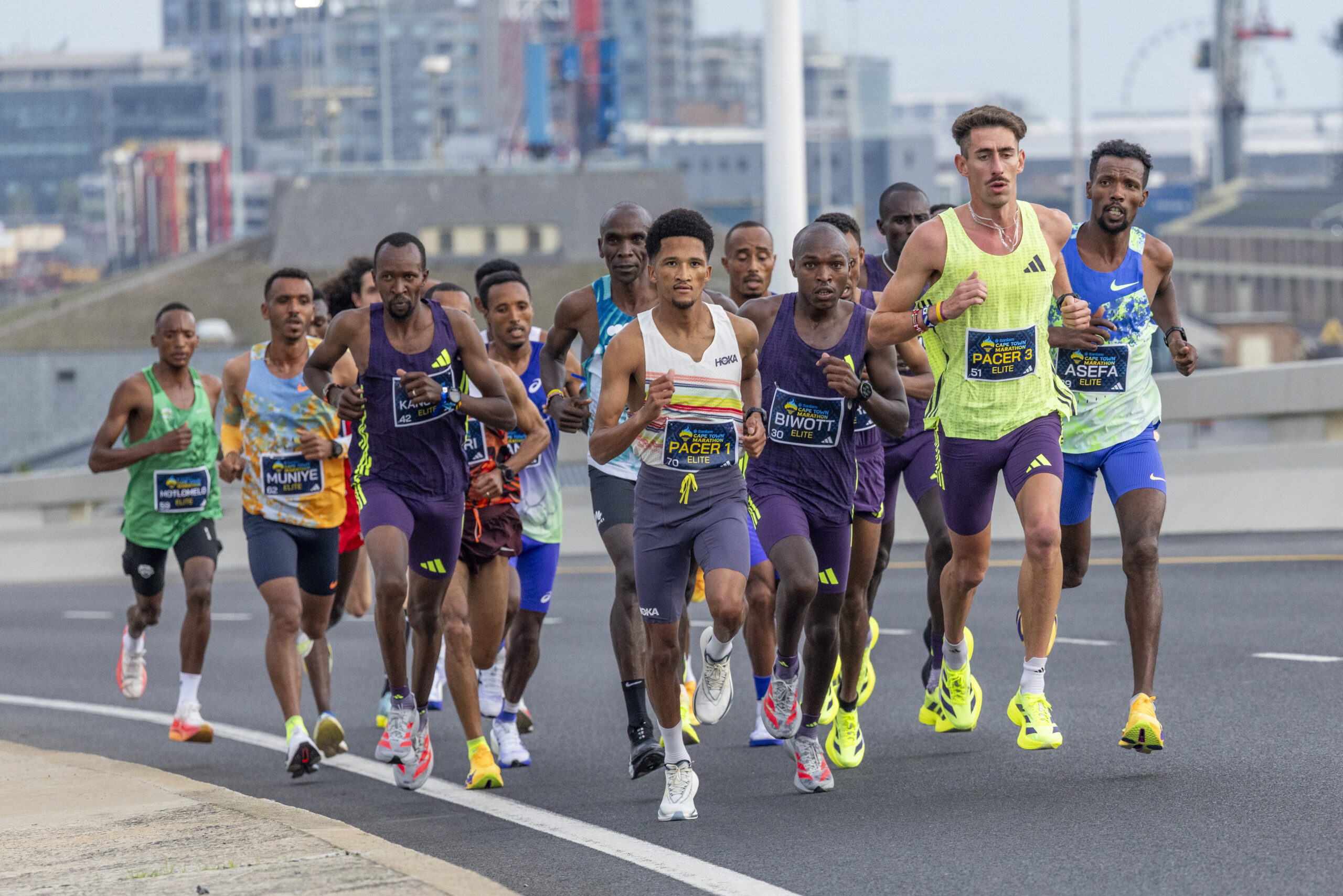
Sanlam Cape Town Marathon assembles strongest elite field in race history

By Adnaan Mohamed

The 2026 Sanlam Cape Town Marathon is set to deliver one of the strongest elite fields ever assembled on African soil when the race takes place in the Mother City on Sunday, 24 May.

As the event continues its push for Abbott World Marathon Majors status, organisers have secured a line-up featuring Olympic champions, world title holders, seasoned marathon winners and some of the fastest athletes in the world.

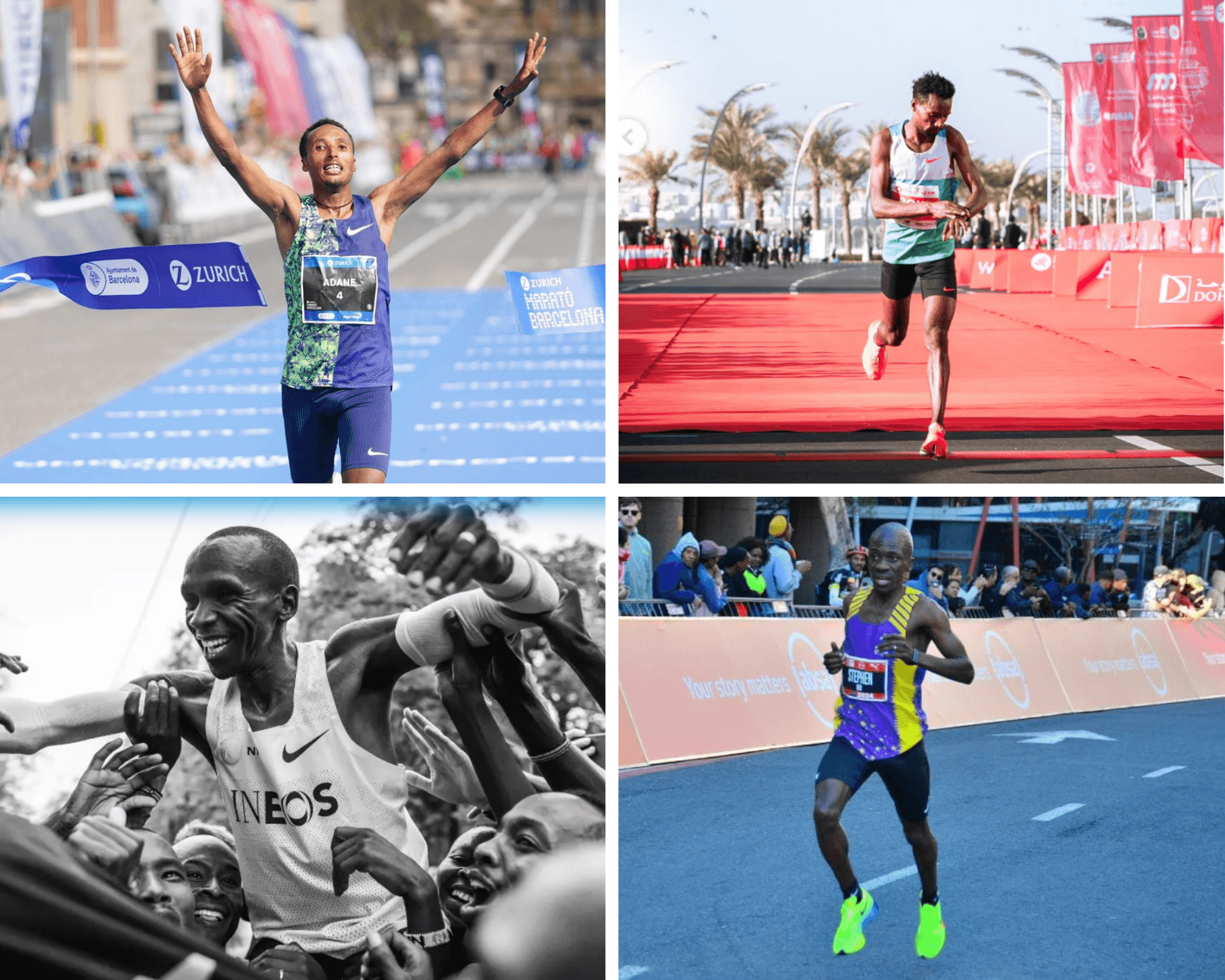
Four-time Olympian Stephen Mokoka will return to familiar territory as he targets a fourth Sanlam Cape Town Marathon title. The Hollywood Athletics Club veteran remains one of South Africa’s most accomplished distance runners and returns to a course where he has already built a formidable legacy.

Mokoka owns a marathon best of 2:06:42 and a half marathon personal best of 59:36, credentials that keep him firmly among the leading contenders despite the depth of the field.

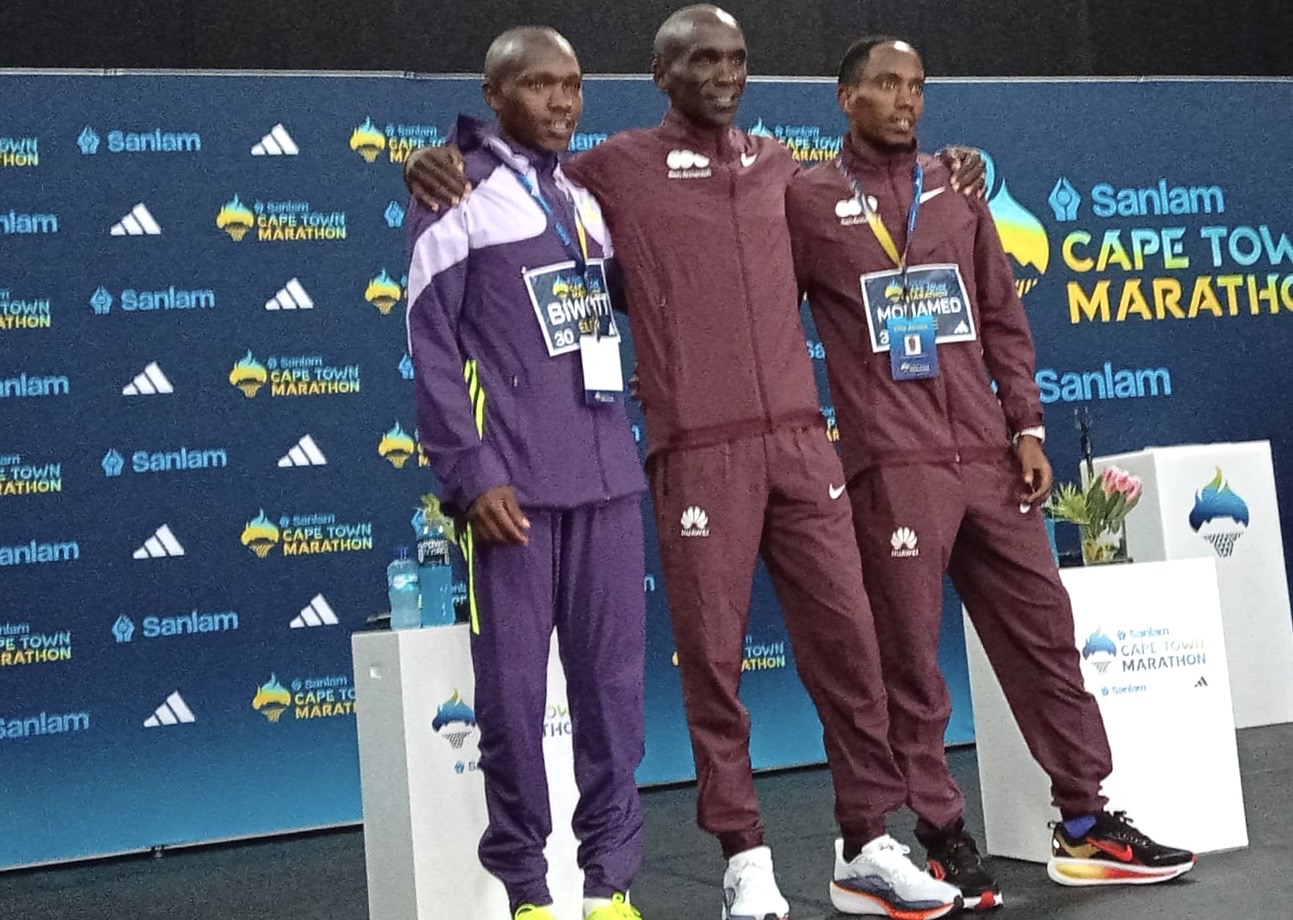
The biggest attraction is set to be Kenyan superstar Eliud Kipchoge, who has confirmed his participation in what will be his first marathon on African soil.

The double Olympic champion will begin an ambitious global campaign in Cape Town, aiming to run marathons across all seven continents over the next two years. The initiative will raise funds for the Eliud Kipchoge Foundation, which focuses on environmental preservation and education projects.

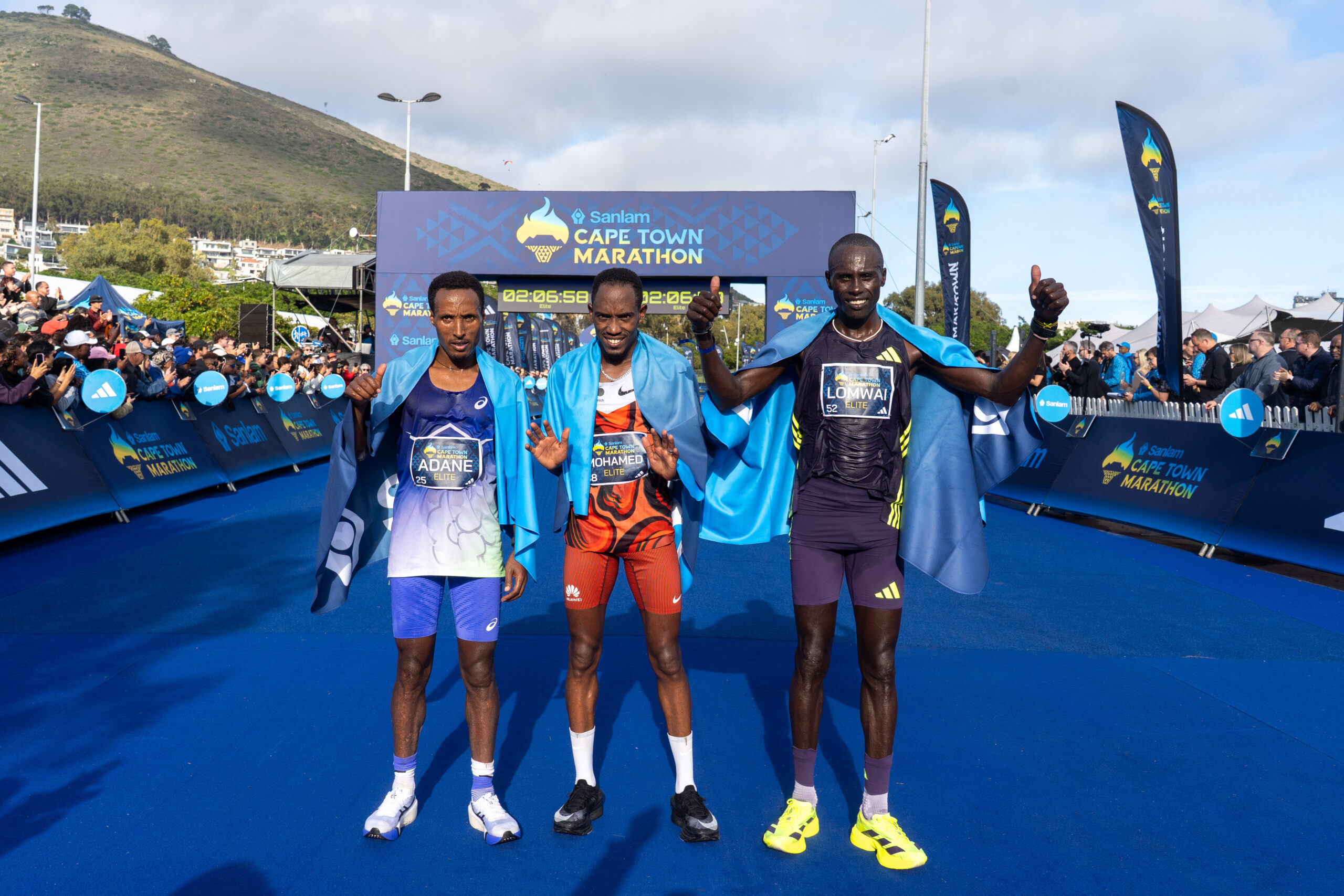
Israel’s Maru Teferi enters the race with the fastest personal best in the men’s field at 2:04:44. He will face strong opposition from a group of sub-2:06 runners that includes Kenya’s Bernard Biwott (2:05:25) and Justus Kangogo (2:05:57), along with Ethiopians Yihunilign Adane (2:05:33), Mulugeta Asefa Uma (2:05:33) and Boki Kebede Asefa (2:05:40).

South African interest in the men’s race will also centre on Desmond Mokgobu and Nadeel Wildschutt, both holders of sub-2:10 marathon performances. Wildschutt’s brother, Adriaan, will take on pacing duties for the elite men’s race.

Thabang Mosiako will be chasing a breakthrough sub-2:10 performance, while former South African 10km record holder Precious Mashele and former national trail representative Kane Reilly are both set to make their marathon debuts.

The women’s field is equally impressive, led by Israel’s Lonah Salpeter, who boasts a personal best of 2:17:45.

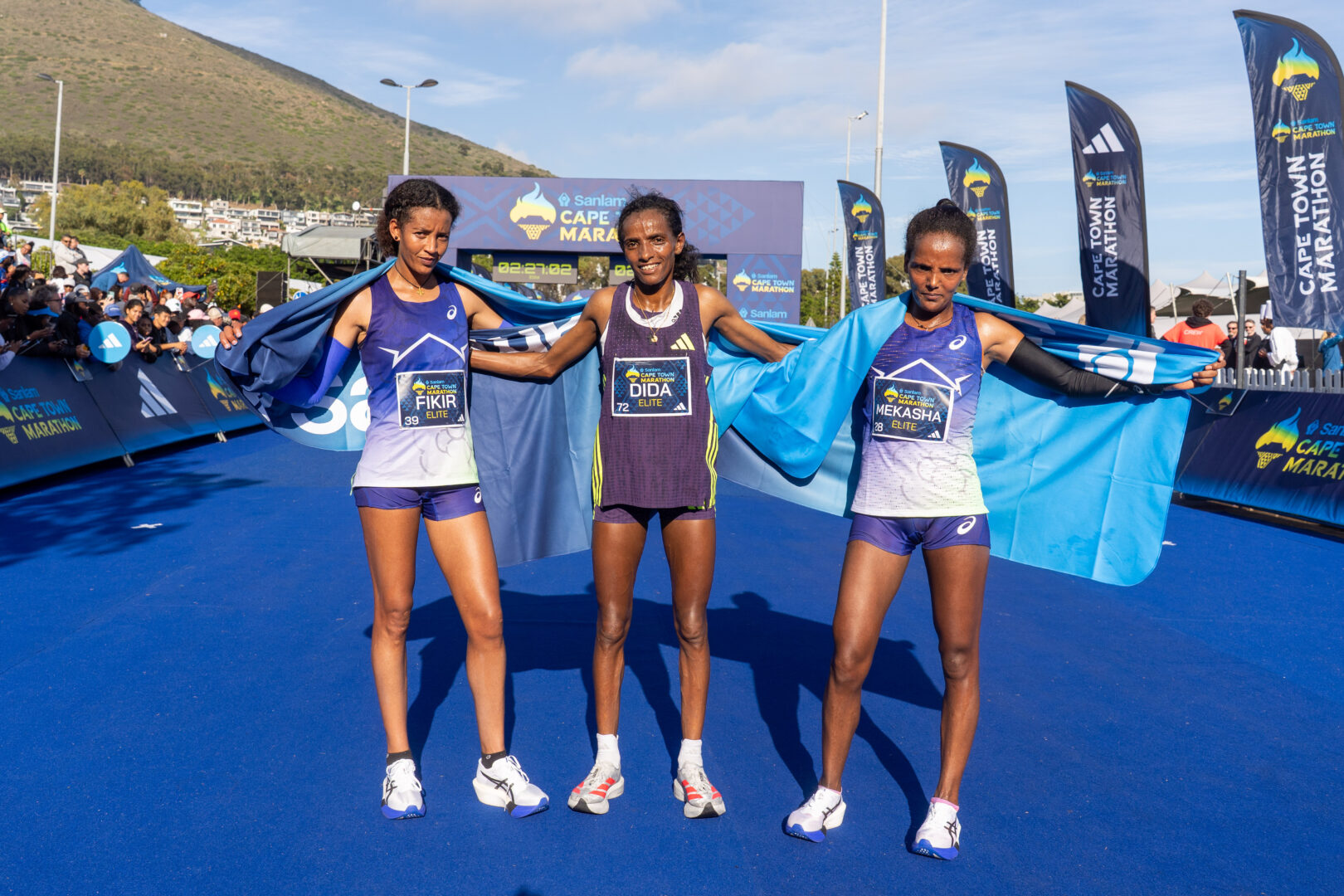
Ethiopia’s Ruti Aga, Dera Dida and Mestawat Fikir bring extensive international marathon experience, while Bahrain’s Desi Jisa Mokonin and Ethiopia’s Waganesh Mekasha add further quality to the contest.

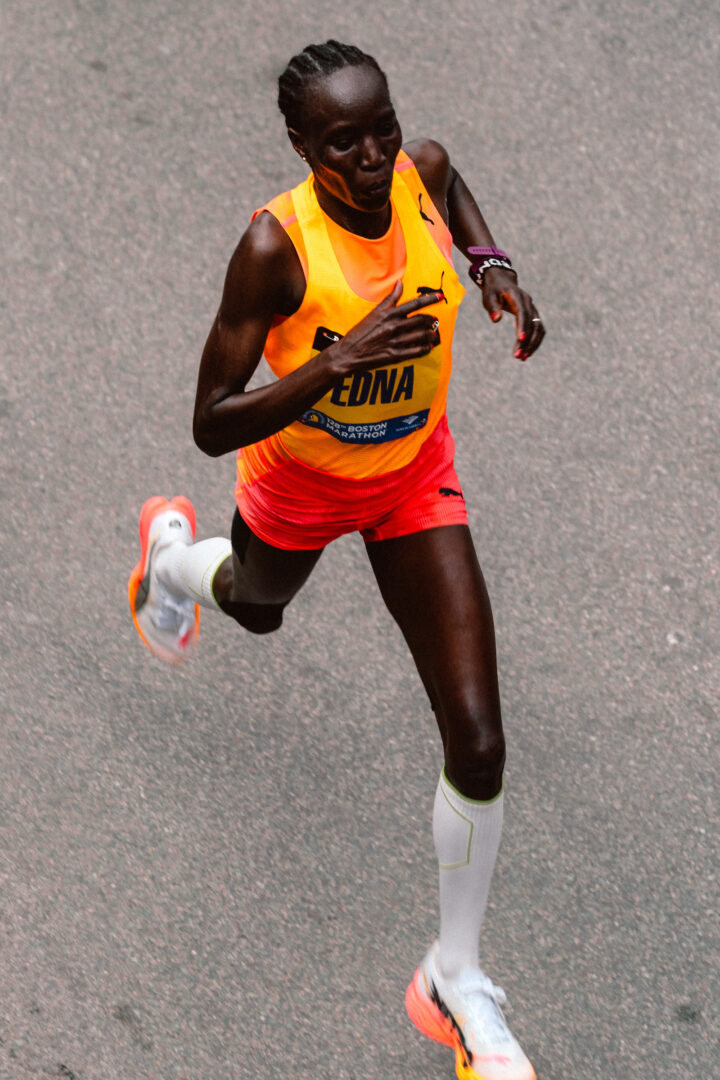
Veteran Kenyan star Edna Kiplagat, a two-time world champion, remains one of the standout names in the field at the age of 47. Zimbabwe-born Fortunate Chidzivo and UK-born Emma Pallant-Browne, now based in South Africa, will also attract local support.

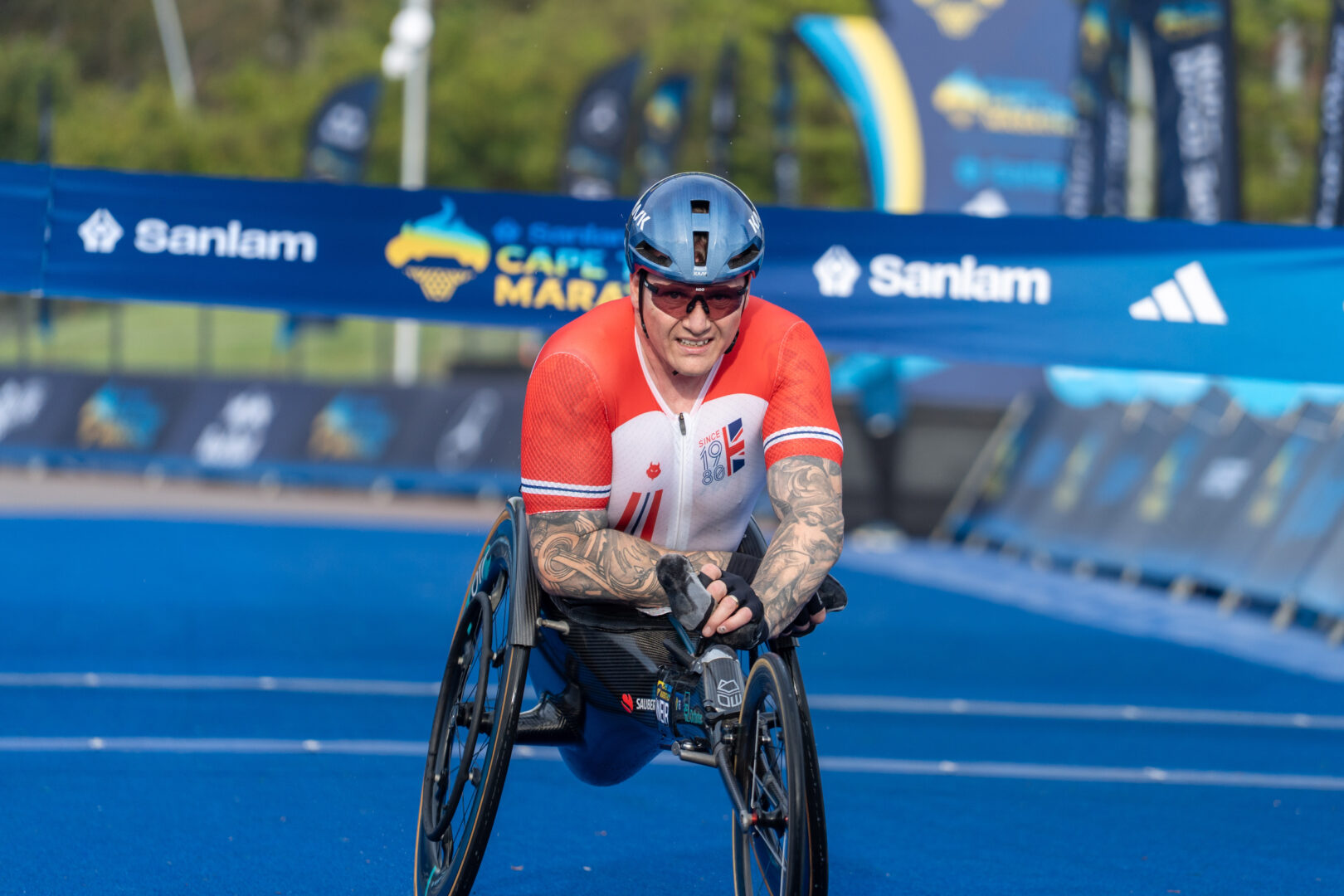
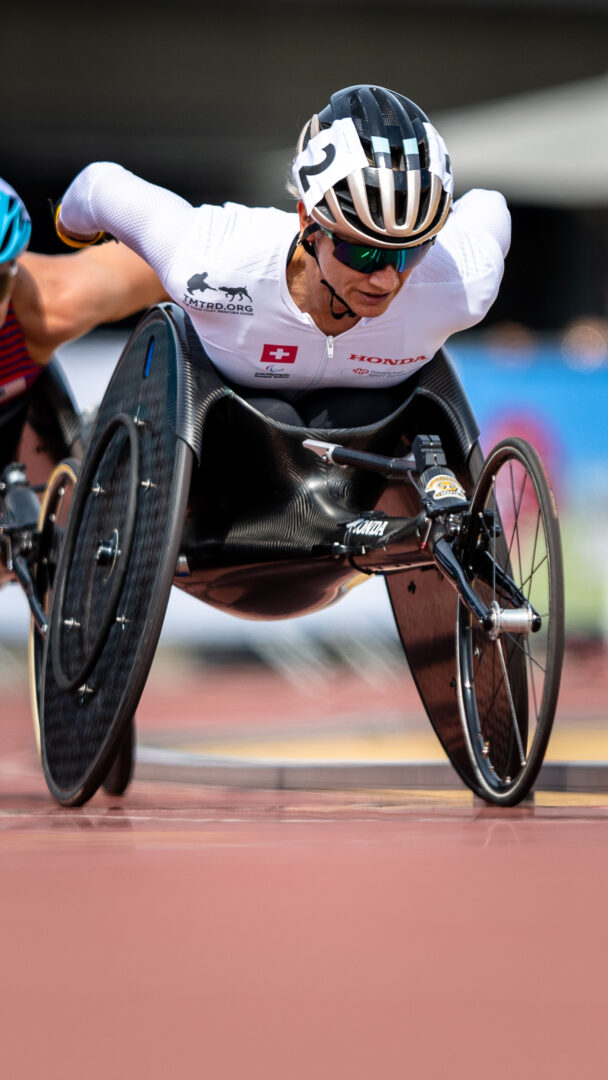
The wheelchair race will feature British great David Weir and Swiss multiple major winner Manuela Schär.

With world-class depth across both elite races, the 2026 Sanlam Cape Town Marathon is positioning itself among the leading marathons on the international calendar.

WATCH | Sebastian Sawe speaks after historic sub-2 hour record rout at London Marathon

By Adnaan Mohamed

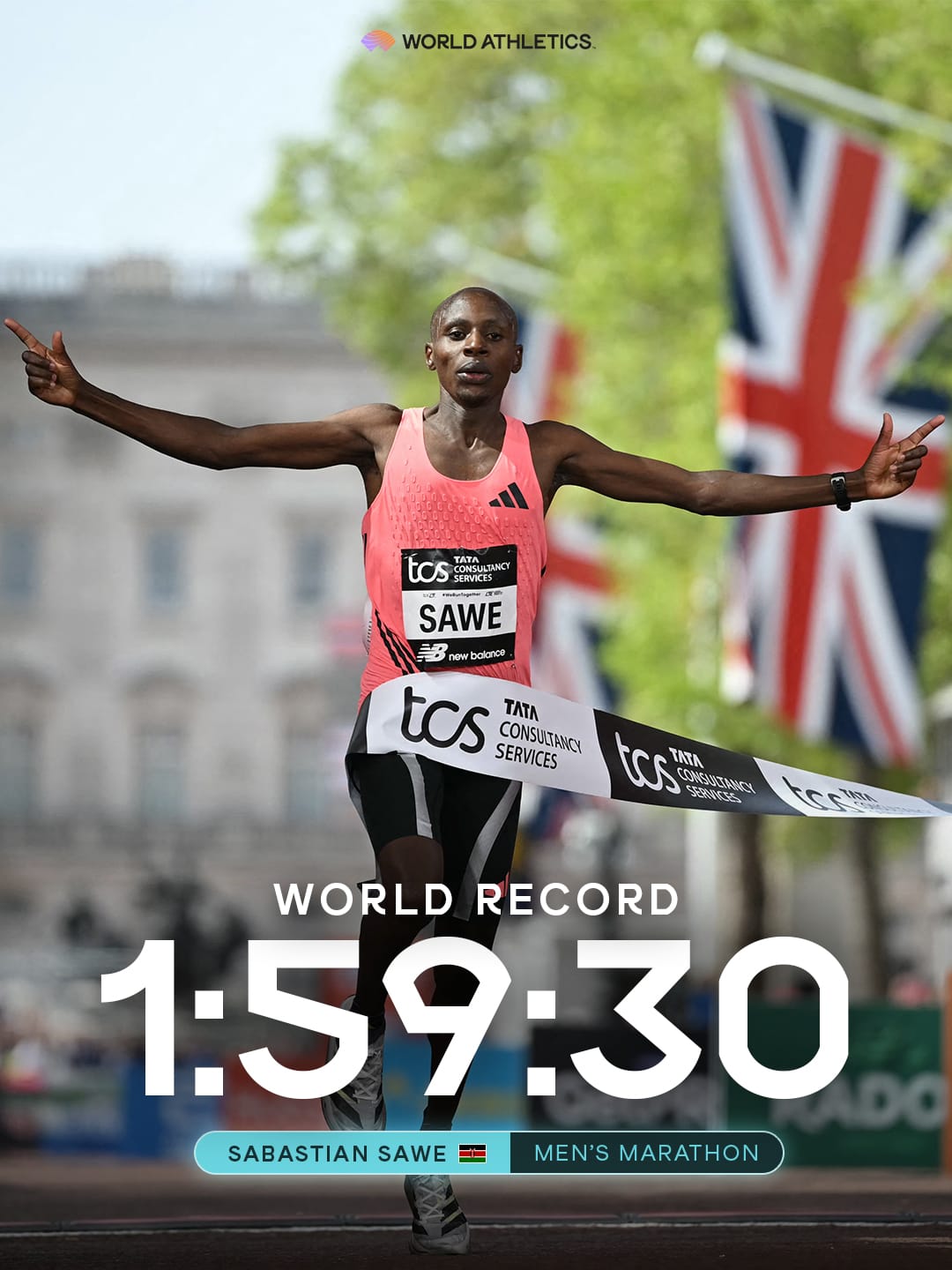
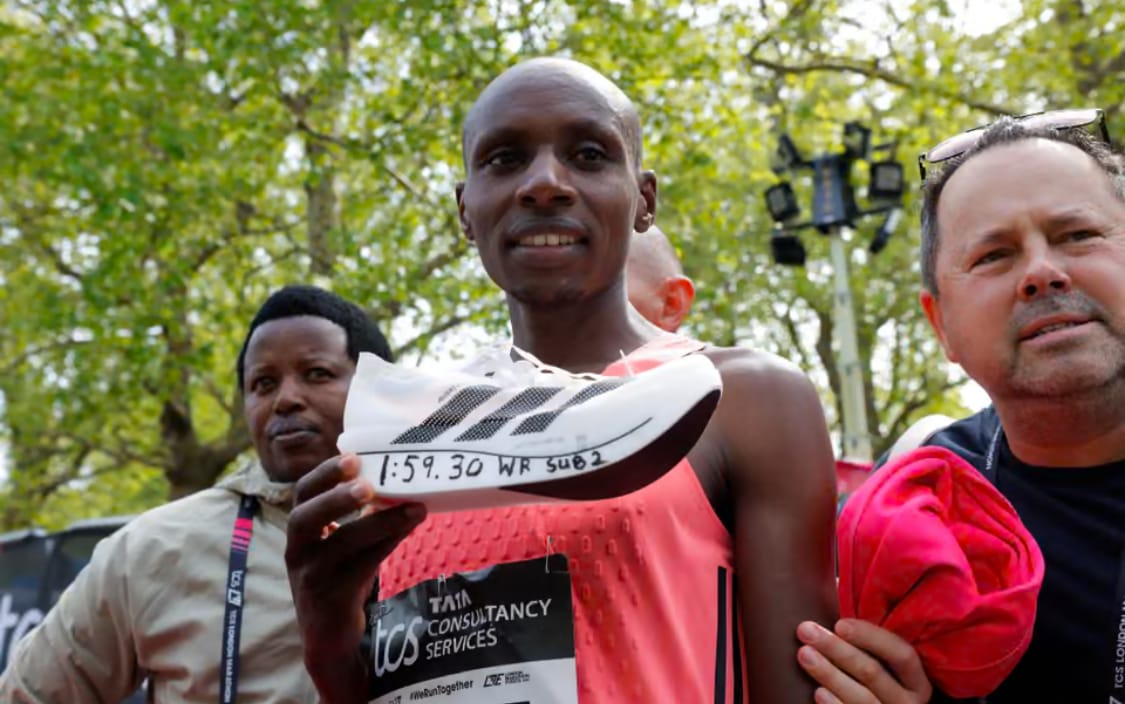
The marathon’s ultimate barrier finally cracked on Sunday as Sabastian Sawe produced a run for the ages to win the London Marathon 2026 in a scarcely believable 1:59:30.

On a cool spring morning that quickly turned electric, the 30-year-old Kenyan sliced through 42.195km with ruthless precision to become the first athlete to go under two hours in a certified race.

Sawe’s time obliterated the previous world record of 2:00:35 set by Kelvin Kiptum in 2023, lowering it by a staggering 65 seconds in what will be remembered as a seismic moment in road running.

“I am feeling good, I am so happy,” Sawe told BBC Sport. “It is a day to remember.

“We started the race well and approaching the end of the race, I was feeling strong and I remember the Ethiopian was so competitive. I think he helped me a lot. Finally, reaching the finish line, I saw the time, I was so excited.

“Today showed me there is time for everyone. I am so happy. I was well prepared. Coming to London for the second time was important to me.

“I want to thank the crowd for cheering for us. I think they had a lot for me because I feel so happy and strong and [was] pushing. What happened today was not for me alone, but for everyone in London.”

If Sawe’s performance lit the fuse, Yomif Kejelcha poured fuel on the fire.

The Ethiopian, making his marathon debut, clocked 1:59:41 to finish 11 seconds adrift, ensuring that two men broke the mythical two-hour mark in the same race. His relentless presence in the latter stages helped turn the closing kilometres into a high-speed duel against both the clock and convention.

Further back, Jacob Kiplimo underlined the extraordinary pace by finishing third in 2:00:28, a time faster than the previous world record.

Eluid Kipchoge congratulates Sawe and Kejelcha on breaking sub-2 hours in London

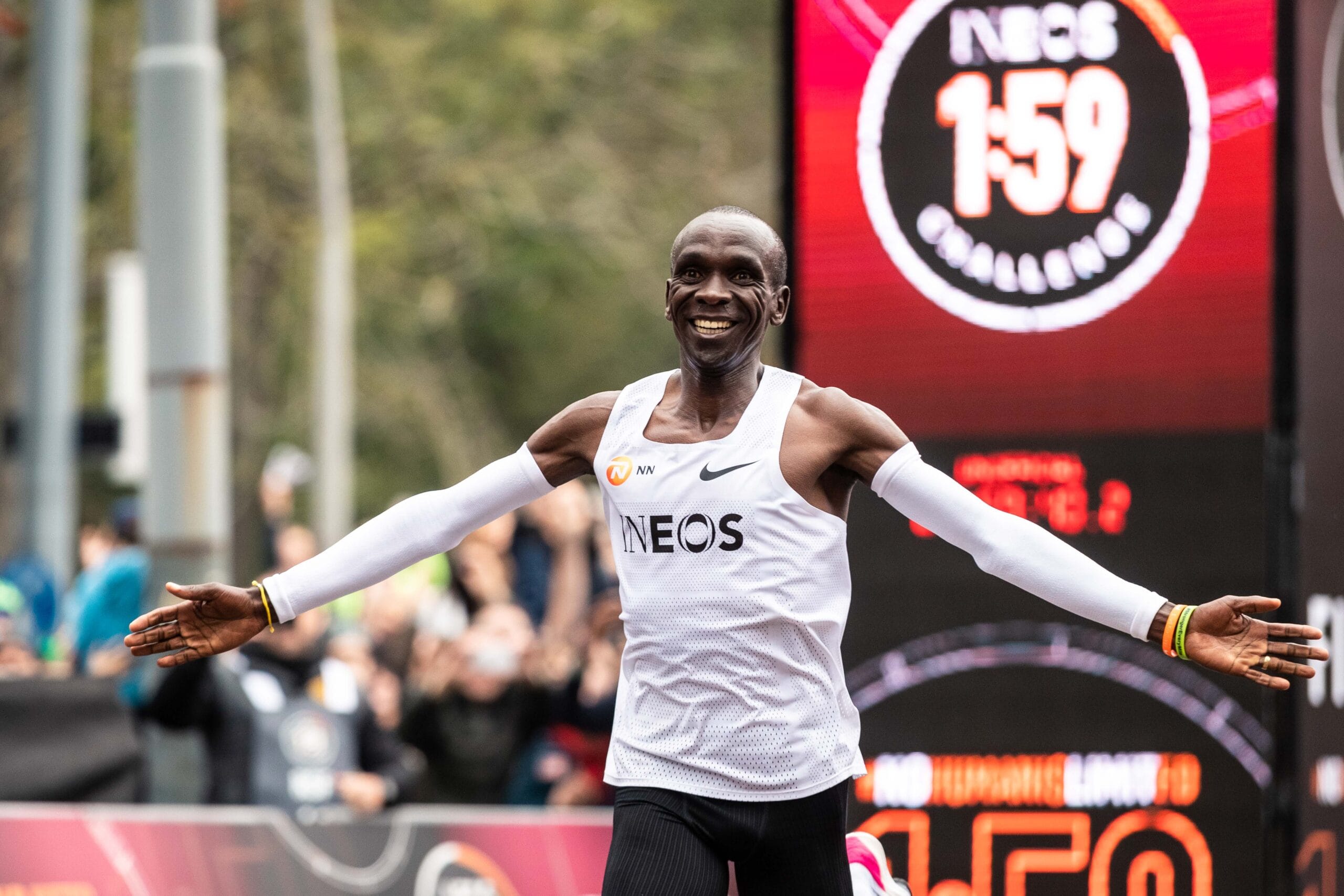
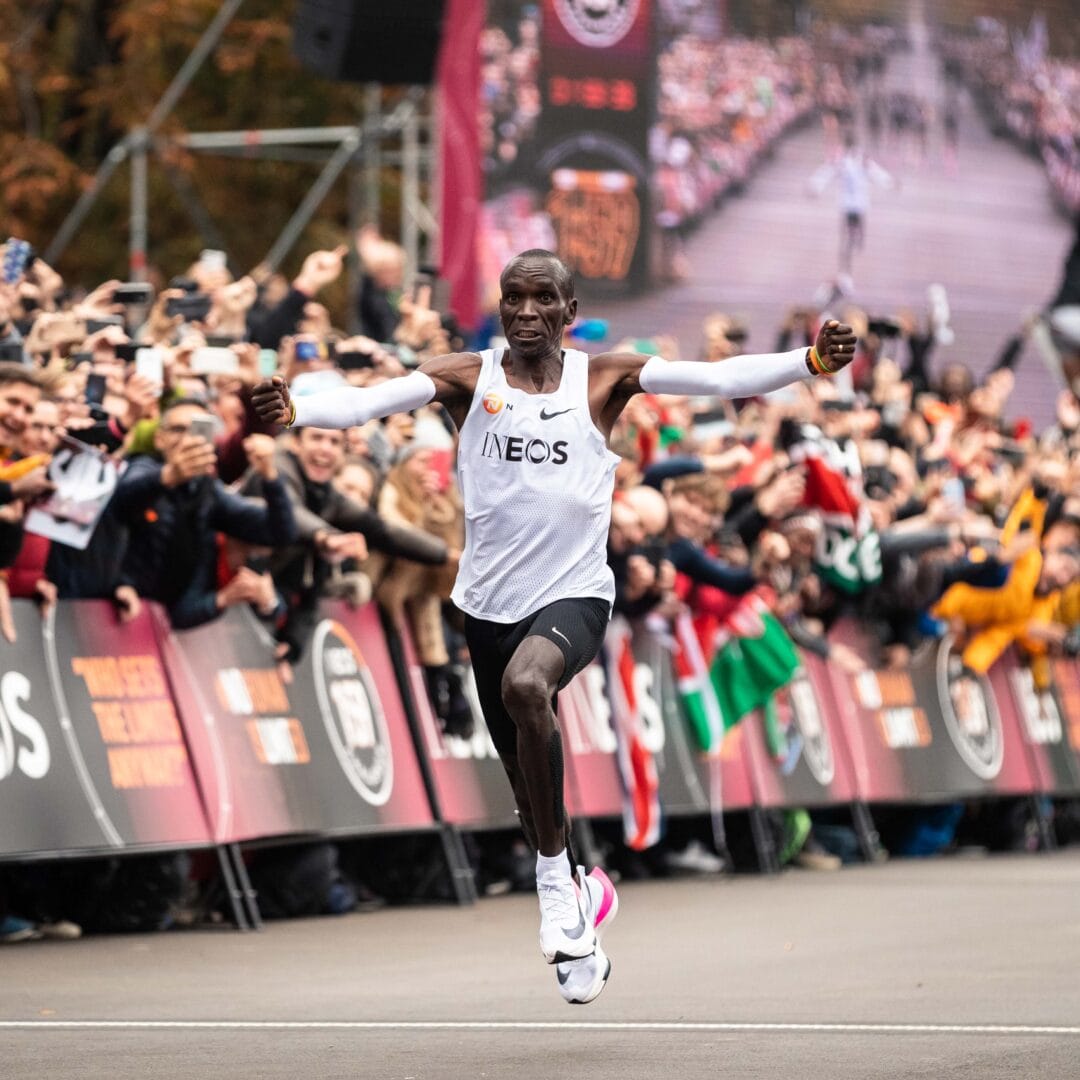
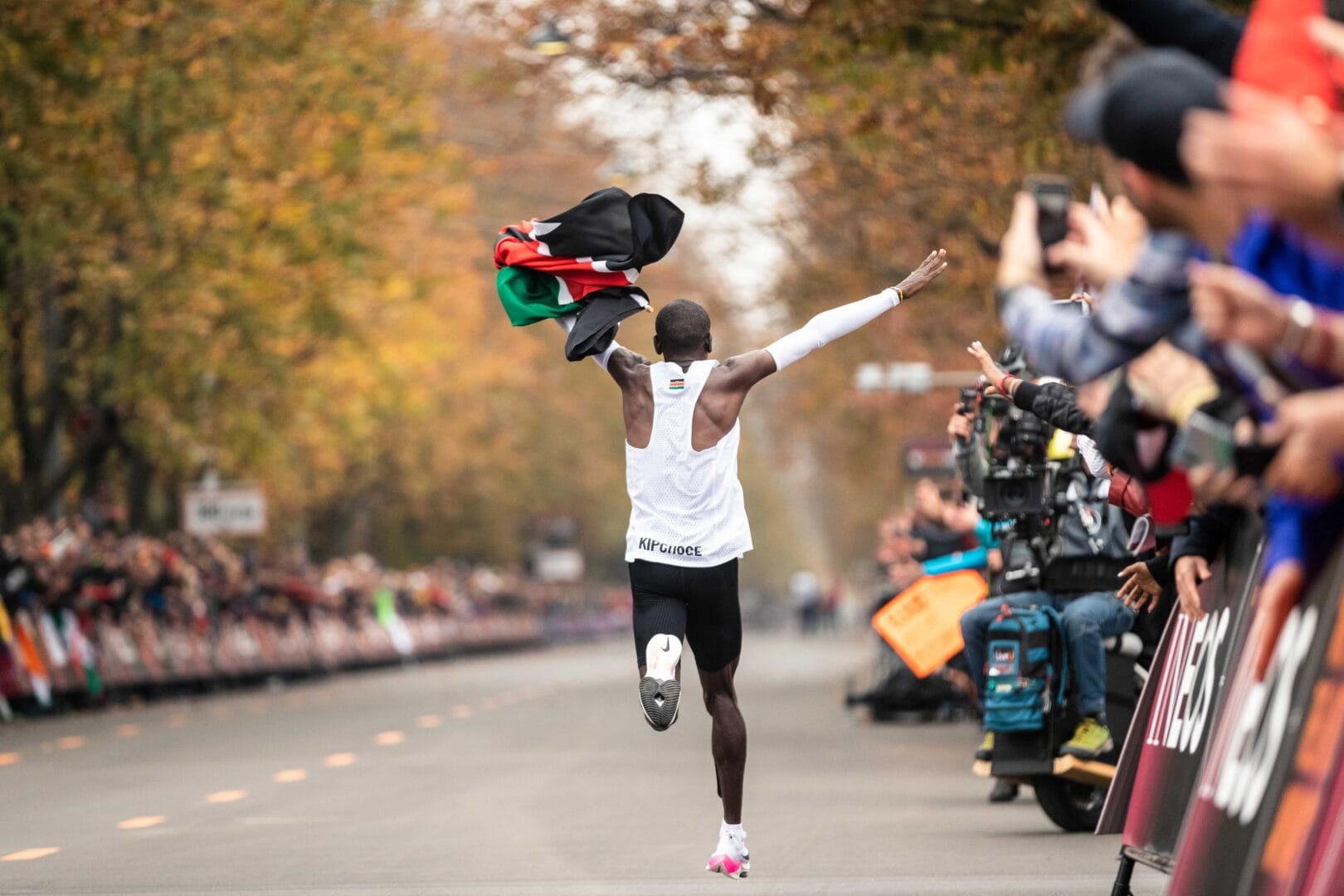
The sub-two-hour milestone had long stood as the sport’s holy grail. Eliud Kipchoge dipped below it during the INEOS 1:59 Challenge, though that effortfell outside official record conditions. In London, the barrier gave way under the weight of a competitive race, pending ratification by World Athletics.

Kipchoge, now easing away from elite racing, hailed the breakthrough.

“Today is a historical day for marathon running!” he said.

“Seeing two athletes break the magical 2-hour barrier at London Marathon is the proof that we are just at the beginning of what is possible when talent, progress and an unwavering belief in the human potential come together. My deepest congratulations to both Sabastian Sawe and Yomif Kejelcha.

“Breaking the sub-two-hour barrier in the marathon has long been a dream for runners everywhere, and today, you’ve made that dream come true.

“During the INEOS 1:59 Challenge we showed the world that it was possible and it has always been my hope to see another athlete continue with this belief and break this magical barrier in a city marathon.

“Let this achievement inspire the next generation and remind everyone in the world that No Human Is Limited.”

Sabastian Sawe storms to 1:59:30 in London, breaking the marathon’s ultimate barrier. Photo: https://x.com/WorldAthletics

Beyond the history, there was also a significant payday. Sawe earned $55,000 for the win, along with a $125,000 world record bonus and a further $150,000 incentive for breaking 2:02, taking his confirmed earnings to around KSh 42.3 million, excluding sponsor deals with brands such as Adidas.

Earlier, the women’s race delivered another record-breaking display as Tigst Assefa successfully defended her title in 2:15:40, trimming 10 seconds off her own world record.

She held off a strong challenge from Hellen Obiri, who finished in 2:15:53, with Joyciline Jepkosgei completing the podium.

With two official sub-two performances on the cards and records tumbling across both races, London 2026 may well be remembered as the day the marathon’s limits were redrawn.

Photo Credits: x.com/WorldAthletics

Why Kipchoge will run his first African marathon in Cape Town

By Adnaan Mohamed

When marathon legend Eliud Kipchoge steps onto the start line of the Sanlam Cape Town Marathon on 24 May 2026, it will mark far more than another race on a decorated résumé. It will be the first time the two-time Olympic champion runs a marathon on African soil.

For the Kenyan icon, the moment carries deep personal and symbolic meaning for the sport that has carried him across the world’s greatest marathon stages.

“Africa is where my journey as a runner began and where the foundation of my success is deeply rooted,” said Kipchoge.

“To start this World Tour in Cape Town is very special. It is about celebrating the strength of African running and inspiring the next generation. To race my first ever marathon on the African continent holds deep meaning for me. I cannot wait.”

Kipchoge confirmed that Cape Town will host his first race of the year and the opening stride of his ambitious project, Eliud’s Running World, which will see him complete seven marathons across all continents.

“As far as the worldwide tour is concerned, on 24 May 2026 my first outing for the year will be in Cape Town,” he said. “It is one of the oldest places in Africa. I decided to start with my own continent. That’s where I’m really starting.”

For decades, African runners have dominated the global marathon scene, filling podiums from Boston to Berlin. Kipchoge believes the time has arrived for Africa itself to stand at the centre of the global running map.

“This means a lot for me,” he said. “This is my first marathon to run in Africa and I’m really happy to run in Cape Town. I want to bring excitement and bring people to Africa.”

The Kenyan star hopes the race will act like a starting pistol for a broader movement across the continent.

“Our idea is to create movement in this world, create movement in Africa and create movement across all the continents,” he said. “My people in Africa have been watching me on television, listening on radio and seeing me on social media. Now it is time to come and run with them, chat with them and be with them.”

Unlike many of his previous races, which focused on chasing records and titles, Kipchoge says his Cape Town run will carry a deeper purpose.

“In many races I competed for world records, victories and course records,” he explained. “This time I run for purpose. I run to inspire people, motivate people and make people move.”

That purpose includes raising funds for the Eliud Kipchoge Foundation, which supports environmental conservation and education initiatives.

“In Africa we are still vulnerable as far as education is concerned,” he said. “Our planet is our home and we need to make it clean.”

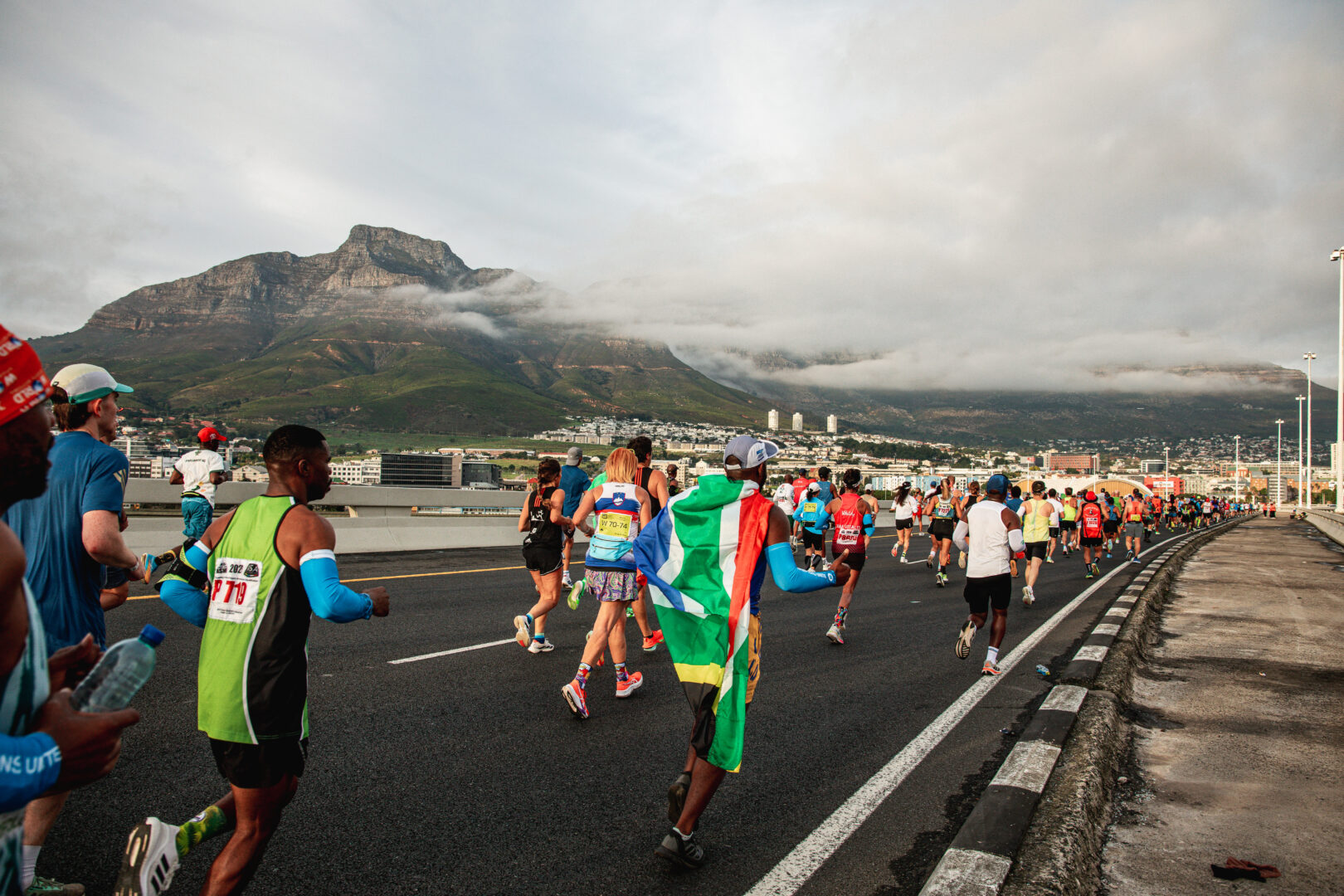
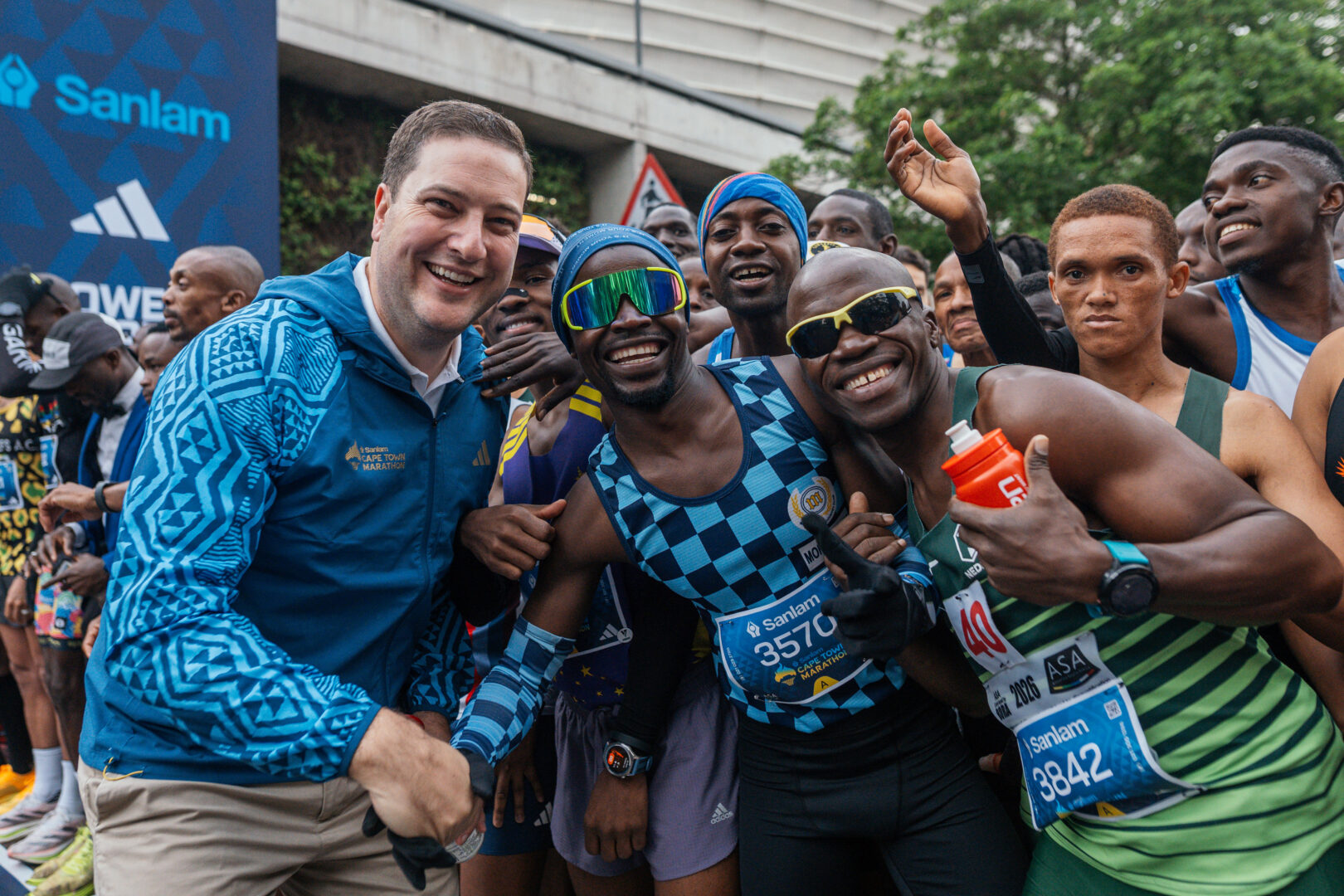
The Cape Town event itself is gathering momentum on the international stage. More than 27,000 runners are expected to take part in 2026 as organisers pursue recognition in the Abbott World Marathon Majors, a step that would give Africa its first Major marathon.

Race CEO Clark Gardner believes Kipchoge’s presence will echo far beyond the finish line.

“Eliud represents the very best of what running can inspire,” Gardner said. “To see him race our streets and engage with young runners across the city will be incredibly powerful.”

For the sport, the image of the world’s greatest marathon runner gliding through the streets beneath Table Mountain could feel like a starting gun for a new era. African athletes have long powered the global marathon engine. Kipchoge’s historic run places the continent firmly on the road map of the sport’s future.