


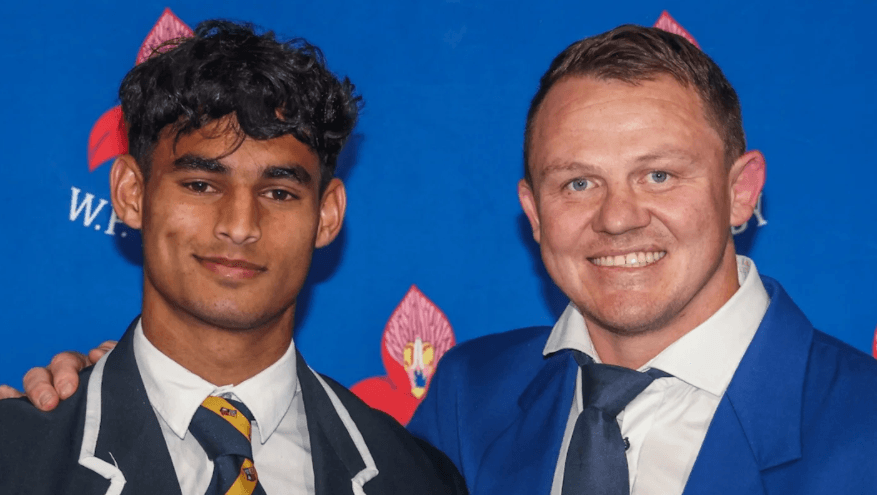
Deon Fourie comes full circle as Stormers hand ‘The Chef’ his chance

Adnaan Mohamed

Deon Fourie’s return for the Stormers against the All Blacks on Friday carries a remarkable sense of rugby symmetry.

The veteran loose forward’s previous appearance against New Zealand came in the Springboks’ dramatic 12-11 Rugby World Cup final victory in Paris in 2023. His comeback now arrives as the Stormers prepare to face the All Blacks for the first time since Western Province’s famous 12-11 victory at Newlands in 1976.

The scoreline is impossible to ignore.

For Fourie, it is another meeting with rugby’s oldest measuring stick. For the Stormers, it is an opportunity to reconnect with one of the Cape’s great rugby memories.

The 39-year-old has been sidelined since May after suffering a knee injury from a croc-roll by Ulster lock Iain Henderson in a URC clash. More than 10 weeks after surgery, he says he is ready.
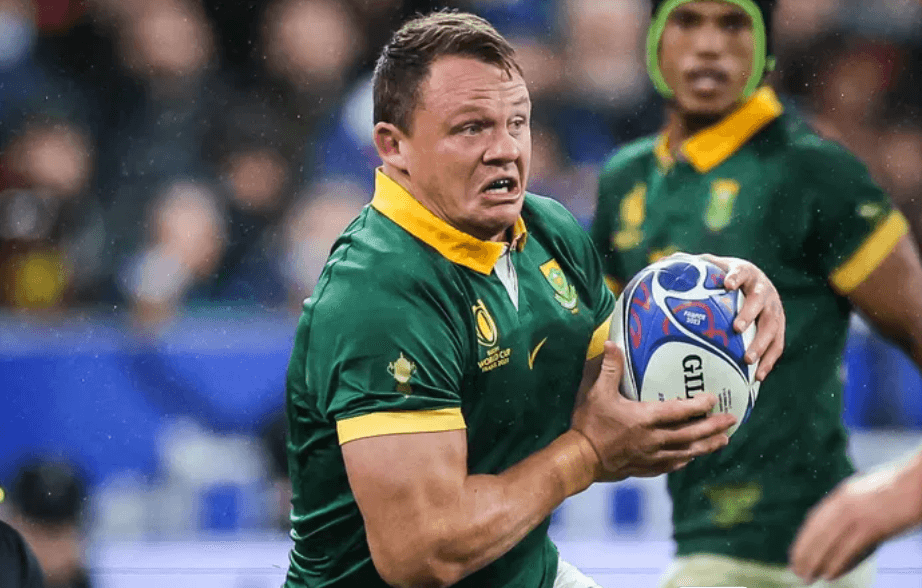
“It’s about 10 or 11 weeks after the operation. Fitness-wise, I’ll probably only be able to tell you on Friday,” Fourie said.

“I am definitely raring to go, and it’s a great opportunity. I was looking forward to this match since it was announced a year or two ago.”

Few players understand the occasion better.

Fourie spent 77 minutes at hooker after replacing the injured Bongi Mbonambi early in the 2023 World Cup final. Playing through a shoulder injury, he made 21 tackles, captained the Springboks during the closing stages after Siya Kolisi’s yellow card and helped preserve South Africa’s one-point victory.

He admits another chance to face the haka seemed unlikely.

“I didn’t know if I would still be able to play this year, but fortunately everything went well, and I will get an opportunity to face the haka again.”

The veteran has not given up on adding to his Springbok career either.

“You always want to wear the green and gold jersey. Hopefully, I can put in a good performance and put my hand up for one or two more Tests.”

While Fourie represents experience, the Stormers are also preparing to unveil one of South African rugby’s brightest young talents.

Highly rated 20-year-old Junior Springbok flyhalf Yaqeen Ahmed is expected to make his senior Stormers debut.

Nicknamed “The Chef” for his ability to cook up attacking opportunities, Ahmed has earned a reputation as one of the country’s most gifted young playmakers. He is expected to partner 22-year-old scrumhalf Imad Khan in a youthful halfback combination against the world’s second-ranked side.
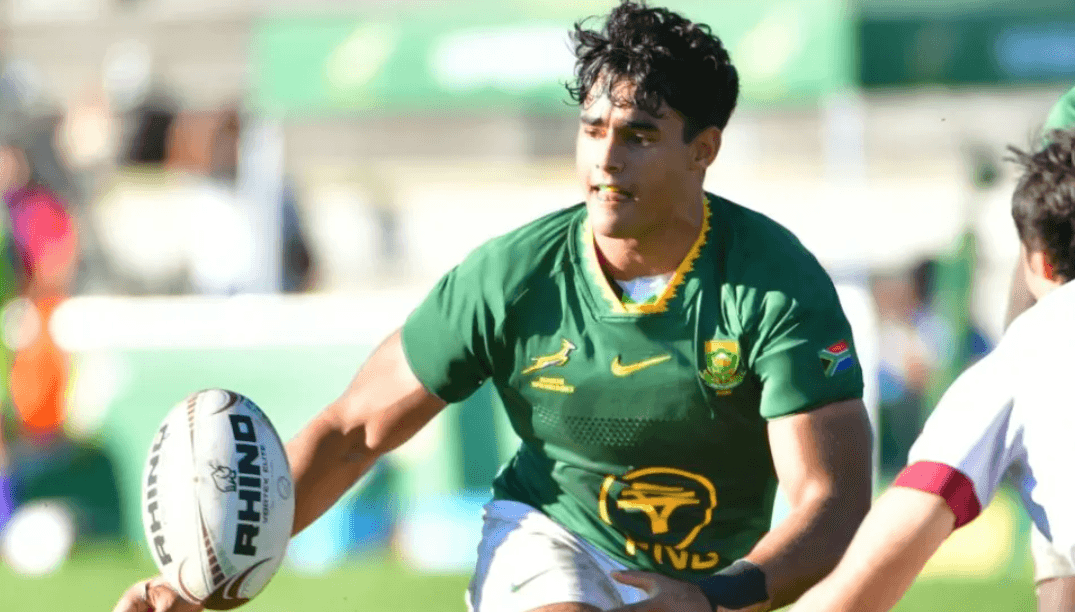
The opportunity has come with several experienced playmakers unavailable.

Sacha Feinberg-Mngomezulu is expected to rejoin the Springboks for Saturday’s Rugby Championship Test against Argentina, while Jurie Matthee continues his recovery from injury.

It leaves Ahmed with one of the toughest introductions in world rugby.

Friday’s clash therefore becomes a meeting of generations.

One player is approaching his 40th birthday and chasing another opportunity in green and gold. The other is taking his first steps at senior provincial level.

One carries the scars of rugby’s biggest battles.

The other carries the promise of many still to come.

Against the All Blacks, there is rarely a gentle beginning or a sentimental ending. There is only the next chapter.
Africa leads Global Safe Sport Conversation in Cape Town

By Adnaan Mohamed

The race to make sport safer is gathering pace, and in Cape Town the baton was firmly placed in African hands.

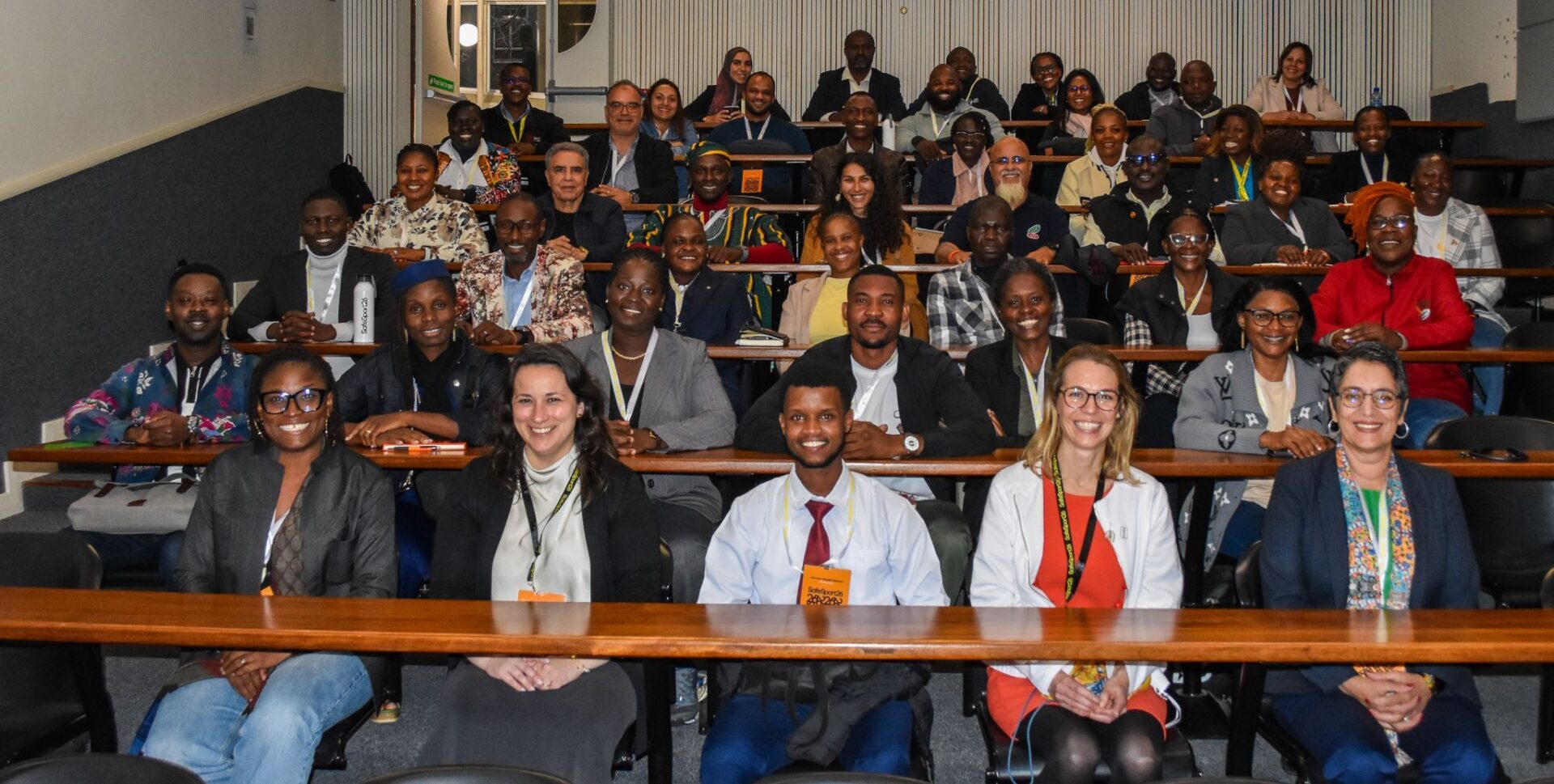
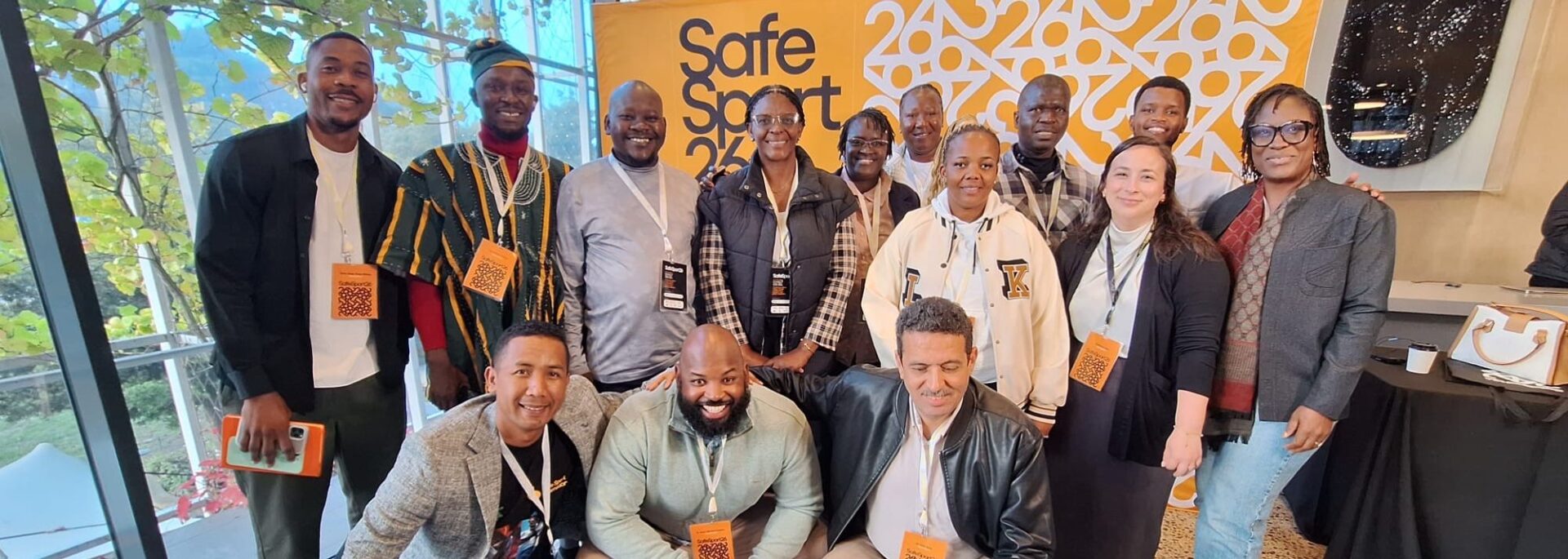
More than 400 delegates from around the world converged on the University of Cape Town for the Safe Sport Global Conference, where World Athletics and World Rugby joined forces to strengthen safeguarding systems and elevate athlete welfare across the continent and beyond.

Held from 25 to 27 May and opening on Africa Day, the conference brought together researchers, policymakers, administrators and safeguarding practitioners in a shared pursuit of a sporting environment where athletes can thrive free from abuse, exploitation and harm.

At the heart of the gathering was a message that resonated through lecture halls and panel discussions alike.

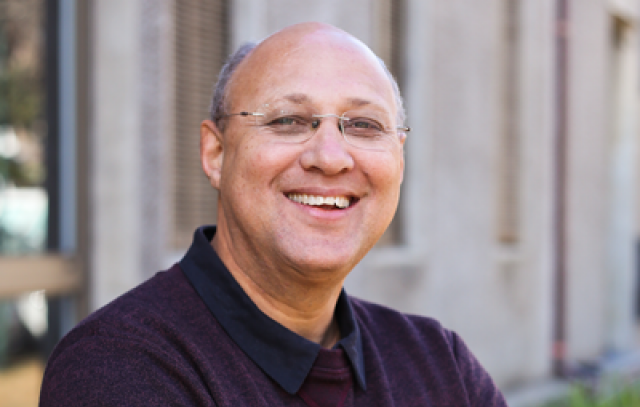
“Safer sport is not built by one discipline, one organisation or one country alone. It depends on shared responsibility, deeper understanding, and stronger systems,” said Associate Professor David Maralack, Head of Department at the School of Management Studies at UCT.

In many ways, the conference embodied that philosophy.

Like teammates linking arms in a defensive line or runners working together through a punishing headwind, World Athletics and World Rugby used the event to create new partnerships, share expertise and strengthen safeguarding networks throughout Africa.

Maralack also highlighted the significance of hosting the conference on African soil.

Hosting the conference at UCT placed African scholarship and lived experience at the forefront of this important dialogue, challenging the historical dominance of perspectives shaped elsewhere.”

For years, safeguarding conversations have often been driven by frameworks developed in Europe and North America. In Cape Town, African experiences moved from the margins to the centre of the field.

The collaboration between athletics and rugby was far more than a symbolic handshake. It reflected a growing recognition that safeguarding challenges are shared across sports and that solutions are often stronger when organisations work side by side.

“The Safe Sport 2026 Conference came at an opportune time for World Rugby/Africa Rugby and World Athletics/African Athletics, as both sports are establishing safeguarding focal points across their African member unions and associations,” said Global Safe Sport Conference Coordinator Norman Brook.

“Both organisations participated in the conference and hosted related side events, including a joint session where rugby and athletics safeguarding officers explored ways to build regional and national support networks.”

The three-day programme examined how safeguarding commitments can be transformed from policy documents into everyday practice. Research presentations, workshops, stakeholder dialogues and keynote sessions tackled topics ranging from athlete welfare and leadership accountability to international cooperation and policy implementation.

World Athletics and the Athletics Integrity Unit contributed expertise through discussions on continental safeguarding networks, trauma-informed case management and the relationship between integrity and athlete protection.

Away from the formal programme, 15 safeguarding leads from African athletics federations met to exchange ideas, discuss challenges and build relationships designed to strengthen athlete protection across the continent. Working alongside World Rugby representatives, delegates forged connections that organisers hope will outlast the conference itself.

Brook believes those relationships could prove invaluable long after delegates returned home.

“The safeguarding officer role can sometimes feel isolating, with few people available for advice,” he said.

“By working together, Rugby and Athletics have created a practical way to provide mutual, on-the-ground support across their networks.”

The importance of collaboration emerged as one of the event’s defining themes.

Neal Andersen, CEO of Safe Sport International, said that at its core “safe sport is the only sport that matters”.

National Athletics Association of Zimbabwe safeguarding officer Tawanda Mutero said the conference demonstrated growing global commitment to athlete safety.

“It emphasised listening to athletes and putting them first. Collaboration was highlighted as key to making sport safer for everyone.”

Athletics Namibia safeguarding officer Victoria Tilovanhu Katukula echoed those sentiments.

“The Safe Sport Conference provided a valuable opportunity for networking with professionals committed to creating safer sporting environments. My takeaway is that safeguarding is everyone’s responsibility and it is not done overnight.”

That message became the conference’s enduring refrain.

Safeguarding is not a sprint to be won in a single season. It is a marathon requiring patience, vigilance and collective effort. Strong policies matter, although culture, education and accountability ultimately determine whether athletes feel protected.

As delegates departed Cape Town, the conference concluded with a call to carry the Safe Sport legacy forward.

The final whistle may have sounded on three days of discussion. The work of protecting athletes, however, continues every day in training grounds, boardrooms, clubhouses and classrooms across the world.

If the conference achieved one thing, it was reinforcing a simple truth. Athlete safety is not the responsibility of a select few. It belongs to everyone who shares the field, the track and the future of sport.

Safeguarding is not a sprint to be won in a single season. It is a marathon requiring patience, vigilance and collective effort. Strong policies matter, although culture, education and accountability ultimately determine whether athletes feel protected.

As delegates departed Cape Town, the conference concluded with a call to carry the Safe Sport legacy forward.

The final whistle may have sounded on three days of discussion, although the real work has only begun.

If the conference achieved one thing, it was reinforcing a simple truth. Athlete safety is not the responsibility of a select few. It belongs to everyone who shares the field, the track and the future of sport.