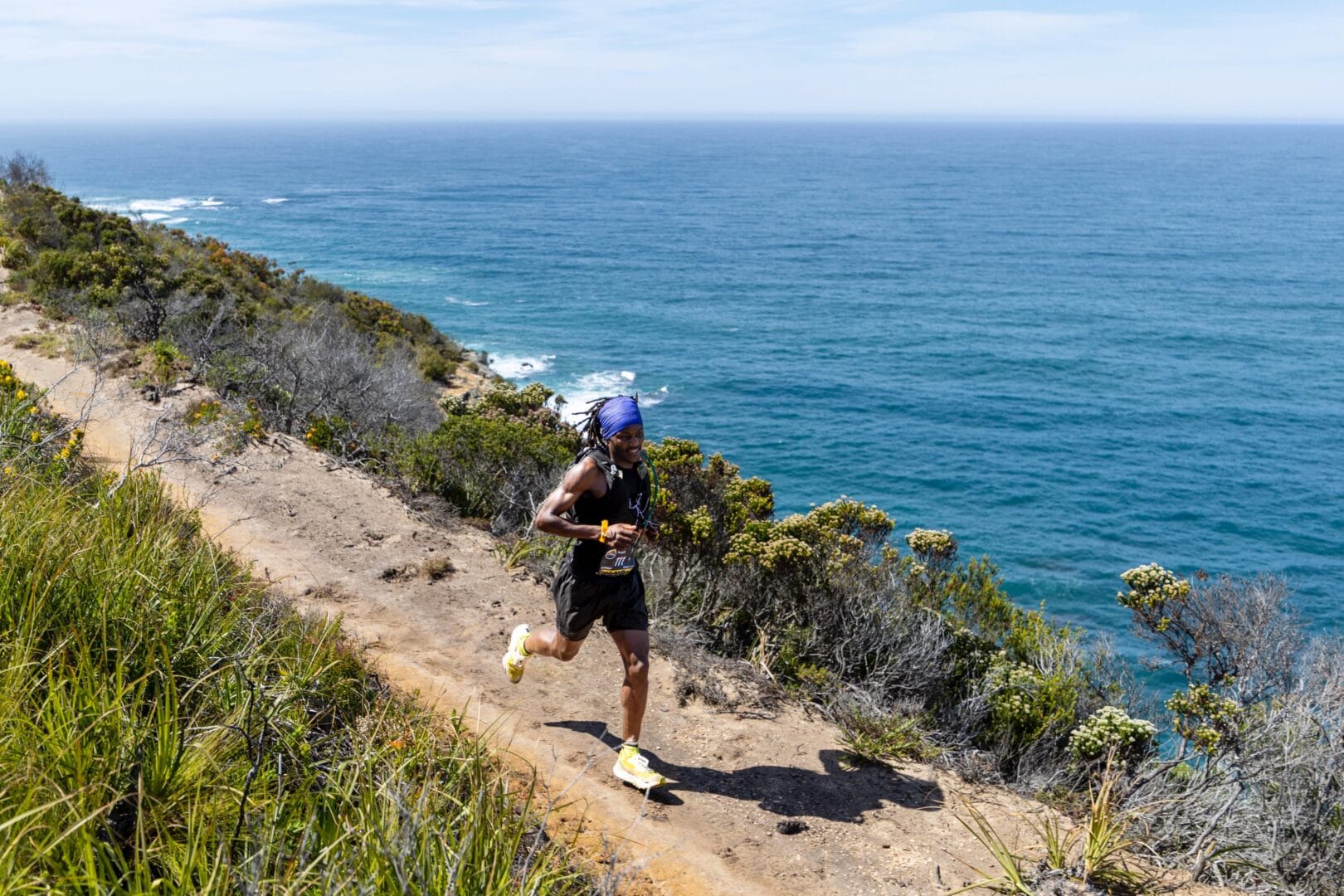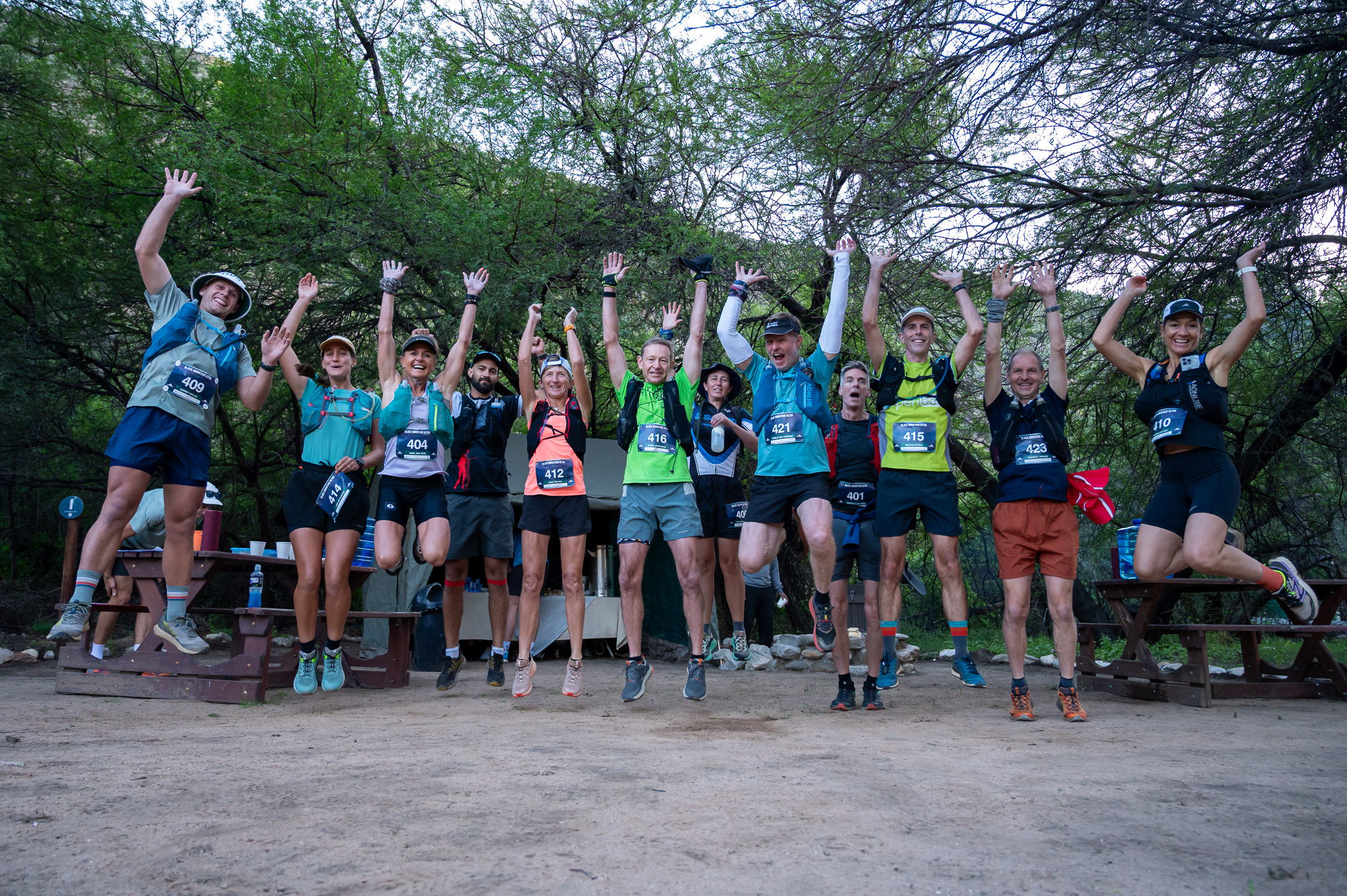
Where the mountains test your soul: Black Mountain Ultra beckons

By Adnaan Mohamed

There are mountains that invite you to admire their beauty. Then there are mountains that demand you earn the privilege of experiencing them.

Deep in the rugged heart of the Klein Karoo, the Swartberg Mountains offer both in generous measure. Their formidable slopes, unforgiving shale trails, technical descents and exposed ridgelines promise an adventure where every kilometre comes with a price, every climb tests your resolve and every summit offers a breathtaking reward.

For those brave enough to answer the call, the Black Mountain Ultra returns on 16 October 2027, bringing trail runners back to one of South Africa’s most spectacular and demanding mountain playgrounds.

Based near Calitzdorp, with its race village at The Retreat at Groenfontein, approximately four hours from Cape Town, the event offers four distances: 73km, 43km, 19km and 6km.

An ITRA-accredited and UTMB Index race, Black Mountain Ultra is back for its second edition following an inaugural event in 2026 that attracted 136 participants across the four distances.

However, the real story behind this emerging trail-running adventure stretches far beyond elevation profiles, finishing times and accumulated kilometres.

At its heart is a personal connection to the mountains, an extraordinary endurance journey and a vision to put the Klein Karoo firmly on the adventure-tourism map.

From personal battles to mountain ambitions

For founder Elize van Staden, Black Mountain Ultra represents the coming together of two lifelong passions: endurance sport and the great outdoors.

Elize van Staden Photo: Supplied

Her own journey has been punctuated by formidable challenges, including several Ironman events, ultramarathons and the extraordinary 111km La Ultra in the Himalayas.

Her relationship with endurance sport began with a refusal to surrender.

In 2007, van Staden was advised that she would have to give up running. Surgery followed, and during her recovery she needed a new goal. Someone suggested Ironman.

The distance seemed almost incomprehensible, but completing her first event, despite suffering two flat tyres, ignited a passion that would take her to some of the world’s most challenging endurance destinations.

A significant deep-vein thrombosis (DVT) later presented another obstacle. Her response was to take on La Ultra, an intimidating 111km adventure at extreme Himalayan altitude.

For van Staden, the attraction of endurance sport lies in discovering what remains possible when the body and mind begin negotiating for an early finish.

“I’ve always believed I could go further than I might first imagine,” she explains.

“Life is too short to be ruled by ‘what ifs’. I think we should do the things that scare us, take on the challenges that excite us, and give ourselves the chance to discover what we’re capable of.”

La Ultra delivered a particularly brutal lesson in mental resilience.

Runners endured a night of temperatures reaching minus 10 degrees Celsius before climbing into daytime conditions exceeding 40 degrees.

The physical toll accumulated with every kilometre, leaving her feet, back and almost every muscle protesting.

One moment remains particularly vivid.

With only 9km remaining, van Staden passed her hotel in Leh, went inside, sat on the couch and put her feet in water.

Getting back up proved an enormous psychological battle.

Encouraged by those around her, she eventually stood and walked the remaining distance to the finish.

The experience reinforced a philosophy that now underpins her approach to endurance and the Black Mountain Ultra.

“You don’t have to feel certain you can finish. You find a way to keep moving while the doubt is still there.”

Her strategy is refreshingly uncomplicated: break an overwhelming challenge into manageable pieces.

Reach the next hill. Get to the summit. Then decide what comes next.

It is advice that will resonate with anyone staring up at the Swartberg’s intimidating slopes.

A mountain race born from a lifelong connection

The inspiration behind Black Mountain Ultra stretches back to Van Staden’s childhood.

Her father grew up in Ladysmith, and family trips to the Swartberg introduced her to the rugged beauty of the Klein Karoo.

A particularly significant moment arrived in 2010 during a five-day bikepacking expedition from Prince Albert to Van Wyksdorp.

Cycling along Groenfontein Road outside Calitzdorp, she looked across a secluded valley framed by the imposing Swartberg Mountains.

The possibility of creating a race was not yet on her radar, but the landscape stayed with her.

Years of returning to the region, exploring its roads, trails and mountain passes, eventually helped transform that connection into an ambitious project.

“We wanted to share this remote landscape through an experience worthy of it,” she says.

Establishing an event in such an isolated mountain environment was a considerable undertaking, requiring relationships with CapeNature, private landowners and the local community.

The first person in Calitzdorp to support the idea was Erika Calitz, who operates the Donkey Trail concession.

Her knowledge of the terrain and community helped open doors and gave the organisers confidence to pursue the project.

That early support became the foundation of an event built on collaboration and local involvement.

The mountain always gets the final say
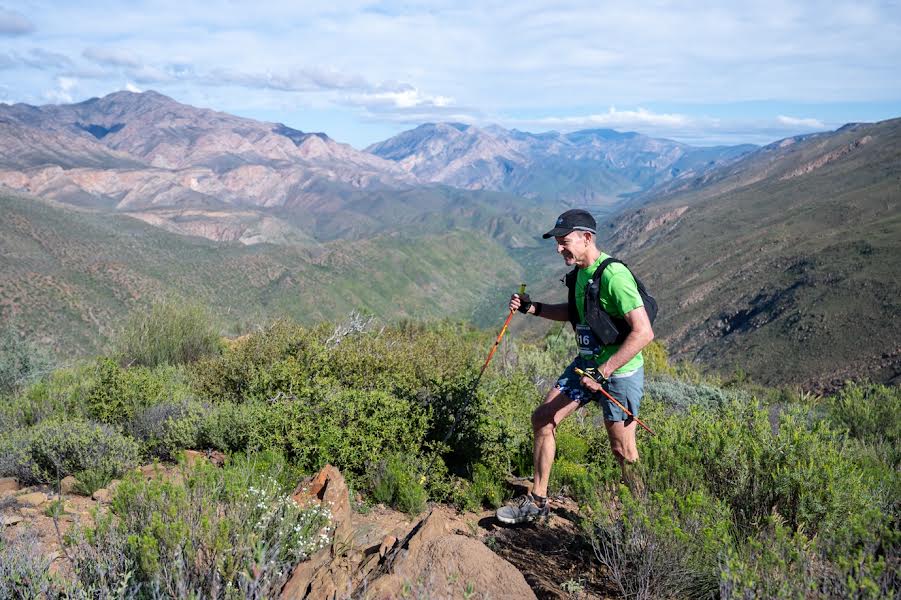
The 73km route is a serious examination of mountain-running credentials.

Its 2,838m of climbing comes through a succession of demanding ascents and descents, with fatigue accumulating as runners negotiate rough terrain and exposed mountain sections.

Shale underfoot takes its toll, shade is scarce and unpredictable weather adds another layer of complexity.

One section, however, deserves particular attention.

Van Staden identifies the climb from Fonteinplaas, out of Gamkaskloof towards Donkey Camp and the route’s highest point, as the toughest section of the race.

By then, runners will already have descended The Ladder and crossed the valley.

Their legs will be carrying the accumulated punishment of the earlier terrain when the long, exposed ascent begins.

Conditions can change dramatically, with valley heat giving way to cold and wind at higher elevations.

Reaching the summit offers little opportunity for celebration. A lengthy, technical descent over loose and uneven ground still awaits.

The mountain has a wicked sense of humour.

For van Staden, preparation is non-negotiable.

“Build time on your feet, practise climbing and descending on rough terrain, and test your nutrition, hydration and kit before race day.”

Mandatory equipment requirements also deserve serious attention. Runners must understand that carrying the prescribed gear is an essential part of participating responsibly in remote mountain terrain.

Her advice to prospective entrants is simple: respect the route and never underestimate it.

“Black Mountain Ultra is not only for the fastest runners. It is for people willing to prepare, respect the mountain and take on something that feels bigger than their everyday experience.”

For first-time mountain ultrarunners, she recommends building gradually, developing confidence through experience and learning to manage the terrain rather than concentrating exclusively on distance.

And perhaps most importantly, runners should not wait until every trace of doubt disappears.

A little uncertainty is part of the adventure.

Beyond the finish line: Growing the Klein Karoo

Black Mountain Ultra is the flagship event of Traverse The Earth, a female-founded and female-led South African adventure and eco-tourism company established by Van Staden in 2025.

Its ambitions extend well beyond staging an annual trail race.

The broader vision is to develop cycling, e-bike and locally led adventure experiences connecting visitors with Calitzdorp, Route 62 and the surrounding Klein Karoo.

Wine farms, food, art, local producers, natural attractions and existing trails all form part of the bigger picture.

The objective is to encourage visitors to stay longer, explore further and invest in communities that often remain overlooked by mainstream tourism.

October is particularly significant.

The Garden Route and Klein Karoo Tourism Strategy 2025–2030 identifies events as an important mechanism for spreading tourism benefits across different seasons and destinations.

With tourism traditionally peaking during December and January, an October event provides an opportunity to attract visitors during a quieter period.

Van Staden believes Route 62 is increasingly establishing its own identity as a destination.

“More people are beginning to recognise it as a destination in its own right, where they can enjoy slower, more meaningful experiences,” she says.

The race also offers tangible benefits to local businesses.

Accommodation providers, restaurants, shops, farms and other enterprises contribute to the event, while runners frequently travel with family members, friends and support crews who spend several nights in the region.

The message is clear: come for the mountains, stay for the Klein Karoo.

Sustainability with purpose

Environmental responsibility and community involvement are woven into the event’s DNA.

The inaugural race introduced several practical initiatives aimed at reducing waste and supporting environmental restoration.

Finishers received spekboom plants through Jobs for Carbon, a landscape-restoration programme operating in Vanwyksdorp.

A total of 190 handmade goodie bags were produced using discarded T-shirts, curtain material and other fabric waste through a collaboration with Re.Bag.Re.Use and members of the Vroue Landbou Vereeniging.

Single-use plastic was eliminated at aid stations, with reusable soft cups provided to participants.

These initiatives will form part of the event’s ongoing sustainability commitment.

Black Mountain Ultra also supports the Klein Karoo Athletics Fund, which helps local athletes access coaching, development and competition opportunities.

Its wider environmental partnerships include Jobs for Carbon and the Gouritz Cluster Biosphere Reserve, which works to protect biodiversity while strengthening resilient landscapes and communities.

Local volunteers are equally important, assisting with registration, equipment checks, route marking, aid stations and runner support.

Landowners contribute invaluable knowledge about access, gates, water points and the logistical demands of operating in remote terrain.

This is community tourism in action, with the mountains providing the spectacular backdrop and local people helping make the experience possible.

An adventure worth travelling for
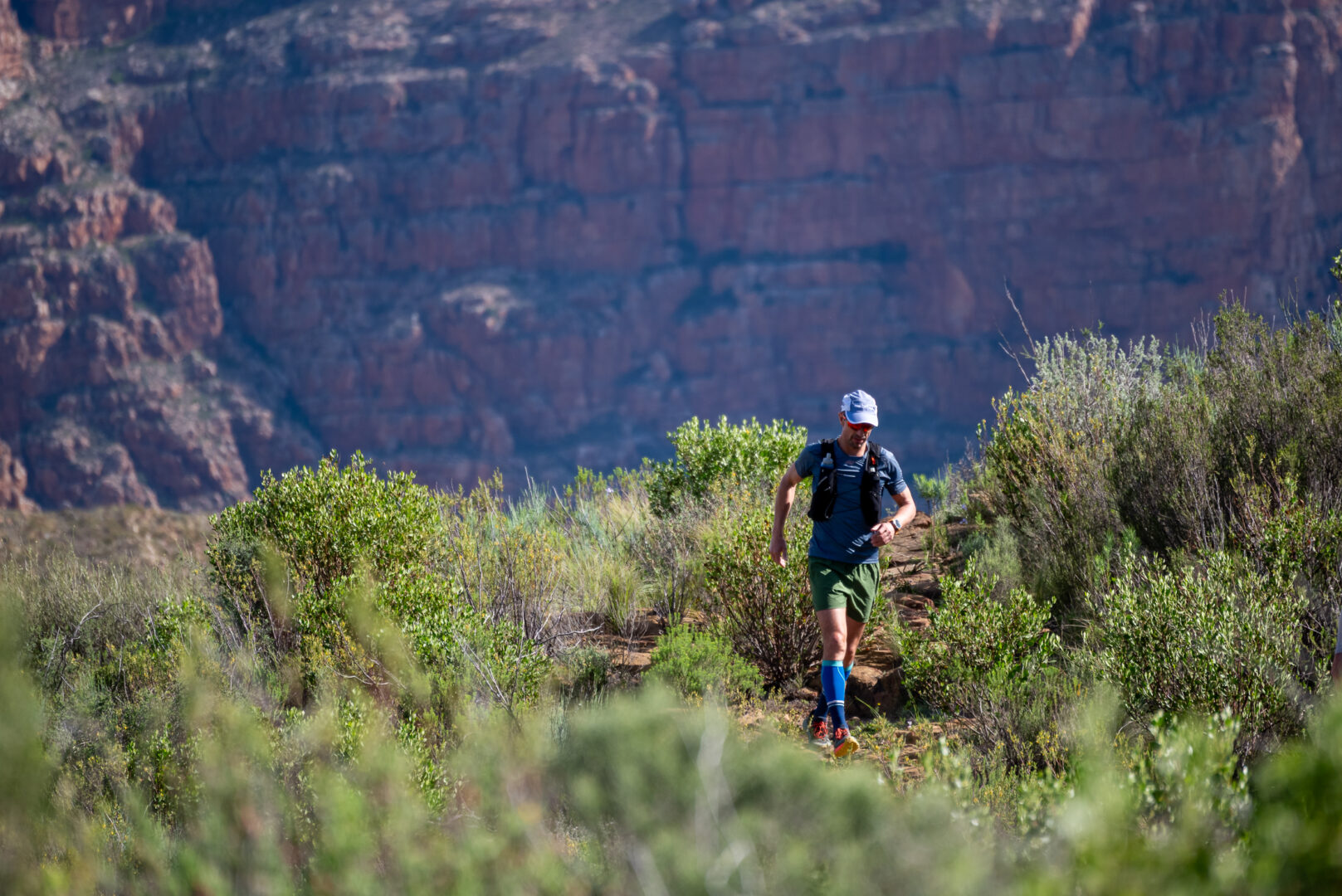
The 43km route starts in Gamkaskloof, with a coordinated shuttle system transporting participants into the remote valley.

The 19km provides a challenging mountain-running experience, while the 6km offers families and newcomers an opportunity to experience the event.

Together, the four distances create an inclusive platform for runners with different levels of experience and ambition.

For van Staden, success will ultimately be measured by what participants carry home beyond their finishing times.

“I hope runners leave with more than a finish time,” she says.

She wants them to discover the mountains, experience the hospitality of the Klein Karoo, support local businesses and build connections with the people who call the region home.

“The race is a mountain challenge, but it should end in connection: to the landscape, the people and a stronger sense of what you’re capable of.”

That is perhaps the most compelling attraction of Black Mountain Ultra.

The Swartberg will demand strong legs, disciplined preparation and an iron will. Its climbs will test patience, its descents will punish tired muscles and its unpredictable conditions will expose every weakness in a runner’s preparation.

Yet somewhere between the valley floor and the mountain summit lies the possibility of discovering something extraordinary about yourself.

The finish line may be 73km away, but the real journey begins with a single step.

And as van Staden’s own endurance story reminds us, sometimes the greatest achievement is finding the courage to keep moving when the mountain seems determined to stop you.

For more information and entries, visit blackmountainultra.com.

adidas unveils fastest-ever trail running shoe

By Adnaan Mohamed

For runners chasing seconds on the world’s toughest terrain, adidas believes it has found another gear. The global sports brand has unveiled the Agravic Speed Ultra Evo, its fastest trail running shoe to date, combining technology from its record-breaking road racing range with innovations developed specifically for the demands of mountain and ultra-distance racing.

Inspired by the Adizero Adios Pro Evo 3, the Agravic Speed Ultra Evo has been redesigned for uneven terrain, steep climbs and technical descents. At an average weight of only 250g, it is around 5% lighter than the Agravic Speed Ultra 2 while delivering more than 10% greater energy return and a 1% improvement in running economy.

For elite trail athletes, marginal gains often become monumental victories.

The shoe was created during a multi-year development programme involving 13 elite athletes, adidas designers and footwear engineers. Every prototype was tested in laboratories and on demanding race courses to ensure measurable performance translated into real-world confidence.

“Trail running asks so much more of a shoe,” said Korbinian Lehner, Senior Manager Footwear Innovation at adidas.

“Our challenge was finding the balance between speed, stability and confidence, and that’s exactly what the Agravic Speed Ultra Evo was built to deliver.”

Among the standout innovations is a new Dual ENERGYRIM construction, adapted from adidas’ road racing platform. The independent movement of each side of the shoe helps runners adapt to unpredictable terrain while increasing energy return by more than 10% compared to the previous model.

The moulded LIGHTSTRIKE PRO midsole delivers 15% greater deformation, allowing more responsive cushioning without compromising stability. Combined with an optimised rocker geometry and wider landing platform, the shoe is designed to create smoother transitions across rugged terrain.

Completing the package is an engineered woven upper featuring an integrated debris collar and minimal stitching, providing a secure second-skin fit while helping keep stones, sand and trail debris outside where they belong.

As trail running continues its rapid global rise, footwear innovation has become one of the sport’s fiercest battlegrounds. Every gram saved and every stride made more efficient can prove decisive over marathon and ultra-marathon distances.

The adidas Agravic Speed Ultra Evo will be available from 24 August 2026 through adidas, the adidas app and selected retail partners, retailing at €500/$500.

For runners preparing to take on mountains rather than pavements, adidas believes its latest innovation is built to keep speed alive long after the trail begins to bite.

Entries Open for 2026 Totalsports Two Oceans Marathon Trail Run

By Adnaan Mohamed

Entries for the 2026 Totalsports Two Oceans Marathon Trail Run will open at 12:00 on Tuesday, 20 January 2026, offering runners the chance to tackle ±16km or ±24km of iconic Table Mountain trails.

Celebrating its 13th edition, the Trail Run has become a highlight of the Totalsports Two Oceans Marathon weekend, with participation limited to 500 runners per distance to preserve an intimate trail-running experience.

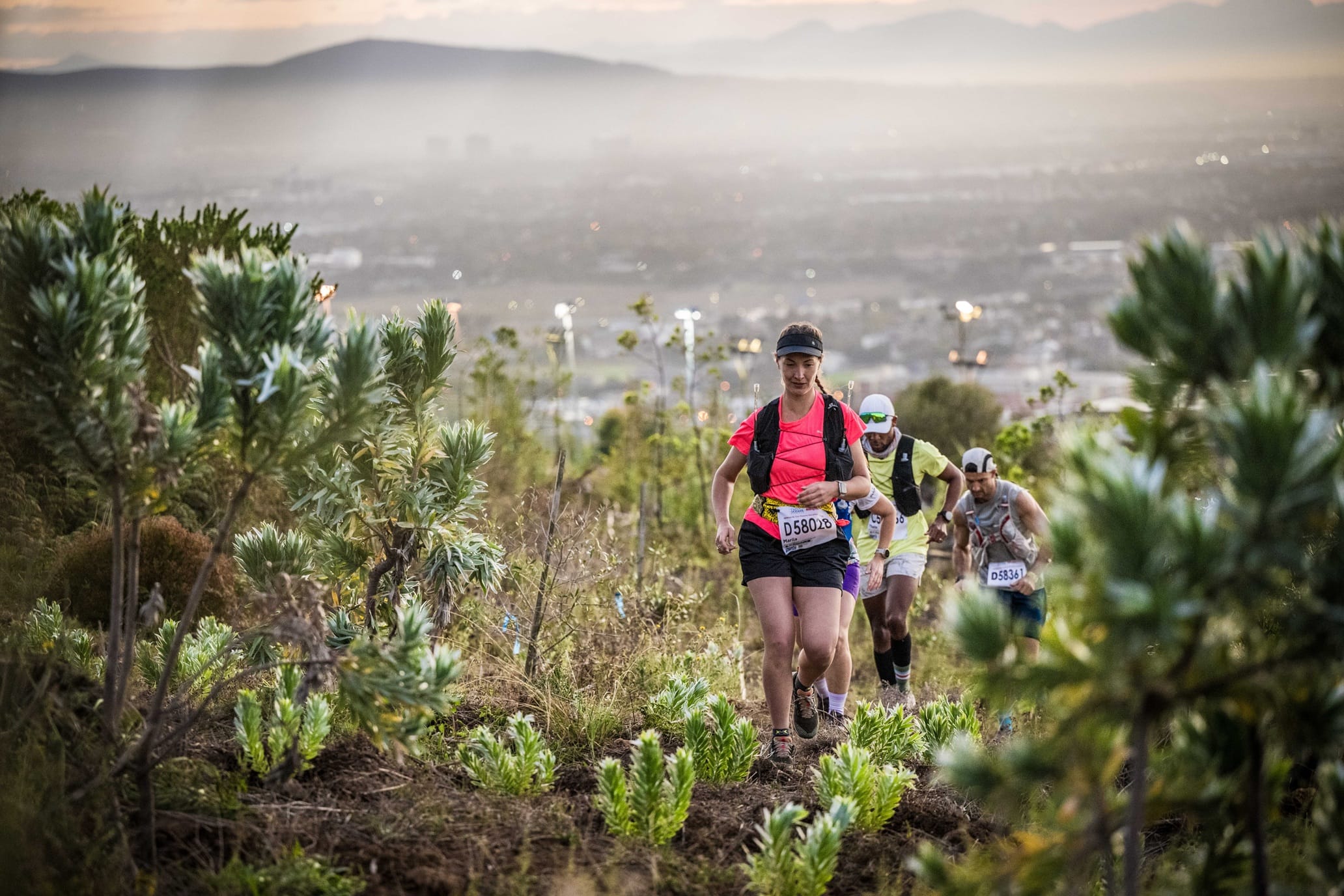
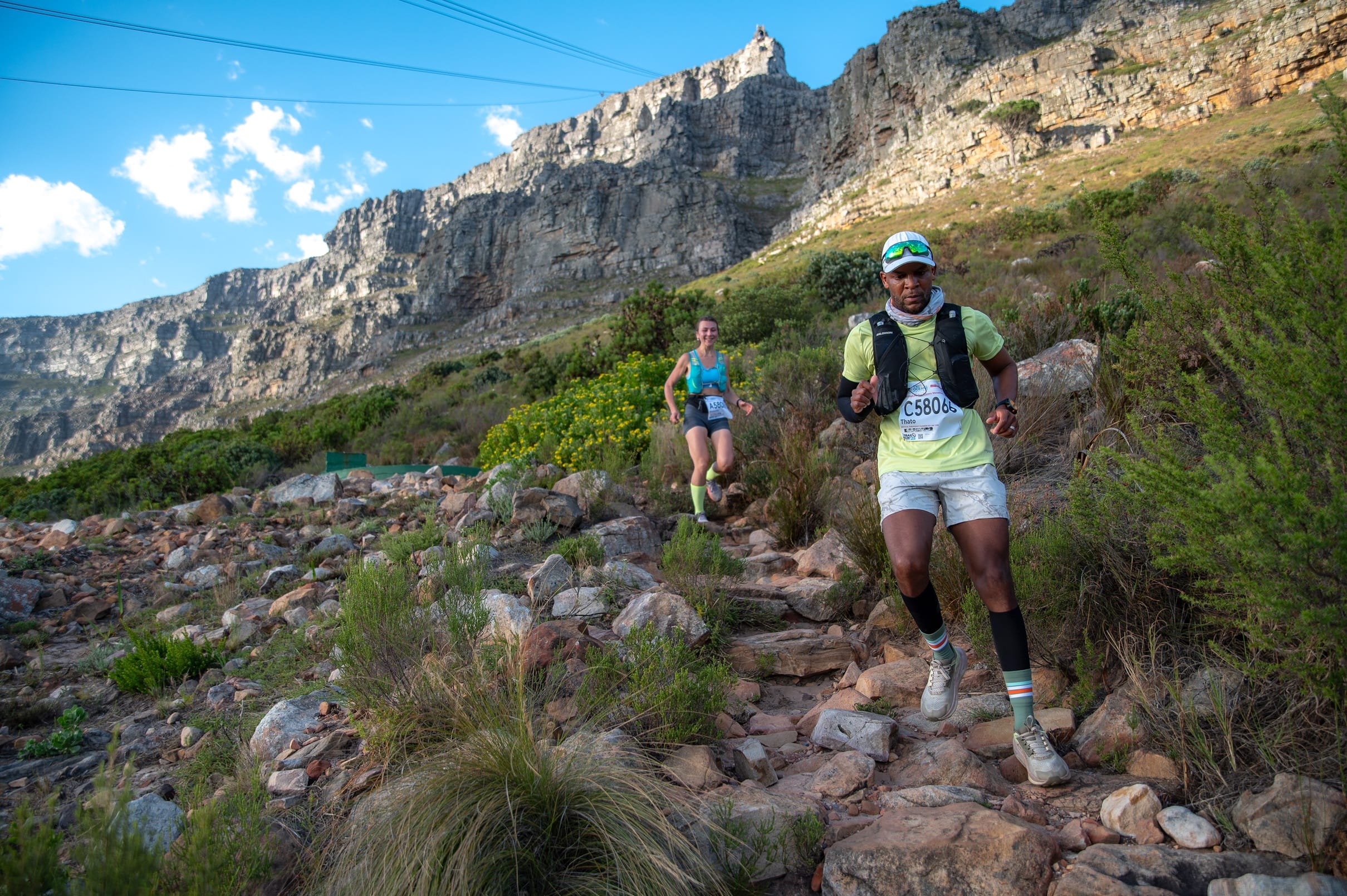
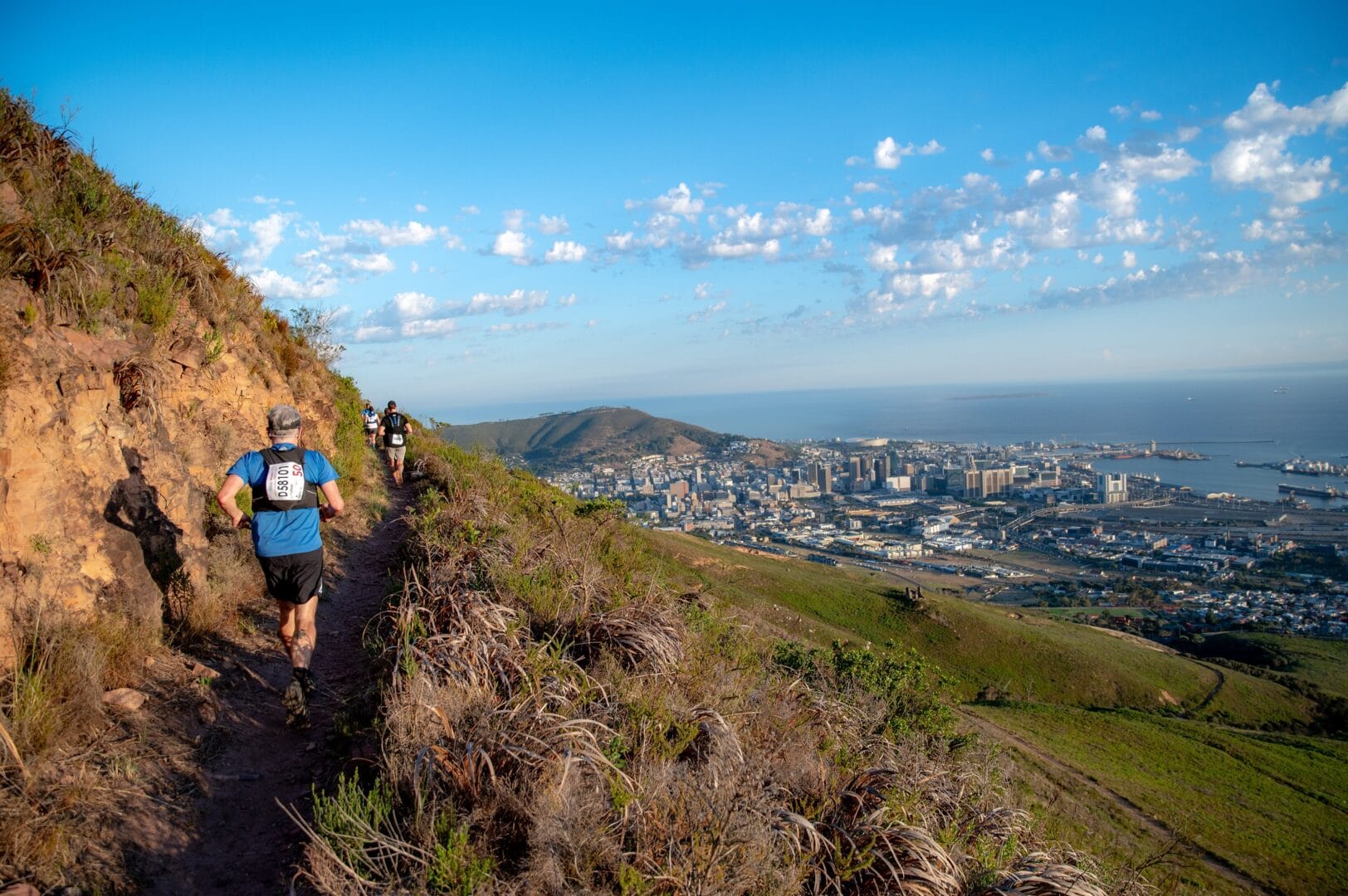
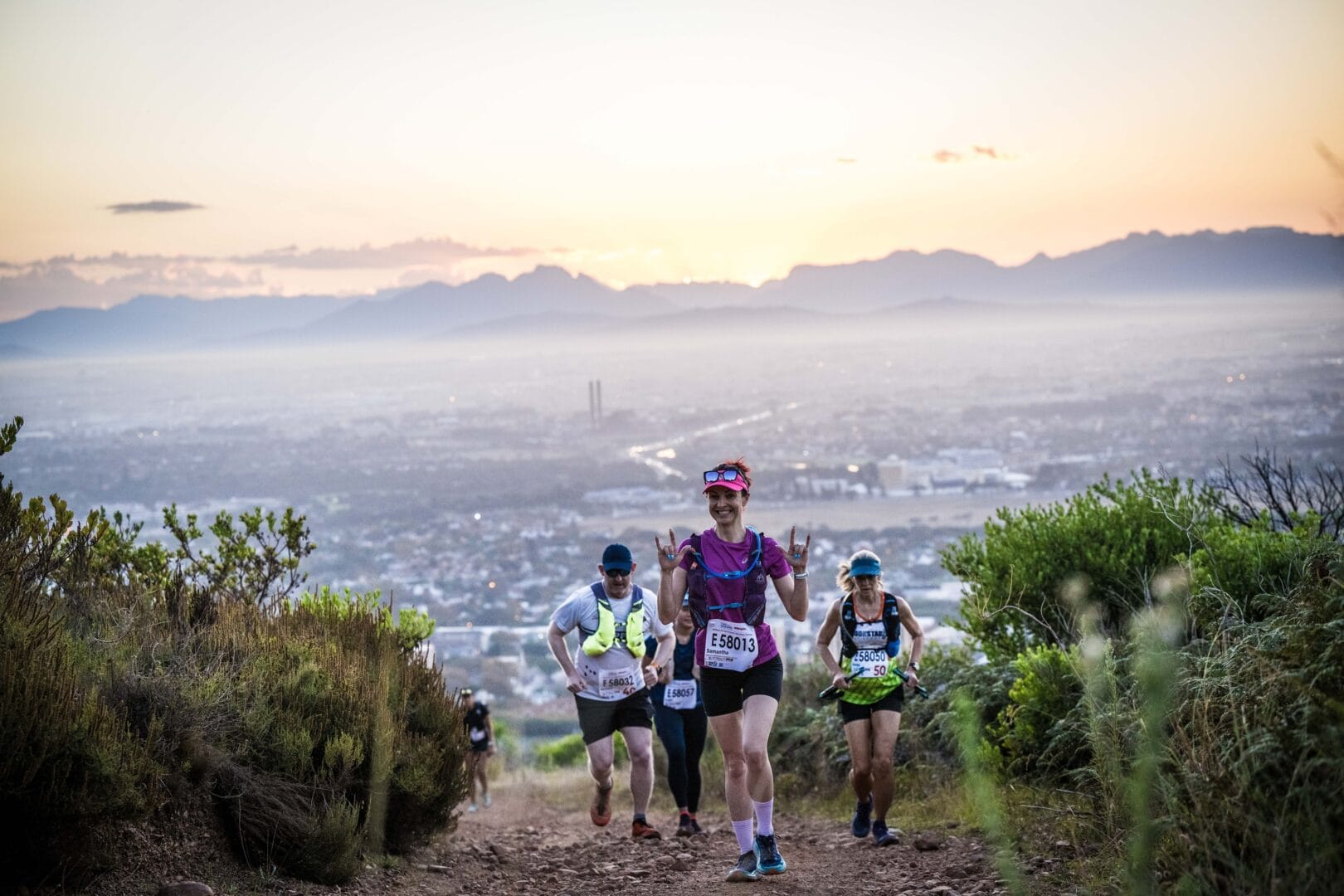
Trail Runners enjoying the 2025 Totalsports Two Oceans Marathon Trail Run route. PHOTO CREDIT: Tobias Ginsberg

“We’re excited to kick off 2026 with the opening of entries for the Totalsports Two Oceans Marathon Trail Run,” said Chris Goldschmidt, Chairperson of the Two Oceans Marathon NPC.

“The ±16km and ±24km trail runs offer participants a rare opportunity to explore the stunning and challenging trails of Table Mountain during the Totalsports Two Oceans Marathon weekend. With each distance limited to just 500 runners, this is an intimate and exclusive experience in one of the world’s most breathtaking natural settings.”

Starting from the historic steps of the University of Cape Town, runners climb through the Newlands Forest before navigating the rugged lower slopes of Devil’s Peak, with sweeping views of Table Bay, Robben Island and the Cape Peninsula.

According to Wade Bromfield, General Manager of the Totalsports Two Oceans Marathon, the Trail Run enhances the broader event programme.

“The Totalsports Two Oceans Marathon Trail Run adds another exciting dimension to an already action-packed Totalsports Two Oceans Marathon weekend, allowing even more runners to immerse themselves in the unique atmosphere and vibrant energy of this iconic celebration of running,” said Bromfield.

“The Trail Run routes showcase some of the most breathtaking scenery and authentic trail-running terrain on Table Mountain, offering a challenge that is as achievable as it is exhilarating.”

Trail Runners enjoying the 2025 Totalsports Two Oceans Marathon Trail Run route. PHOTO CREDIT: Tobias Ginsberg

Bromfield confirmed that demand is expected to be high.

“Entries open at 12:00 on Tuesday, 20 January 2026. With limited spots available, we encourage runners to enter early for the opportunity to be part of this unforgettable trail-running experience.”

The entry fee includes an exclusive event-specific T-shirt, a limited-edition pair of TTOM-branded Versus Quarter Running Socks, and SANParks access, which supports conservation efforts and trail maintenance.

Event Details:

  • Date: Friday, 10 April 2026
  • Venue: University of Cape Town
  • Distances & Fees: ±16km (R750) | ±24km (R950)
  • Entries Open: Tuesday, 20 January 2026 at 12:00
  • Entries: First-come, first-served

For full details, route information and compulsory kit requirements, visit www.twooceansmarathon.org.za.

What to Expect as the Totalsports Two Oceans Trail Run Returns in 2026

The Totalsports Two Oceans Marathon Trail Run returns on 10 April 2026, offering ±16km and ±24km routes starting from the University of Cape Town calling runners back to the mountain where every climb feels like a conversation with the Cape’s ancient, wind-worn ridges.

“We’re proud to celebrate the 13th running… selling out within minutes and reigniting the enthusiasm of runners across the country,” says Chairperson Chris Goldschmidt, reflecting on a race restored after its pandemic pause.

From the historic UCT steps, runners slip into the cool hush of Newlands Forest where pine needles soften the footfall and the air smells like beginnings. Then comes the stern, stone-backed ascent of Devil’s Peak, a reminder that beauty on the trail is earned, never given.

“Every runner will face a challenge that’s as achievable as it is exhilarating,” says General Manager Wade Bromfield, promising an adventure framed by panoramic views of Table Bay, Robben Island and the Peninsula’s blue sweep.

Limited to 500 runners per distance, the event remains an intimate pilgrimage more than a mass movement.

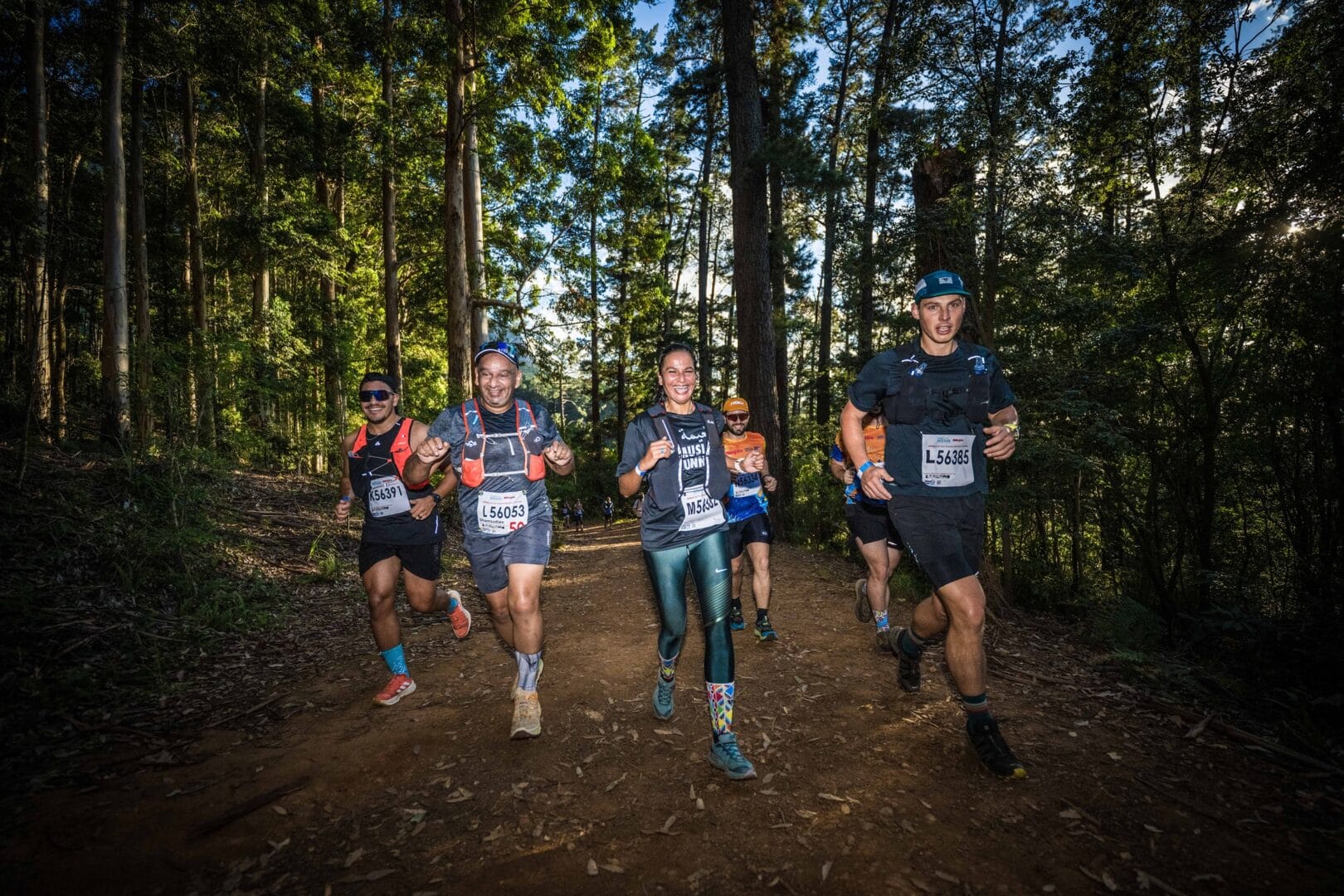
Trail Running enthusiasts enjoying the beauty of the Two Oceans Marathon Trail Run route in 2025 by Devin Paisley

Exclusive T-shirts and TTOM-branded Versus socks adding touches of ceremony to the climb.

When entries open, the rush will be as fierce as a downhill sprint. For those who secure a spot, the mountain waits steady ready to write another chapter under Cape Town’s autumn light.

Entries Open: Tuesday, 20 January 2026 at 12:00 (first-come, first-served)

Date: Friday 10 April 2026

Venue: University of Cape Town

Distance & Entry Fee: +- 16km / R750.00 +- 24km / R950.00

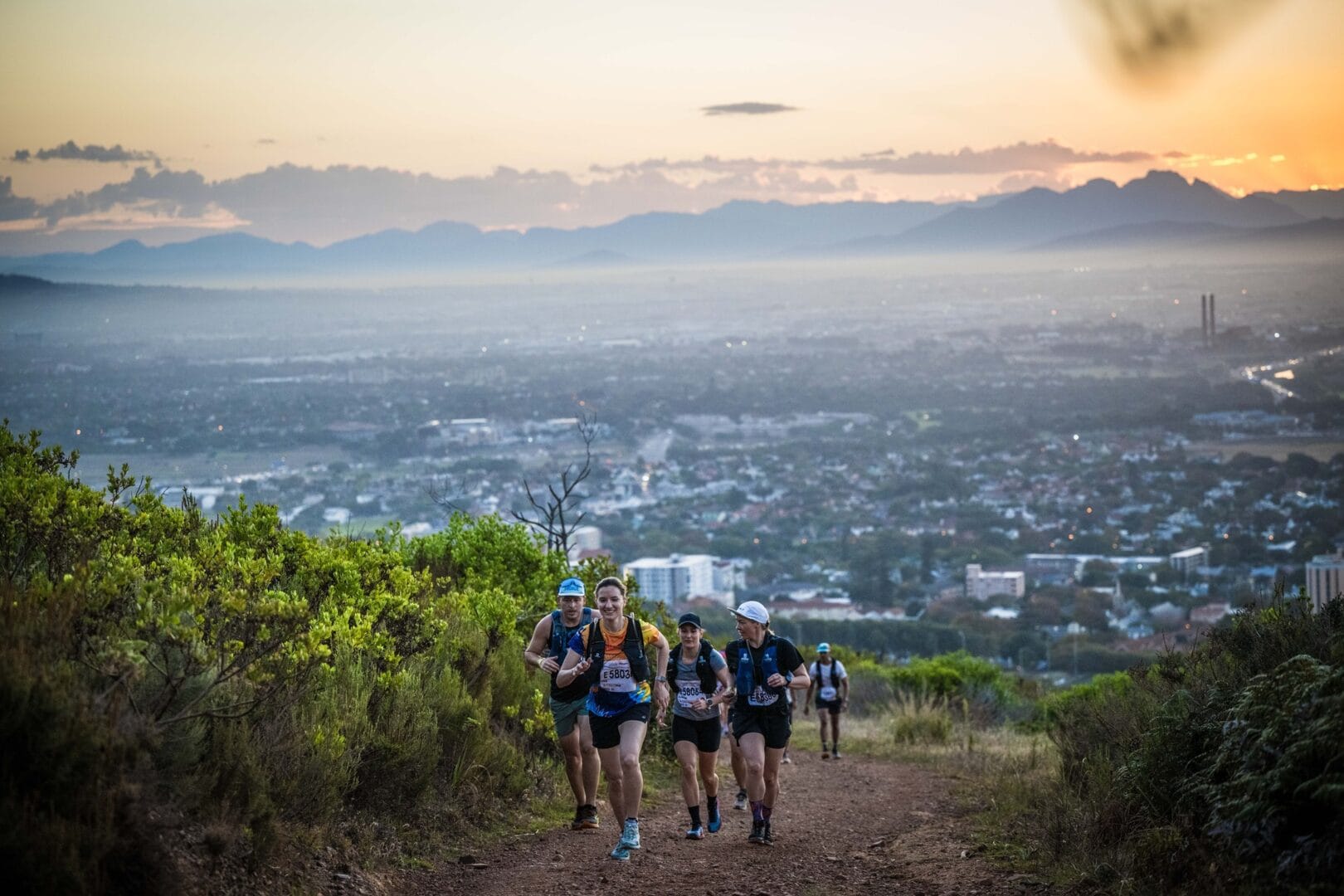
Trail Running enthusiasts enjoying the beauty of the Two Oceans Marathon Trail Run route in 2025 by Tobias Ginsberg

Rebecca Kohne shocks UTCT 55km with Breakout Win in Debut Ultra-Trail

Adnaan Mohamed

By the time dawn cracked open above Table Mountain on Friday, the storm had already done its damage. Cape Town’s city bowl looked like a shaken snow globe – debris scattered, Race Village shuttered, the wind still muttering threats through the pines.

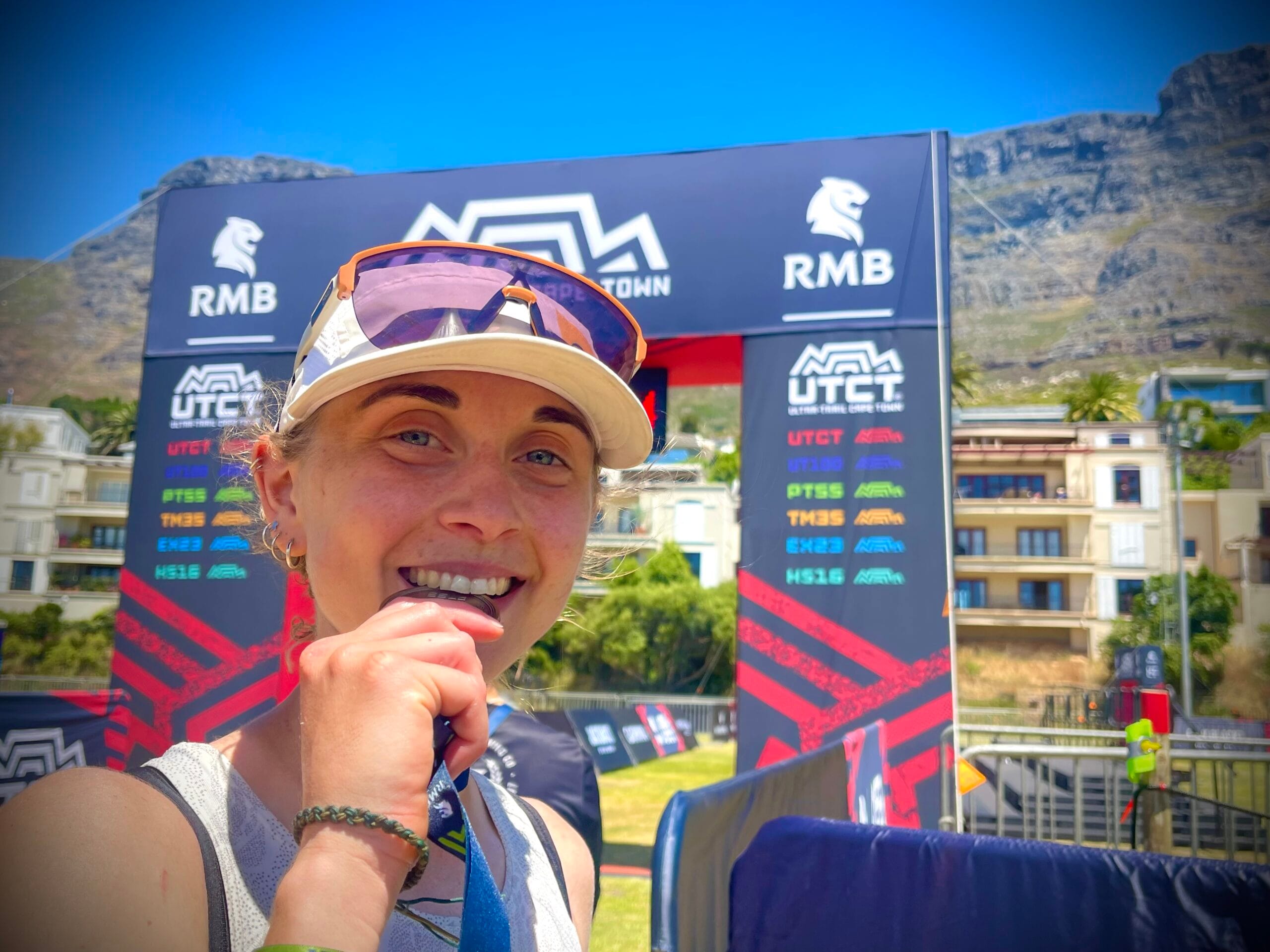
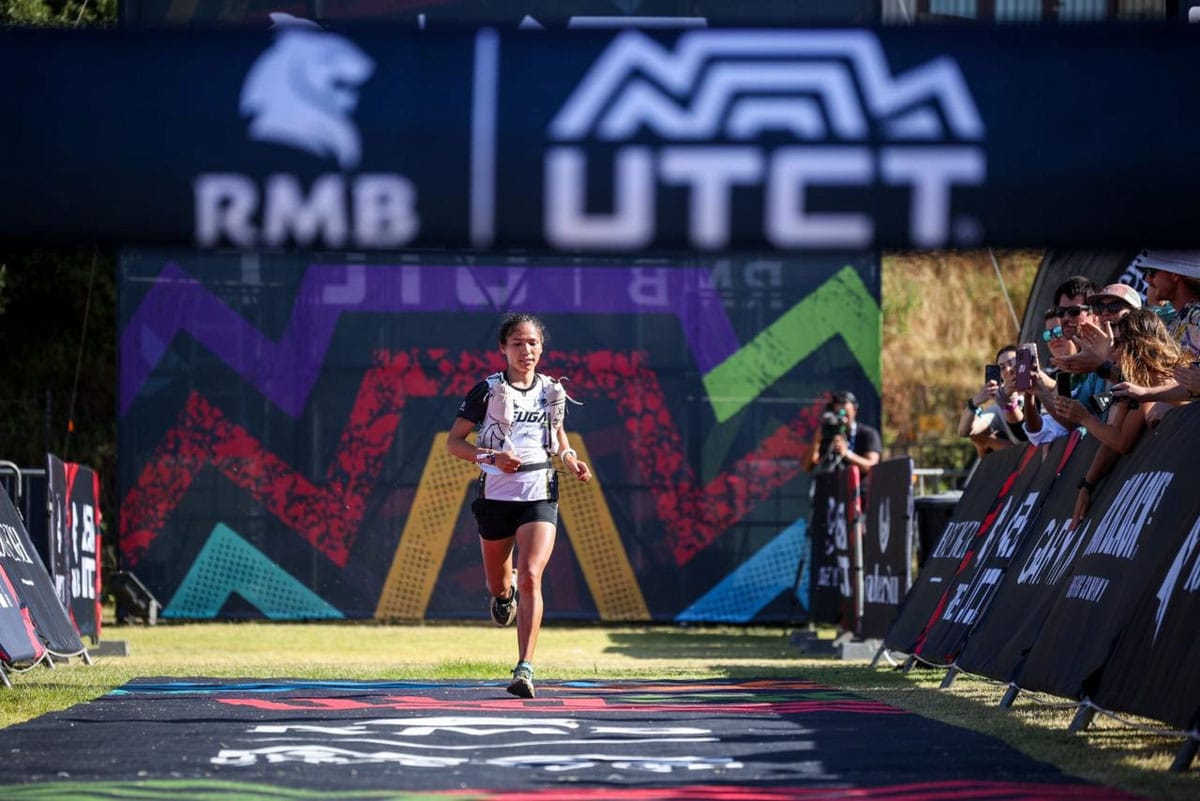
But out on the 2025 RMB Ultra-Trail Cape Town (UTCT) Peninsula Traverse 55km start line, a 22-year-old from George stood still and unbothered, like someone listening to a different frequency entirely.
Rebecca Kohne wasn’t here for the noise. She was here for the mountain.

The thing is, nobody expected much from her, not even her.

This was her first ultra. Her first dance with the 55 km beast. Her first attempt at a distance where mistakes become monsters and pacing becomes gospel. The PT55 is notorious: half coastal storm, half rocky furnace, all attitude.

Kohne just smiled at it.

A Track Kid Walking Into the Lion’s Den

Kohne didn’t grow up on rugged singletrack. She’s a track kid with clean lines, controlled speed, predictable rhythm. She only started trail running in 2022, easing into shorter races, building confidence in the dirt.

Nothing in her résumé said “future 55 km winner.” But UTCT has a habit of pulling truth out of people.

“I had a really nice day today and really enjoyed the course,” she said later, almost too casually for someone who had just shocked one of the world’s biggest trail races.

“I ran pretty conservatively and ran a bit harder towards the end of the race.”

She said it like she’d just ticked off a chilled Sunday jog—not a career-altering breakout.

Running Her Own Race – Literally

What separated her from the rest wasn’t raw power or swagger. It was composure.

She didn’t panic when the wind howled across the ridges. She didn’t force things on the climbs. She didn’t chase the favourites.

She simply stayed in her lane – an ex–track runner building a new one across the mountain.

“No, I didn’t think so,” she admitted when asked if she expected to win. “I was hoping for top five.”

Then she dropped the line that perfectly sums up her day:

“The biggest thing I take away from today is not to count yourself out until the end. I just ran my own race, and I was focusing on how I was feeling. I just solved my problems as I was going through the course, and it turned out to work out for me.”

That’s veteran-level patience. That’s ultra instinct earned, not taught.

A Victory Without Flash – But Full of Fire

Rebecca Kohne did not arrive at UTCT to make noise. But mountains don’t care about hype—they care about honesty.

And Kohne ran with the kind of honest effort that trail running respects: steady, smart, attuned, unshakeable. Her 6:11:44 finish was clean, decisive and quietly devastating to the field.

A first ultra win in her first ultra attempt? That’s the kind of statistic that makes the trail world lean forward.

“For now, I will just enjoy the victory and decide what to do next when I return home,” she said, already being touted as South Africa’s next big thing.

Classic Kohne – calm in a moment when most would combust.

The Trail World Has a New Name to Learn

There are performances that make headlines.
Then there are performances that change trajectories.

This one felt like the latter.

On a morning when the storm was supposed to steal the show, a 22-year-old solved the mountain like it was a riddle she’d been waiting her whole life to answer.

Rebecca Kohne came to UTCT as an unknown. She left as the athlete everyone will be watching when the next trail rises.

2025 UTCT Winners

100 Miler (UTCT 100M)
• Men: Douglas Pickard (RSA) – 21:49:11
2. Aleksei Tolstenko (RSA)
3. Admire Muzopambwa (ZIM)

100 km (UT100 – Men)
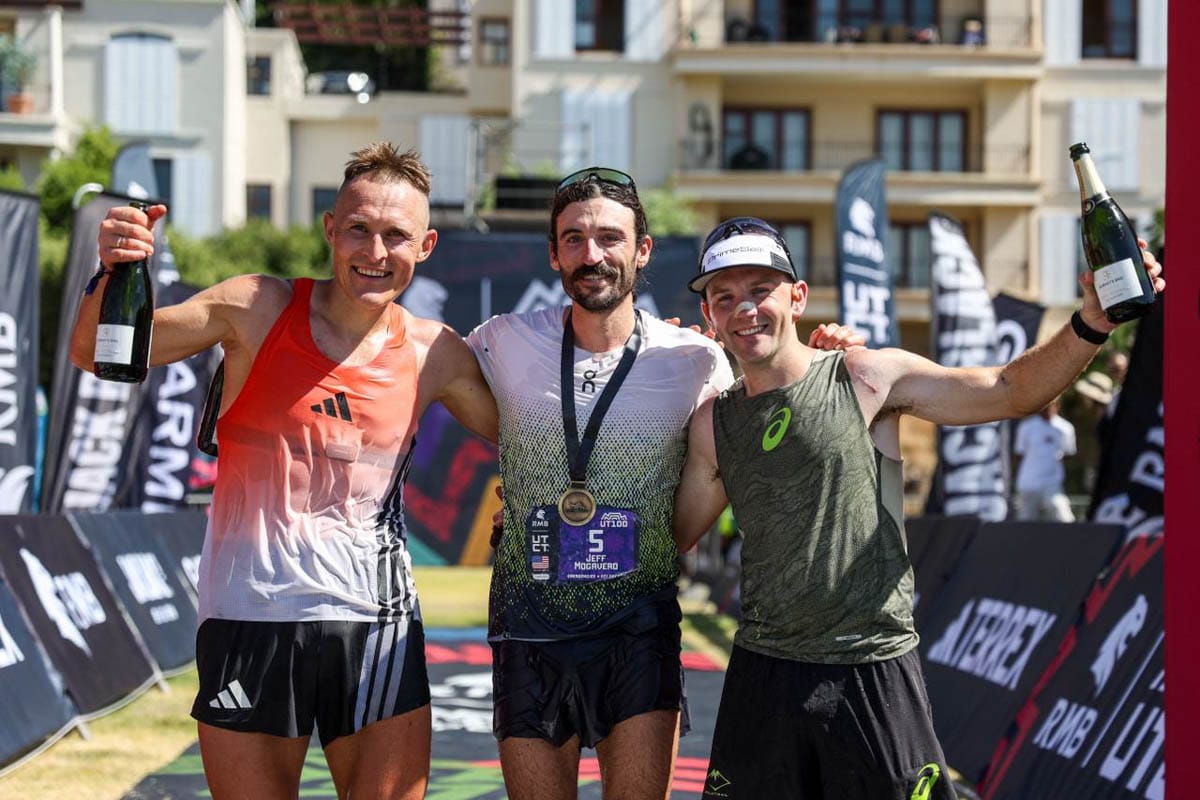
• Jeff Mogavero (USA) – 11:04:53
2. Dmitry Mityaev (Neutral)
3. Matthew Healy (RSA)

Jeff-Mogavero-Dmitry-Mityaev-Matthew-Healy-2025-Ultra-Trail-Cape-Town-100k-mens-podium

100 km (UT100 – Women)
• Sunmaya Budha (Nepal) – 12:25:55
2. Antonina Iushina
3. Tara Fraga

Sunmaya-Budha-2025-Ultra-Trail-Cape-Town-100k-womens-winner-finish-chute

55 km Peninsula Traverse (PT55)
• Men: Johannes Wingenfeld (GER) – 5:13:26
• Women: Rebecca Kohne (RSA) – 6:11:44

35 km Table Mountain (TM35)
• Race called off due to windy conditions

23 km Explorer (EX23) & 16 km Kickstarter (KS16)
• Events completed; official results not yet published.

Tarboton Smashes Record as Simpson Seals Hat-Trick in Historic Otter Trail

By Adnaan Mohamed

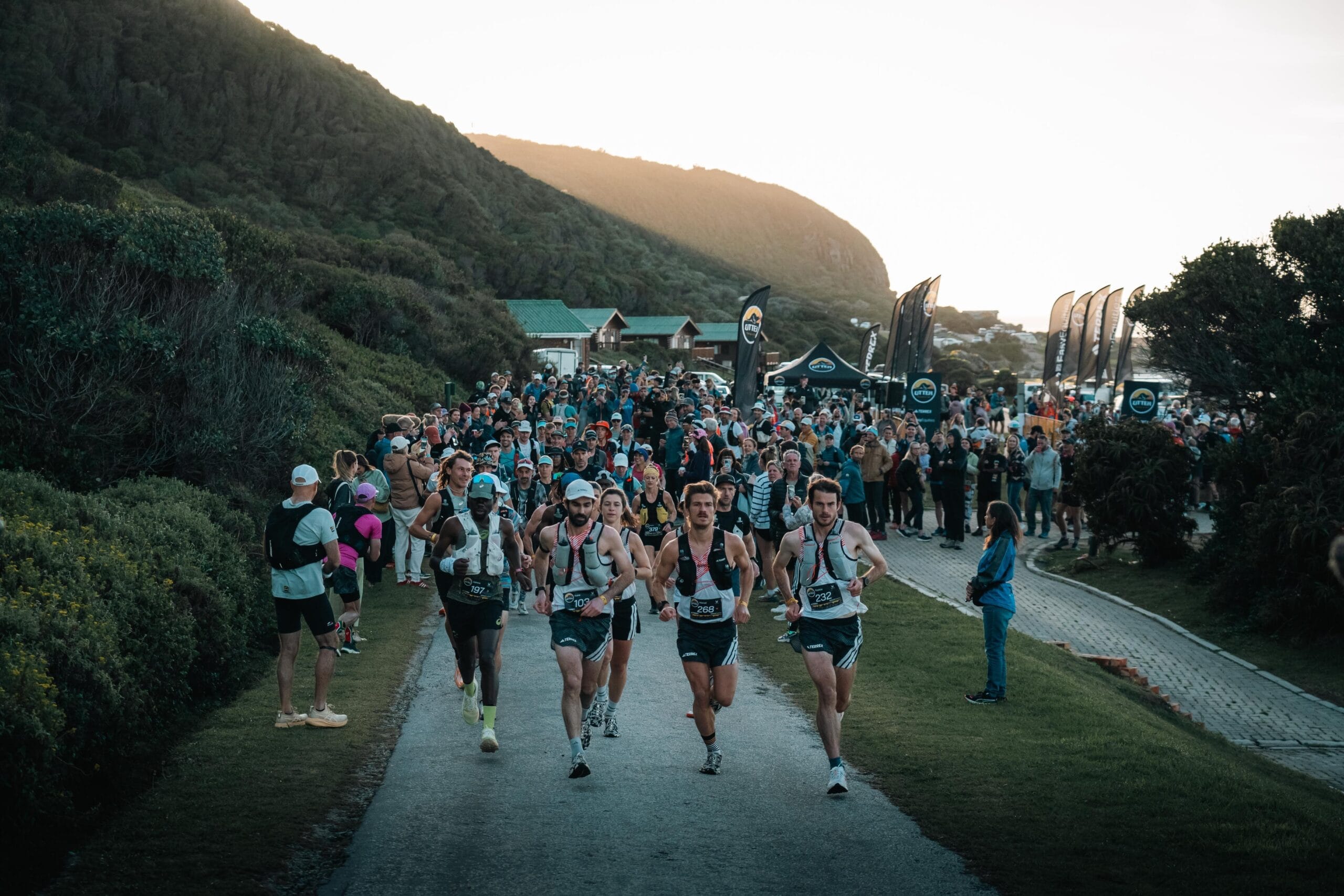
History was rewritten on the rugged cliffs and forests of the Otter TERREX Trail as Bianca Tarboton shattered the women’s course record and Scotland’s Robbie Simpson completed an unprecedented men’s hat-trick.

Tarboton dominated from the moment record-holder Toni McCann limped out at 7km with an ankle injury. By halfway she had a 12-minute cushion and by the finish she was nearly 49 minutes clear of Rebecca Watney.

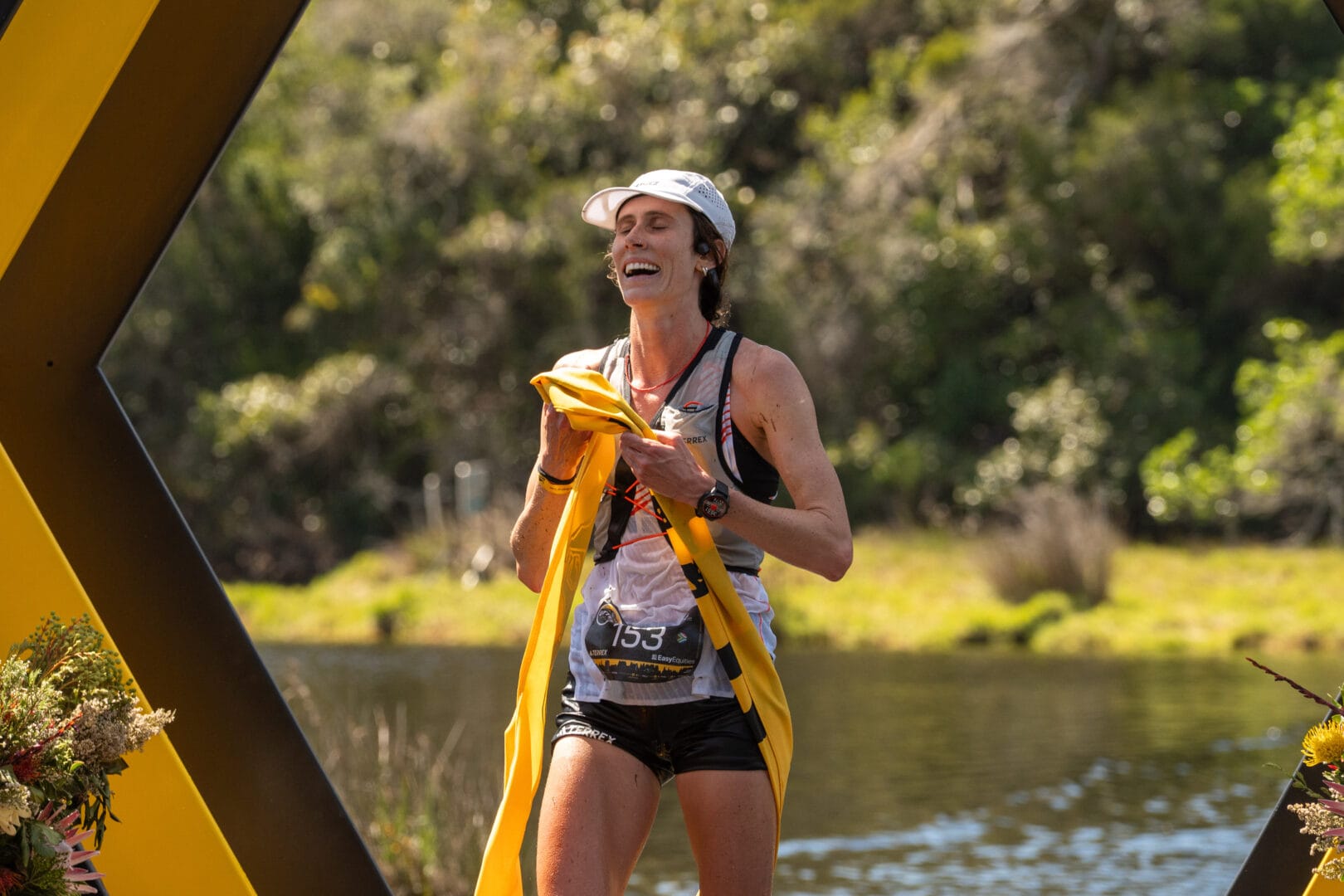
Her winning time of 4:30:55 slashed 14 minutes off her own 2021 mark, securing a fourth Otter crown and making her the first woman to clinch a treble.

Bianca Tarboton crosses the finish line with a record-breaking victory – obliterating the Classic Record as well as claiming the title of the first runner to win 4 Otters. Photo: Fahwaaz Cornelius

“I’m on cloud nine,” Tarboton said.

“It still hasn’t sunk in, but I know I am completely over the moon with that race.”

Simpson, meanwhile, kept his cool in the men’s race despite local star Robbie Rorich breathing down his neck at Andre Hut, 8km from the finish.

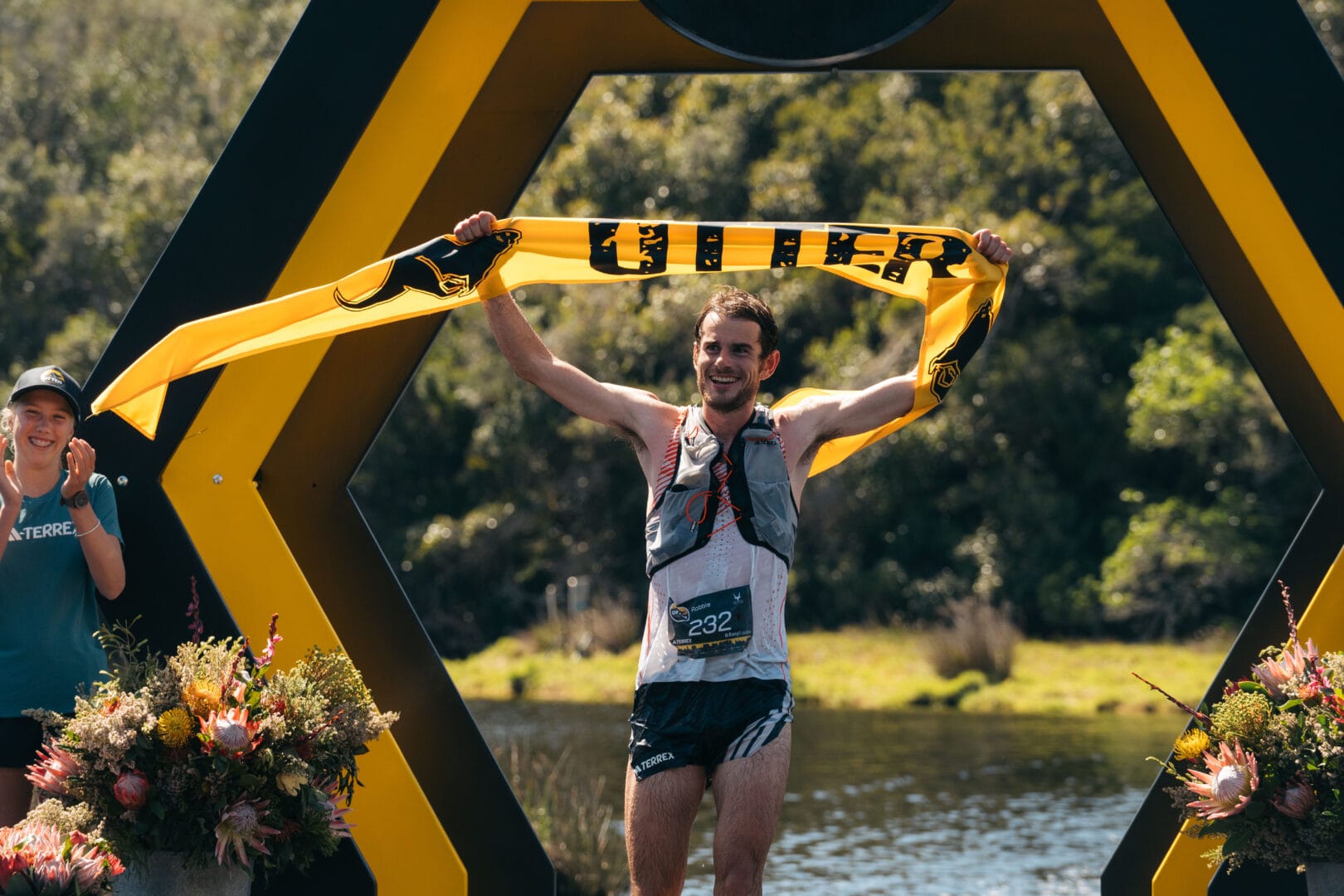
The Scot dug deep on the final stretch to win in 4:04:59 in a time eight minutes faster than his previous best, with Rorich and Kane Reilly completing the podium.

Robbie Simpson claiming the first back-to-back-to-back victory. Photo: Fahwaaz Cornelius

“It’s a tough race and nothing is a given,” Simpson said.

“You just have to keep fighting for it.”

Rorich laughed about cooling his cramping legs in the river crossings.

“It gave me time for the mind reset,” he said.

The Otter also saluted its stalwarts: Mvuyisi Gcogco notched his 10th consecutive finish, Ralph Enslin collected his 13th, while Juan Ferreira extended his record tally with a 15th start.

Prize money added extra sparkle: Tarboton banked R190,000 with bonuses for her record, while both winners pocketed R100,000 in cash and equities.

“I hope they retire comfortably with their investment safely in the bank,” quipped EasyEquities CMO Carel Nolte.

But the loudest roar came not for records or podiums, but for the last runner home. Sias Esterhuizen sprinted across the line just seconds before the cut-off bell, collapsing in relief.

“I didn’t think I was going to make it,” he gasped.

“It’s just awesome to have done that.”

From hat-tricks to heartbreaks and records to rescues, the Otter once again lived up to its billing as the “Grail of Trail.”

It’s a race where grit, glory and human spirit collide on one of the toughest 42km routes in the world.

Mvuyisi Gcogco, running his tenth Otter race. Photo: Caleb Bjergfelt
Click here for full 2025 Race Results

Men

1. Robbie Simpson (04:04:59); 2. Robbie Rorich (04:12:23); 3. Kane Reilly (04:12:38); 4. Marcel Hoeche (04:15:00); 5. Jacques Buys (04:27:46); 6. Mvuyisi Gcogco (04:38:19); 7. Admire Muzopambwa (04:47:28); 8. Gabriel Kriel (04:49:31); 9. Oliver Munnik (04:51:43); 10. Thabang Madiba (04:58:06)

Women:

1 Bianca Tarboton (04:30:55); 2 Rebecca Watney (05:09:08);  3 Robyn De Groot (05:35:18) ; 4 Amelia Bergh (05:52:54); 5 Estee Cockcroft (05:56:13); 6 Naomi Brand (06:07:39); 7 Ingrid Shaw (06:28:05); 8 Georgina Els (06:31:21) ; 9 Jenna Snyman (06:40:18); 10 Lana Cronje (06:40:19)