

Eben Etzebeth Red-Card Fury Overshadows Bok Brilliance in Cardiff Rout

By Adnaan Mohamed

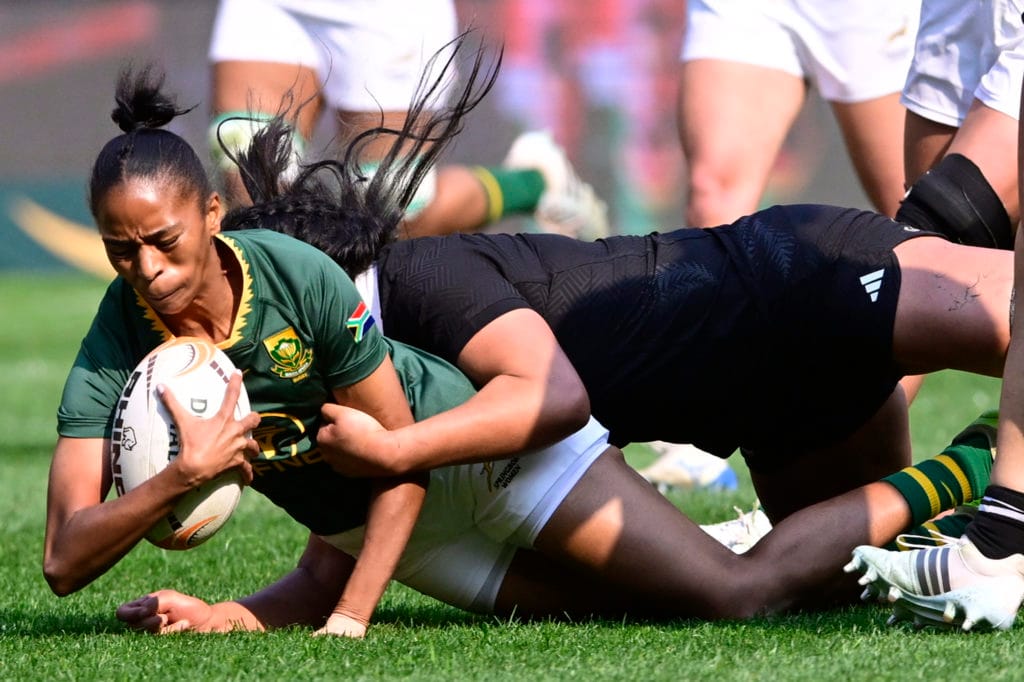
The Springboks’ 73–0 evisceration of Wales in Cardiff should have been remembered purely as a victory of ruthless precision, a night when Rassie Erasmus’ men turned the Principality Stadium into a eleven-try scrapyard.

Instead, the Test has been plunged into global debate after Eben Etzebeth, the most-capped Springbok in history, was shown a red card for alleged eye-gouging. This incident that happened just before the final whistle to mercifully end the Welsh carnage, has dominated headlines from Cape Town to Cardiff.

While the Boks celebrated an unbeaten season and a flawless November tour, the image of Etzebeth leaving the field cast a long, uncomfortable shadow. Critics, former internationals, fans and pundits have fired up social platforms, arguing everything from “stone-cold red” to “unintentional and harsh.”

The timing was especially jarring: a night designed to honour Springbok milestones became a night consumed by disciplinary outrage.

Coach Rassie Erasmus did not try to sugar-coat it.

“It didn’t look good, and I thought it was a justified red card,” he admitted.

A rare moment where Erasmus openly conceded a fault on an evening when everything else went right.

Reinach Reaches 50: A Milestone Deserving More Light

Lost beneath the Etzebeth storm was a story that deserved to headline the night: Cobus Reinach finally reaching his 50th Test, a feat 11 years in the making.

The 35-year-old Bok scrumhalf, who buzzed around the breakdown like a hornet with a fresh battery pack, called the honour a dream fulfilled.

“It’s always special just to put on the Springbok jersey… If it’s cap one or cap 140 like Eben, it’s special.

But playing my 50th Test was definitely great,” he said.

“It’s every boy’s dream to play for the Springboks and having done that 50 times is unreal. It’s a privilege and something I’ll always be thankful for.”

That this milestone arrived during a historic win, and in a season where the Boks finished world No.1, made it sweeter.

“It wasn’t just about the end-of-year tour. It was about the whole season,” Reinach reflected.
“We learned and adapted more than previously, and I think we grew immensely as a team.”

The veteran scrumhalf, still as sharp as a new studs-on-soft-ground boot, even dared to dream further.

“I definitely want to play another one or maybe two World Cups,” he smiled.

“I feel good… it’s just my hairline moving back a little, and my beard getting thicker.”

His gratitude extended to the beating heart of Bok rugby: the supporters.

“From London to Wales, France, Ireland… thank you. We are one. We can’t do what we do without you.”

A Night of Dual Narratives: Dominance and Disruption

The Etzebeth incident ignited a worldwide rugby firestorm precisely because the Test was so lopsided. At 73–0, the Springboks were in full command. The back-to-back World Champions were ruthless, clinical, and controlled, suffocating Wales like a python tightening with every carry.

But the red card, shown late in the second half, shifted the conversation from dominance to controversy. Analysts have already begun dissecting angles, freeze-frames and intent, with disciplinary hearings expected to become the next battleground.

Yet, amid the noise, Reinach’s golden milestone, the Boks’ unbeaten tour, and their world No.1 finish remain significant markers of a team still evolving and still hungry. Reinach himself summed it up best:

“The way we work for each other and how tight-knit we are is special. If we keep that, there’s a lot more in the tank.”

Joseph Seutloali Avenges 2024 Heartbreak with Soweto Marathon Victory

By Adnaan Mohamed

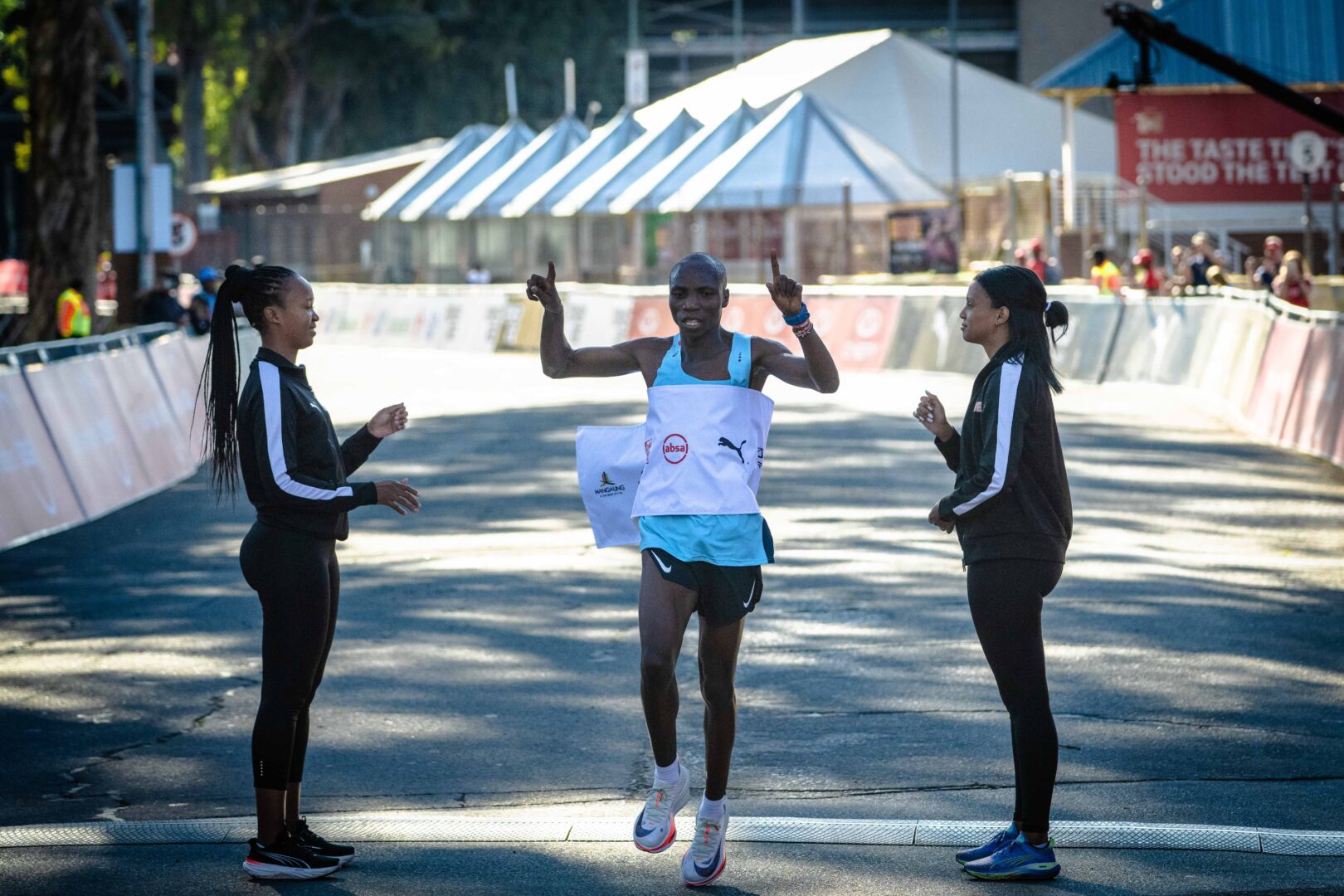
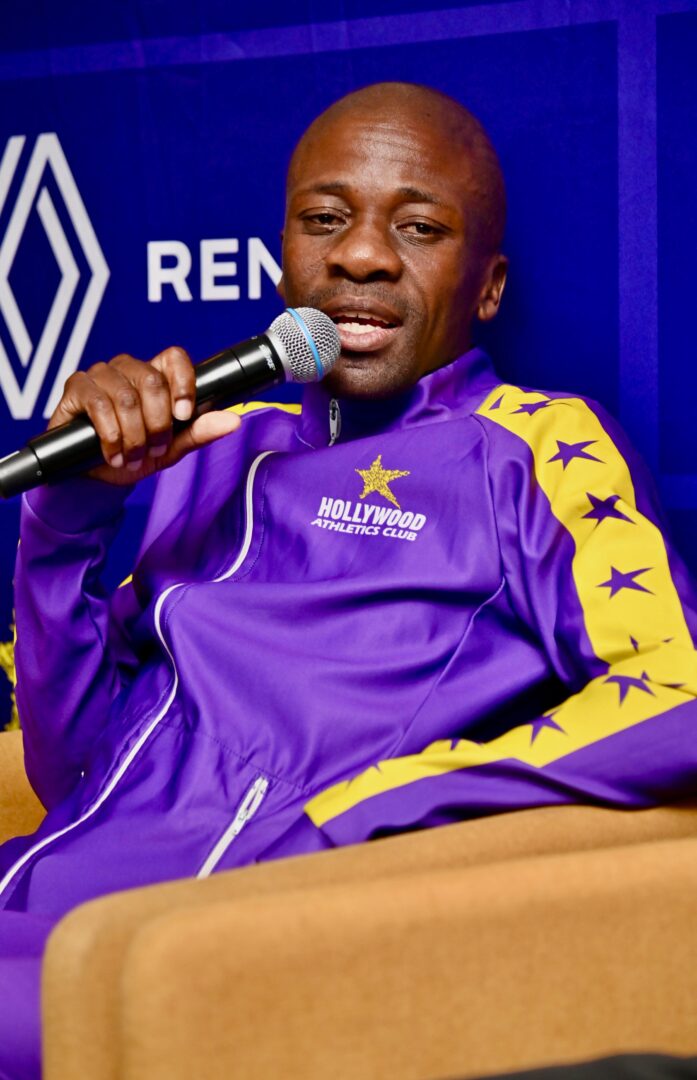
Lesotho’s Khoarahlane Seutloali powered through the final kilometres like a runner shifting into overdrive on the last hill of a brutal ultramarathon, storming to victory in the African Bank Soweto Marathon on Saturday morning in 2:20:09.

It was a win wrapped in redemption. Last year the Hollywood AC star faded in the dying stretch; this time he kicked down the door with purpose.

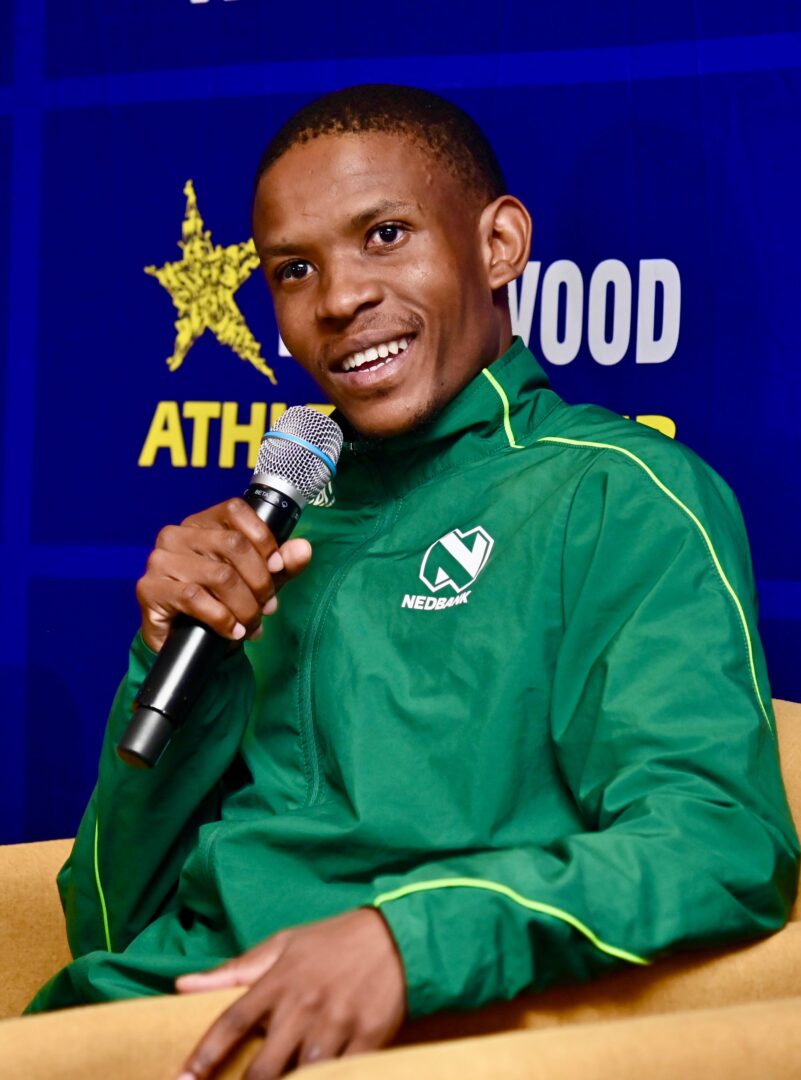
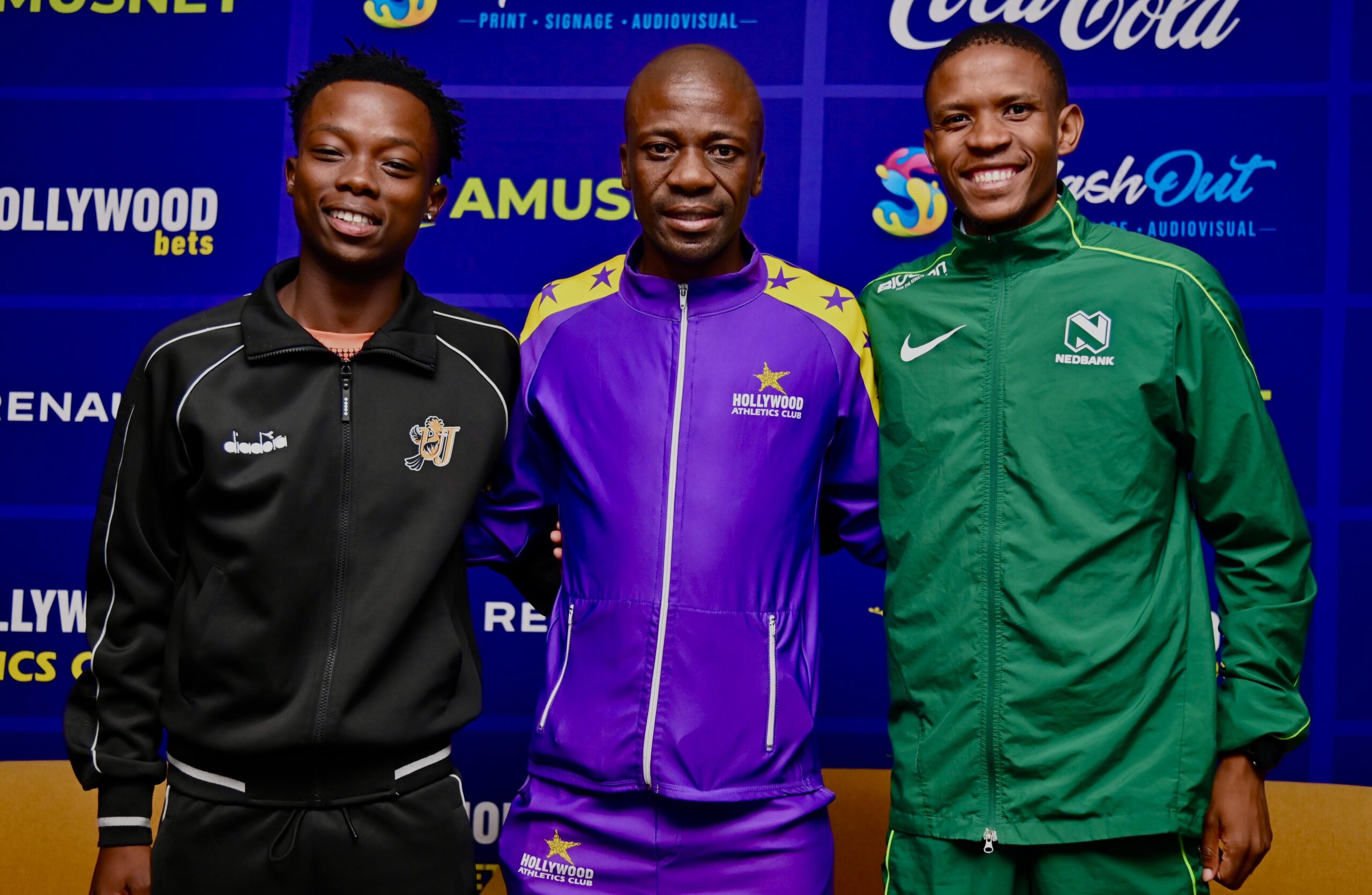
“I am very happy and proud to have won this race after finishing second last year,” Seutloali beamed. “And I am even prouder to have completed the double, and I want to thank my club, my sponsor and all the Basotho people.”

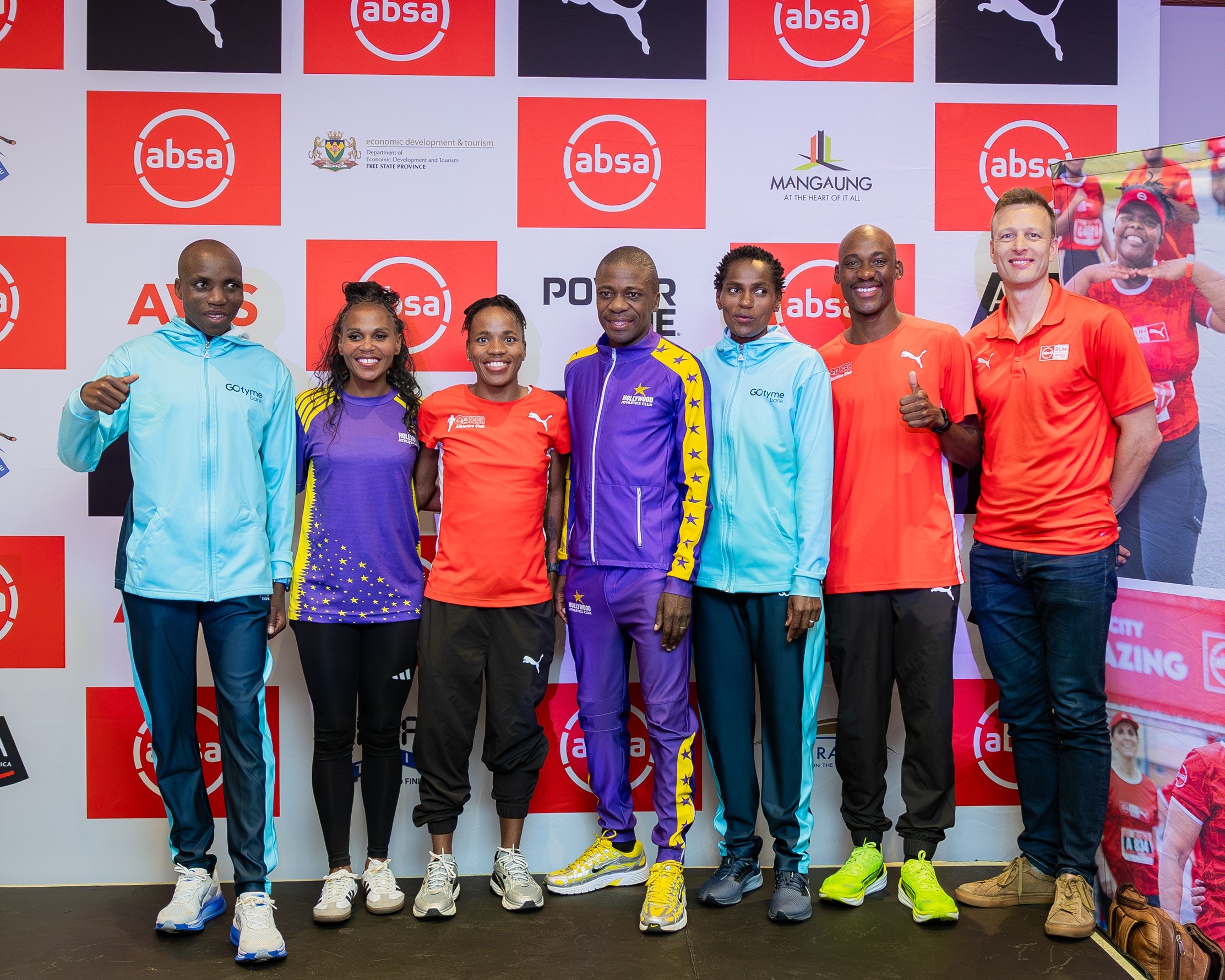
The Hollywood Athletics Club star completed a rare road-running double – adding Soweto gold to the Two Oceans crown already on his 2025 mantelpiece. His feat mirrors defending champion Onalenna Khonkhobe’s double last year. This time, Khonkhobe’s late charge fizzled as he settled for third in 2:20:39, 30 seconds behind the Lesotho ace.

South Africa’s Ntsindiso Mphakathi ran a gritty, measured race to finish second in 2:20:24, with former track star George Kusche fourth in 2:20:47.

Jepchumba Breaks the Tape as Steyn Takes “Small Win” in Brutal Women’s Battle

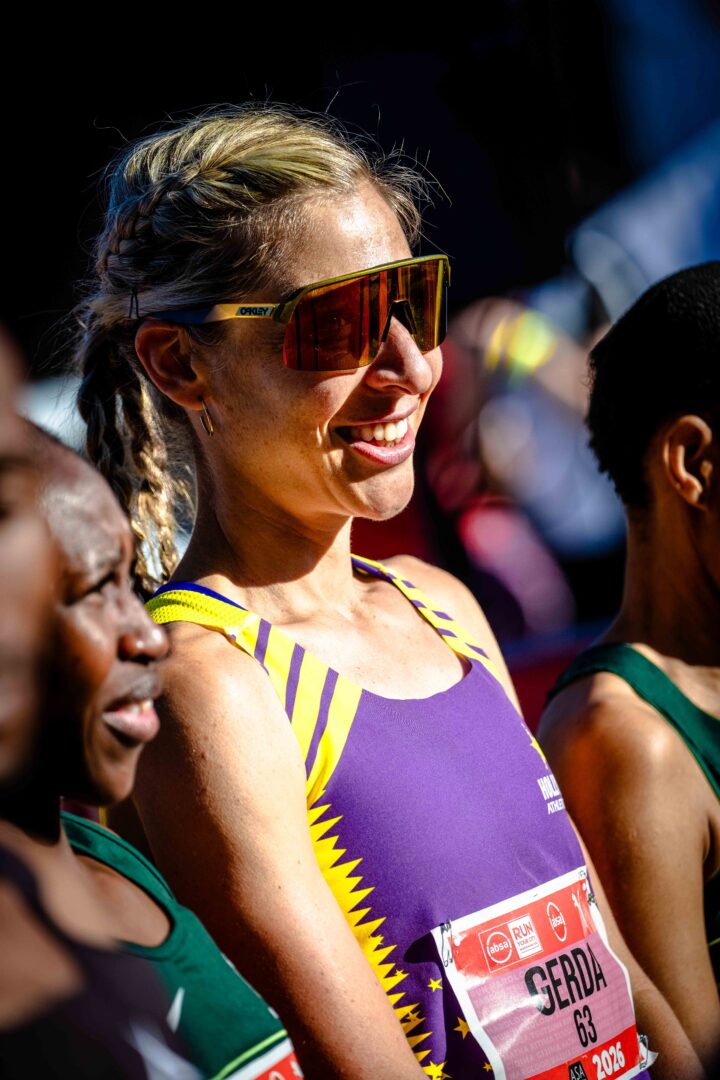
In the women’s race, the golden girl of South African road running Gerda Steyn made her long-awaited debut at the People’s Race.

The six-time Two Oceans and four-time Comrades champion was the first South African across the finish line taking the bronze medal in 2:37:00.

She just managed to edge out her Hollywood AC teammate Irvette van Zyl, who placed fourth in 2:37:35.

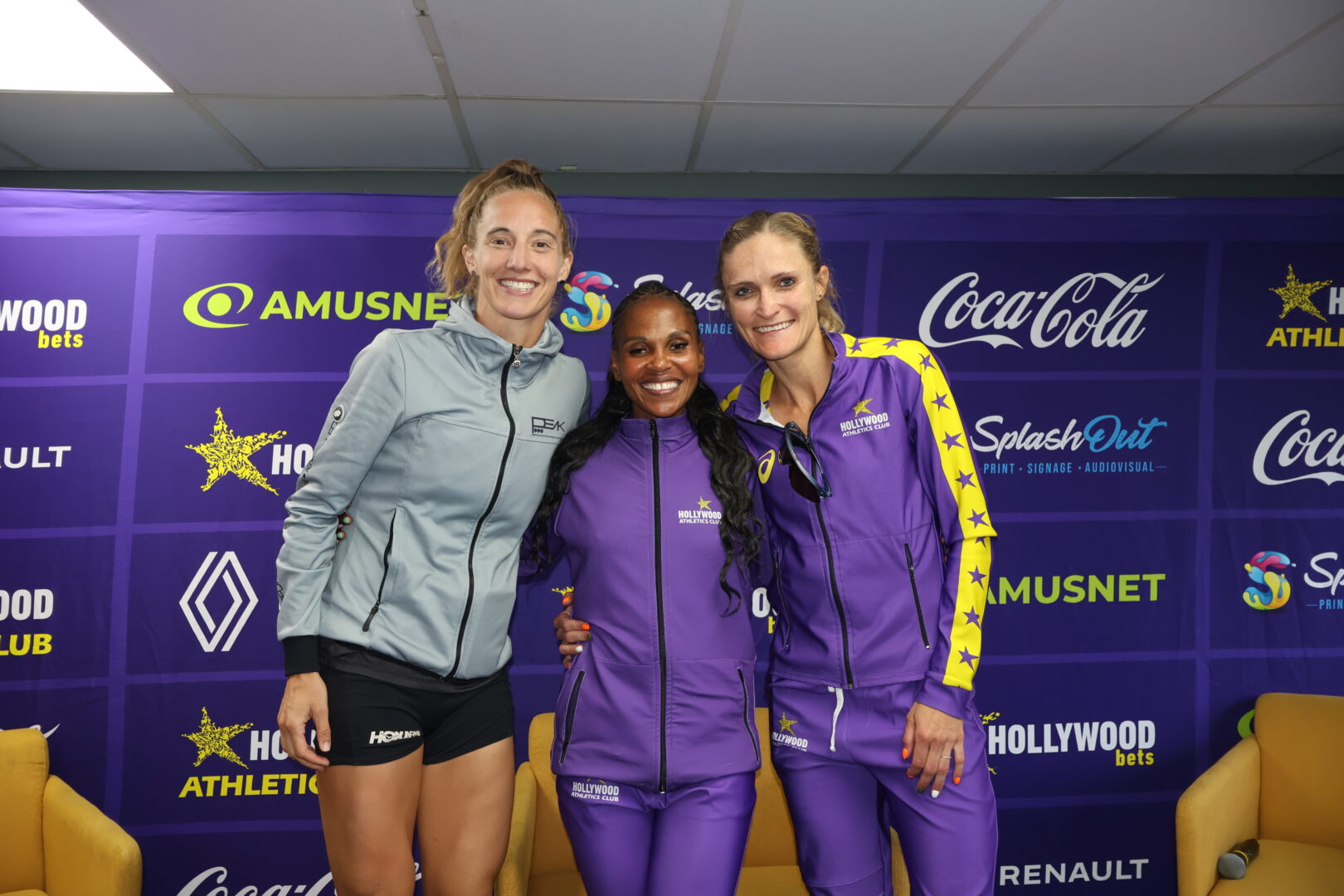
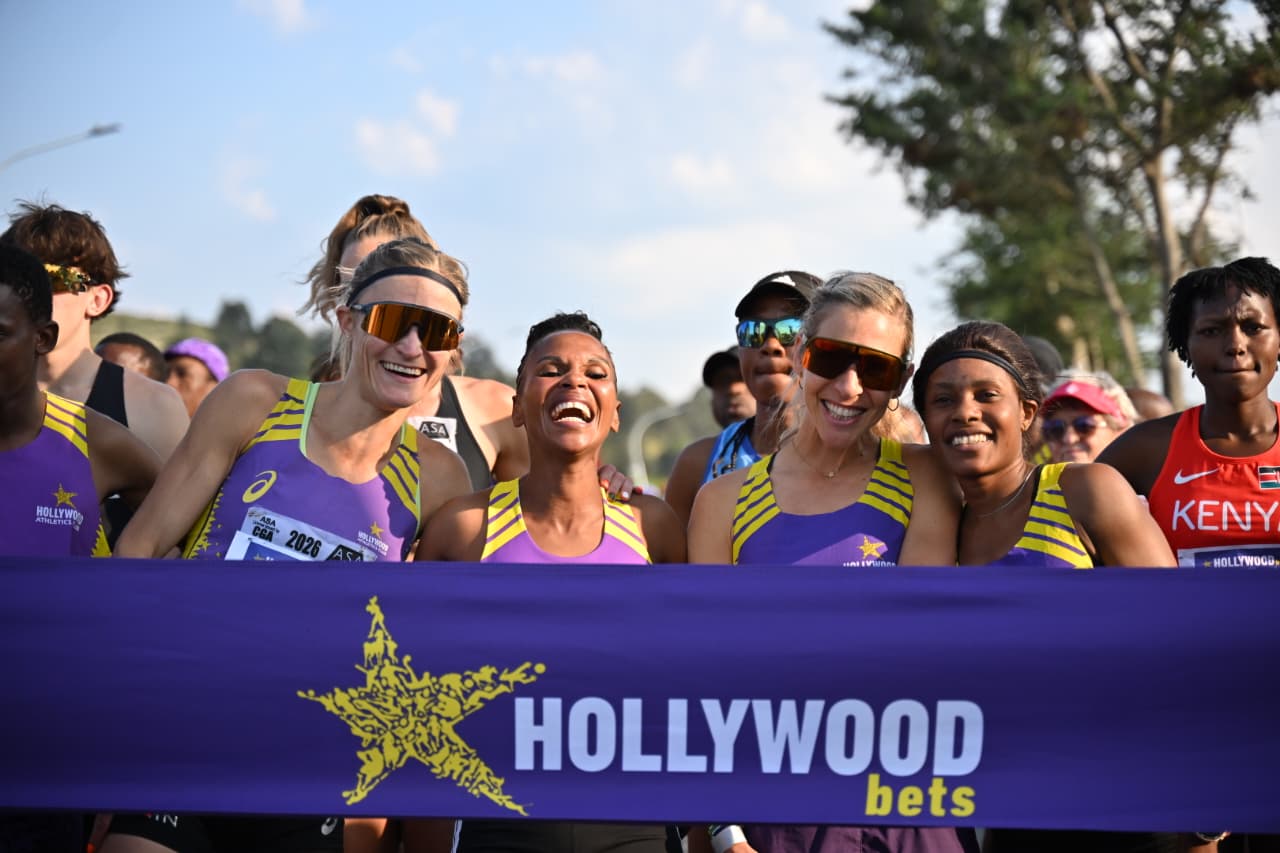
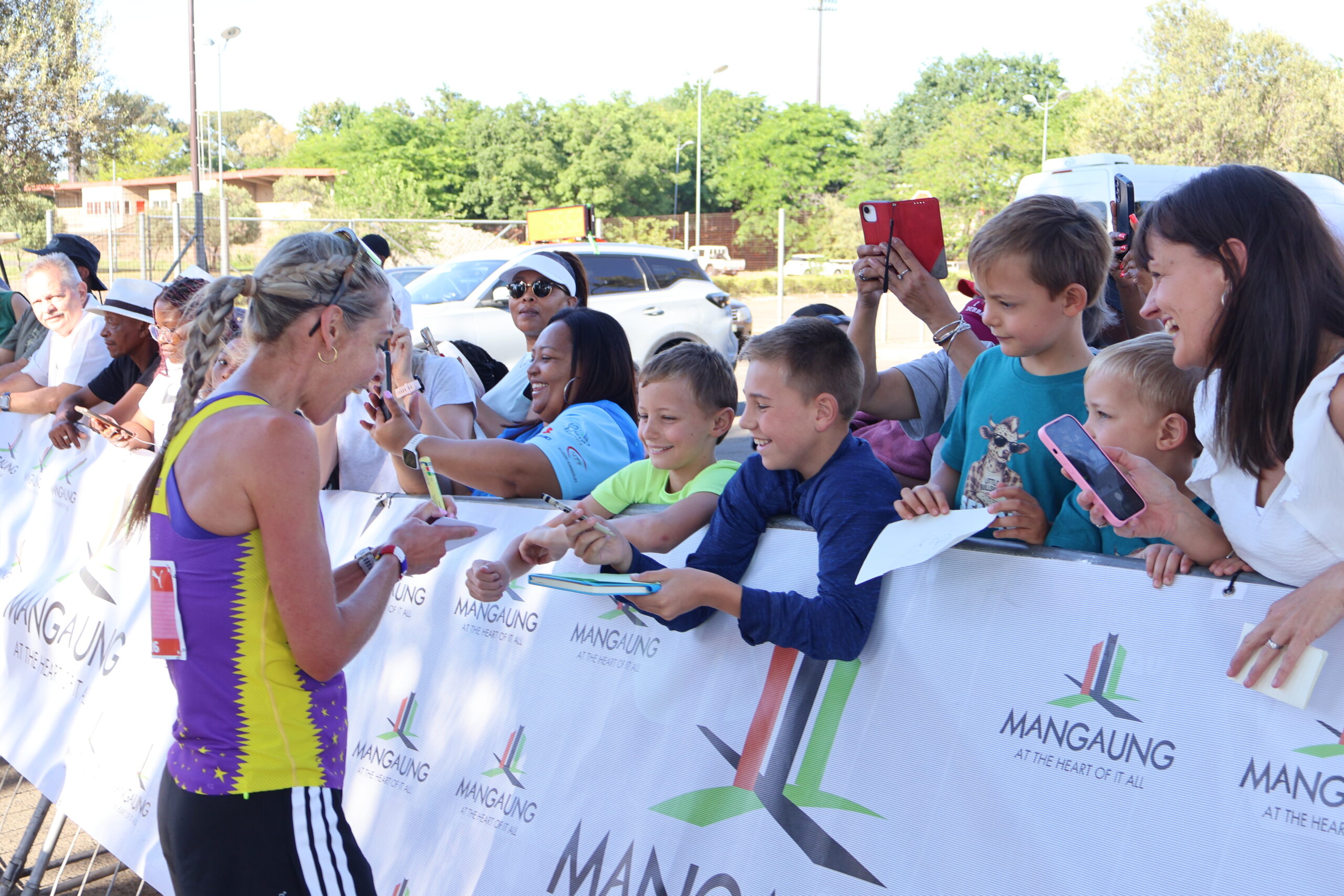
Gerda Steyn finished in third place on debut at the Soweto Marathon

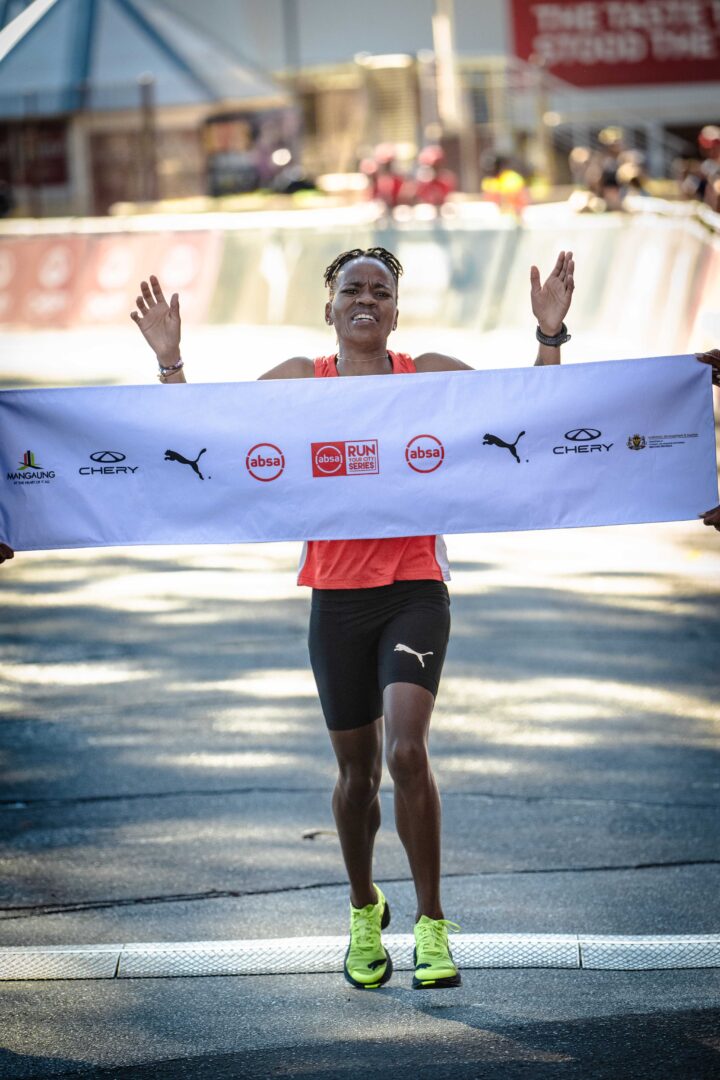
Kenya’s Margaret Jepchumba (Nedbank) clinched the title in 2:34:33, just outside Van Zyl’s long-standing record. But it was more than enough to tame a stacked field. Zambian Elizabeth Mokoloma (2:35:59) took second.

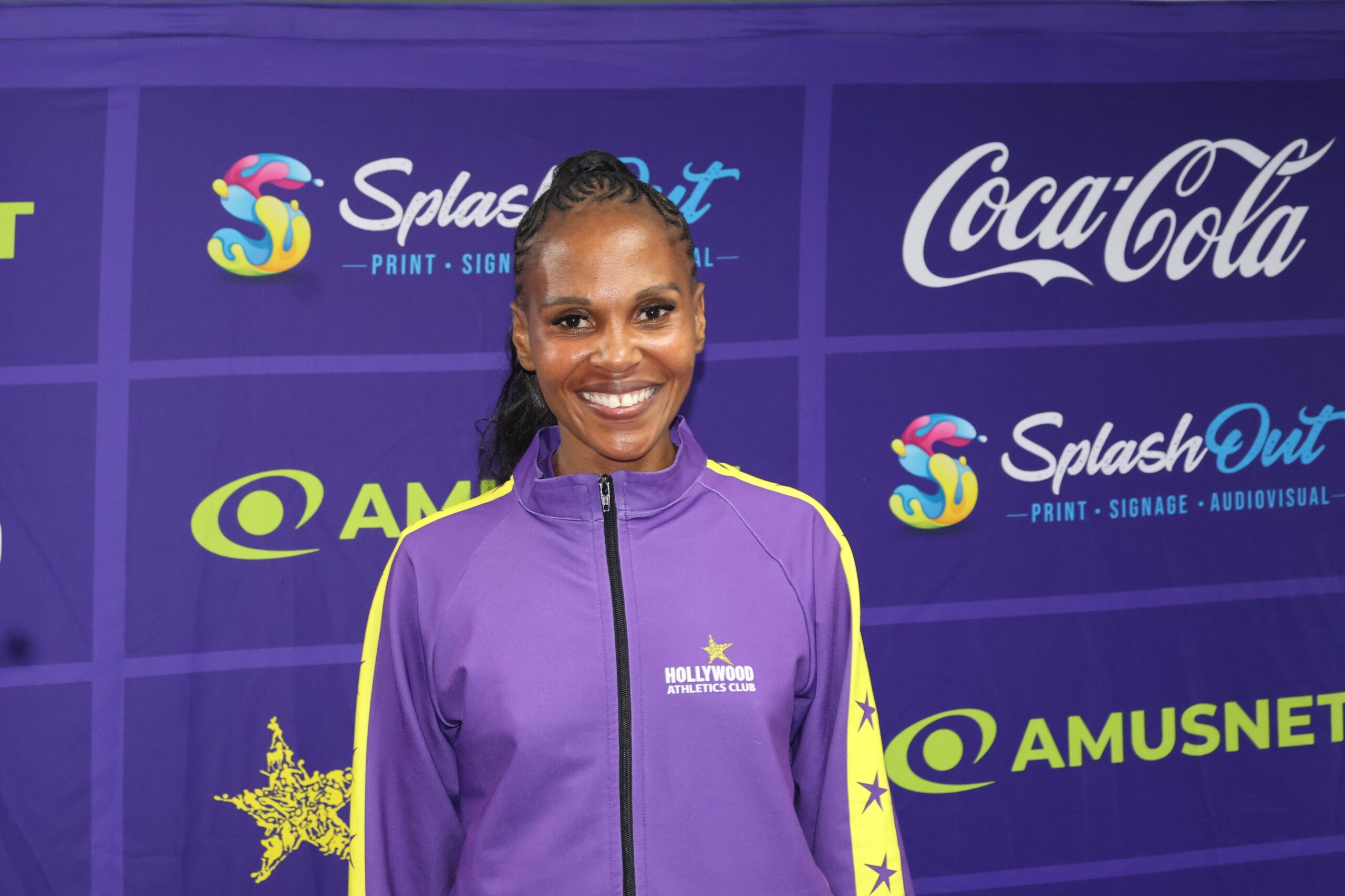
“It was a wonderful first experience here in Soweto,” said Steyn, affectionately known as The Smiling Assassin.

“I have been wanting to run the People’s Race for such a long time. I am always proud to run on home soil, and not having the Soweto Marathon under my belt was a missing item.”

Steyn didn’t sugarcoat the challenge.

“It was a tough race, from the gun-go the pace was really fast from the beginning, but I expected it to be like that. I think it was the most competitive field we have had at the Soweto Marathon in a long time.

“I was the first South African to cross the line, and for me it is like a small win, although I am a little disappointed not to finish first. But it was a fair race.”

Results:

Men

  1. Khoarahlane Seutloali (LES) – 2:20:09
  2. Ntsindiso Mphakathi (RSA) – 2:20:24
  3. Onalenna Khonkhobe (RSA) – 2:20:39
  4. George Kusche (RSA) – 2:20:47

Women

  1. Margaret Jepchumba (KEN) – 2:34:33
  2. Elizabeth Mokoloma (ZAM) – 2:35:59
  3. Gerda Steyn (RSA) – 2:37:00
  4. Irvette van Zyl (RSA) – 2:37:35

CLICK HERE FOR THE FULL RESULTS

Reinach’s Golden Milestone and Rassie’s Clever End-of-Year Chess Move

By Adnaan Mohamed

There’s a reason the Springboks never really feel “under-strength” even when half the squad is scattered across Europe, Japan and club rugby obligations. South Africa, more than any other rugby nation, has turned adversity into opportunity, disruption into design. And this week in Cardiff, as the Boks close out their season against Wales, that philosophy takes centre stage.

Saturday marks more than just the end of the Outgoing Tour. It marks a moment of quiet, powerful significance in a year defined by rotation, regeneration, and ruthless forward-thinking.

Because while the headlines will rightly celebrate Cobus Reinach’s 50th Test, the deeper story is how Rassie Erasmus is using this final match of the year to subtly tighten the screws on South Africa’s long-term blueprint.

Let’s dive in.

1. Reinach at 50: A Triumph of Perseverance Over Spotlight

At 35, Cobus Reinach reaching his milestone half-century is a testament to patience in an era obsessed with instant stardom.

He’s never been the loudest, the flashiest, nor the headline-grabber. Instead, he has been the Springbok who always arrives when needed, slips into the system seamlessly, and changes the tempo with a veteran’s calm.

Rassie’s admiration was heartfelt:

“Cobus is a true team man… he’s grabbed every opportunity with both hands.”

There’s something beautifully poetic about Reinach not starting on the day he reaches 50 caps, but sitting quietly on the bench.

He will be the lone backline reserve among seven hulking forwards. It captures his role perfectly: the dependable firefighter, trusted when the match burns hottest.

This is not just a milestone. It is a tribute.

2. The Selection Puzzle: Rassie Turns Limitations Into Leverage

Test matches outside the international window are usually a nightmare for southern hemisphere coaches. Erasmus lost a dozen frontline stars to club commitments – Handre Pollard, Malcolm Marx, Cheslin Kolbe, Jesse Kriel, and Pieter-Steph du Toit among them. Many coaches would be forced into damage control.

Rassie?
He sees a laboratory.

This is where South African rugby’s conveyor belt gets tested in fire. 49 players have earned Test caps this year alone. It’s a staggering number, but one rooted in planning, not panic.

“We’ve been rotating players all year… many of these combinations are fully settled.”

There is no “second-string Springboks.”

There are only Springboks in different phases of readiness.

3. The 7–1 Split Isn’t a Gamble – It’s a Statement

The rugby world still blinks when seeing a team sheet with seven forwards on the bench. But to the Boks, it’s as natural as breathing.

This week’s 7–1 split is partly forced by availability, but it also reinforces the core of South African Test identity: win the collisions, control the set piece, choke the opponents’ oxygen.

Wales, even in a rebuilding phase, are happiest in the trenches. A weaker team would try to outplay them.
South Africa plan to outmuscle them.

Rassie explained it plainly:

“Our pack has performed incredibly well… and we believe it will be a key area of the match.”

This is Rassie’s selection strategy.

4. Quiet Evolution: The Next Generation of Boks Steps Forward

Gerhard Steenekamp, Johan Grobbelaar, Zachary Porthen, Asenathi Ntlabakanye are not household names yet, but they are seen as the building blocks of South Africa’s post-2027 pack.

Steenekamp starting his first Test is no coincidence. The Boks’ current front-row titans will not be around forever. Rassie is not waiting until 2026 to find their successors.

Erasmus is making changes early, deliberately, and unapologetically.

This Wales Test is seen as an investment.

5. The Bigger Picture: Wales, Rankings and the RWC Draw

Wales arrive with their own headaches and absentees, but they’re dangerous precisely because of it. Young players with everything to prove, veterans trying to hold onto jerseys, and a home crowd hungry for a scalp.

And then there’s the looming Rugby World Cup draw next week.

For both teams, the rankings matter. Momentum matters. Perception matters.

Rassie expects an ambush:

“They’ll come out firing… they’ll give everything to finish on a high note.”

This will not be a polite end-of-year handshake.
It’s a cage fight with diplomatic flags.

6. What This Match Really Represents

This final Test of 2025 can arguably be seen as a microcosm of South African rugby philosophy:

  • Celebrate the unsung (Reinach).
  • Trust the young (Steenekamp, Ntlabakanye, Porthen).
  • Prepare for the future early (49 players used).
  • Double down on identity (the 7–1 split).
  • Stay unpredictable (mixing stalwarts with debutants).
  • Never fear disruption – weaponise it.

If the Boks win, they end the year with a statement.
If they lose, they still walk away with priceless data.

Either way, South Africa wins something.

On Saturday night, as Reinach steps onto the field for the 50th time, he’ll do so as the embodiment of everything this Bok season has stood for: quiet excellence, depth, resilience and relentless preparation for the future.

South Africa are building towards 2027. And Reinach’s milestone, achieved with humility, hunger and heart. It reminds us what really powers the Springbok machine: people who show up, again and again, long after the spotlight has moved on.

Proteas Rise in India: Shukri and Temba leads a masterclass in resilience

By Adnaan Mohamed

For years, touring India has felt like stepping into cricket’s equivalent of the “Death Zone” in brutal conditions, deafening crowds, and a cauldron of pressure where even great teams lose their bearings. South Africa has known that pain too well. Heavy defeats. Broken confidence. Tours remembered for their scars rather than their strides forward.

But this time, something powerful shifted.

In a story worthy of every athlete who has ever been told they’re not enough, the Proteas walked back into the lion’s den, and roared back even louder, sealing a historic 2–0 Test series win, their first in India in 25 years.

The victory was a reset, a reclaiming of identity, and a reminder of what’s possible when belief becomes bigger than fear.

A Captain Who Carries More Than the Badge

Temba Bavuma’s journey mirrors the heartbeat of modern sport in South Africa: resilience, self-discovery, and the courage to keep standing up when the world expects you to stay down.

Twice before he had toured India. Twice he came home with the kind of numbers and memories most athletes try to forget. Thrown into unfamiliar roles, navigating team turmoil, and battling his own form demons, Bavuma could easily have let those failures define him.

But the man who walked out in Guwahati was not the same athlete.

He was calmer. Clearer. Centered. A captain who had found his voice. A leader whose strength lay not in shouting orders, but in empowering others.

“Coming here, I would never have thought 2–0 would be the result,” Bavuma admitted.

“We know how dark it can be, so getting 2–0 here is an incredible achievement. We’ve painted ourselves into history.”

This is the language of someone who understands the trenches and knows what it means to climb out of them.

A Team Built on Trust, Not Ego

Under coach Shukri Conrad, the Proteas have become more than just a squad. They’re a collective built on shared ownership. Conversations are open. Roles are clear. Leadership is distributed like responsibility in a relay race, everyone carries the baton at some point.

“I’m a lot more assured as a person and as a captain,” Bavuma said.

“We have a lot of leaders in the team. Guys who add value in their own space. Guys I bounce ideas off. And I’ve learned to separate Temba the batter from Temba the captain.”

For athletes, this is gold: Identity is not a single performance. Leadership is not a solo act.

Champions Step Up When It Matters

Great teams need great moments. And South Africa found them everywhere.

  • Simon Harmer, returning to the very country where his career once stalled, produced the greatest bowling series by any visiting spinner in India: 17 wickets at 8.94. A statistic and a story built on grit.
  • Marco Jansen was a walking highlights reel: destructive bouncers, crucial runs, and a catch so athletic it bordered on impossible.
  • Aiden Markram reinvented himself as South Africa’s safest pair of hands, plucking a world record nine catches and steadying the mood whenever needed.

This wasn’t a win built on stars. It was built on synergy and those subtle connections athletes feel when the entire team is in rhythm.

Rising Above the Weight of History

India had lost just one series at home in 12 years. Their fans are famously unyielding. Their conditions notoriously unforgiving. And yet, the Proteas showed that history, no matter how intimidating, is only a backdrop, not a destiny.

Their 408-run win in the second Test wasn’t just dominance; it was a message:

This team is evolving. Growing. Believing.

For South African cricket, often weighed down by near misses and what-ifs, this was an emphatic reminder that the future can be bold, bright, and beautifully unpredictable.

What This Means for the Athlete in All of Us

Every athlete, whether you run trails, swim laps, hit gym reps, or chase PBs knows what it feels like to revisit a place of past disappointment. The doubt. The fear. The ghosts.

What the Proteas did in India is what everyone strives for:

  • To return to a place of pain, and rewrite the story.
  • To trust the process even when your stats say you shouldn’t.
  • To lead with humility, not ego.
  • To push through dark moments because the light ahead is worth it.
  • To discover that your greatest breakthroughs often hide behind your greatest failures.

Bavuma and his team won a cricket series and delivered a universal message of courage:

Your past is not a prophecy. Your setbacks are not your ceiling. Your biggest victories often arrive exactly where you once struggled most.

And sometimes, after 25 long years, everything aligns, and you finally conquer your Everest.

Rebecca Kohne shocks UTCT 55km with Breakout Win in Debut Ultra-Trail

Adnaan Mohamed

By the time dawn cracked open above Table Mountain on Friday, the storm had already done its damage. Cape Town’s city bowl looked like a shaken snow globe – debris scattered, Race Village shuttered, the wind still muttering threats through the pines.

But out on the 2025 RMB Ultra-Trail Cape Town (UTCT) Peninsula Traverse 55km start line, a 22-year-old from George stood still and unbothered, like someone listening to a different frequency entirely.
Rebecca Kohne wasn’t here for the noise. She was here for the mountain.

The thing is, nobody expected much from her, not even her.

This was her first ultra. Her first dance with the 55 km beast. Her first attempt at a distance where mistakes become monsters and pacing becomes gospel. The PT55 is notorious: half coastal storm, half rocky furnace, all attitude.

Kohne just smiled at it.

A Track Kid Walking Into the Lion’s Den

Kohne didn’t grow up on rugged singletrack. She’s a track kid with clean lines, controlled speed, predictable rhythm. She only started trail running in 2022, easing into shorter races, building confidence in the dirt.

Nothing in her résumé said “future 55 km winner.” But UTCT has a habit of pulling truth out of people.

“I had a really nice day today and really enjoyed the course,” she said later, almost too casually for someone who had just shocked one of the world’s biggest trail races.

“I ran pretty conservatively and ran a bit harder towards the end of the race.”

She said it like she’d just ticked off a chilled Sunday jog—not a career-altering breakout.

Running Her Own Race – Literally

What separated her from the rest wasn’t raw power or swagger. It was composure.

She didn’t panic when the wind howled across the ridges. She didn’t force things on the climbs. She didn’t chase the favourites.

She simply stayed in her lane – an ex–track runner building a new one across the mountain.

“No, I didn’t think so,” she admitted when asked if she expected to win. “I was hoping for top five.”

Then she dropped the line that perfectly sums up her day:

“The biggest thing I take away from today is not to count yourself out until the end. I just ran my own race, and I was focusing on how I was feeling. I just solved my problems as I was going through the course, and it turned out to work out for me.”

That’s veteran-level patience. That’s ultra instinct earned, not taught.

A Victory Without Flash – But Full of Fire

Rebecca Kohne did not arrive at UTCT to make noise. But mountains don’t care about hype—they care about honesty.

And Kohne ran with the kind of honest effort that trail running respects: steady, smart, attuned, unshakeable. Her 6:11:44 finish was clean, decisive and quietly devastating to the field.

A first ultra win in her first ultra attempt? That’s the kind of statistic that makes the trail world lean forward.

“For now, I will just enjoy the victory and decide what to do next when I return home,” she said, already being touted as South Africa’s next big thing.

Classic Kohne – calm in a moment when most would combust.

The Trail World Has a New Name to Learn

There are performances that make headlines.
Then there are performances that change trajectories.

This one felt like the latter.

On a morning when the storm was supposed to steal the show, a 22-year-old solved the mountain like it was a riddle she’d been waiting her whole life to answer.

Rebecca Kohne came to UTCT as an unknown. She left as the athlete everyone will be watching when the next trail rises.

2025 UTCT Winners

100 Miler (UTCT 100M)
Men: Douglas Pickard (RSA) – 21:49:11
2. Aleksei Tolstenko (RSA)
3. Admire Muzopambwa (ZIM)

100 km (UT100 – Men)
Jeff Mogavero (USA) – 11:04:53
2. Dmitry Mityaev (Neutral)
3. Matthew Healy (RSA)

Jeff-Mogavero-Dmitry-Mityaev-Matthew-Healy-2025-Ultra-Trail-Cape-Town-100k-mens-podium

100 km (UT100 – Women)
Sunmaya Budha (Nepal) – 12:25:55
2. Antonina Iushina
3. Tara Fraga

Sunmaya-Budha-2025-Ultra-Trail-Cape-Town-100k-womens-winner-finish-chute

55 km Peninsula Traverse (PT55)
Men: Johannes Wingenfeld (GER) – 5:13:26
Women: Rebecca Kohne (RSA) – 6:11:44

35 km Table Mountain (TM35)
• Race called off due to windy conditions

23 km Explorer (EX23) & 16 km Kickstarter (KS16)
• Events completed; official results not yet published.

SA Hockey Men Ready to Turn Up the Heat at Nkosi Cup 2025

The South African Hockey Association has announced a powerful SA Men’s Indoor Hockey squad for the 2025 Nkosi Cup, set for 12–16 December in Cape Town.

With New Zealand, Australia, Namibia and the USA all confirmed, the event promises another world-class indoor spectacle.

South Africa arrive with confidence after securing Africa’s first-ever Indoor World Cup medal earlier this year. They now prepare to defend their Nkosi Cup title for a third consecutive time, fuelled by the same exciting brand of high-tempo skills and precision that captured the world’s attention in Croatia.

Eight World Cup medallists return, including standout Player of the Tournament Mustapha Cassiem, who enters the competition with an incredible 118 goals from 47 tests. Veteran defender Jethro Eustice is set to become the most-capped SA indoor men’s player should he feature throughout the event.

The squad also welcomes back the experienced Ryan Julius, while debutant Travis Krumples joins after a strong Indoor IPT campaign.

SA Hockey Men – Nkosi Cup 2025
Dayaan Cassiem (47), Mustapha Cassiem (47), Cullin De Jager (13), Leruo Ditlhakanyane (14), Jethro Eustice (64), Keegan Hezlett (46), Ryan Julius (32), Travis Krumples (0), Dalpiarro Langford (36), Bongumusa Mngoma (28), Hans Neethling (14), Marvin Simons (6)

ADIDAS TERREX NEW AGRAVIC TRAIL RUNNING REVAMP

By Adnaan Mohamed

South Africa, November 19, 2025adidas TERREX has fine-tuned their Agravic line-up for every kind of trail runner, whether you float over ultras or dash through daily dirt like a sprinter on a gravel runway.

Sprinting out front is the Agravic Speed Ultra 2, the sequel to the record-snatching original and now reborn with more bounce, more grip, and more long-haul comfort. First previewed in Chamonix, the ASU2 has been shaped by some of the world’s fastest trail athletes.

Engineered for ultra-distance efficiency, the model arrives with:
A softer Lightstrike Pro midsole, paired with an exaggerated rocker and energy rods—“a smoother ride with increased energy return” built to keep athletes clicking off kilometres like a metronome on a mountain ridge.
A retooled Continental outsole, sporting deeper 3–4mm lugs for bite on mud, rock, and everything in-between.
A redesigned upper, hugging the foot with more stability and heel comfort for steady footing when fatigue hits like a steep final climb.

Speaking on the updated line, Tom Louage, Global Sr. Product Director Footwear adidas TERREX, said:

“We know that trail running means different things to different people. For some, it may mean running fast across ultra-distances whilst for others, it could mean speed on those everyday trail runs.

With our new-look Agravic range, we wanted to take our existing models – including the race-dominating Agravic Speed Ultra – and push the boundaries further to create products that match the needs of trail runners looking to go faster.”

Joining the headline act are three refreshed and reengineered teammates:

Agravic TT – built for technical trail warfare

SS26_AGRAVIC_AGRAVIC 4_PRODUCT BEAUTY 2

A new entrant in the range, designed for rocky scrambles, sharp descents, and unpredictable terrain.

A wider base brings stability, while the dual-layer Lightstrike Pro + Lightstrike+ midsole offers a blend of cushion, durability, and firmness for controlled speed on gnarlier routes.

A reinforced upper, rock plate, and multi-directional lugs ensure grip that behaves like crampons with finesse.

Agravic Speed 2 – the stripped-back sprinter

adidas’ lightest trail racer yet, sculpted for short-distance battles where “seconds and grams count.” With a trimmed-down upper for stability at minimal weight and a low-profile Lightstrike Pro midsole, the Speed 2 keeps runners close to the ground—quick, agile, and race-ready.

Agravic 4 – the everyday fast trainer for everyone

A workhorse built to bring the feeling of speed to any runner. Softer Lightstrike+ foam means more forgiveness on long sessions, while a protective mesh layer deflects debris like a shield. A smoother, softer upper delivers better fit and comfort without sacrificing durability.

Early Access for adiClub Members

adiClub runners get the first crack at the Agravic Speed Ultra 2 from December 2 via adidas.co.za/trail_running and the adidas app well ahead of the global drop in February 2026, which will unveil the full range worldwide.

Springbok Stars Dominate World Rugby Awards Nominations

By Adnaan Mohamed

South Africa’s rugby powerhouse flexed its muscles again this week as four Springboks crashed through the global recognition line like flankers hitting a ruck at full tilt.

Pieter-Steph du Toit, Malcolm Marx, Ox Nche and rising star Ethan Hooker were all shortlisted for major honours at the 2026 World Rugby Awards announced on Tuesday.

Du Toit, already etched in history as the first South African to win the World Men’s 15s Player of the Year twice, is once more in the running for the sport’s highest individual accolade. He is joined by teammates Marx and Nche as well as France’s electric winger Louis Bielle-Biarrey. Marx earns his second career nomination after also being recognised in 2018.

Hooker, meanwhile, finds himself in the global limelight as one of four nominees for World Rugby Men’s 15s Breakthrough Player of the Year, lining up alongside New Zealand’s Fabian Holland, England’s Henry Pollock and Australia’s Joseph-Aukuso Suaalii.

SA Rugby President Mark Alexander praised the quartet’s impact, saying:

“I’d like to congratulate Pieter-Steph, Malcolm, Ox and Ethan for being recognised among the best players in the world.”

He added: “To have three of the four nominees for Men’s 15s Player of the Year from South Africa, as well as Ethan in the Breakthrough category, is a testament to the quality of our players on the global stage.”

Alexander said the recognition reflected the green-and-gold’s consistency and class:
“They have all performed exceptionally well this season and deserve this recognition. On behalf of SA Rugby and the entire country, I want to express how proud we are of them.”

He concluded with a message of encouragement ahead of the final announcement:

“We wish them well ahead of Saturday’s announcement. Regardless of the outcome, being nominated is already a remarkable achievement.”

Only Schalk Burger (2004), Bryan Habana (2007) and Du Toit himself have previously lifted the prestigious World Rugby Player of the Year crown. Other South Africans nominated over the past decade include Willie le Roux, Duane Vermeulen, Faf de Klerk and Lukhanyo Am.

The winners will be announced on Saturday, 22 November, with World Rugby’s Dream Team of the Year set to follow on Tuesday, 25 November.

Springbok Front-Row Boost for Tour Finale

By Adnaan Mohamed

The Springboks have bolstered their touring front row with the arrival of seasoned hooker Bongi Mbonambi and powerful prop Ntuthuko Mchunu, who will link up with the squad in Ireland on Sunday as Rassie Erasmus sharpens his blades for the final two Tests of the Outgoing Tour.

Mbonambi, a trusted warhorse from the Rugby Championship trenches, was on Erasmus’ standby list, while Mchunu last donned the green and gold against Portugal in Bloemfontein, but both now thunder back into the Bok scrum as reinforcements ahead of battles with Ireland and Wales.

“This is a longer tour than usual, and we have two big matches lined up against Ireland and Wales, which prompted the decision to call up Bongi and Ntuthuko,” said Erasmus.

“Both players have done the job for us on the international stage, so we are excited to have them in the group.

“Several players will not be eligible for selection for the final Test on tour against Wales, as the match falls outside of the international window, so it makes sense to call up the players now to get back into the swing of things with us at training this week, while at the same time increasing the depth we have within the squad for our next challenge against Ireland.”

The Springboks will shift camp from Italy to Dublin on Sunday, where preparations begin in earnest on Monday. With reinforcements ready and the tour’s heaviest collisions still to come, the Bok machine is tightening its bolts for an Irish onslaught that promises to be as unforgiving as winter steel.

Source: SA Rugby

Two Weeks, Two Reds, One Relentless Springbok Spirit

By Adnaan Mohamed

For the second week in a row, the Springboks walked into a northern-hemisphere storm and refused to be blown over.

Another early red card, another No 5 lock gone, yet the world champions simply bent, adjusted and found a new way to win, beating Italy 32–14 in Turin with the kind of grit that can only be forged in chaos.

Franco Mostert’s 12th-minute red card echoed Lood de Jager’s fate against France a week earlier. Same number on the jersey. Same sinking moment. Same response: the Boks shifted shape like a scrum rearranging itself in a gale, and played as though the missing man had simply been absorbed into their collective heartbeat.

Captain Siya Kolisi said the team has learned to solve problems while sprinting.

“We went through it last weekend, and this week we went through the same thing. So, we make plans in the game as we go along because such things happen,” he said.

“The biggest thing that we were asked this week is to show our ‘Africanness’ and that’s about making plans because there are always stumbles… They (the coaches) are always prepared for any scenario, and even the guys who are not playing sit and make plans and decisions.”

Kolisi admitted the emotional sting was real:

“It doesn’t make it easy for us… seeing a guy like Franco sitting there, we could see the hurt in his eyes. But I really love the way this team is able to stand up and fight.”

Rassie Erasmus, visibly exasperated, didn’t hide his frustration.

“It is what it is. What I say can’t make a difference,” he said. “It’s sad that our captain had to make that sacrifice twice in a week.”

The Bok coach questioned how much lower a two-metre lock can physically tackle.

“Losing two locks in two games now for going lower than they can go… it’s tough to understand,” Erasmus said. “We don’t know how to coach guys to go lower, especially when someone is on his knees.”

Yet amid the frustration, he applauded his team’s ability to morph on demand.

“Yes, we have a way to adapt,” he said. “That certainly makes us tighter as a team… I’m happy with the result, but still sad for the players who have to take the brunt for something that happened by accident.”

Three wins from three, two red cards navigated, and a squad that keeps inventing new ways to survive the storm. The Boks now head to Ireland, hardened once more by fire and fallout.

Featured Photo: Andre Esterhuizen/ https://x.com/springboks

Source: SA Rugby