Rugby’s Greatest Rivalry carries influence well beyond the playing field.
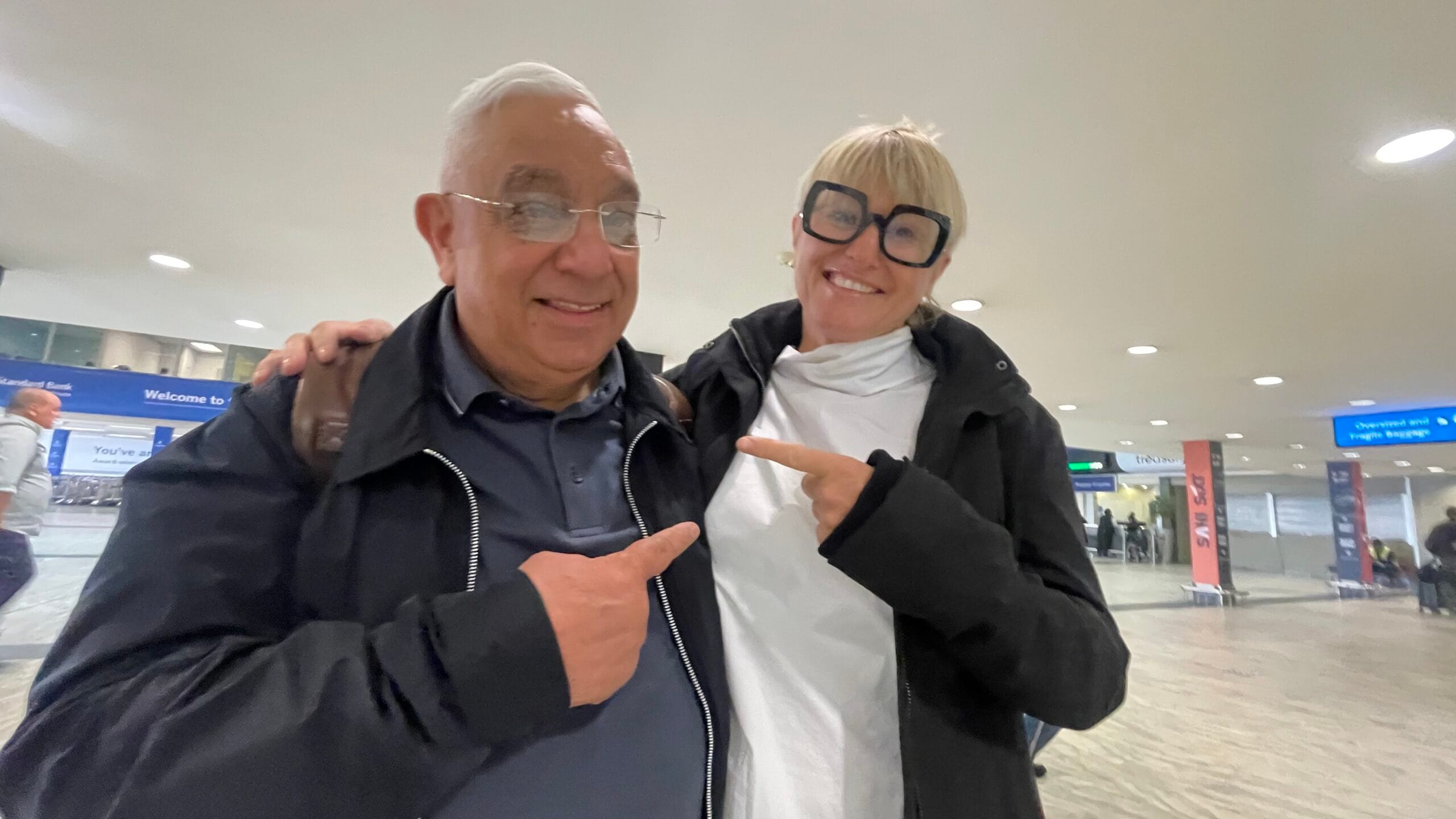
SA Rugby president Mark Alexander welcomed NZ Rugby president Erin Rush to Cape Town ahead of Saturday’s Test at DHL Stadium, highlighting the enduring relationship between two nations that have collectively won 70% of Rugby World Cups.

Rush, New Zealand Rugby’s first female president, has also brought a remarkable playing and broadcasting career into the governance arena.
Cape Town now prepares for another chapter in one of sport’s most enduring rivalries.
By Adnaan Mohamed
South Africa and New Zealand have spent more than a century throwing rugby thunderbolts at each other. On Wednesday morning, the latest chapter of that fierce sporting relationship began with handshakes, smiles and a shared flight into Cape Town.
South African Rugby president Mark Alexander welcomed his New Zealand counterpart Erin Rush at Cape Town International Airport ahead of Saturday’s second Rugby’s Greatest Rivalry Test between the Springboks and All Blacks at DHL Stadium.
The two presidents travelled together after witnessing New Zealand’s 33-16 victory over the Springboks at Ellis Park on Saturday. Their rugby roadshow continued at the same venue on Tuesday night, where the All Blacks edged the Lions 42-35 in a breathless spectacle featuring 11 tries.
Coach Dave Rennie’s side produced six tries, with Cash van Rooyen’s charges crossing five times. The thrilling contest crackled like a loose ball at a hotly contested breakdown, with the All Blacks eventually stealing victory in the final minute.
For Rush, South Africa’s welcome has been every bit as memorable as the rugby. After the All Blacks victory in the first Test, she expects the pressure and intensity of the rivalry to reach new heights for the rest of the series.
“It’s been amazing. There’s a lot at stake,” said Rush.
“Firstly, I want to say thank you to South Africa Rugby and the people of South Africa for their generous hospitality. Also for bringing such intense anticipation and a huge match-up on the field. It is so exciting and we’ve got so many of our supporters here who are enjoying it too.”
Her response came after Alexander pointed out the strong historical bond between New Zealand and South Africa.
“Yeah, thank you,” Rush replied.
Alexander then welcomed his New Zealand counterpart with the warmth of an old rugby handshake.
“We welcome Erin [Rush] and the All Blacks the old foe here in Cape Town. We’re great friends and always bring the best out of each other,” said Alexander.
“The one thing about rugby, it brings people together. And the two nations have got a long history, you know.”
Then came the statistic that gives this rivalry its heavyweight status.
“Between the two of us, we won 70% of the World Cups hosted to date. So, it is the greatest rivalry. And that’s why we’ve got the best two teams in the world competing in the next couple of weeks in South Africa.”
Rush arrives in the Mother City carrying a remarkable rugby story of her own. The 56-year-old became New Zealand Rugby’s first female president in May 2026, securing a two-year tenure after being elected by NZR’s affiliate members and succeeding former All Black Matthew Cooper.
Her rugby CV reads like a long-running Test match. Rush was Black Fern No. 113, making her international debut in 2003 at 33, only weeks after giving birth. She captained Wellington Pride, earned 100 caps for the province and played club rugby for Wellington FC.
Her pioneering streak began even earlier. In 1998, she co-commentated the first Black Ferns Test broadcast live on television during the World Cup final.
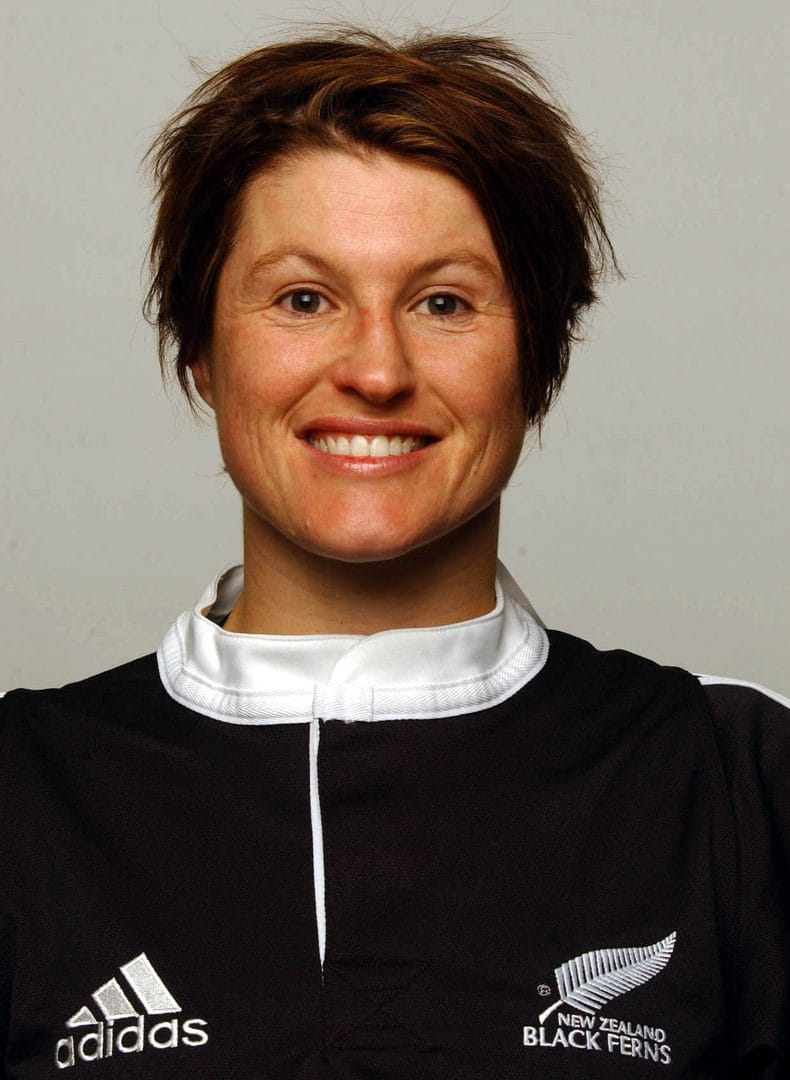
She served as NZR vice-president from 2024 to 2026 before taking the presidency. Her current role includes attending board meetings, travelling with national squads, welcoming international guests and presenting medals, with no board voting rights attached to the ambassadorial position.
Now, Cape Town becomes the next set piece in a rivalry that has shaped rugby’s folklore.
Saturday’s Test promises another heavyweight collision. Alexander and Rush have already shared the flight, the hospitality and the rugby spectacle. Come kick-off, friendship will have to make room for the fiercest handshake in world rugby.
The rivalry is ready to rumble