By Adnaan Mohamed
Cape Town has crossed a finish line decades in the making.
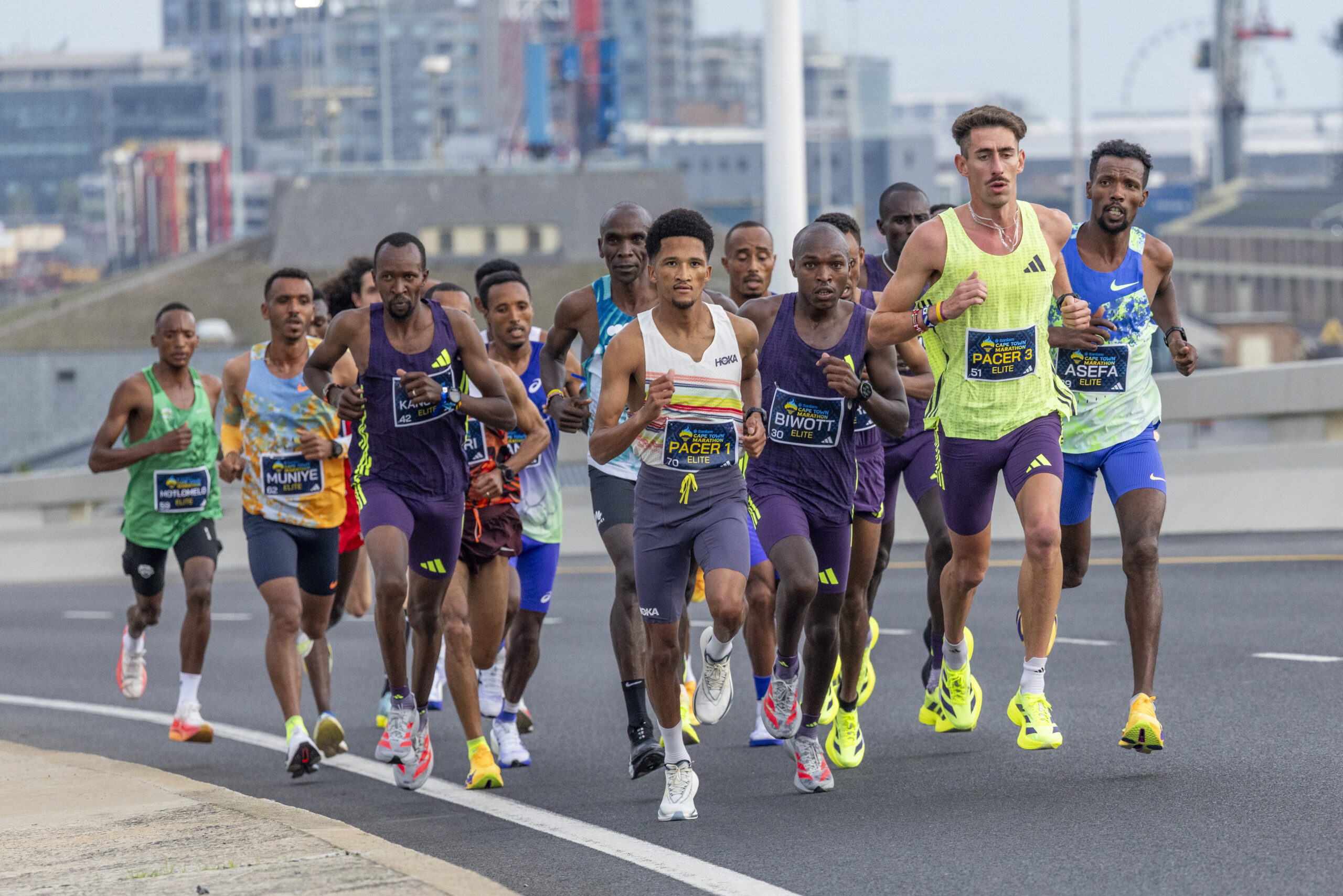
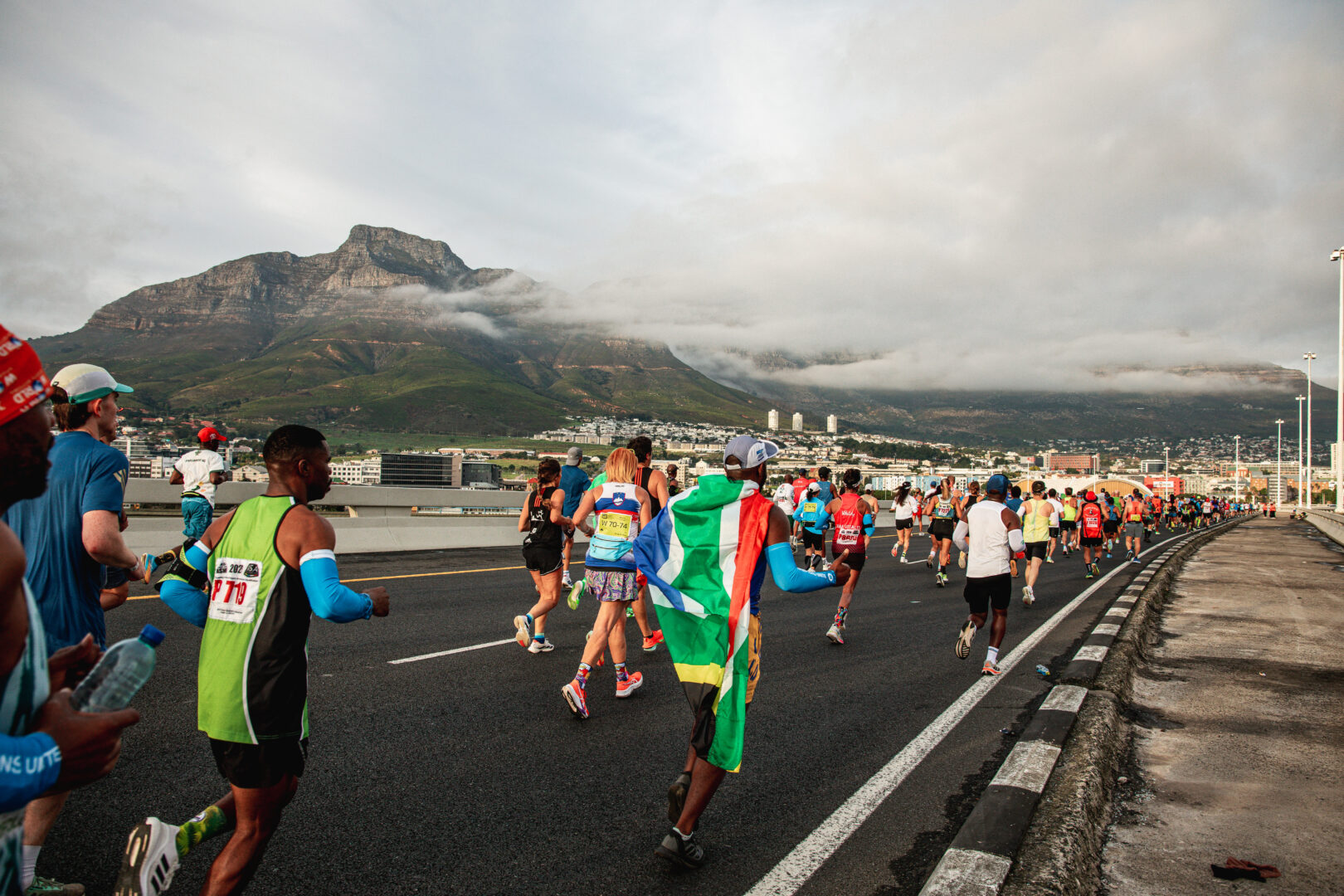
The Sanlam Cape Town Marathon has officially become the first Abbott World Marathon Major on African soil after passing the second and final stage of its assessment process, securing its place among the sport’s most prestigious races.
From 2027, Cape Town will stand alongside Tokyo, Boston, London, Sydney, Berlin, Chicago and New York in what has long been marathon running’s most exclusive club, a landmark moment for a continent that has produced generations of distance-running greats.
“It gives me huge pleasure to welcome Cape Town to the family,” said Abbott World Marathon Majors CEO Dawna Stone.
“After watching the race grow in size and stature during its candidacy and also seeing the resilience and dedication of the team lead so wonderfully by Clark Gardner, Africa’s first Major has finally arrived. The unique culture, the welcome from the people of the city and the wonderful setting Cape Town provides will bring a whole new dimension to our series. I know runners in Africa and across the world will have a phenomenal experience at this race.”
The announcement marks the culmination of years of planning and community support, with organisers repeatedly highlighting the role played by runners, volunteers, clubs, sponsors and city partners in helping the event meet the demanding criteria.
“This achievement belongs to every person who believed in and committed to this vision,” said race director and CEO Clark Gardner.
“We could never have reached this moment alone. Our runners carried us to the numbers we needed, our sponsors and partners stood firm beside us even when the 2025 race could not go ahead, and our supporters, club captains, residents and service providers each played their part. The Sanlam Cape Town Marathon stands as proof that when Africa comes together, we can achieve anything. This victory belongs to all of them.”
The significance stretches far beyond one city or one race.
For years, African athletes have dominated the global marathon scene while many recreational runners faced the financial burden of travelling overseas to experience a Major. Cape Town’s elevation changes that equation, with organisers committing to keeping two-thirds of race entries available to African participants.
Sanlam Group CEO Paul Hanratty described the announcement as “a collective victory”.
“For 13 years, Sanlam has been part of this journey, walking alongside the event as a committed partner and supporting its growth into a world-class platform. We hope this moment inspires people across Africa to dream bigger, go further and live with confidence.”
The event also carries significant economic value, with projections suggesting it could contribute around R800 million through tourism, accommodation and related spending.

“For Cape Town to be the home of an Abbott World Marathon Majors race is an incredible moment for our city,” said Mayor Geordin Hill-Lewis.
“Achieving this milestone will contribute greatly to Cape Town’s economy, inspire future generations of runners, and leave a legacy for the sport across Africa.”
For a continent that has long supplied many of marathon running’s brightest stars, the road has finally curved home. Africa is no longer chasing the world’s biggest races. It now hosts one.