By Adnaan Mohamed
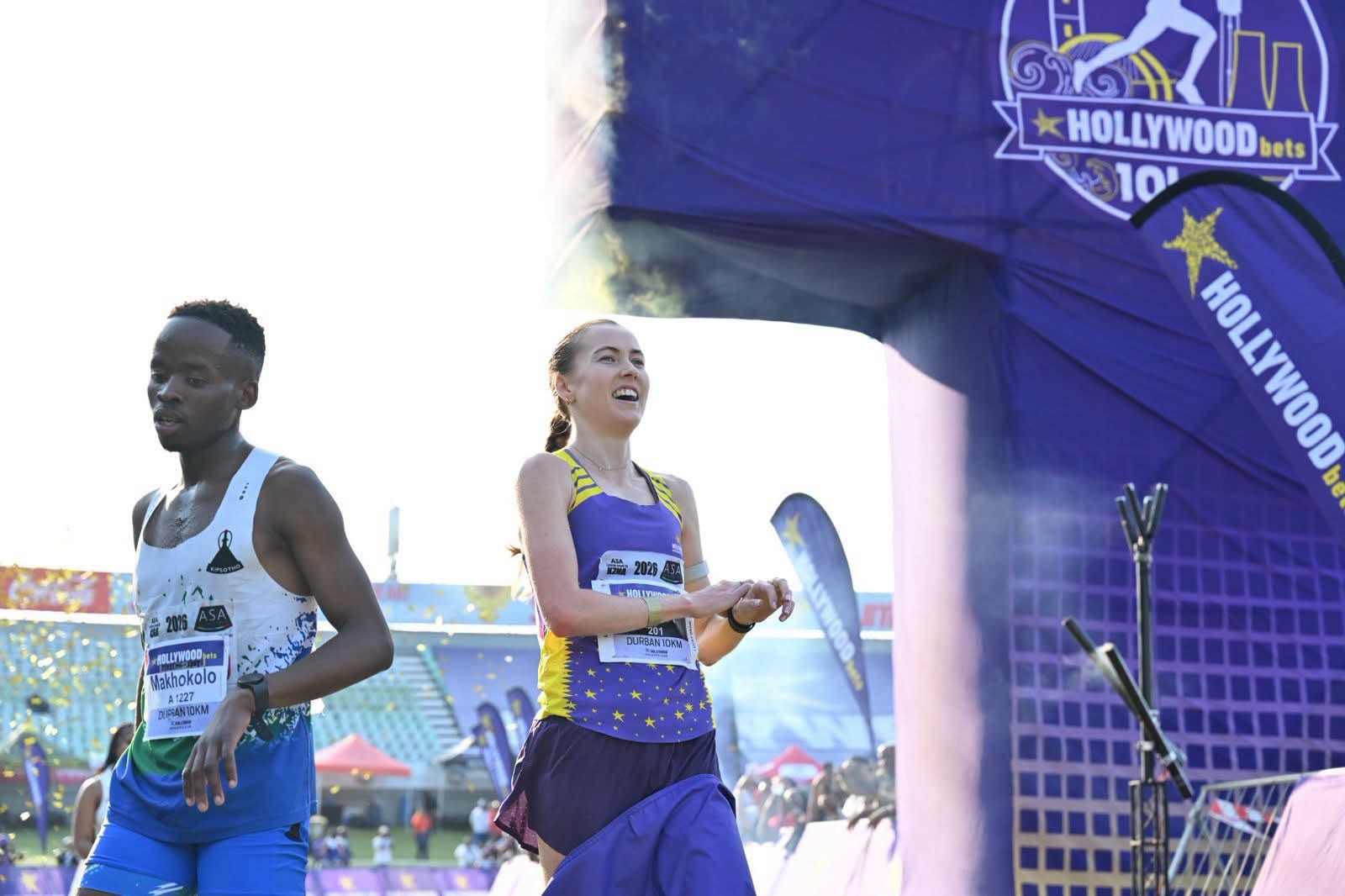
Tayla Kavanagh turned a painful mid-race fall into a powerful statement of resilience when she stormed to victory in the Hollywoodbets Durban 10km at Kingsmead on Sunday.
The 25-year-old Durban-born South African stopped the clock at 31:39 to claim her maiden title in the sold-out race, pocket R40 000 and set a new course record in windy conditions.
Kavanagh had been targeting Glenrose Xaba’s South African 10km record of 31:12, but those ambitions were dented when a male runner tripped her shortly before the 4km mark.
Her response was emphatic.
She got up, gathered herself and resumed the chase.
“No matter what happens, I always tell myself you’ve got to get up and keep going. After I took a fall, that’s exactly what I told myself mentally, just get up, you’ve still got to put in the work and get the job done,” said Kavanagh.
She did exactly that.
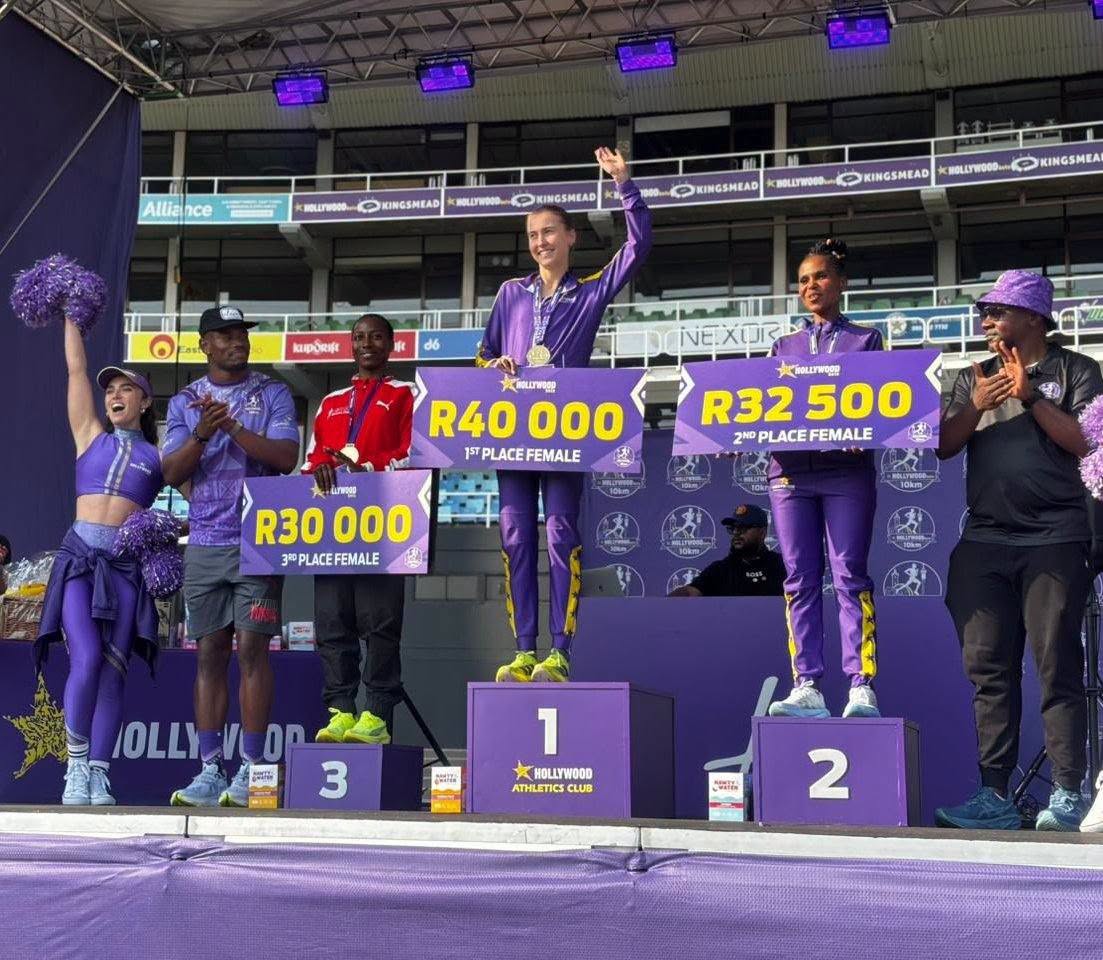
Hollywood Athletics Club teammate and defending champion Neheng Khatala finished second in 32:01, with Boxer Running Club’s Karabo Mailula third in 33:01.
The victory added another significant chapter to what is rapidly becoming a breakthrough season for Kavanagh, who has already secured the national 5km and 10km titles and won back-to-back SPAR Women’s 10km races.
The fall also produced a remarkable moment of sportsmanship.
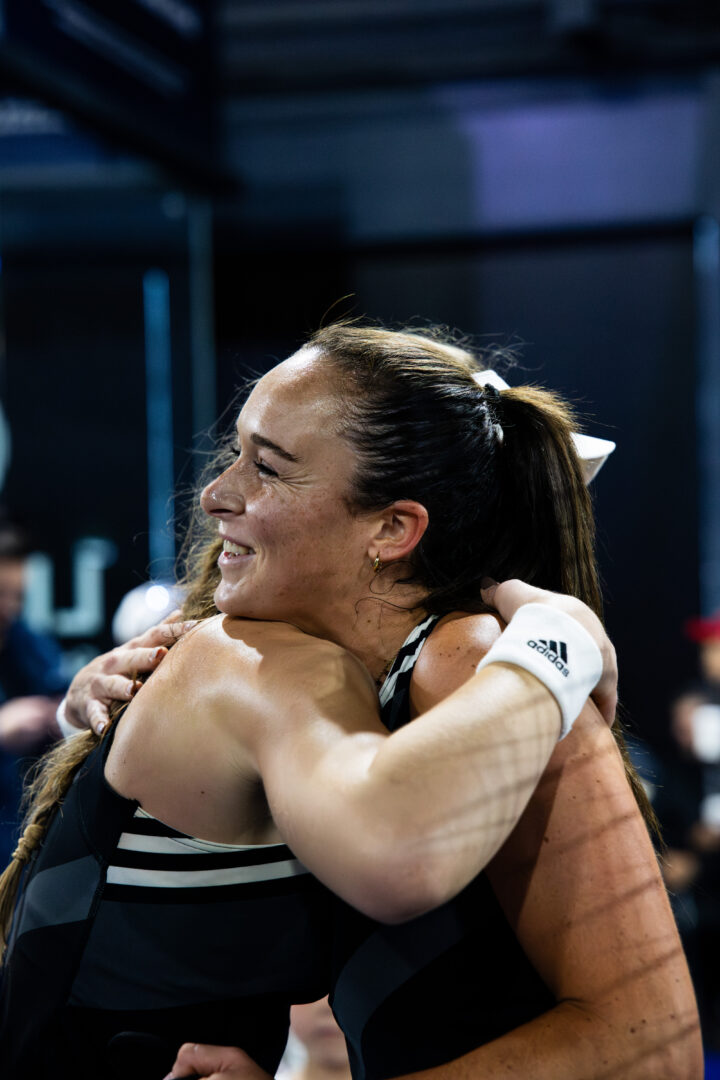
The runner responsible later apologised to Kavanagh, who accepted the apology and embraced him at the finish.
Now her attention turns sharply north.
Kavanagh will represent South Africa in the 5km at the World Championships in Copenhagen on 20 September, with less than three weeks to prepare for another test of her rapidly developing credentials.
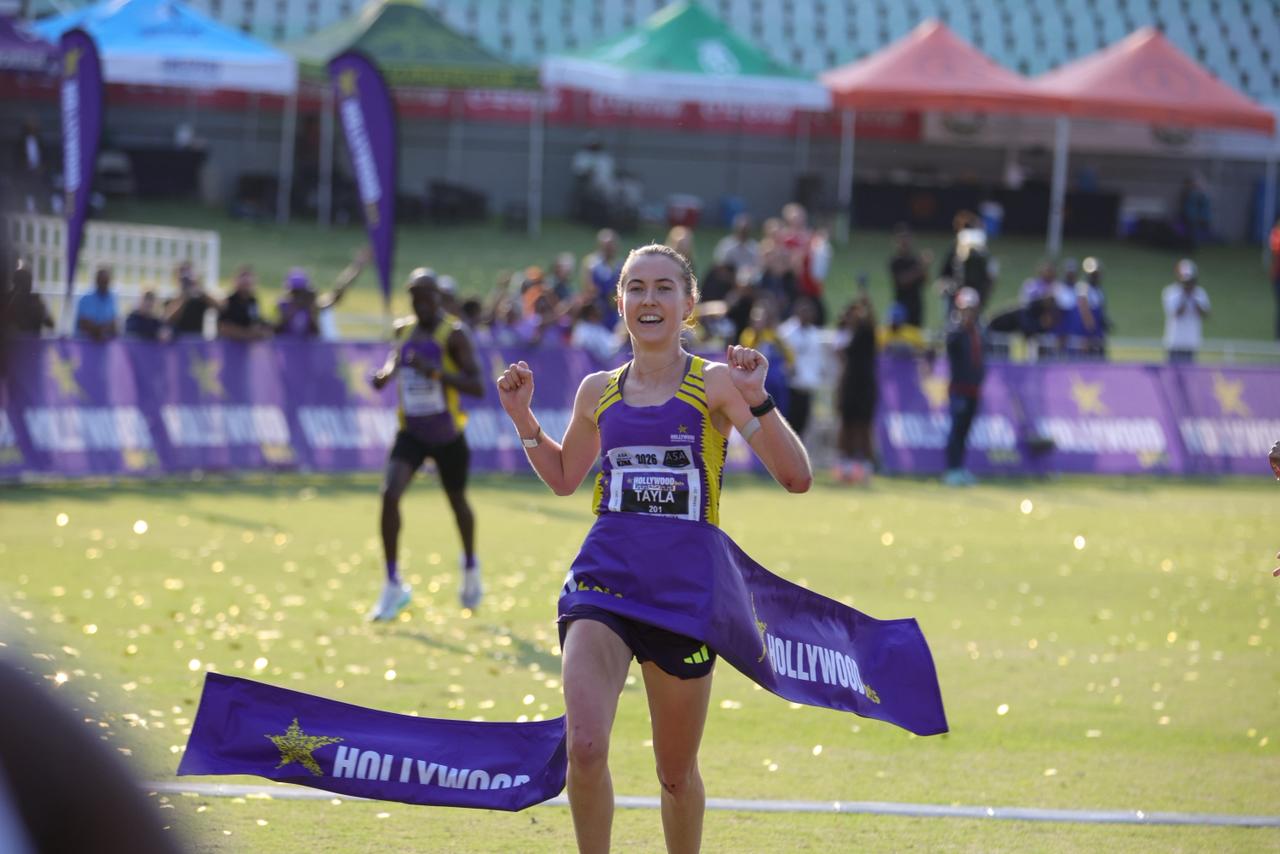
“So, I am heading to the World Championships for the 5km in about two and a half weeks. I’m really excited to tackle the 5km on the road and have a good battle out there,” she said.
“I am eager to see what I can accomplish and what we can achieve together. So, that’s my next goal, and I’ll be focusing on that in the upcoming weeks leading up to it.”
The self-coached Kavanagh is embracing the freedom of plotting her own campaign and believes the approach has contributed to her remarkable consistency.
She is also refusing to become consumed by the national 10km record.
The 31:12 mark remains within sight, with Kavanagh confident the opportunity will arrive when the time is right.
For now, Copenhagen is the next finish line.
“I am really excited for this one; it’s in Copenhagen, so I’m looking forward to how fast we can run over 5km.”
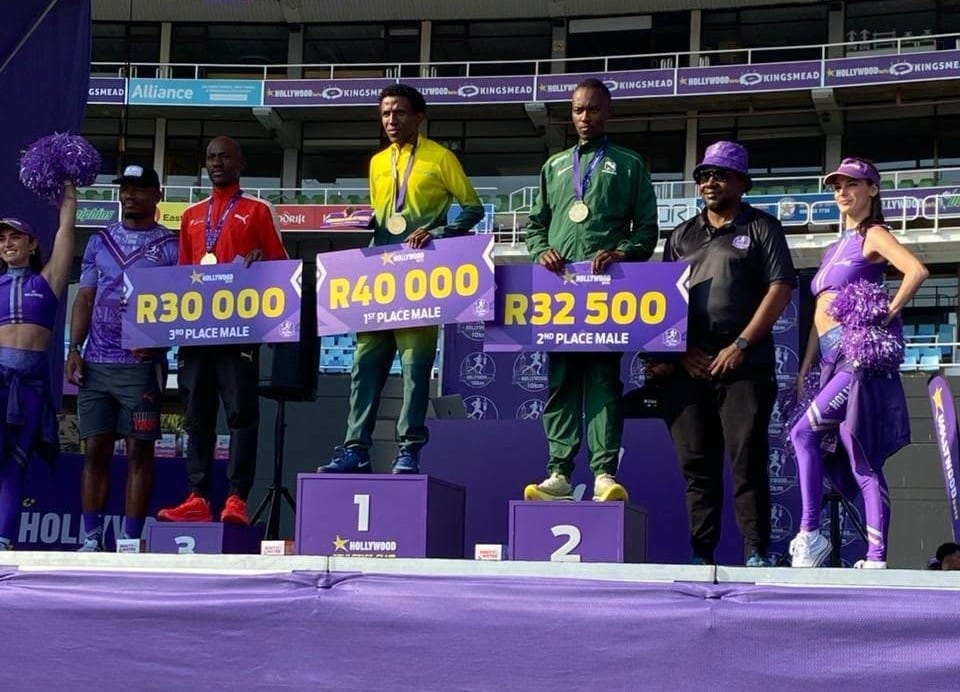
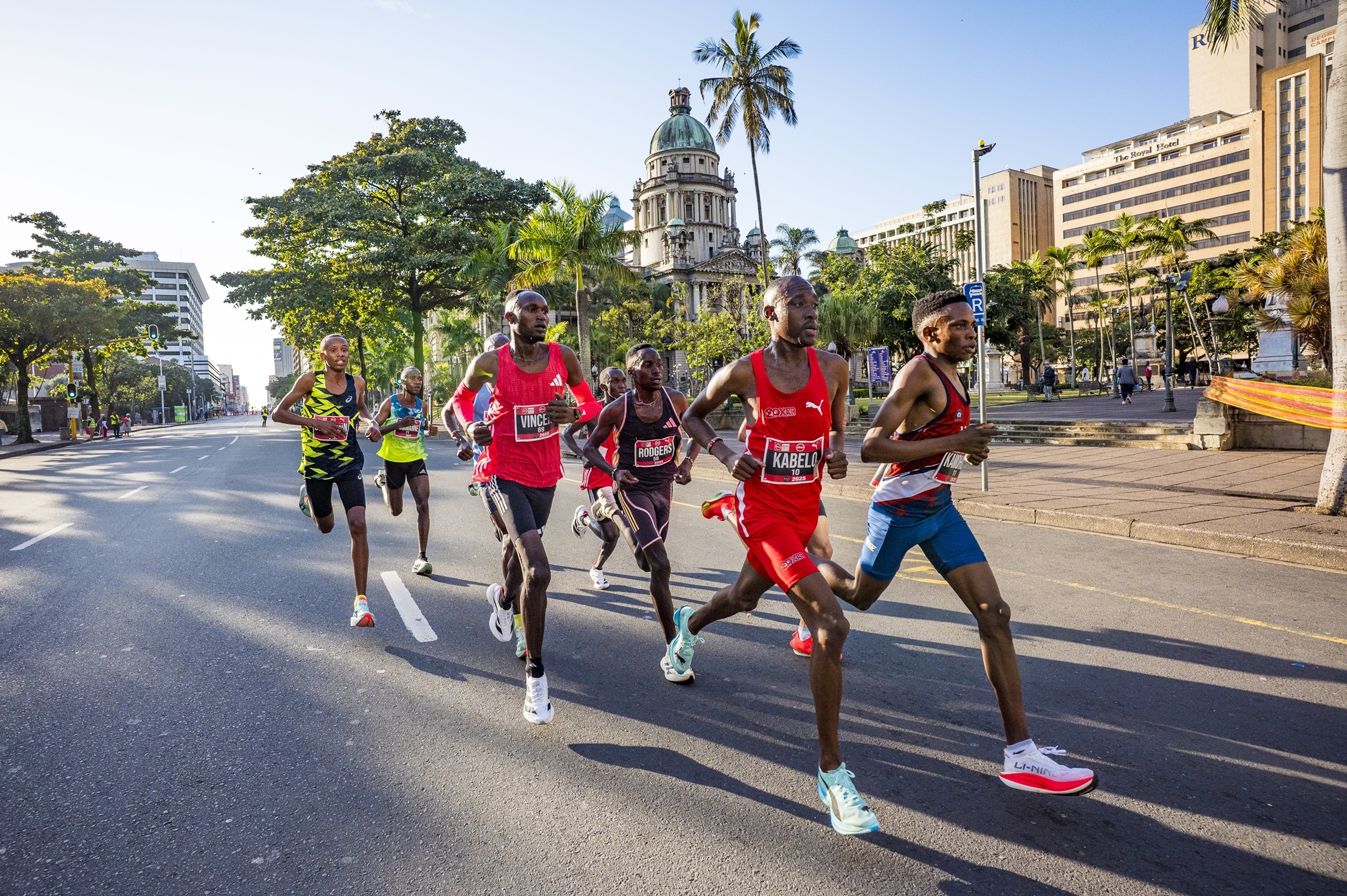
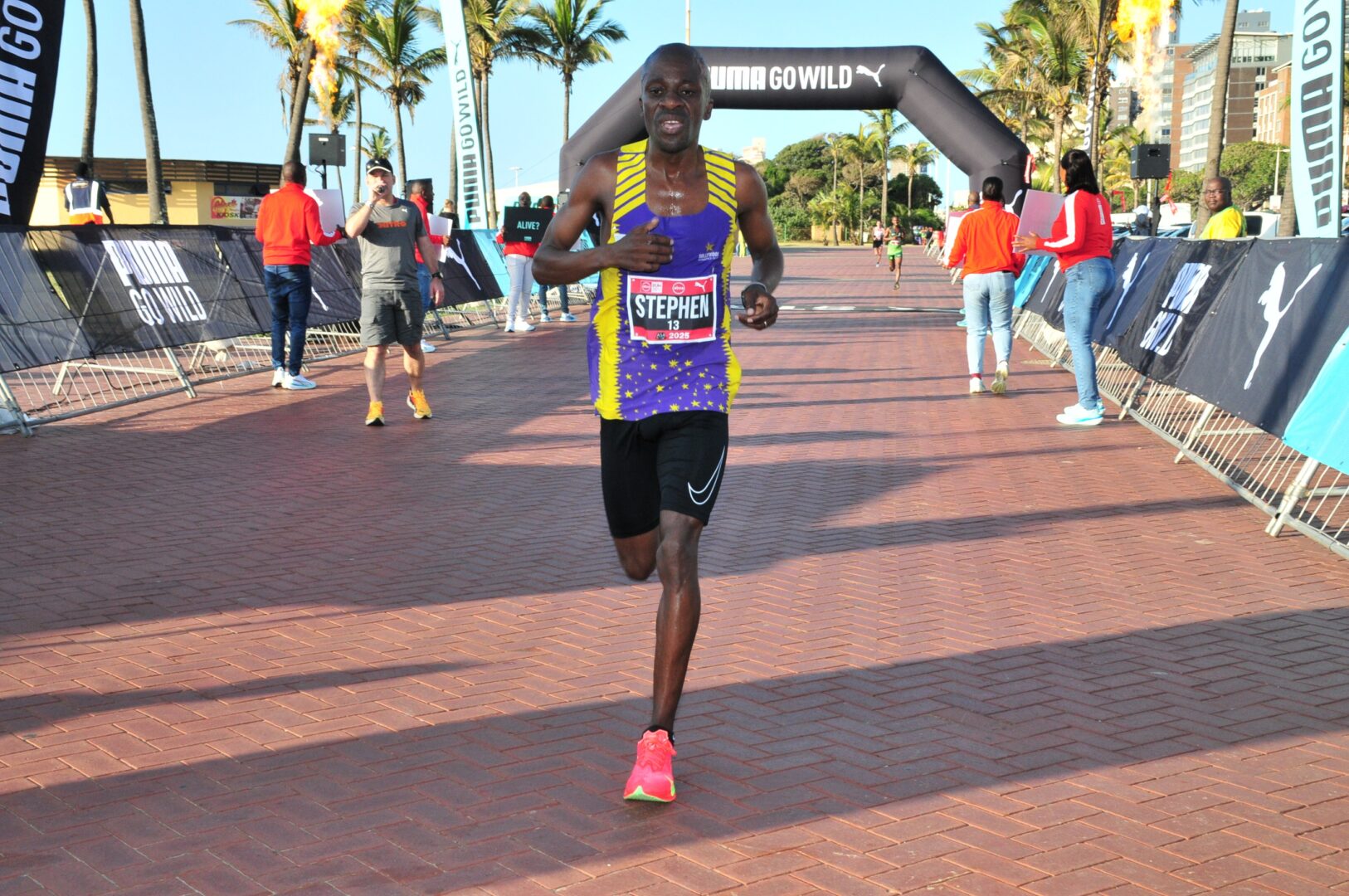
In the men’s race, Phantane Athletics Club’s Tshepo Tshite produced a late surge to win in 28:18, beating Kenya’s Stephen Kangethe by three seconds.
“The race was good even though I think I have bad luck when it comes to 10km,” said Tshite.
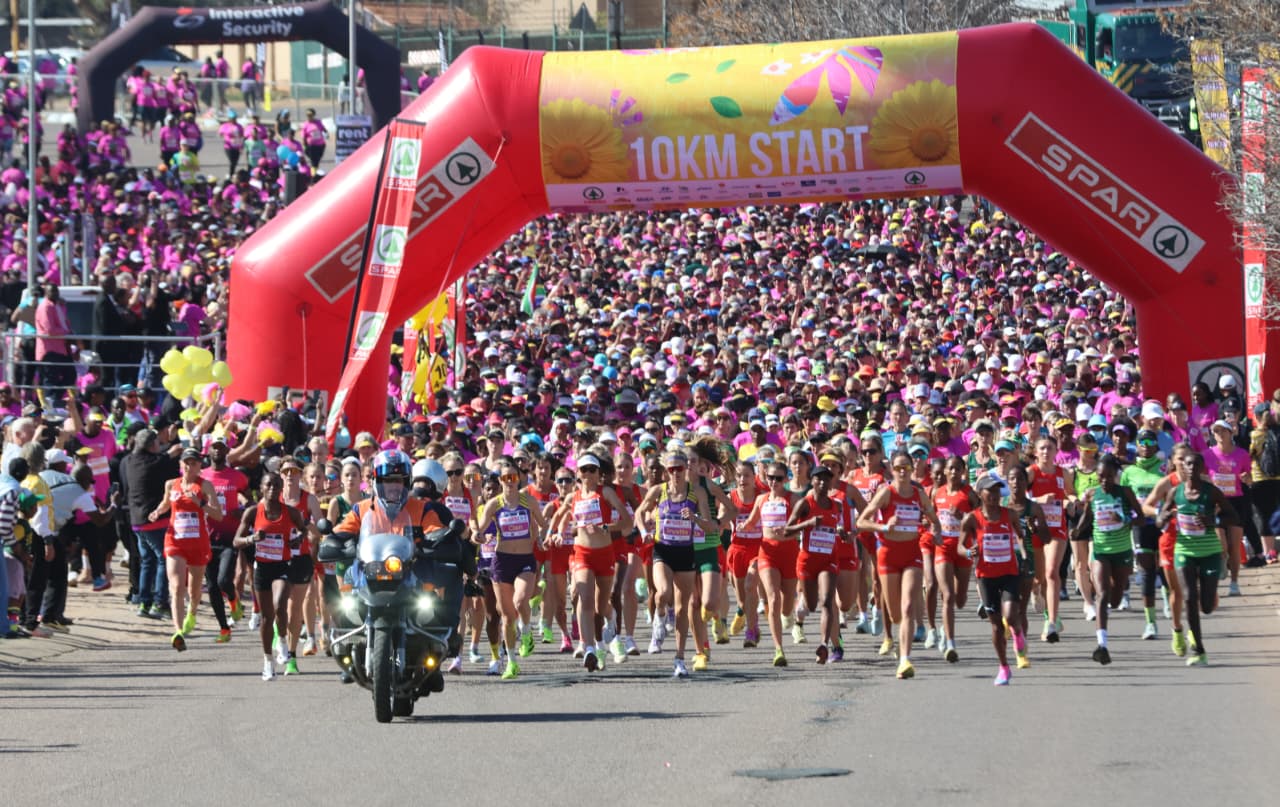
The sixth edition attracted 15 000 runners, underlining Durban’s status as one of South Africa’s premier mass-participation road-running events.
The Hollywoodbets 10km series now moves to Johannesburg, where the next race is scheduled for 18 October.
Kavanagh, meanwhile, has another race on the horizon.
This time, the finish line is in Copenhagen.
CLICK HERE FOR YOUR FULL HOLLYWOODBETS DURBAN 10K RESULTS.