


South Africa’s Adriaan Wildschutt storms to stunning New York Half Marathon victory

By Adnaan Mohamed

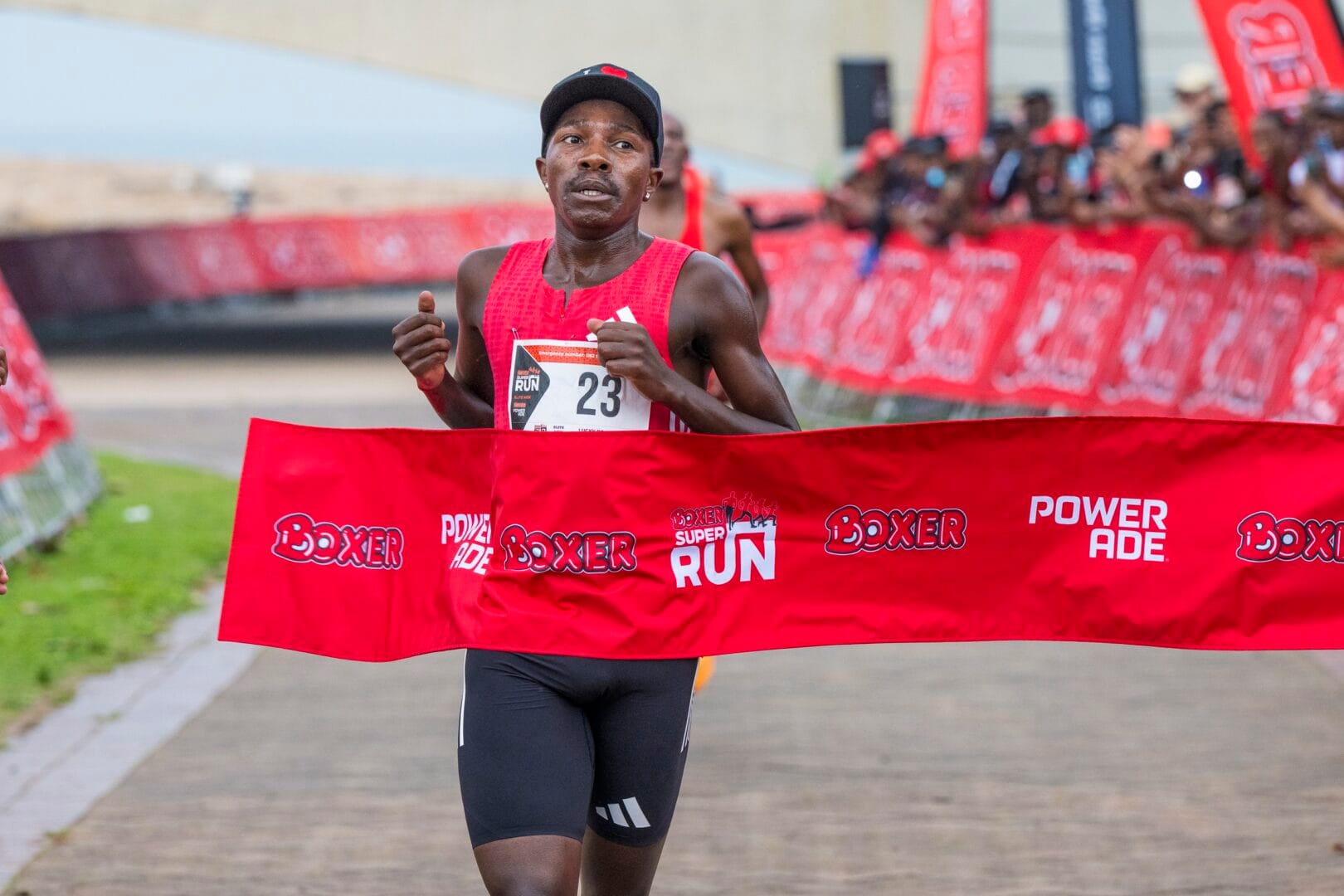
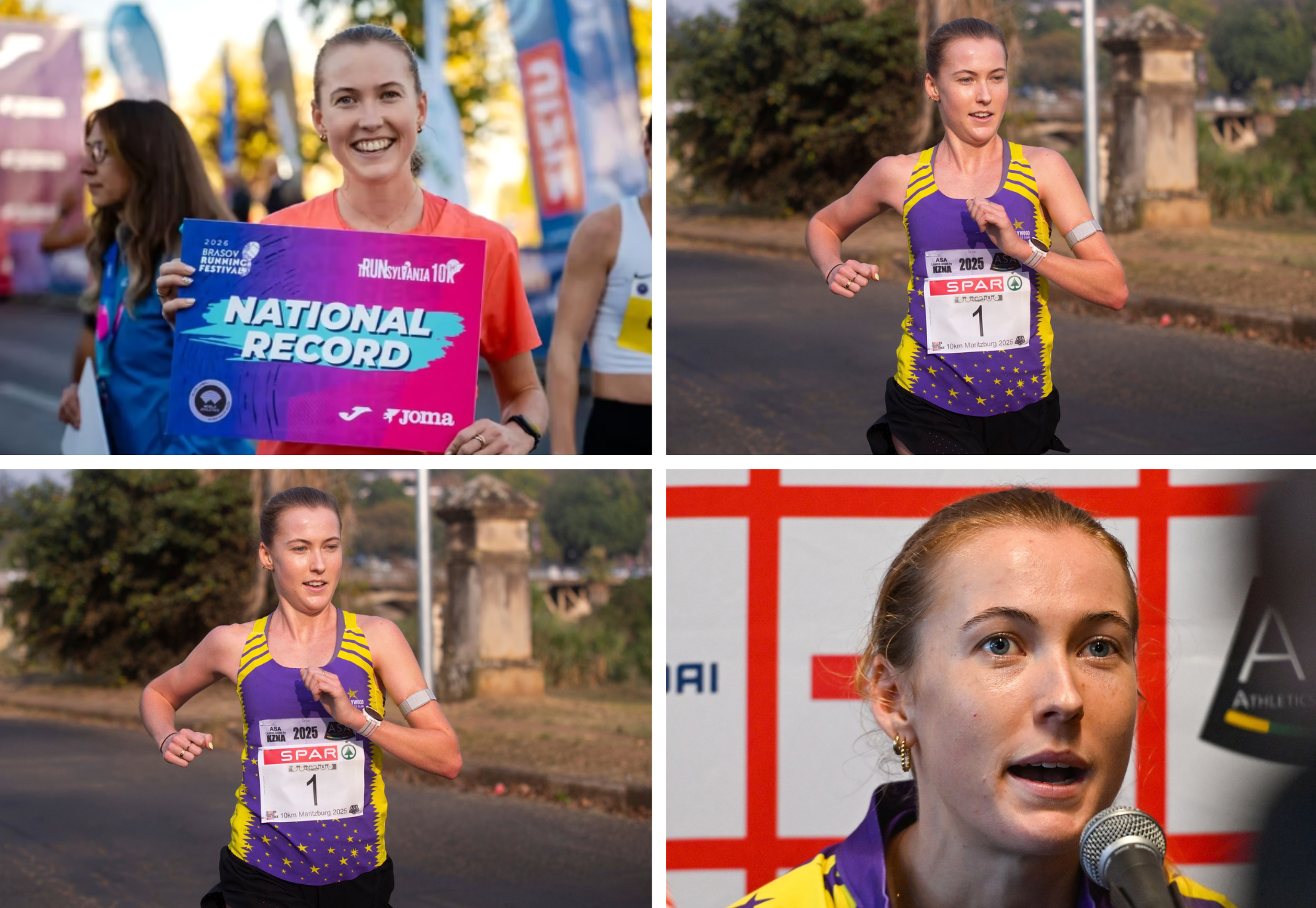
South African distance running ace Adriaan Wildschutt surged to a memorable victory at the New York City Half Marathon in New York City on Sunday.

The 27-year-old from Ceres produced a clinical 59:27 performance, the biggest road running victory of his career. Patience marked his opening miles as he settled into the rhythm of the lead group, moving with the calm of a runner saving his energy for the final push to the finish line.

When the race reached the decisive stages, Wildschutt shifted gears.

Approaching the 10-mile mark, roughly 18km, he launched a surge that sliced the pack apart. The acceleration landed like a hammer blow and the chasing runners struggled to close the gap as he stretched clear through the final kilometres.

Zouhair Talbi (59:41) was the Top-American in second place, with Gulveer Singh  (59:42) of India rounding out the podium in third position.

Hellen Obiri of Kenya claimed the win in the women’s race in 1:06:33, breaking the course record. Sharon Lokedi (1:07:10), the former course record holder, took second in with Megan Keith (1:07:13) third.

After winning the Absa RUN YOUR CITY GGEBERHA 10K in a blistering 27:47 two weeks ago in South Africa, he confirmed that he had his sights set on victory over 21.1km in the Big Apple. And that’s exactly what he managed to do.

“I knew if I wanted to win the race, I’ll have to have the best last five k’s,” Wildschutt said after the race. “Once I hit 10 miles, I wanted to make a big move and see if everybody went. I was able to drop them and keep squeezing. The goal was always to try and win.”

The victory arrived in only his second race over the half-marathon distance, a sign that the South African star continues to expand his range beyond the track where he already holds multiple national records.

Cold conditions threatened to complicate his race plan. Morning temperatures hovered around freezing, a sharp contrast to the scorching training conditions he experienced in South Africa.

“When we woke up it was about 32 or 33 degrees Fahrenheit, around one or two degrees Celsius,” he explained.

“I came from summer, seeing my family and doing a training camp in Potchefstroom where it was over 30 degrees Celsius. I thought the cold might really get to me. Coach made sure I had everything I needed, arm sleeves, gloves and a hat. It turned out really great and I’m grateful the weather didn’t bother me.”

As the finish line approached in New York City, Wildschutt ran with the controlled strength of a marathon engine still humming smoothly.

“I was so happy that I was done,” he said. “This was my second half and my first time in New York. The goal was to run really hard in a good effort. I was so stoked that I felt really strong towards the end.”

Wildschutt’s stride across the finish line marked another powerful chapter for South African distance running, his performance echoing through the streets of the Big Apple like the final kick of a champion hitting full flight.

In-form Kusche returns to Two Oceans Half with confidence

By Adnaan Mohamed

George Kusche’s recent results place him among the runners to watch at the Totalsports Two Oceans Half Marathon on 12 April, though the Nedbank Running Club athlete prefers to keep his attention on the work rather than the predictions.

The 27-year-old heads into the Cape Town race on the back of a strong stretch of form over the past year. He finished fourth at the African Bank Soweto Marathon in November in 2:20:48, claimed victory and set a course record at the hilly Biogen 21km in Johannesburg in January in 1:05:32, and delivered a breakthrough marathon performance with a 2:15:02 win at the Balwin Run Series Peninsula Marathon in February. The result trimmed more than five minutes off his previous personal best.

Kusche believes the improvement has come through steady consistency.

“I’ve been slowly getting better. I haven’t changed anything in my training, I’ve been doing what I’ve been doing and it’s compounding. So I’ve been feeling stronger,” he said.

His running journey began at Die Afrikaanse Hoër Seunskool in Pretoria where he established himself as a leading middle-distance athlete. His performances attracted attention from American college scouts and he moved to the United States to compete for Northern Arizona University in the NCAA system.

Kusche returned to South Africa as a sub four minute miler with a 5000m personal best of 13:28.95. The experience still influences the way he approaches the sport.

“I’m very grateful for my experience in the US. I enjoyed it a lot and had some good experiences with some great coaches and athletes. I’m coaching myself now, so it certainly helps me to look back at the training I did and try and recreate those circumstances.”

After returning home, Kusche stepped away from competition during 2023 before returning to racing in 2024. He shifted his focus to road running and quickly made an impact.

His debut at the Totalsports Two Oceans Half Marathon that year produced an immediate result. Kusche led the race until the halfway point before being passed by eventual winner Thabang Mosiako. He finished second in 1:05:31 after edging Lesotho’s Kamohelo Mofolo in a sprint to the line.

The experience left a strong impression.

“I actually wasn’t a big road running fan because I’d never done it before, though as I’m getting into it I’m starting to enjoy it now,” said Kusche.

“Two Oceans is one of those races that everybody wants to run. It’s a big race and everybody has a family member or a friend competing in either the 21km or the 56km. When I ran it for the first time I was excited because I knew there would be a lot of people competing. It’s always fun when a lot of people compete. Two Oceans is one of the races you have to run.”

Kusche’s primary target this season remains the Comrades Marathon. His approach reflects the same philosophy that has guided his steady rise.

“I want to do my best at Comrades. There’s no point in talking about the outcome. All I need to do is focus on the process. If I start talking about the outcome that’s when things start going wrong. So I keep my back against the wall and keep on working hard.”

Two Oceans Marathon NPC chairperson Chris Goldschmidt said Kusche’s presence strengthens the field for the half marathon.

“George Kusche’s entry adds real depth and excitement to this year’s field. His performances over the past 12 months have been exceptional and we are thrilled to welcome an athlete of his calibre to the start line of the Totalsports Two Oceans Half Marathon.”

Race general manager Wade Bromfield said Kusche has established himself among the country’s leading road runners.

“His recent results including a record breaking victory at the Biogen 21km and a dominant performance at the Balwin Run Series Peninsula Marathon underline his potential. We are excited to have him back at the Totalsports Two Oceans Half Marathon where his passion for the event and competitive spirit will undoubtedly make for an exciting race.”

The Totalsports Two Oceans Marathon takes place in Cape Town from 9 to 12 April and carries a combined prize purse of R2.6 million across the ultra marathon and half marathon events.

Khatala chasing another podium at Two Oceans Ultra

By Adnaan Mohamed

Lesotho distance-running star Neheng Khatala is gathering momentum ahead of the 2026 Two Oceans Ultra Marathon, with the versatile runner targeting a top-two finish when the race unfolds in Cape Town on Saturday, 11 April.

Nicknamed the World’s Most Beautiful Marathon, the 56km test along the Cape Peninsula demands endurance, strength and tactical patience. Khatala arrives with confidence growing stride by stride after a strong start to her season.

The Olympian recently used the Absa RUN YOUR CITY GQEBERHA 10K as a key fitness checkpoint, finishing fourth in 32:43 despite carrying heavy training miles in her legs.

“I really ran well to be honest and I’m grateful about the work I did that day especially because the last 3km were quite windy,” said Khatala. “I’m particularly happy with my performance because I didn’t taper. The week of the race I did a 45km long run so I went into the race with heavy legs.”

The performance highlighted the range that has become Khatala’s trademark. Few athletes move as smoothly between shorter races and the grinding demands of ultra-distance events.

The Hollywood Athletics Club runner recently demonstrated that versatility when she claimed victory at the demanding Pirates 21K Powered by Medshield, finishing ahead of South African ultra star Gerda Steyn on a challenging course.

Khatala attributes her steady progress to the training programme designed by coach Andrew Booyens, which blends hill work, endurance training and speed sessions.

“I think my training is balanced and structured in such a way that it allows me to run hilly routes as well as fast and flat courses all at the same time,” she said. “It’s all about the effort I put in. Whether it’s a tough course or a flat course I always put in effort to ensure that I remain consistent even if I don’t always win.”

Her disciplined approach produced a third-place finish in 3:40:38 at last year’s Two Oceans Ultra Marathon, placing her firmly among the contenders for the 2026 edition.

“My aim is to improve. Last year I finished in third position, so this year I must target a win or second position,” she said. “The point is to improve last year’s performance and if I can achieve that, it would be a huge blessing.”

Race organisers believe the Lesotho athlete could play a significant role when the field tackles the demanding course through Cape Town’s mountain passes and coastal roads.

Neheng Khatala by Action Photo

“Neheng Khatala is a remarkable athlete whose versatility and dedication make her a standout entrant for the Totalsports Two Oceans Ultra Marathon,” said Chris Goldschmidt, chairperson of the Two Oceans Marathon NPC.

“Her performances over the last twelve months, from track races to ultra marathons, demonstrate the discipline and focus required to excel at this level.”

Event general manager Wade Bromfield believes her preparation places her among the pre-race favourites.

“Khatala’s approach to training and racing is what makes her a true contender at the Totalsports Two Oceans Ultra Marathon,” he said. “Her structured preparation, combined with a third-place finish last year, positions her as one of the pre-race favourites.”

With form building kilometre after kilometre, Khatala now sets her sights on Cape Town’s sweeping coastal route, where another podium finish may await if her rhythm holds across the 56km journey.

Why Kipchoge will run his first African marathon in Cape Town

By Adnaan Mohamed

When marathon legend Eliud Kipchoge steps onto the start line of the Sanlam Cape Town Marathon on 24 May 2026, it will mark far more than another race on a decorated résumé. It will be the first time the two-time Olympic champion runs a marathon on African soil.

For the Kenyan icon, the moment carries deep personal and symbolic meaning for the sport that has carried him across the world’s greatest marathon stages.

“Africa is where my journey as a runner began and where the foundation of my success is deeply rooted,” said Kipchoge.

“To start this World Tour in Cape Town is very special. It is about celebrating the strength of African running and inspiring the next generation. To race my first ever marathon on the African continent holds deep meaning for me. I cannot wait.”

Kipchoge confirmed that Cape Town will host his first race of the year and the opening stride of his ambitious project, Eliud’s Running World, which will see him complete seven marathons across all continents.

“As far as the worldwide tour is concerned, on 24 May 2026 my first outing for the year will be in Cape Town,” he said. “It is one of the oldest places in Africa. I decided to start with my own continent. That’s where I’m really starting.”

For decades, African runners have dominated the global marathon scene, filling podiums from Boston to Berlin. Kipchoge believes the time has arrived for Africa itself to stand at the centre of the global running map.

“This means a lot for me,” he said. “This is my first marathon to run in Africa and I’m really happy to run in Cape Town. I want to bring excitement and bring people to Africa.”

The Kenyan star hopes the race will act like a starting pistol for a broader movement across the continent.

“Our idea is to create movement in this world, create movement in Africa and create movement across all the continents,” he said. “My people in Africa have been watching me on television, listening on radio and seeing me on social media. Now it is time to come and run with them, chat with them and be with them.”

Unlike many of his previous races, which focused on chasing records and titles, Kipchoge says his Cape Town run will carry a deeper purpose.

“In many races I competed for world records, victories and course records,” he explained. “This time I run for purpose. I run to inspire people, motivate people and make people move.”

That purpose includes raising funds for the Eliud Kipchoge Foundation, which supports environmental conservation and education initiatives.

“In Africa we are still vulnerable as far as education is concerned,” he said. “Our planet is our home and we need to make it clean.”

The Cape Town event itself is gathering momentum on the international stage. More than 27,000 runners are expected to take part in 2026 as organisers pursue recognition in the Abbott World Marathon Majors, a step that would give Africa its first Major marathon.

Race CEO Clark Gardner believes Kipchoge’s presence will echo far beyond the finish line.

“Eliud represents the very best of what running can inspire,” Gardner said. “To see him race our streets and engage with young runners across the city will be incredibly powerful.”

For the sport, the image of the world’s greatest marathon runner gliding through the streets beneath Table Mountain could feel like a starting gun for a new era. African athletes have long powered the global marathon engine. Kipchoge’s historic run places the continent firmly on the road map of the sport’s future.

adidas launches Supernova Rise 3 in new Glow Blue colourway

By Adnaan Mohamed

Runners chasing smooth kilometres have a fresh companion on the road as adidas unveils the Supernova Rise 3 in a striking Glow Blue colourway.

The latest update expands the brand’s comfort-focused Supernova franchise, a range designed for everyday runners who log steady miles through training blocks, recovery jogs and early morning pavement sessions.

First launched in December 2025, the Supernova Rise 3 builds on the blueprint of its award-winning predecessor with a series of design refinements aimed at delivering a softer and more natural stride.

The shoe has also received the Seal of Acceptance from the American Podiatric Medical Association, recognition that highlights its support for healthy foot function during regular running.

At the heart of the update sits a reworked full-length Dreamstrike+ midsole, the cushioning engine designed to absorb impact like a sponge soaking up rain on a winter training run. The updated foam formula brings a lighter and softer ride, with adidas reporting five percent less weight, 20 percent softer cushioning and 16 percent more foam underfoot.

That combination aims to help runners maintain rhythm across long training runs where tired legs often search for smooth momentum.

Above the midsole sits a newly engineered Primeweave upper, a woven structure designed to wrap around the foot with a secure yet flexible fit. The material adapts to movement in a way that mirrors the natural flex of a runner’s stride, offering support without restricting motion.

Beneath the shoe, the Lightraxion outsole introduces rod-like sculpting inspired by the anatomy of the foot. The pattern works to guide transitions from heel strike to toe-off, creating a rolling sensation similar to a runner flowing down a gentle downhill stretch.

The Supernova Rise 3 also includes several elements developed specifically around women’s biomechanics.

These features include a shoe last shaped to match the average structure of women’s feet, along with a central landing platform designed to promote stability during impact. Designers also incorporated an improved heel bevel built around insights into women’s landing angles.

Additional support arrives through a sock liner that places thicker foam beneath the arch, offering targeted cushioning during long runs.

Together these refinements shape a shoe that aims to keep runners moving smoothly through daily training mileage, where comfort often determines whether the final kilometres feel like a grind or a glide.

The Supernova Rise 3 in Glow Blue retails for R2 999 and is available in stores and online through adidas retail channels.

Wildschutt defends Gqeberha 10K crown despite challenges

By Adnaan Mohamed

In road running, even the best-laid pacing plans can unravel like a frayed shoelace. On Sunday morning in Nelson Mandela Bay, that is exactly what happened to Adriaan Wildschutt at the Absa RUN YOUR CITY GQEBERHA 10K.

What was meant to be a historic charge at the sub-27-minute barrier on African soil turned into a tactical chess match when pacemakers Ryan Mphahlele and Luan Munnik withdrew hours before the start due to illness and injury. With the wind sweeping across the coastal route, the clock became a stubborn rival.

Wildschutt adjusted.

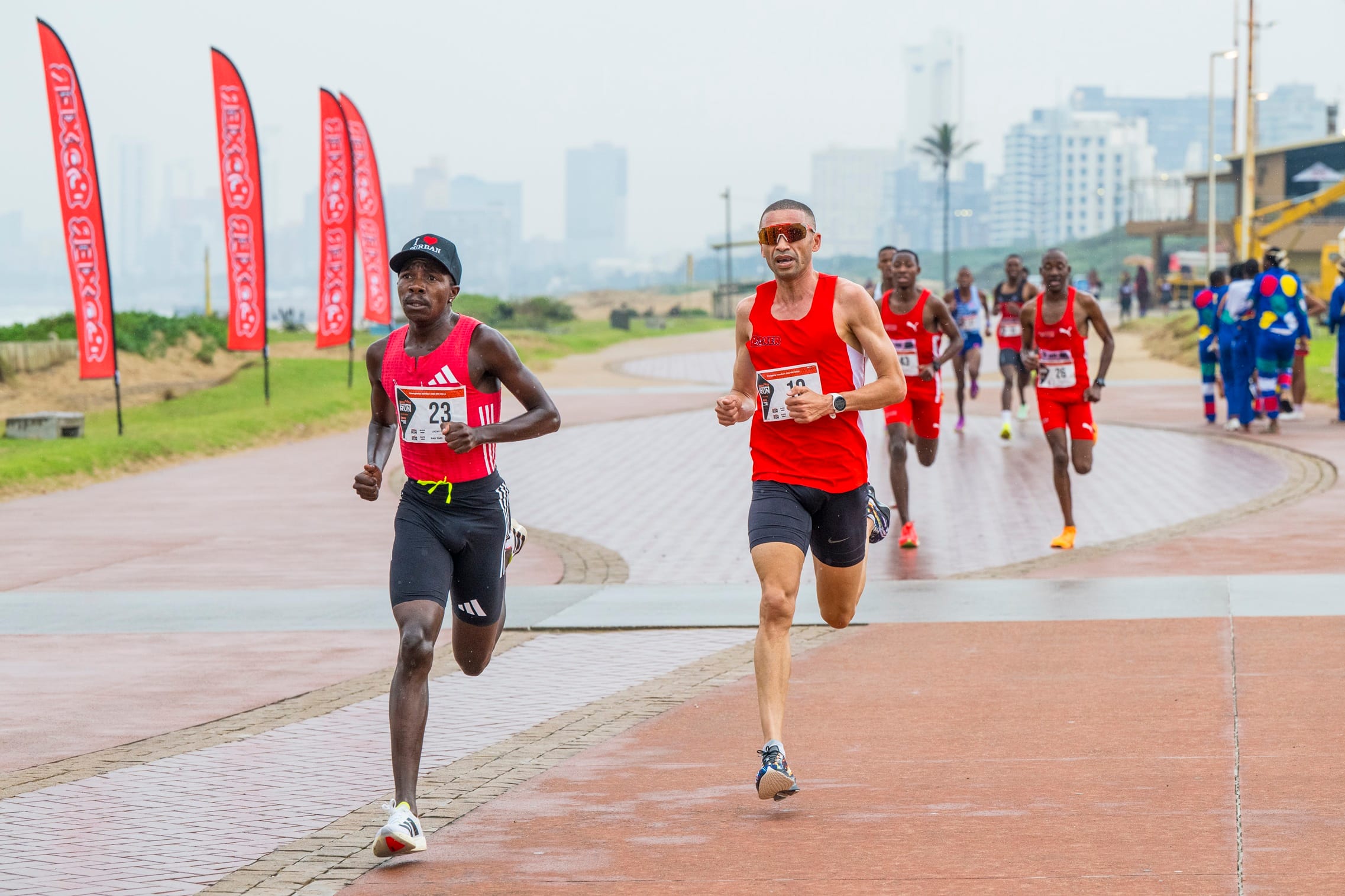
The 27-year-old, born in Ceres and based in the United States, shifted from record hunter to race tactician. With no pace setters and the breeze tugging at every stride, he made his move just before halfway, surging clear of Kenya’s Isaac Kibet Ndiema, the fastest man in the field on paper with a 26:55 personal best.

Wildschutt powered home in 27:47 to defend the title he claimed last year. Ndiema followed in 28:01, with debutant Tshepo Tshite third in 28:09.

Elite Men Isaac Ndiema (KEN), Adriaan Wildschutt (RSA) and Tshepo Tshite (RSA). PHOTO CREDIT: Action Photo

Afterwards, Wildschutt was candid about the curveball that reshaped his race.

“The organization is great, and it has nothing to do with them when pacemakers cancel. It’s not in their control. These were just the circumstances. I was like, there’s no way I’ll run sub-27 alone on a windy day as well. But I gave up a lot of time to be here, so I didn’t want to be a quitter,” he said.

His ambition remains firmly set on cracking 26 minutes on African soil.

“If I have the right training partners, pacemakers and good conditions then it is possible. Absolutely possible! There are few things that I want to experiment with. Hopefully, I’m going to get another opportunity.”

Series founder and Stillwater Sports managing director Michael Meyer praised the adaptability that defines elite runners.

“Initially Adriaan’s goal was to break 27 minutes. Unfortunately, both of the pacers we had secured withdrew at the last minute, one due to illness and the other due to injury. That naturally shifted the race dynamic and Adriaan had to adjust his strategy from chasing the clock to racing for the win.

“That’s the mark of a true professional – he assessed the situation, adapted, and still delivered fantastic racing for everyone out on the course. It’s always an honour to have an athlete of his calibre lining up in the Absa RUN YOUR CITY Series. He brings intent, professionalism and excitement to every race,” said Meyer.

“Brenda also produced an exceptional performance.”

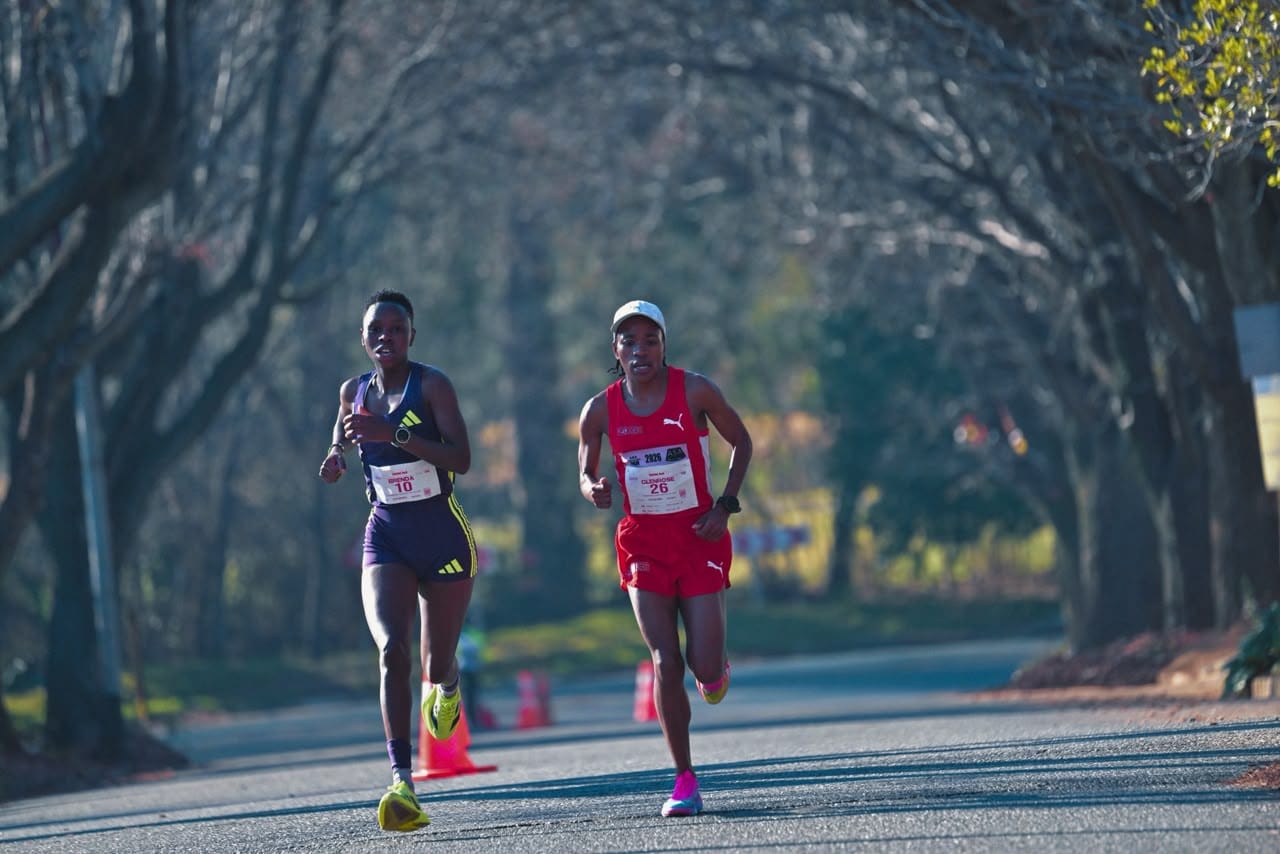
That performance belonged to Kenya’s Brenda Jepchirchir, who came within touching distance of history in the women’s race.

On debut in “The Friendly City”, Jepchirchir blazed through halfway in 14:49, shadowed by training partner Faith Cherono and paced by local favourite Melikhaya Frans. The wind stiffened over the final five kilometres, yet she drove on to claim victory in 30:15, one second outside the South African All-Comers record set by Christine Njoki last August.

Kenyans Faith Cherono Melikhaya Frans and Brenda Jepchirchir by Anthony Grote

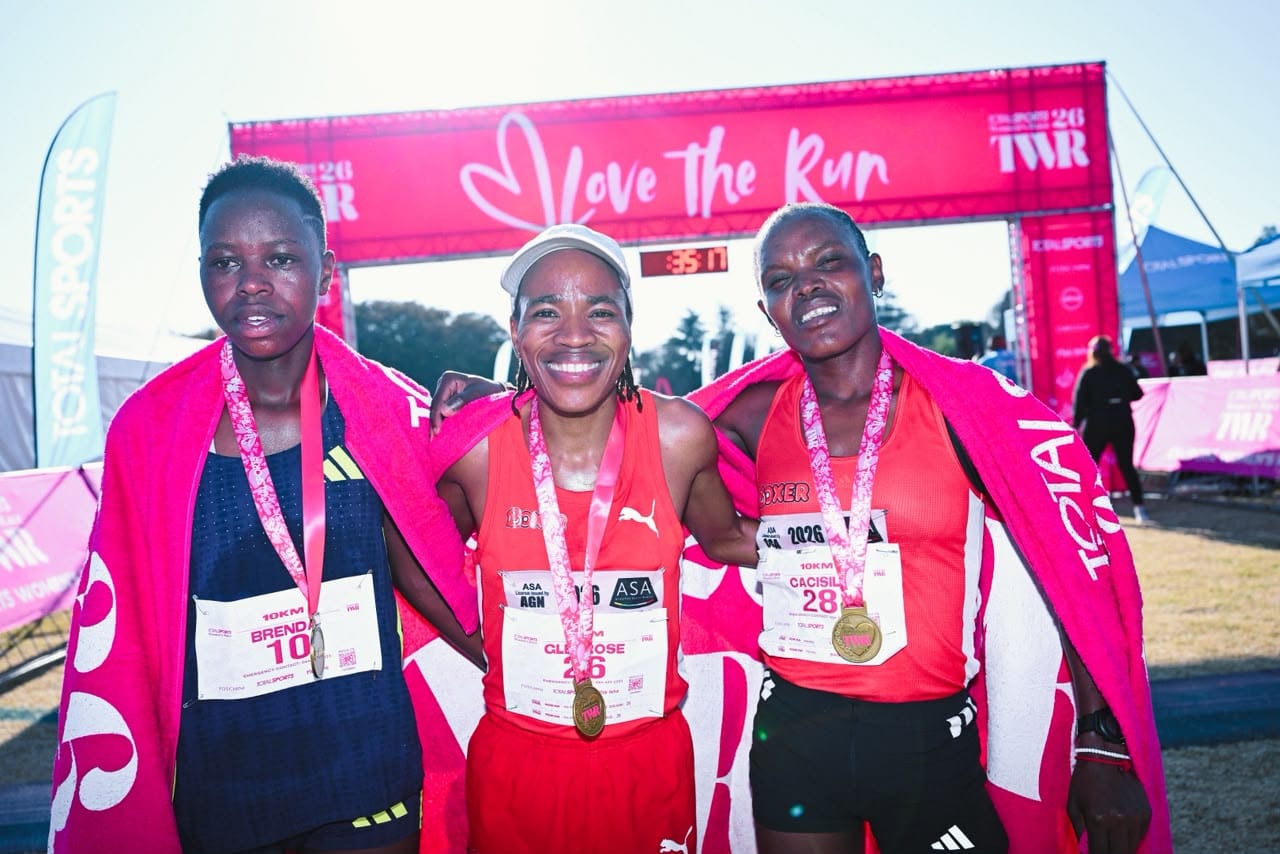
Cherono clocked 30:44 for second, while South Africa’s Glenrose Xaba secured third in 32:13, her fourth podium in her past five series appearances.

“I was looking to run sub 30 minutes but because of the wind in the last 5km it was tough for me,” Jepchirchir said. “But I’m still feeling good and I want to come back to run the Absa RUN YOUR CITY Series again in Cape Town in May.”

Meyer underlined the significance of her run.

“Jepchirchir came incredibly close to becoming the first woman to run under 30 minutes on African soil, which speaks volumes about the level of competition we witnessed today. We’d like to extend our sincere thanks to both athletes, all of our elite competitors, every entrant who took part, and our valued sponsors and partners. Their collective contribution is what makes days like this so special and adds to the excitement and success of the event.”

In the end, Gqeberha delivered no record-breaking stopwatch fireworks. It delivered something else: resilience, recalibration and racing of the highest order.

Elite Women Faith Cherono (KEN), Brenda Jepchirchir (KEN) and Glenrose Xaba.  PHOTO CREDIT: Action Photo

RESULTS: 2026 Absa RUN YOUR CITY GQEBERHA 10K

Date: Sunday 01 March 2026

Start & Finish Venue: Beach Road, Humewood, Gqeberha

Start Time: 07:00

ELITE MEN

1 Adriaan Wildschutt (RSA) 27:47, 2 Isaac Ndiema (KEN) 28:01, 3 Tshepo Tshite (RSA) 28:09, 4 Kamohelo Mofolo (LES) 28:25, 5 Zenzile Pheko (RSA) 28:44, 6 Ambrosi Amma (TANZANIA) 28:47, 7 Leonard Pkorir (KEN) 28:52, 8 Stephen Mokoka (RSA) 28:55, 9 Musawenkosi Mnisi (RSA) 29:06, 10 Cwenga Nose (RSA) 29:07

ELITE WOMEN 

1 Brenda Jepchirchir (KEN) 30:15, 2 Faith Cherono (KEN) 30:44, 3 Glenrose Xaba (RSA) 32:13, 4 Neheng Khatala (LES) 32:43, 5 Meselech Gedefaw (ETH) 33:07, 6 Karabo Mailula (RSA) 33:20, 7 Nthabiseng Letokoto (LES) 33:26, 8 Cacisile Sosibo (RSA) 33:28, 9 Irvette Van Zyl (RSA) 33:57, 10 Agnes Mwaghui (TAN) 34:05

Clearer Vision, Sharper Reactions: The Athletic Advantage

In elite sport, marginal gains often separate podium finishes from pack chasers. Training plans are fine-tuned, nutrition is measured to the gram and equipment is upgraded season after season. Vision, one of the most important performance tools, is frequently overlooked.

Prescription sports eyewear is changing that conversation.

Designed specifically for high-intensity movement, these glasses combine vision correction with impact protection and glare reduction. Whether on the bike, the track, the court or the fairway, athletes are discovering that clearer sightlines translate into sharper decisions and improved outcomes.

Adele Camarena, Associate at Spectacle World, says vision plays a far bigger role than many realise. “Up to 80% of sensory input in sport is visual. Clear, corrected vision affects reaction time, coordination, balance, and decision-making. For athletes, milliseconds matter, and vision can be the difference between victory and second place.”

Built for Performance

Unlike everyday eyewear, prescription sports glasses are engineered for movement. Wrap-around frames enhance peripheral awareness, helping athletes track opponents, judge speed and anticipate space. Secure-fit designs with non-slip grips and ventilation systems ensure stability during rapid acceleration and sudden changes of direction.

Brevan Robinson, Director at Mullers Optometrists, highlights the functional advantage. “Prescription sports glasses let you clearly see the road ahead, spot hazards, and navigate safely. Multifocal options provide clear vision up close, whether checking your watch, reviewing performance data, fixing a puncture, or marking your golf card. One pair of spectacles delivers sharp vision at every distance.”

Leading brands such as Maui Jim, Oakley and Rudy Project have developed high-performance lenses and durable materials capable of withstanding demanding sporting environments. Robinson explains, “Brands like Maui Jim, Oakley, and Rudy Project use high-performance lenses and materials stronger than standard eyewear. They provide both vision correction and protection in one.”

Advanced Lens Technology

Modern prescription sports sunglasses offer more than clarity. UV protection safeguards long-term eye health and reduces the risk of conditions linked to prolonged sun exposure. Polarised lenses reduce glare reflected off water, tar and artificial turf, while photochromic lenses adapt automatically to changing light conditions.

“UV lenses protect long-term eye health and help reduce risks of cataracts and macular degeneration. Polarised lenses cut glare, and photochromic lenses adjust automatically to changing light conditions,” Camarena explains.

Athletes can also customise lenses with sport-specific tints, advanced coatings and tailored prescriptions, including progressive options, inserts and direct glazing. According to Camarena, “Enhanced peripheral vision improves reaction time, opponent detection, ball tracking, and spatial awareness.”

Supporting Young Athletes

Prescription sports eyewear is equally valuable for junior athletes. Lightweight, flexible frames provide durability and comfort, supporting coordination and confidence while protecting developing eyes.

Robinson emphasises the importance of early protection. “UV protection is as important for youngsters as it is for adults.”

Investing in Vision

Clear vision supports endurance and concentration. When athletes see clearly, cognitive processing becomes more efficient, reducing fatigue and sustaining focus during long training sessions and high-pressure competition.

Camarena sums up the broader benefit. “True luxury lies in the removal of limitation. Prescription sports sunglasses are where medical science, performance technology, and design excellence converge, empowering athletes to perform at their full potential. When you see at your best, you compete at your best, and sometimes that margin is what earns the trophy.

“Athletes invest heavily in training, nutrition, and equipment; vision deserves the same priority. Prescription sports eyewear performance technology that shapes outcomes, enhances safety, and supports success. With brands such as Maui Jim, Oakley, and Rudy Project combining technical innovation with distinctive style, champions never have to leave their vision to chance.”

Robinson agrees that vision should rank alongside any other piece of performance equipment. “Athletes often invest in the latest gear, coaching, and training routines, yet overlook their vision. Prescription sports eyewear is as critical as any other piece of equipment. It protects your eyes, improves performance, and ensures you can focus on winning every time.”

For athletes seeking a measurable edge, clearer vision may be one of the most effective upgrades available.

For more information visit www.mullers.co.za and https://spectacleworld.co.za/

Xaba targets SA 10km record in stacked Gqeberha showdown

By Adnaan Mohamed

South African 10km record holder Glenrose Xaba will launch her 2026 campaign with history in her sights when she lines up at the Absa RUN YOUR CITY GQEBERHA 10K on Sunday, 1 March.

Xaba returns to Nelson Mandela Bay off the back of a demanding but productive 2025 season in the Absa RUN YOUR CITY Series, where she claimed three podium finishes, including two victories. Her year also included the second marathon of her career and national duty at the World Athletics Cross Country Championships in the United States.

After a brief recovery phase, she says preparations have progressed smoothly.

“The body is feeling good,” Xaba said. “After World Cross Country, the focus was on recovery, easy mileage and strength work before building intensity again. Training has been consistent, and I feel stronger each week.”

The 2026 Gqeberha race is being billed as the fastest women’s 10km field assembled on African soil. Kenya’s sub-30-minute performer Brenda Jepchirchir and compatriot Faith Cherono headline a formidable East African contingent.

For Xaba, the quality of the field presents opportunity rather than intimidation.

“Being part of such a strong field is exciting and motivating,” she said. “When you line up against fast Kenyan athletes and other top runners, it pushes you to perform at your best.”

Xaba holds the South African women’s 10km record of 31:12 and finished third in Gqeberha last year in 31:50. With an anticipated aggressive early pace, she could become the first South African woman to dip under the 31-minute mark.

“I have great memories from racing in Gqeberha last year and finishing on the podium,” she added. “This time, I want to improve on that performance. My target is to run a personal best and compete for the top positions again.”

Glenrose Xaba 2025 Absa RUN YOUR CITY GQEBERHA 10K by Anthony Grote

Series founder and Stillwater Sports Managing Director Michael Meyer welcomed Xaba’s return, highlighting the significance of staging a world-class women’s field on home soil.

“We are incredibly proud to see Glenrose line up against world-class competitors,” Meyer said. “Hosting what is arguably the fastest women’s 10km field on the continent is a milestone for the event.”

The Gqeberha race opens a five-leg national series that will travel to Cape Town (10 May), Durban (12 July), Tshwane (23 August) and Joburg (24 September).

With a combined prize purse of R1 686 000 and additional incentives for South African athletes, the stakes are high. But for Xaba, the primary target remains the clock.

If the pace unfolds as predicted along the coastal route, South African road running could witness a landmark performance to kick-start 2026.

2026 Absa RUN YOUR CITY Series Dates

  1. 1 March 2026 – Gqeberha 10K
  2. 10 May 2026 – Cape Town 10K
  3. 12 July 2026 – Durban 10K
  4. 23 August 2026 – Tshwane 10K
  5. 24 September 2026 – Joburg 10K

For more info visit: https://runyourcityseries.com/

Why these legends still line-up at Two Oceans 2026

By Adnaan Mohamed

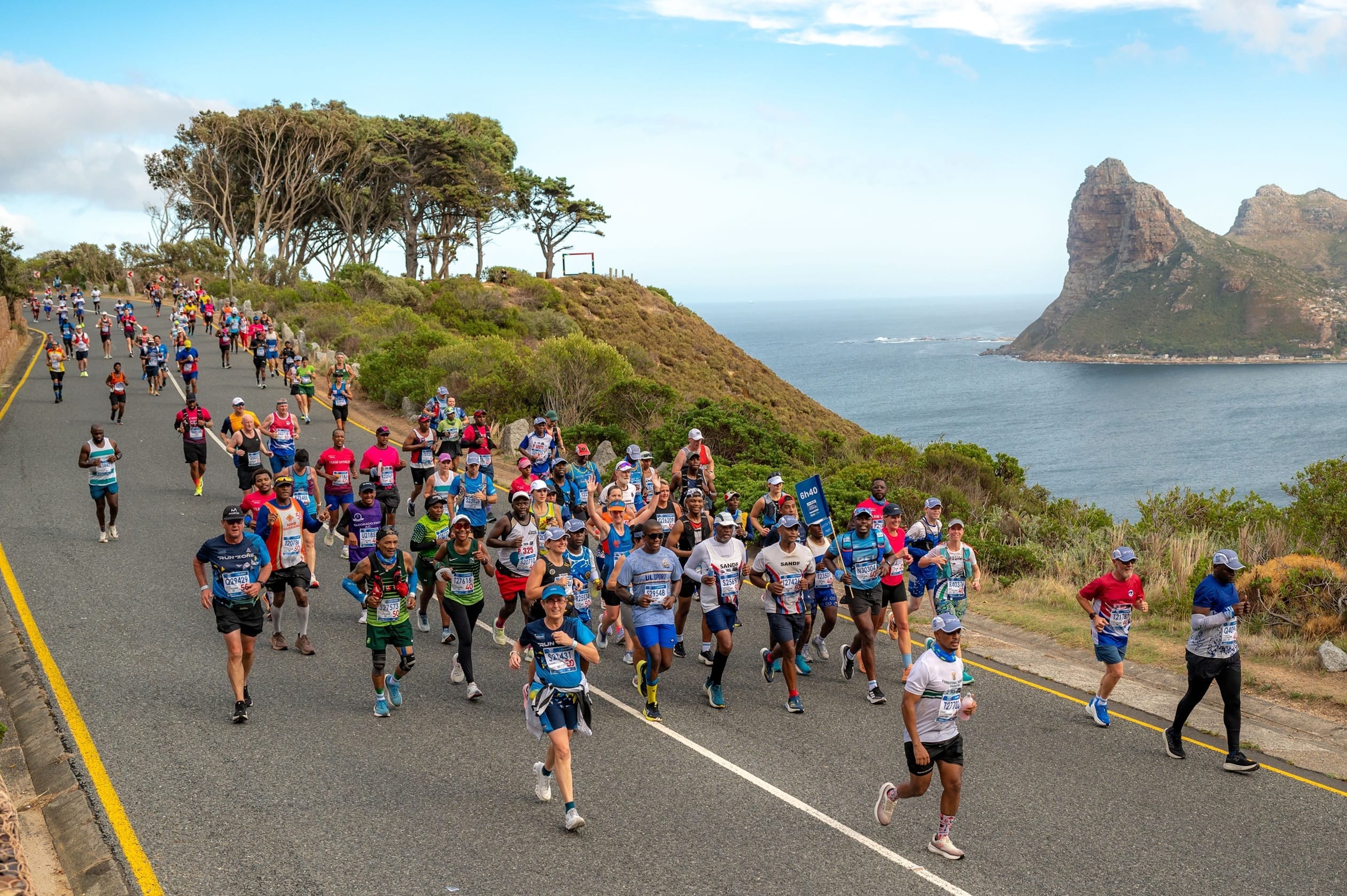
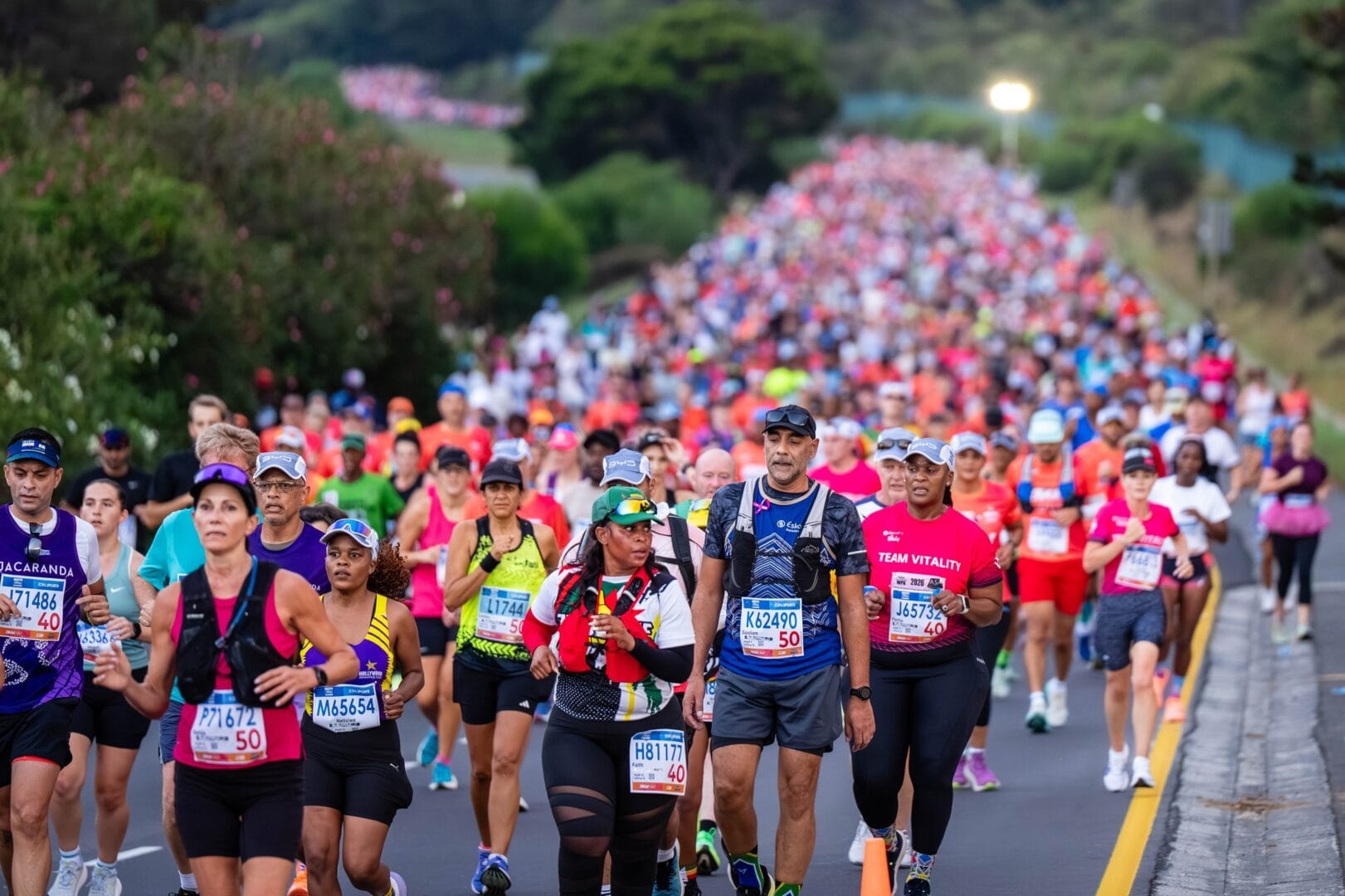
When the fish horn sounds over Newlands on 11 April 2026, thousands will surge forward at the Totalsports Two Oceans Marathon, chasing a medal, a personal best, a promise made to themselves in the dark of an April morning.

But for three Blue Number Club runners in that sea of bodies, this isn’t about one more finish.

It’s about a lifetime of them.

The Man Who Made the Ultra a Ritual

At 75, Louis Massyn doesn’t talk about legacy much. He talks about rhythm. About showing up. About forward motion.

In 2026, he will aim for his 48th Two Oceans Ultra finish. That’s more than any runner in the race’s history. That number doesn’t shout. It hums. It carries the quiet authority of someone who has outlasted trends, injuries, weather systems and entire generations of runners.

Massyn’s résumé includes 50 finishes at the Comrades Marathon, but at Two Oceans, he feels at home. The route that sweeping arc past Muizenberg, over Chapman’s Peak, up Constantia Nekthat has become more like a companion.

“Every year the body asks tougher questions,” he says. “But the heart always knows the answer.”

If you’ve ever stood on a start line wondering whether you still belong, you understand that sentence. The longer you run, the less it’s about proving yourself, and the more it’s about honouring the relationship you’ve built with the road.

Massyn doesn’t defy age. He negotiates with it. He trains smart, listens hard, and respects recovery. Longevity, he proves, isn’t luck. It’s discipline stacked over decades.

The Women who redefined the distance

If Massyn’s 47 is a monument, the shared 32 of Sharon Bosch and Lucille Damon is a revolution written in miles.

Both will line up in 2026 chasing their 33rd Two Oceans Ultra finish. It’s the most by any women in the event’s history.

They came through eras when women’s ultra fields were thinner, support structures smaller, and recognition slower to arrive. They stayed anyway.

Lucille Damon (right) by Action Photo

Damon, 66, who will be running in the colours of Totalsports VOB Running Club in 2026, describes the race as “a moving meditation.”

Some years the legs turn over effortlessly, like you’ve found the perfect cadence. Other years it’s attritional – a long negotiation with fatigue. But she keeps returning because the Ultra offers something rare: clarity.

“Some years you fly, some years you grind, but every finish line feels like a victory earned honestly.”

There’s no pretending over 56 kilometres. No shortcuts. The race pares you back to essentials, breath, stride, resolve.

Bosch, 63, sees it similarly. Two Oceans, she says, is a privilege. Not because it’s easy, but because it’s hard. Because every year you must earn your place on that start line again.

 “TTOM strips you down to who you really are,” said Bosch. “It’s never been about numbers, but standing on the start line still feels like a privilege.”

In a sport increasingly obsessed with splits, carbon plates and data dashboards, Bosch and Damon represent something more elemental: durability. Not the flash of one extraordinary run, but the steadiness of three decades of them.

Sharon Bosch by Action Photo

Why Longevity Matters

In ultra distance running terms these three are case studies in sustainable excellence.

They remind us that endurance isn’t built in a single training block. It’s layered. It’s patient. It’s forged in unremarkable Tuesday runs and winter mornings when no one is watching.

Sports science will tell you that aerobic capacity peaks and declines. That recovery slows. That muscle mass shifts. And yet, here they are.

Still training.
Still adapting.
Still competing.

What sets them apart isn’t superhuman physiology. It’s commitment to the process: consistency over intensity, community over ego, gratitude over entitlement.

Race organisers have introduced enhanced runner perks for 2026, exclusive event shirts, limited-edition socks, expanded Blue Number Club rewards, and comprehensive recovery zones supported by Cipla from Expo to finish line. The infrastructure evolves. The sport modernises.

But the heart of the Ultra? That remains unchanged.

It beats in runners like these.

The Courage to Return

The most remarkable statistic isn’t 48. Or 33.

It’s the number of times they chose to come back.

They’ve all had years when the training felt heavier. When niggles lingered. When motivation flickered. But they returned, not because it was easy, but because it mattered.

In endurance sport, we talk about breakthrough performances. But perhaps the truest measure of a runner is repetition and the willingness to continue after the applause fades.

As the 2026 Ultra unfolds along the Cape Peninsula, thousands will discover something about themselves between sunrise and the final stretch.

Massyn, Bosch and Damon already know what’s waiting there.

Not glory.

Not validation.

Just the simple, profound satisfaction of another honest run.

And sometimes, that’s more than enough.

Running beyond age at Totalsports Two Oceans Marathon 2026

By Adnaan Mohamed

At the Totalsports Two Oceans Marathon, the Blue Number Club (BNC) is living proof that endurance doesn’t fade, it evolves. In 2026, more than 3 100 BNC members will line up across the Ultra and Half Marathon, turning the race route into a moving celebration of longevity, resilience and love for the run.

Among them are 16 Half Marathon runners in their 80s, 49 Ultra runners in their 70s, and 147 Half Marathoners also in their 70s, alongside 743 runners aged 60–69. These athletes don’t chase the clock, they outlast it, running on experience as much as fitness.

“The BNC continues to show that the spirit of running knows no age,” says Chris Goldschmidt, Chairperson of the Two Oceans Marathon NPC. “With members in their 60s, 70s and even 80s taking on the Ultra and Half Marathon, it’s incredible to see such dedication, perseverance, and passion inspiring runners of all generations.”

Totalsports Two Oceans Marathon General Manager Wade Bromfield adds: “This year, more than a third of our BNC runners are aged 60 and above, including remarkable athletes in their 70s and 80s. Their commitment is a true testament to the power of endurance, resilience, and the joy of running, proving that age is never a barrier to chasing your goals.”

BNC Profiles to Watch

Kaare James (82) – Half Marathon

Kaare James (82) by Action Photo

A walking and running archive of Two Oceans history, James owns an extraordinary 41 medals and has lined up at every edition since 1980, bar the two COVID-cancelled years. After earning his Light Blue Number in 2025, he returns in 2026 wearing number 2338.

“It’s a privilege to be one of the oldest BNCs in 2026,” says James. “I don’t have any secret to staying strong, I just make sure to get an early night and don’t eat too much before a race. On race day, my goal is simply to reach the finish in one piece and enjoy every moment. No rushing, no stress, just soaking it all in.”

Makgoale Magwentshu (71) – Ultra Marathon
After earning her 19th Ultra medal in 2024 and missing the 2025 race, Magwentshu returns in 2026 with one clear objective: her 20th medal and Double Blue Number status.

Makgoale Magwentshu (71) by Action Photo

“I can’t wait to be a Double Blue Number member after this race,” she says. “It means the world to me to be part of the Blue Number Club, and I wear my number with pride. The special treatment we receive shows that we are appreciated and valued, and it motivates more runners to become Blue Number members.”

Other inspirational BNC runners lining up in 2026 include Kaare and Marlene James (both 82), Sibongile Cele (81) and Willemien Smuts (85) in the Half Marathon, as well as Nancy Will (73) and Larence Ashworth (79) in the Ultra Marathon.

At Two Oceans, the Blue Number Club reminds the running community that the longest journeys are often the most meaningful, and that some runners only get stronger the further they go.