

By Adnaan Mohamed
Gerda Steyn returned to the City of Roses for her first competitive race in Bloemfontein with a message that could outlast any finish-line clock: believe in your dreams, work hard and never rule yourself out.
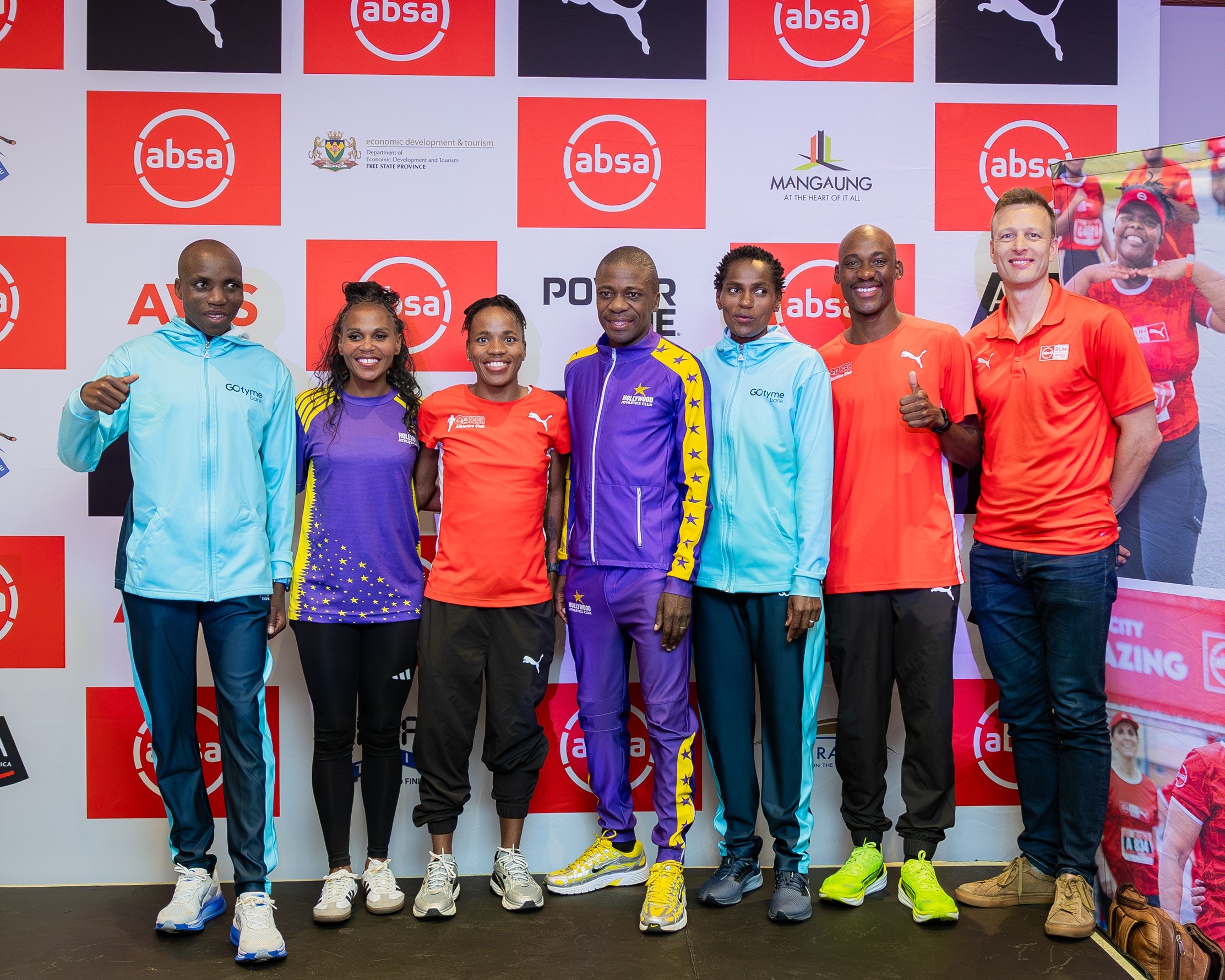
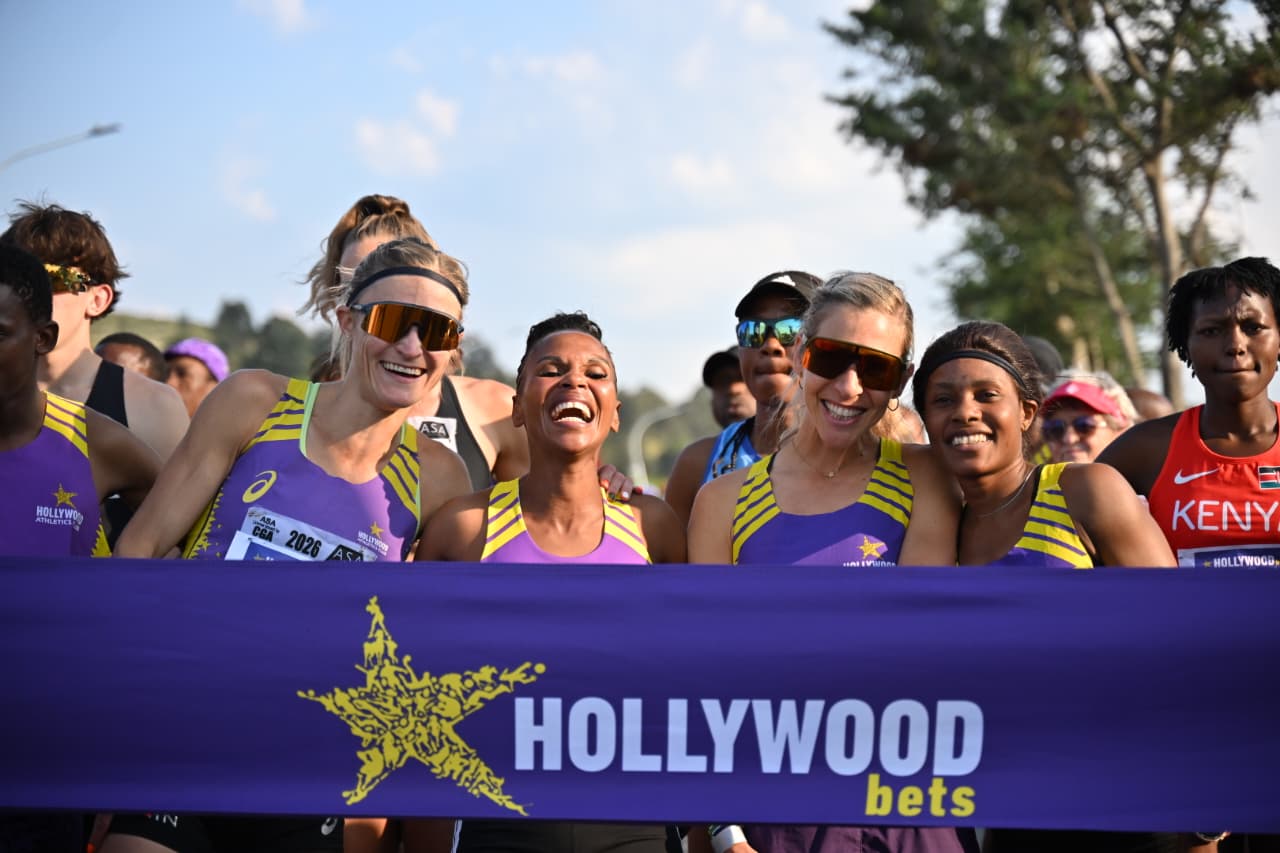
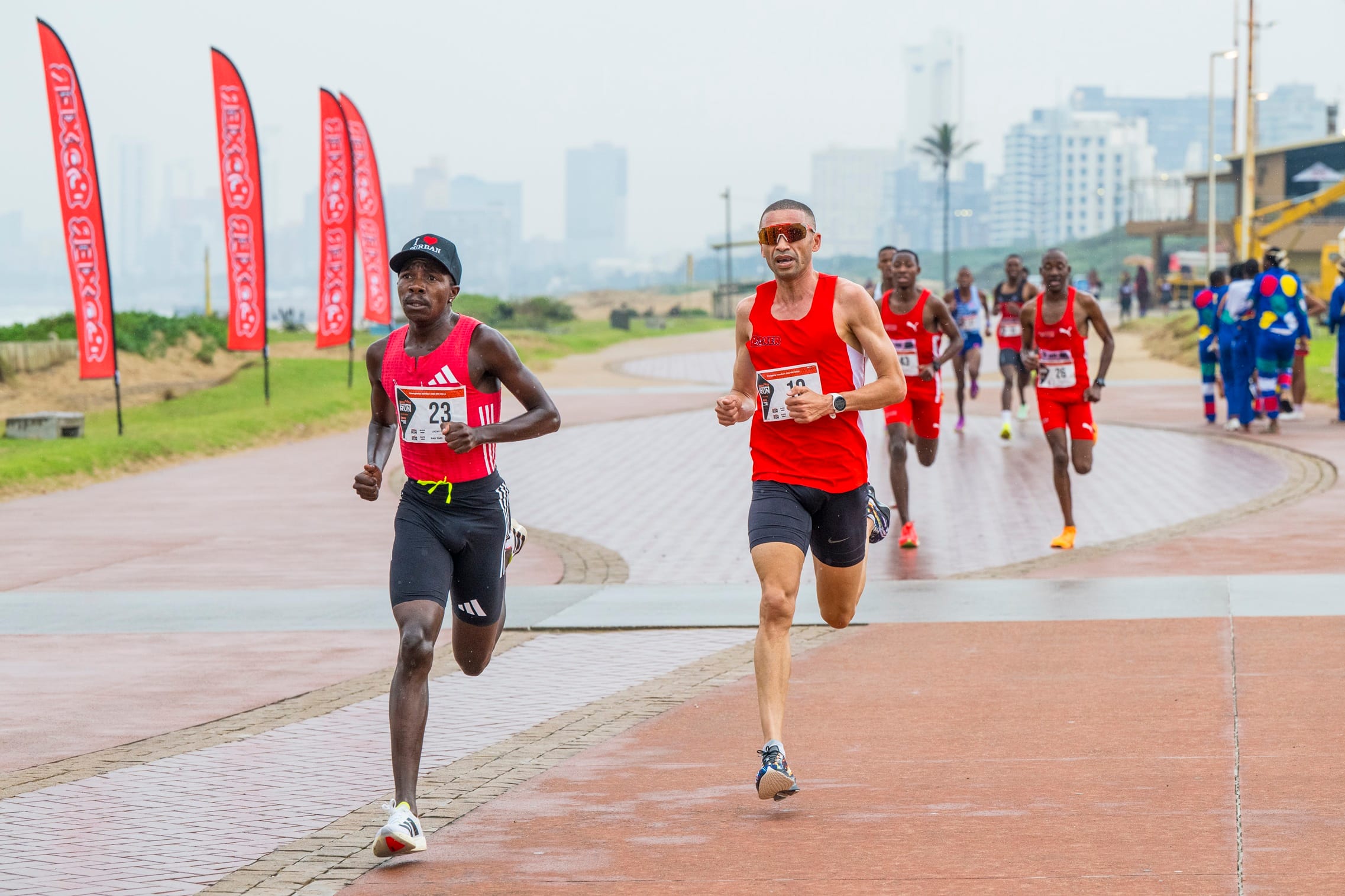
The ultra-distance specialist, a five-time Comrades Marathon champion and seven-time Totalsports Two Oceans Marathon ultra winner, found herself back in the city of her birth for Sunday’s inaugural Absa RUN YOUR CITY MANGAUNG 10K, where 5,000 participants turned the streets into a rolling celebration of road running.
Steyn grew up in Bothaville and studied at the University of the Free State. Her homecoming carried a personal significance, and she used it to encourage the next generation to dream big.
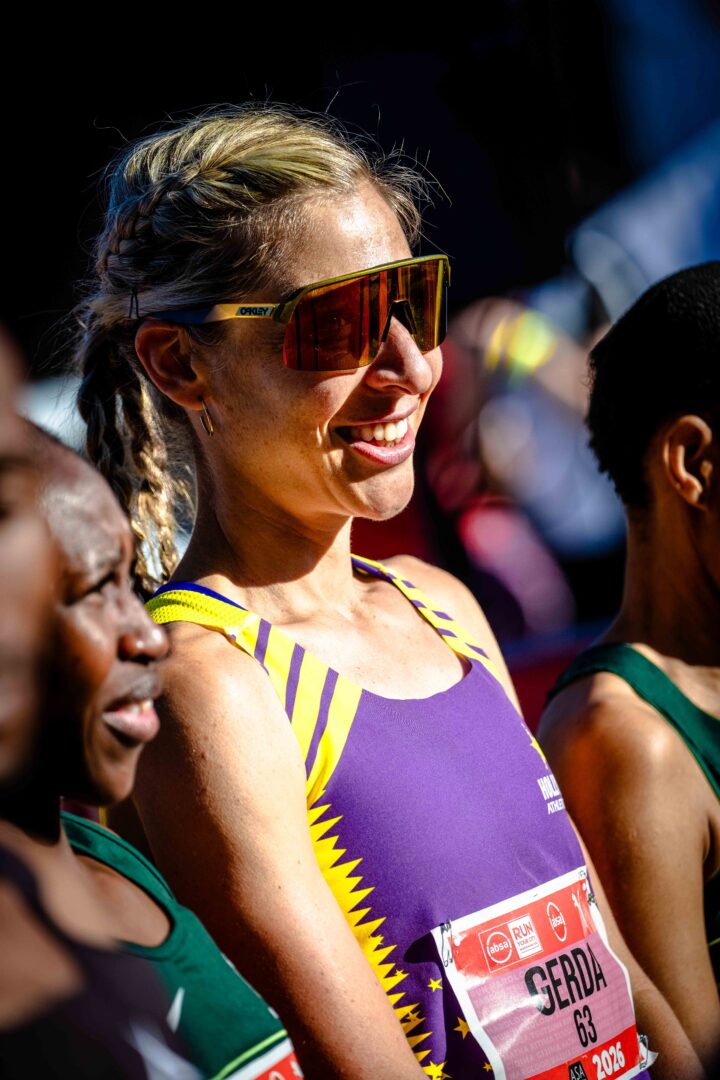
“If I think back to the years I lived here in Bloemfontein, nobody would have imagined that Gerda would become a professional athlete, win the Comrades or become an Olympic athlete,” she said.
“Never think it cannot be you. You can achieve something if you work hard for it and believe in your dreams. You can accomplish great things if you are prepared to put in the hard work every day.”
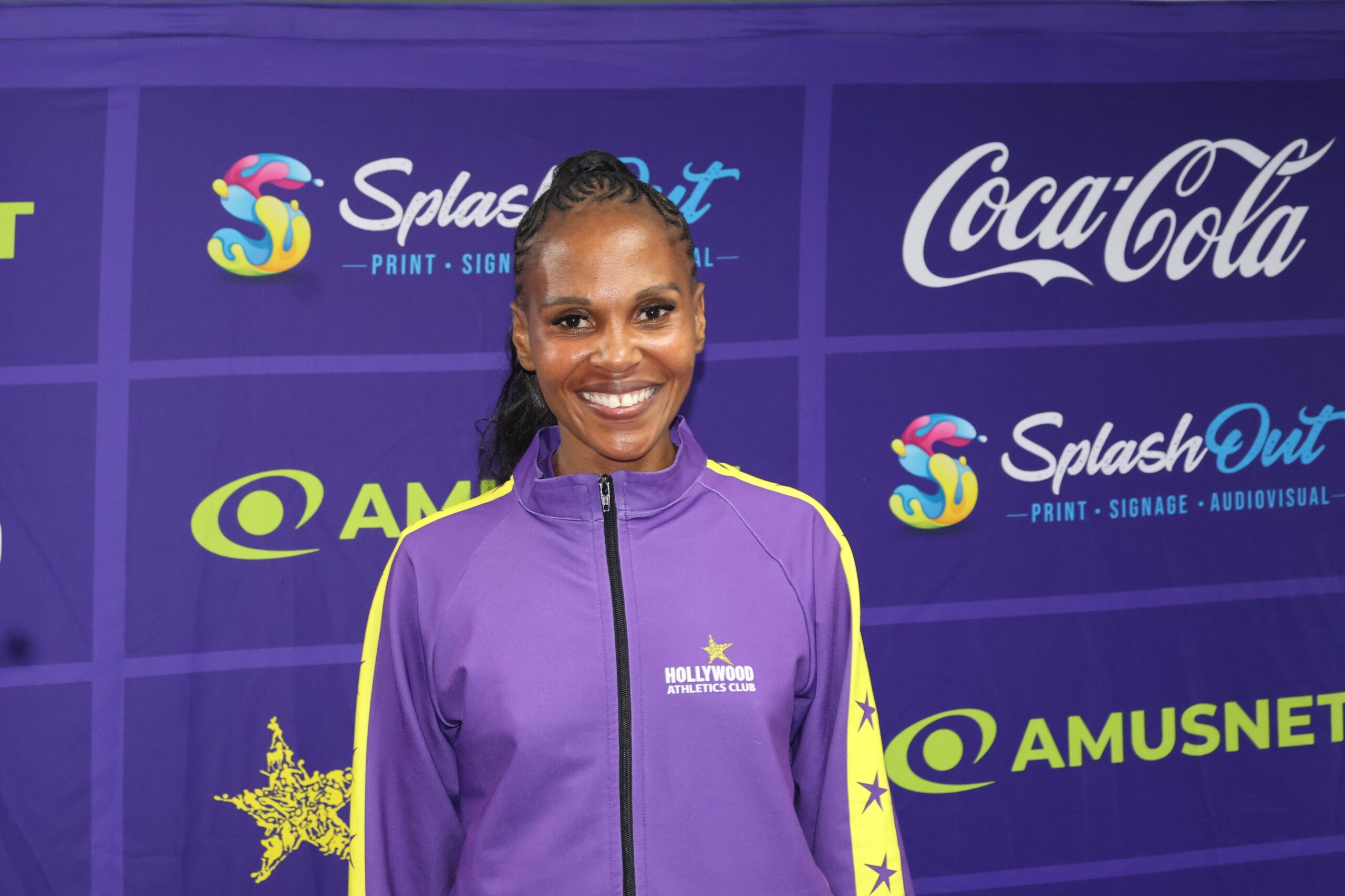
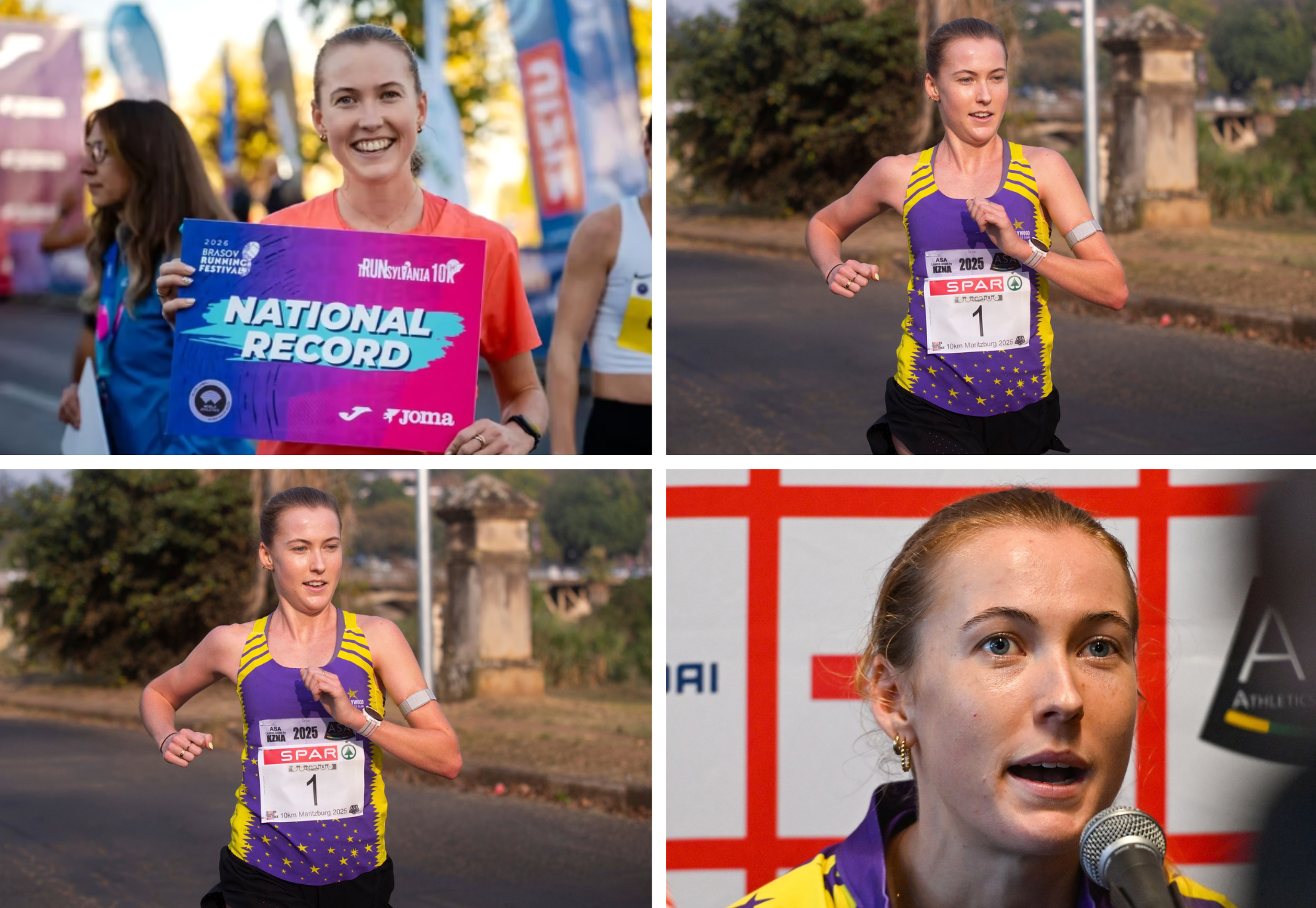
Known for conquering ultra-distance challenges, Steyn also showed her versatility over 10km, finishing sixth overall in the women’s race in 35:01 as the second South African behind winner Glenrose Xaba.
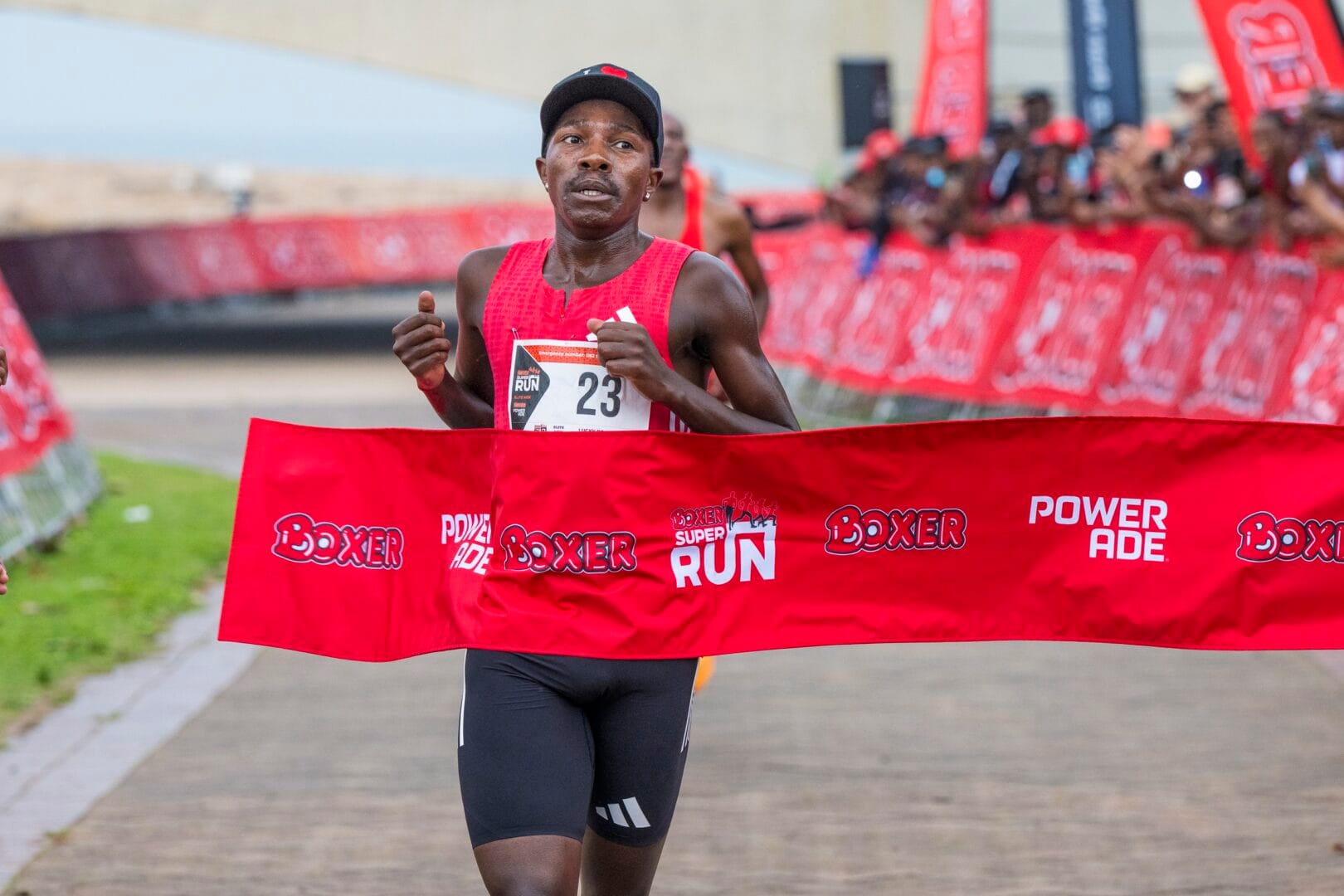
The Boxer Athletics Club star claimed her first Absa RUN YOUR CITY Series victory of the season in 32:10. Kenya’s Jackline Rotich was second in 32:15, with Lesotho’s Neheng Khatala third in 32:19 after winning the Hollywoodbets Joburg 10K the previous week.
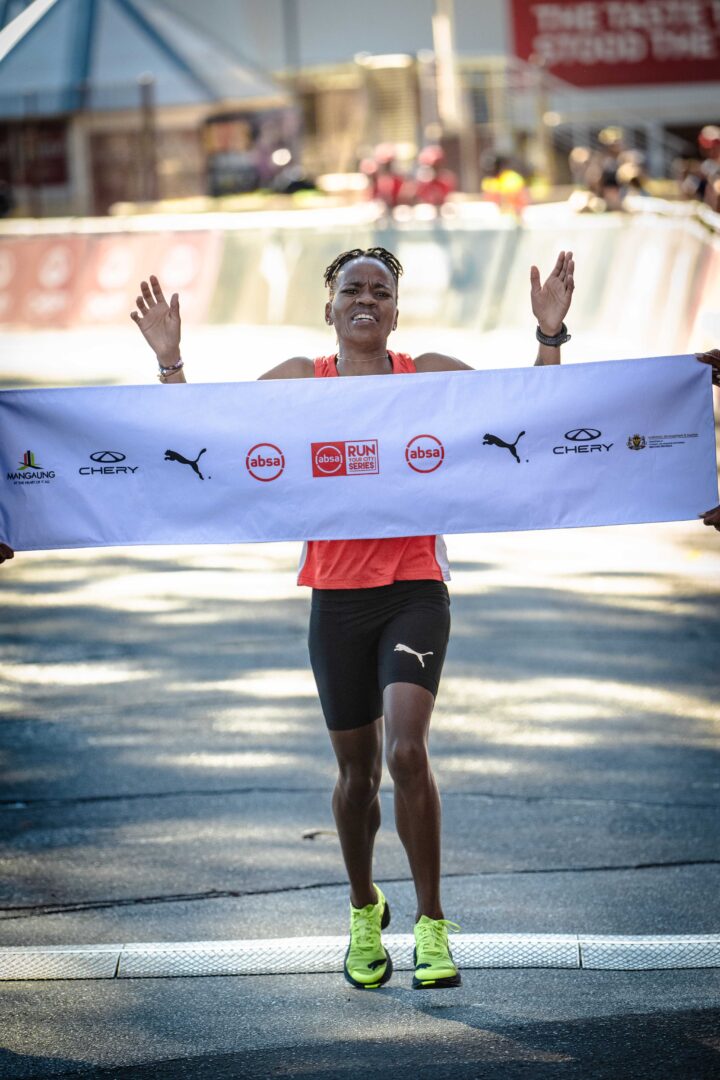
“I’m very excited to win Absa. I’m glad that I’m able to be the one crossing the line,” Xaba said.
The course served up a stern test around the seven-kilometre mark, where a climb demanded both strength and tactical discipline. Xaba had inspected the route the previous day and was prepared for the challenge.
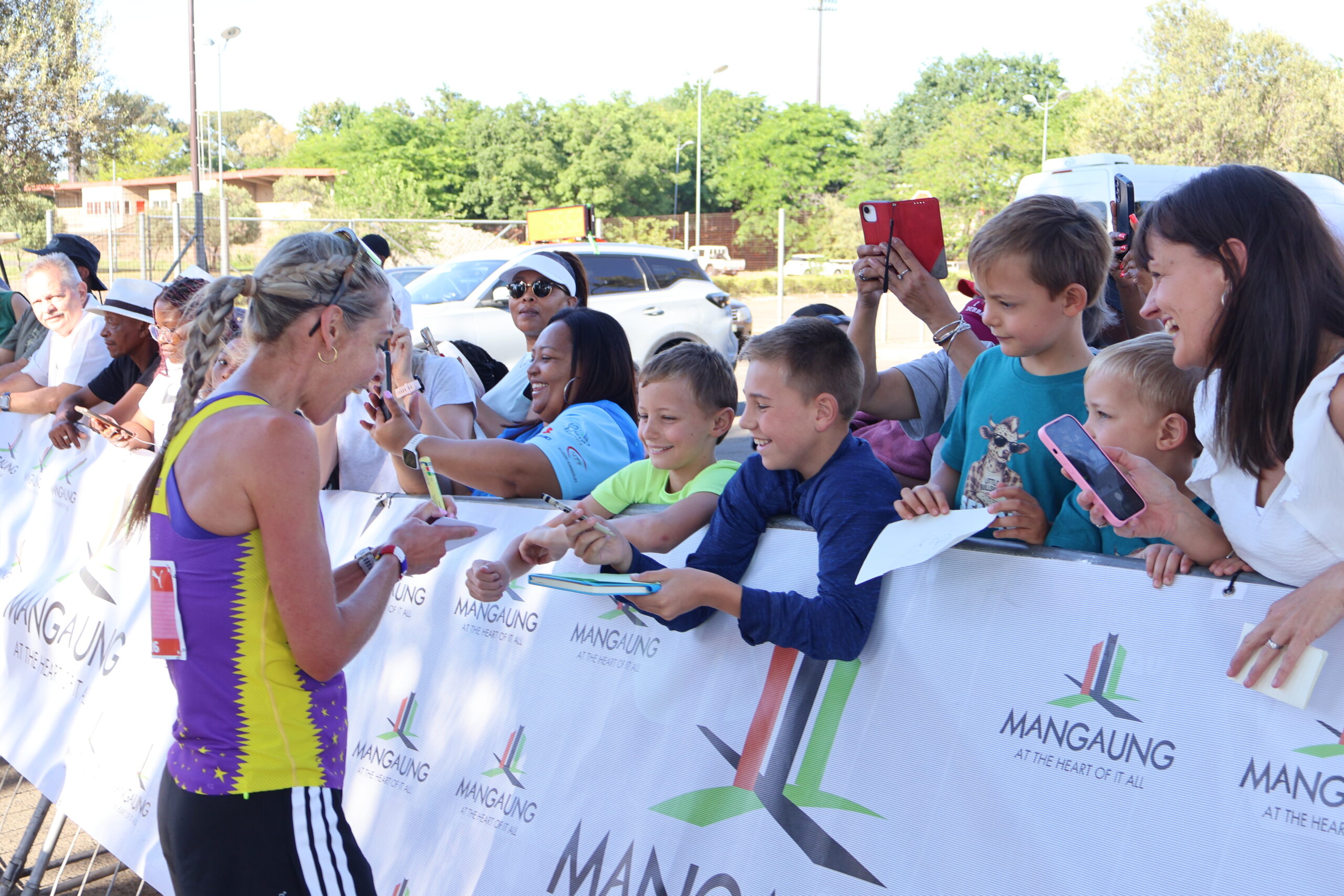
She also stressed the importance of bringing elite athletes closer to young fans, giving children the chance to meet their role models and picture themselves lining up in future races.
In the men’s race, Kenya’s Felix Masai Kibet, winner of the 2026 Two Oceans Half-Marathon, set the pace and held firm to win in 28:14.
“I enjoy racing in South Africa, just like Two Oceans Half-Marathon earlier this year. It went well again today,” he said. “I felt good. There was no competition from start to finish. The course was quite fast, with a hill with two kilometres to go.”
South Africa’s Kabelo Mulaudzi finished second in 28:43, followed by teammate Zenzile Pheko in 28:54.
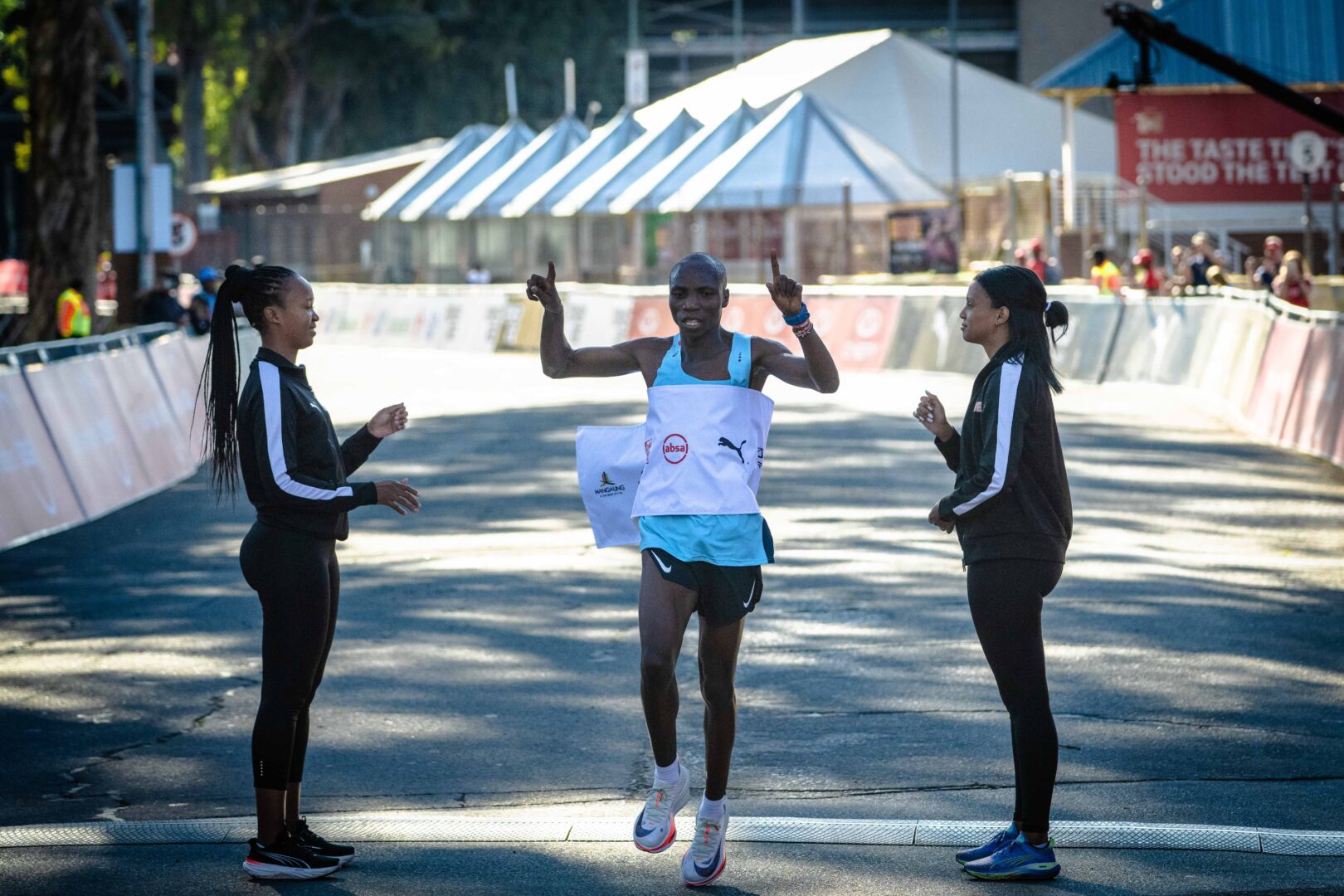
Mulaudzi admitted he had left his challenge too late after allowing Masai Kibet to dictate the early pace. “Filex started fast. We thought we would catch him. But by the time we started to close the gap it was too late. I’m happy with today because I’ve been struggling with injury this year. The race was good. It’s just that I closed the gap too late,” he said.
The Mangaung race added Bloemfontein to the six-event series, which drew about 60,000 participants across its events. The Cape Town race was cancelled because of adverse weather.
For Steyn, the day’s lasting legacy may have been the reminder that every champion starts somewhere, and sometimes the most powerful finish is the one that inspires someone else to begin.