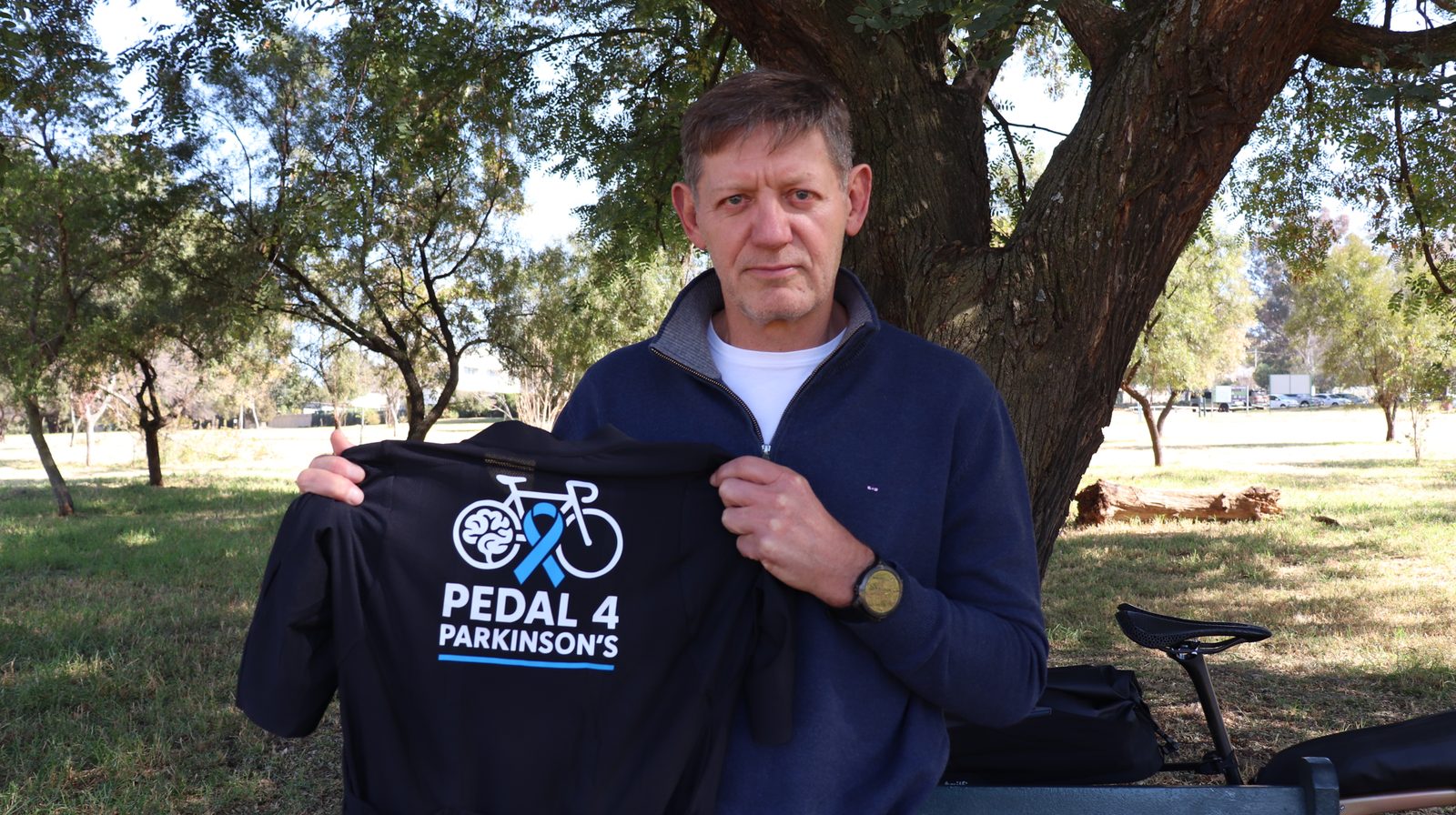
Arrie Rautenbach holding a black Pedal 4 Parkinson’s cycling jersey, standing beside a bicycle under a tree.

Arrie Rautenbach takes on The Munga to raise R250,000 for Parkinson’s

Parkinson’s advocate and former banking executive Arrie Rautenbach is taking on The Munga, starting 25 November, to raise R250,000 for research and support.

The solo mountain-bike race runs from Bloemfontein to Wellington. Rautenbach, founder of the Arrie Rautenbach Parkinson’s Foundation, will ride the entire route himself, almost 1,200km of predominantly off-road terrain through the Karoo. He starts on 25 November and has until 30 November to complete the route.

It is his first Munga, but a race he has wanted to attempt for some time. Its theme, Your Journey, Your Story, struck a particular chord.

He comes into the event off a full year on the bike. He completed the NorthCape4000, a 4,000km ride across Europe, in August, and rode his first Wines2Whales earlier this month.

“People sometimes see a diagnosis as the end of what is possible. I have always believed that it doesn’t have to be that way. Parkinson’s is part of my journey, but it doesn’t have to define the limits of that journey. Every challenge I take on is an opportunity to show what can still be achieved, while helping others who are facing the same diagnosis,” says Rautenbach.

A wider conversation about Parkinson’s

The physical demands of an ultra-endurance race are considerable for any cyclist. For someone living with Parkinson’s, the challenge also brings a wider conversation about a condition that is often understood only in terms of tremors and movement.

Parkinson’s is a progressive neurological condition associated with the loss of dopamine-producing cells in the brain. Its effects can extend well beyond movement, with people also experiencing fatigue, sleep disturbances, bladder problems and changes in mood or motivation. Symptoms and their impact vary from person to person.

For Rautenbach, taking on The Munga is a way to make those less visible aspects of the condition part of a bigger public conversation, and to turn his own experience into practical support for others.

The R250,000 fundraising goal will support Parkinson’s research and help the Foundation assist people living with the condition, as well as families who need information, guidance and support.

Your Journey, Your Story

Munga organiser Jack Black says Rautenbach’s participation reflects the spirit of the event.

“The Munga has always been a celebration of what it means to be human, a 1,158km testament to grit, resilience, and the power of the human spirit. This year, Arrie Rautenbach embodies the very heart of the Munga ethos: Your Journey, Your Story. By stepping up to the start line, Arrie isn’t just taking on a brutal physical challenge; he is writing a narrative of purpose that extends far beyond the bike. Every pedal stroke across the Karoo is a drive to create real-world impact and elevate the vital work of his foundation. His journey is a powerful reminder that the true measure of endurance is the positive change we can create for others when we test our own limits.”

How to support the ride

Rautenbach hopes the public will get behind the ride, whether through a once-off donation or by supporting the kilometres he will cover along the route.

“Every contribution can help us move the work of the Foundation forward. I would love people to follow the journey, get involved and help us make a difference for families affected by Parkinson’s. The race may be mine to ride, but the reason behind it belongs to all of us.”

To support Arrie’s Munga fundraising campaign, visit arrieforparkinsons.com and select the donate now option.

The Munga starts in Bloemfontein on 25 November and finishes in Wellington on 30 November.

Nike Vaporfly 5: Nike’s most aggressive Vaporfly yet is built to attack the pace

Nearly ten years after the original Vaporfly kicked off the super shoe era, Nike has given Modern Athlete a first look at the Vaporfly 5, and this time it’s built for the shorter, sharper end of racing.

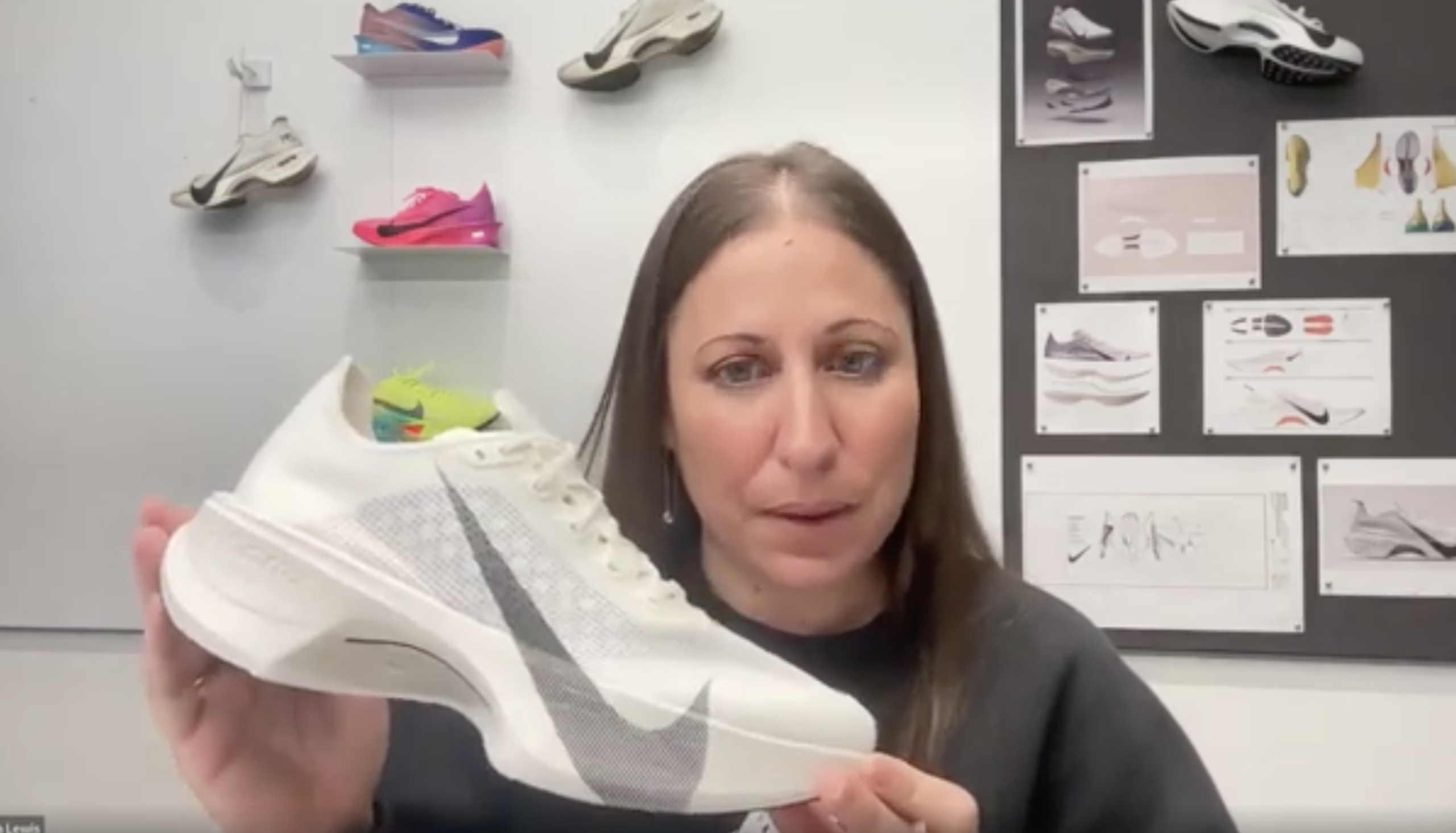
Speaking to Lu Mhlongo, on behalf of Modern Athlete,  during a Nike media briefing, Natasha Lewis, Director of Nike Racing Footwear, explained that the new shoe has been repositioned within Nike’s race-day line-up. The Alphafly now handles the marathon, while the Vaporfly 5 is aimed squarely at the 5K to half-marathon.

“This shoe is developed for someone who’s trying to go fast. They’re trying to break PRs, they’re trying to shave off seconds,” said Lewis.

Attack the pace, don’t just hold it

Lewis describes the Vaporfly 5’s biggest benefit as “immediacy”. The shoe gives runners faster access to speed than a traditional super shoe, which is designed more to protect and sustain pace over longer distances.

“So, this is, hey, how can you attack speed, where, maybe AlphaFly is, hey, how can you maintain speed?”

Three big changes

The Vaporfly 5 gets an all-new midsole and an all-new upper, built around three key updates.

  1. New ZoomX LT foam

For the first time in the Vaporfly franchise, Nike is using its new ZoomX LT foam. It’s 17 percent lighter than standard ZoomX and gives 8 percent more energy return. ZoomX LT sits above the plate for race-specific cushioning, and standard ZoomX sits below it for the familiar bounce, with the two foams working as one system.

  1. A wave-shaped Flyplate

The centrepiece is a redesigned carbon Flyplate with a ripple through the midfoot.

“So this really is, the hero of the shoe, and this is a new innovation,” said Lewis.

The plate sits lower in the heel for more stability, has a wider midfoot, and extends at the tip for a quick toe-off. Developed with testing from the Nike Sport Research Lab, it creates what Lewis calls an “unconstrained spring” under the arch before propelling the runner forward.

“So it’s a spring. And a pop.”

  1. A lighter, simpler upper

The new Vapor Mesh upper uses a seamless, engineered construction for a sock-like fit. It’s strong enough that Nike didn’t need extra overlays, which keeps weight down. A reductive tongue, a moulded ZoomX sock liner and a thin GOATEK rubber outsole for forefoot grip complete the package.

Built for turnover, corners and the kick

Lu asked how the foam, plate and upper work together to help runners go faster. Lewis said the combination gives a quicker turnover and slightly more ground contact than the Alphafly or Apex, plus faster access to propulsion.

“It helps with acceleration, changing gears,” she said, adding that the outsole design also helps “around corners, and then, last but not least, like, kicking.”

A shoe that looks different for a reason

The Vaporfly 5 has bold cutouts through the midfoot of the midsole, which Lewis says are there to free up the new plate.

“I think right now, what we’re seeing is everybody has access to these superfoams, everyone has access to carbon fiber plates, everyone has access to amazing upper materials. It’s really now, how do you take all of this innovation and technology and think about it fundamentally, like, different from the bottoms up?”

The shoe adds cushioning while keeping the Vaporfly 4’s heel-to-toe offset, and it saves weight in targeted areas so it still feels light.

“The shoe is still cushioned and forgiving, but it’s also very responsive through the new carbon plate,” says Nike athlete Mohammed Ahmed, Olympic silver medallist in the 5,000m. “You can feel both elements working together, creating a smooth and comfortable ride while remaining controlled and secure underfoot.”

When can you get it?

The Vaporfly 5 is still a prototype and is expected to land in spring 2027 for South African runners (around September to November). Nike also previewed the Vomero 19, a maximum-cushioned daily trainer arriving in March 2027, and confirmed a new Pegasus Fly is coming later in 2027.

Watch the full interview with Natasha Lewis below.

Building the Name with Jurenzo Julius

JabulaBets’ Beyond the Name campaign explores the roots, family sacrifices and growing self-belief behind its Rising Spark, Jurenzo Julius.

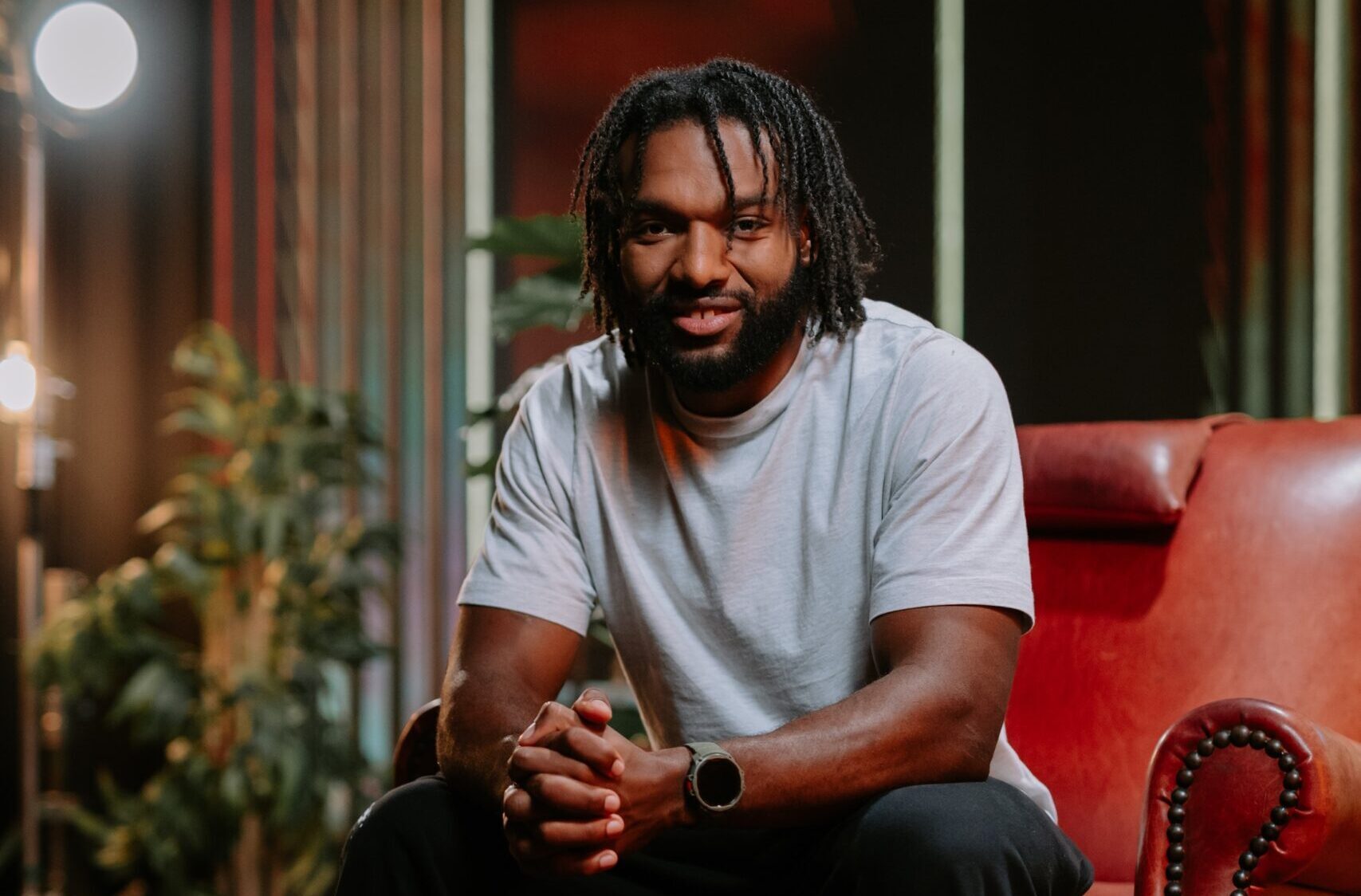
Jurenzo Julius was still a schoolboy when he left Namibia with a rugby dream and a promise to make his family proud. That promise sits at the centre of Building the Name, his story in Beyond the Name, the first major national campaign from JabulaBets. Julius, the Rising Spark of The Jabula Squad (a growing community platform that brings together athletes, personalities and an expanding network of members), joins Handré Pollard and Danie “Pitbull” van Heerden in a series of films, personal interviews and candid conversations that look past the sporting headlines to the families, sacrifices and private moments behind three names South Africans already know. The campaign has been live across JabulaBets’ digital channels since 6 November.

The film follows the road from Paul Roos Gymnasium to senior rugby at 20 and an invitation to a national alignment camp, and the quieter battles hidden between: the loneliness of being far from home, the self-doubt of a self-confessed introvert, and the moment he realised he had lost touch with his roots before finding his way back to the family grounding that made him. It is exactly the kind of story Beyond the Name was made to tell, because behind every name worth following are the people who carried it there.

“We started the business because we saw a gap in the market to bring a brand to life that looked at the people and spoke to South African culture,” says Caly McCall, Co-Founder and Director of JabulaBets. “Jurenzo reminds us why we did it. Nobody gets to where he is alone. There is a mother on the other end of the phone, a father who keeps him grounded and a whole community who believed in him before anyone knew his name. That is the culture we are building at Jabula, one where everybody matters.”

In isiZulu, Jabula means “to be happy” or “to rejoice”. Asked what makes him Jabula, Julius does not talk about tries or team sheets. He talks about a phone call home, and seeing what his news meant to the parents who gave up so much to get him there.

From Namibia to a bigger rugby stage

Born in Namibia, Julius represented the country at Under-13 Craven Week before moving to South Africa on a scholarship to Paul Roos Gymnasium. He recognised the opportunity as a significant step towards his rugby ambitions, but leaving home also meant adjusting to life without the daily support of his family.

“I was going there to live out my dream and make my family proud,” he recalls.

His parents’ belief gave that ambition a foundation. Julius recalls a childhood spent playing different sports, with encouragement balanced by honest feedback on where he could improve. As opportunities grew, their guidance helped him stay connected to the person he was before rugby became a profession.

“But most importantly, my parents. I think they always saw something in me,” he says. “But they also knew how to keep it real, how to keep me grounded, celebrate the good but also told me where I could improve.”

While the move opened doors professionally, Julius admits that the personal adjustment was not always easy. During one particularly difficult period, he struggled with loneliness and missing the comforts of home. It was a conversation with his father that helped him regain perspective and reconnect with the faith that had shaped his upbringing.

“My dad has said so much to me over the years, and I value every piece of wisdom he gives to me,” he explains. “I was chatting to my father and he reminded me that, ‘God is always with you. You are never alone.'”

The reassurance stayed with him. Remembering his faith, upbringing and family helped him navigate the distance from home, showing how much of a developing athlete’s progress depends on support that is not visible on the field.

Keeping his ambition grounded

As his rugby career progressed, opportunities arrived faster than Julius had anticipated. By the age of 20, he was already playing senior rugby, an achievement that brought excitement and recognition but also introduced pressures he was still learning to manage.

“I was playing senior rugby at 20 years old. I never expected to be doing that so soon. It all happened so quickly,” he says. “I went through a phase where I forgot where everything came from, the sacrifices that had been made, and I became complacent.”

Recognising that change in attitude became a turning point. Julius returned to the reasons he had pursued rugby and the work his family had put into helping him get there. Remembering those sacrifices gave him a way to renew his commitment when opportunity began to feel familiar.

“Eventually, I had to remember my why, appreciate the sacrifices, have gratitude for everything and remember the hunger I had for this life that I once only dreamed about.”

“Remember the sacrifices that were made for you, where you come from and why you’re doing it,” he advises aspiring sportspeople. With so much talent competing for opportunities in South African rugby, he knows progress requires attention and effort. His account of a rising career makes room for the lessons that help sustain it.

Jabula doesn’t just recruit high scores and smooth talkers. The brand proudly chooses athletes who actually stand for something, the ones who’ve taken the hits, learned the lessons, and still show up with enough fire to shake up the room.

Growing into the belief behind the Boogeyman

The Boogeyman nickname originated during his primary school years, when a friend suggested it because Julius was bigger than many of the boys his age. What began as a childhood joke eventually became his Instagram name and developed into a fitting description of his competitive approach to rugby.

“I always want to be physically dominant because it’s a physical sport,” Julius explains. “I go into that mindset of dominating and playing the best I can. I guess that’s my on-field persona.”

Away from rugby, Julius describes a quieter personality. Backing himself has not always come naturally, and he has had to work on the way he approaches matches and manages his own expectations.

“I’m an introvert. I tend to overthink things, so sometimes I’m my own worst enemy,” he reveals. “But there are moments when I tell myself, ‘I have to do this.’ I back myself, and I know that I can do it.”

As his confidence develops, each achievement becomes evidence of what preparation and commitment can make possible. The feeling is personal, with relief and joy accompanied by a stronger belief in his ability to take the next opportunity. “The first thing I feel when something I’ve worked hard for finally happens is definitely a bit of relief, a bit of joy and some confidence,” he explains. “It’s knowing that if I work hard for something, it can happen.”

The Rising Spark theme makes room for that process of learning. Julius can recognise how far he has come while acknowledging the confidence he is still developing. His progress includes the private work of backing himself and remembering the reasons he began.

The happiness of sharing the milestone

Throughout his journey, Julius has remained conscious of the role his family has played in helping him pursue his ambitions. While his father has provided guidance and perspective, he describes his mother as the person he is most likely to turn to when he needs support during difficult periods.

“Both parents are always there with a willing ear, but if things are really getting hard, then I’ll talk to my mom,” he shares.

That family connection also shapes the way he celebrates his achievements. When Julius received an invitation to a South African national alignment camp, the first person he called was his father, followed by his mother. Seeing their excitement made the occasion especially meaningful because it represented the culmination of years of collective sacrifice.

“To see how happy they were, and to see all the sacrifices they made paying off, was almost a full-circle moment,” he recalls.

That call gives the meaning of Jabula a shared expression. The invitation marks progress in his career, but his parents’ reaction connects it to the years of effort behind it. A professional milestone becomes a family memory.

Finding belonging through sport

Julius also speaks about the sense of community he finds in South Africa, particularly when people gather behind their national teams. Having moved from Namibia to pursue his ambitions, he values the way different backgrounds can come together through a shared love of sport.

“One of the reasons I love this country is because there are so many different people, different personalities and different cultures, and everyone comes together as one,” he says. “It’s that community of love and coming together as one nation.”

His reflections give McCall’s belief in a culture where everybody matters a personal face. The family who keep him grounded and the wider community he sees united through rugby both contribute to his sense of belonging.

Through Beyond the Name, Julius’s Rising Spark story follows a young athlete learning to turn opportunity into progress while remaining connected to his roots. Jabula Squad brings that journey together with Pollard’s reflections on responsibility and van Heerden’s Challenger spirit. For Julius, “Jabula – It’s a Feeling” lives in growing belief, gratitude and the happiness of celebrating with the people who believed in him first.


Media Enquiries & Interviews: Lee-Ann Caboz +27 81 532 8874 or via [email protected]

About JabulaBets: JabulaBets is a South African sports betting brand co-founded by Caly McCall and Darren McCall. With a brand identity rooted in South African culture, the company seeks to connect with local audiences through sport, entertainment and shared experiences. Jabula Squad brings together ambassadors Handré Pollard, Jurenzo Julius and Danie van Heerden. Its Beyond the Name campaign explores the personal experiences, relationships and moments of happiness that shape these athletes beyond their public achievements. For more information, visit https://www.jabulabets.co.za/squad.

18+. JabulaBets is a Licenses Operator. NRGP 0800 006 008. Gamble Responsibly.

What running has taught me about leadership, pressure and mental health

November brings Movember, encouraging men to speak more openly about their health, including their mental wellbeing. Both remind us that our ability to perform depends, in part, on how well we look after ourselves.

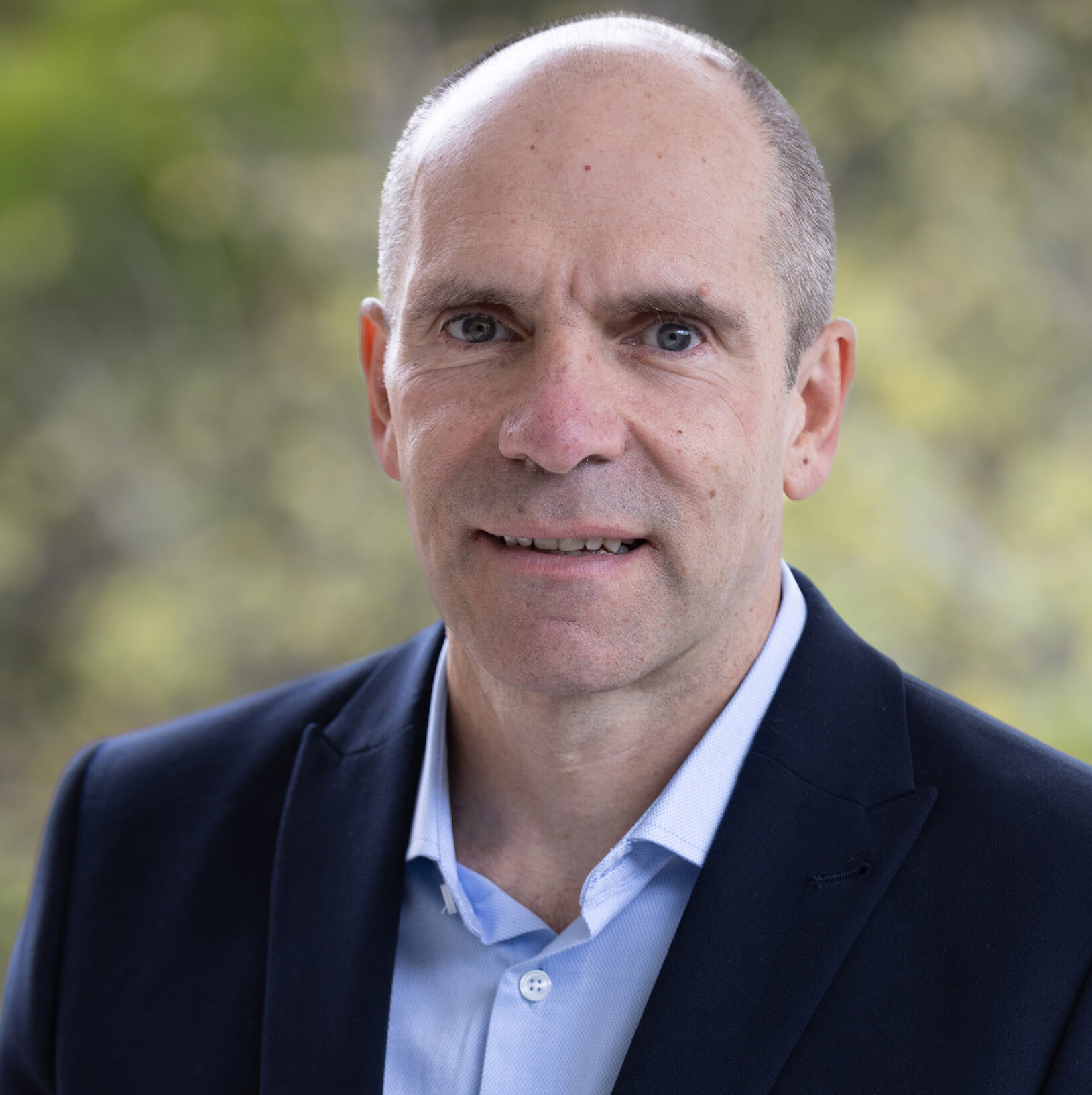
By Luis da Silva, CEO of Healthbridge

I recall a mid-winter morning at 5 am, sitting in my lounge in the dark, still in my running kit. I had headed out, but about 500 metres down the road, something in my mind said: stop, turn back. So I did. I came home, sat down and listened to what I was feeling rather than forcing myself to carry on.

I thought about that moment as I prepared for the Kaapsehoop Marathon in early November. October was my peak training month, but also one of the busiest periods in my business calendar, with 2027 budgets, strategy, Board meetings, and our annual Company Day all demanding my attention. It would have been easy to see training as just one more commitment in an already crowded schedule. Yet running is often what helps me manage everything else.

I’ve completed 12 Comrades and 15 Two Oceans marathons, so turning back does not come naturally. But life has taught me that pushing through is not always the answer. Sometimes, we need to be kinder to ourselves, acknowledge how we feel,  and trust that difficult periods will pass.

Endurance running has taught me that resilience is about knowing when to push, when to ease off and when to stop. That lesson has shaped how I lead, deal with setbacks, and think about mental health.

The value of stepping away

Being a CEO is an enormous privilege, but it comes with considerable pressure. You are accountable to the Board, must navigate uncertainty, and give your best to your team and other stakeholders. It can be a lonely role, so finding ways to manage the demands and sustain your ability to lead effectively, matters.

For me, running has become one of those ways. 

During the week, I usually run alone. Sometimes I have a specific training goal; other times, an easy run gives my mind room to wander. 

Weekend runs with my club are different. We spend hours talking, laughing, and sharing our lives. For that time, I am not a CEO, husband, father, son, or brother. I am simply a club mate. There is real value in being part of a group where the conversations move beyond work and where men can talk about things they might otherwise keep to themselves.

I no longer see running as an indulgence or another demand on my time. It replenishes my emotional capacity, and I return with greater patience, perspective, and energy, better able to meet the demands of leadership while remaining present for those dear to me.

Resilience is not simply about pushing through

During Comrades, when you have covered around 60km and still have 30km to go, the finish can feel impossibly far away. You break the distance into manageable pieces: the next landmark, water point, or step. A child’s high-five or encouragement from another runner can lift your spirits. 

A difficult patch lasting 20 or 30 minutes can feel endless in a ten-hour race. You learn to focus on what is in front of you rather than becoming overwhelmed by the distance in front of you. 

But there is danger in telling people simply to keep going. Runners have died in ultramarathons after pushing beyond what their bodies could safely manage. I’ve withdrawn from races days beforehand because I knew I was not healthy or fit enough. It was deeply disappointing, but it was the right decision.

A principle that captures this balance for me is total commitment, total surrender: commit fully to the goal but accept what is outside your control. Have the courage to change course when circumstances demand it.

Business requires the same discipline: ambitious goals, patience, and the determination to persevere when things get difficult. But sustained pressure, without adequate recovery, eventually takes its toll. Commitment should never mean ignoring warning signs.

Most of the journey should be enjoyable

Many people assume running is supposed to be painful. I think that puts many people off, and beginners who go too hard, too fast for too long understandably end up hating it. 

But running should be enjoyable. Most of the time, you should run at a comfortable pace and finish feeling better and more refreshed than when you started. Even with challenging goals, I would say 90% of the time, running should feel easy, comfortable, and fun.

Life is similar. We cannot avoid difficult periods, and sometimes we need to struggle to discover what we are capable of. But struggle should not become our measure of success. The aim is to build a life in which difficult moments are manageable, and the journey remains worthwhile.

Recovery is part of performance

In business, we sometimes celebrate busyness; long hours and the perceived heroism of being constantly available. But busyness is not effectiveness.

Training for a long-distance race is about more than accumulating kilometres. Strength work, sleep, nutrition and recovery contribute to performance. Push too hard for too long, and the body eventually breaks down.

McKinsey’s Bob Sternfels and Daniel Pacthod observe that elite athletes and successful CEOs manage time and energy intentionally, making recovery a priority. Nicholas Thompson, CEO of The Atlantic and an ultrarunner, has spoken about setting “non-goals”: accepting that some worthwhile things cannot receive your attention because other priorities matter more.

For a CEO, recovery means deliberately creating moments when you are not the CEO, deciding what genuinely matters, making room for reflection and accepting that not every task deserves the same energy. Constant activity crowds out quiet thinking in which connections are made, and better decisions emerge.

It also means noticing when a colleague is struggling. If someone’s performance changes, don’t simply demand more. Have an honest, sensitive conversation and help them work out what they can change, while leaving them with ownership of their responsibilities. 

Mental health is a leadership responsibility 

Mental health still carries stigma. Whether someone feels safe enough to say, “I’m not okay”, depends on the culture leaders create and the signals we send, sometimes without realising it.

We need to build relationships grounded in genuine care, check in without prying, and listen properly. If people do not feel heard, even necessary feedback is unlikely to land well. Leaders must also recognise they don’t have all the answers. Vulnerability does not mean abandoning responsibility; it means recognising the human being carrying it. 

At Healthbridge, much of what we do is focused on helping doctors manage the demands of their practices through technology, making their working lives more manageable and improving their work-life balance. We need to apply that same thinking to our own people, recognising that their mental wellbeing is just as important as the work we ask them to do.

I’ve never forgotten something Adrian Gore said at a Board meeting. He walked in, looking pensive, and told us: “I’ve just realised my biggest responsibility to our shareholders is to look after myself.” 

It was a simple but powerful observation. Looking after ourselves is not separate from our responsibility to others. Instead, it makes that responsibility sustainable.

Knowing when to let go
One lesson I’m still learning is not to become too attached to the things that define us.

I watched my father, at 89, struggle with the possibility that a slipped disc might mean he would never move freely again. When something we rely on is suddenly taken away, it can feel as though we have lost part of ourselves.

I’ve decided that Comrades 2027 will be my last. Running has given me extraordinary experiences, friendships and confidence, but I don’t want to keep going simply because I cannot imagine letting it go. I’ll find other goals and ways to challenge myself.

On 7 November, I lined up at Kaapsehoop. Whatever the clock said, the journey mattered: the training, the setbacks, the early mornings and the moments when I had to adjust my expectations.

If you’re going through a difficult stretch of your own, remember what running has taught me. It will end; this will pass. Commit to what matters, but do not break yourself trying to prove you can endure everything. 

And if it is not passing, say so. Let someone run beside you for a while.

CAPE100 signals intent with two key appointments.

Ann Ashworth named Race Director and Southpaw appointed exclusive commercial rights partner

Cape100 has announced the appointment of former Comrades Marathon champion and former Comrades Marathon Association Race and Operations Manager Ann Ashworth as its Race & Operations Director, alongside specialist sports and culture agency Southpaw as its commercial rights partner as the event gears up for its first edition on 5 September 2027.

Ashworth brings a rare mix of experience to the role. A seasoned ultra-distance runner and 2018 Comrades Marathon winner, she has also worked on the administrative side of the sport, serving as the Race and Operations Manager of the Comrades Marathon Association in 2024 and currently as a legal advisor and elite athlete liaison to the Sanlam Cape Town Marathon. Away from the road, she holds a Master of Laws from the London School of Economics and Political Science, is an admitted advocate and a qualified running coach, and has spent years developing elite women’s ultra-distance runners.

Cape100 founder Ruan Eygelaar said: “When we sat down to decide who should take charge of the race itself, Ann was the first name on the list. Her experience as both a runner and administrator gives her a unique understanding of what it takes to deliver a world-class event of this scale. Her experience adds invaluable operational depth to the team and strengthens our ability to deliver that standard from year one. We’re delighted to have her on board.”

Ashworth said: “As a runner, a coach and, more recently, an event organiser, ensuring that an event offers both participants and spectators the best possible experience, from event entry to registration to crossing the finishing line, irrespective of your age, gender or average pace is my absolute priority.  We want to be able to host an event deserving of international acclaim and capable of attracting elite and recreational athletes from all over the world. The Winelands give us a setting that sells itself – pristine infrastructure, spectacular views and a welcoming community only too willing to become involved in the event. My job is to ensure that every participant and spectator is able to make the most of their experience in the beautiful Cape and to deliver a safe, fair and seamlessly managed event. I am so looking forward to being part of the event from the outset – it is an incredible opportunity.”

Alongside Ashworth’s appointment, Cape100 has appointed Southpaw, a specialist sports marketing agency, as its exclusive commercial rights partner. With experience spanning major international sporting properties and leading brands, including Betway, LIV Golf, Icons Series,

Auto & General and NTT DATA, Southpaw brings an established track record in sports marketing, strategic partnerships and commercial development. Southpaw will lead sponsorship, media rights and the event’s wider commercial programme.

Kieren Jacobsen, founder and CEO of Southpaw, said: “It is not often South African sport gets a brand new mass-participation event with a destination like this, a founder with a clear vision and a race director the running community already trusts. We’ve built a commercial roadmap that matches that ambition. We believe Cape100 can become one of the premier road ultras on the global running calendar.”

On Southpaw, Eygelaar added: “From our first engagement, Southpaw has shown an in-depth understanding of the commercial landscape and a clear plan to build a sustainable commercial model that matches our growth plans for Cape100.”

About Cape100

Cape100 is a new 100 km point-to-point road ultramarathon taking place in South Africa’s Western Cape, with its inaugural edition scheduled for Sunday, 5 September 2027.

Founded by Ruan Eygelaar, the race will take athletes on a spectacular journey from Hermanus, globally recognised as the land-based whale-watching capital of the world, along the scenic Whale Coast and through the Cape Winelands towards Stellenbosch. Situated approximately 30 minutes from Cape Town, Stellenbosch is South Africa’s second-oldest town and an internationally celebrated destination for wine, gastronomy, art and heritage. The race will finish at the historic Blaauwklippen Wine Estate, one of South Africa’s oldest wine estates.

Created with the ambition of becoming one of the world’s premier 100 km road ultramarathons, Cape100 brings together elite competition, mass participation and a distinctive destination experience.

Built around the philosophy One Number. Infinite Stories™, Cape100 aims to establish a lasting connection with its athletes through permanent race numbers and a Founding Member legacy programme recognising those who start its inaugural edition.

Entries are open now. Visit cape100.com for more information.

PUMA PROJECT3 athletes smash PBs and bank over $54k at Chicago Marathon

PROJECT3 closed out the 2026 season in style at the Chicago Marathon and the numbers are wild.

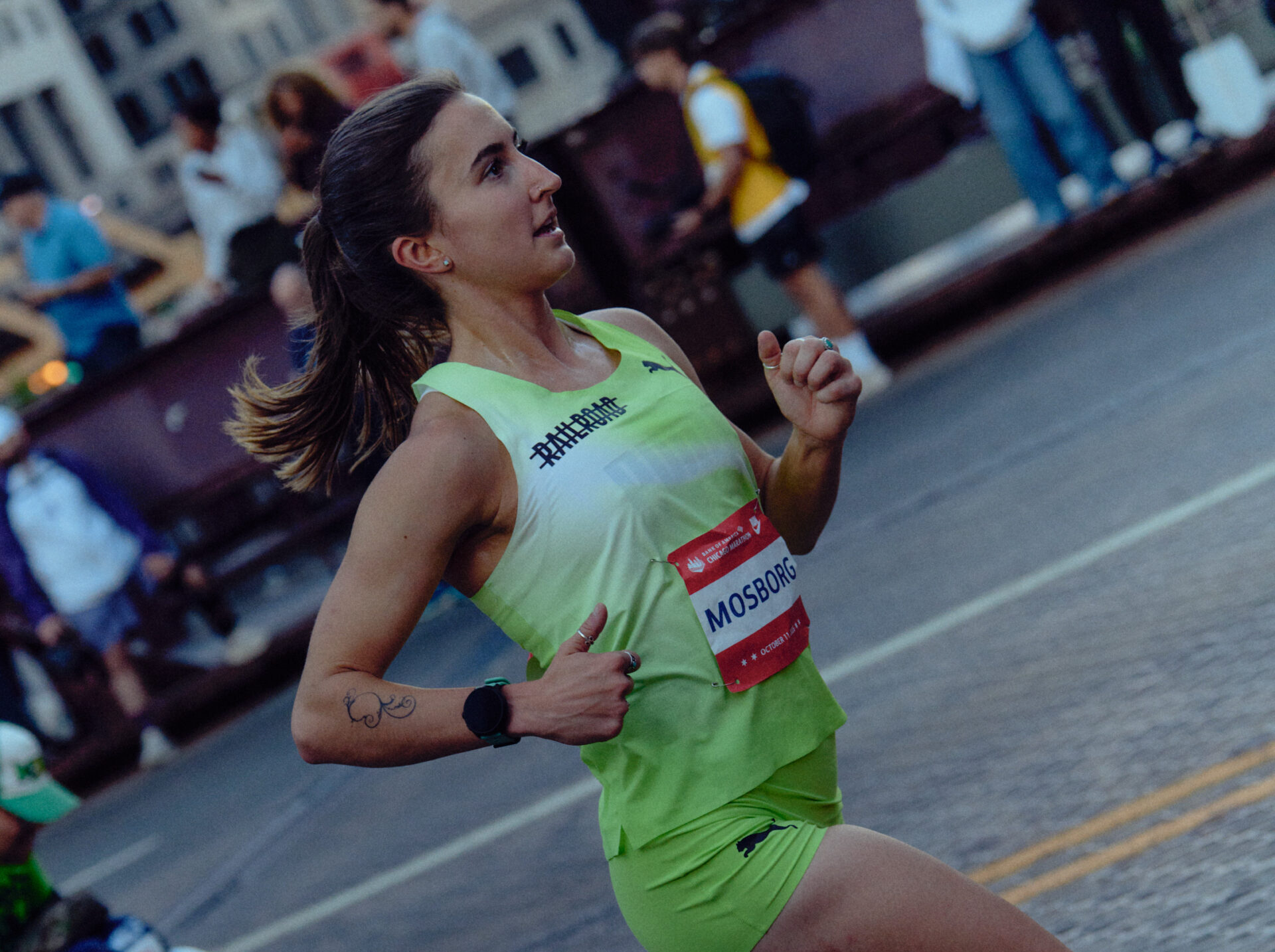
71 PROJECT3 runners finished the race. 26 of them set brand-new personal bests in PUMA’s Sunny Lime kits, powered by the Fast-R NITRO™ Elite 3 or Deviate NITRO™ Elite 4. Fifteen of those athletes improved by more than three minutes and will each walk away with a $3,000 performance bonus. Collectively, the group took a staggering 1 hour 32 minutes and 53 seconds off their previous marathon bests.

Top of the leaderboard

  • Fastest man: Alejandro Martinez Ambrosio (USA) – 2:17:32 (new PB)
  • Fastest woman: Amanda Mosborg (USA) – 2:29:30 (new PB, 2:27 faster)

Both take home $3,000 as PROJECT3’s first-place finishers.

The biggest jump of the day belonged to Hannah Bashan (USA). She dropped an insane 11 minutes and 53 seconds to finish in 2:51:51, earning her $6,000 total ($3,000 for the 3+ minute improvement + $3,000 for the largest overall time drop).

Lucas Maher, Lead Marketing of Running Athletes at PUMA, said:
“We’re incredibly proud of every athlete who stepped up to race today. This cohort has delivered through every high and low all season, truly embodying what PROJECT3 stands for. We’re thrilled to recognise their relentless dedication and hard work today, and we’ll continue to help sub-elite runners chase their dreams. We can’t wait to kick off next season and reach even greater heights together.”

The bigger picture
PROJECT3’s second year wraps with $405,000 in prize money distributed in 2026 (on top of $160,000 in its debut year). Next stop: Mumbai 2027, where 100 athletes will line up ready to chase the next set of PBs.

The Fast-R NITRO™ Elite 3 and Deviate NITRO™ Elite 4 are available now at PUMA.com, PUMA stores, Totalsports and Sportsmans Warehouse.

Follow @pumarunning for the latest.

Media contacts
Brett Bellinger, Marketing Director – [email protected]
Lungile Gunundu, Splash PR – [email protected]


About PUMA
PUMA is one of the world’s leading sports brands, designing, developing and selling footwear, apparel and accessories. Founded in 1948, PUMA helps the world’s best athletes and teams perform at their best with its innovative products. The company distributes its products in over 120 countries, employs more than 20,000 people and is headquartered in

Big Efforts Equal Big Rewards at Nedbank Gravel Burn; $155 000 on the Line

The racing at the Nedbank Gravel Burn is hot, so it’s fitting that the medals and trophies are forged by fire. When all is said and done, when the dust has settled, and when the last embers of the final Burn Camp have been extinguished, the race winners will walk away with dazzling reminders of the intense effort required to succeed at a seven-day gravel race. 

This year, the overall prize purse at the Nedbank Gravel Burn sits at $155 000, split evenly between the pro men and pro women. With opportunities to claim overall prize money and stage prize money – and a $2500 prize for the best overall climber – the top men and women riders could potentially enjoy a healthy payday at the conclusion of the 2026 Nedbank Gravel Burn.   

“Not only is this an incentive to race with heart and guile for seven days,” says founder Kevin Vermaak, “but it also shows the commitment of the Nedbank Gravel Burn to reward our best riders equally. The top riders are out there, in the wild, throwing everything they can at the race, and the prize money recognises the intensity the men and women bring to the racing.” A further $2500 per winning rider is also on offer in the Toyota Power Climber competition (for the top climber of the week). 

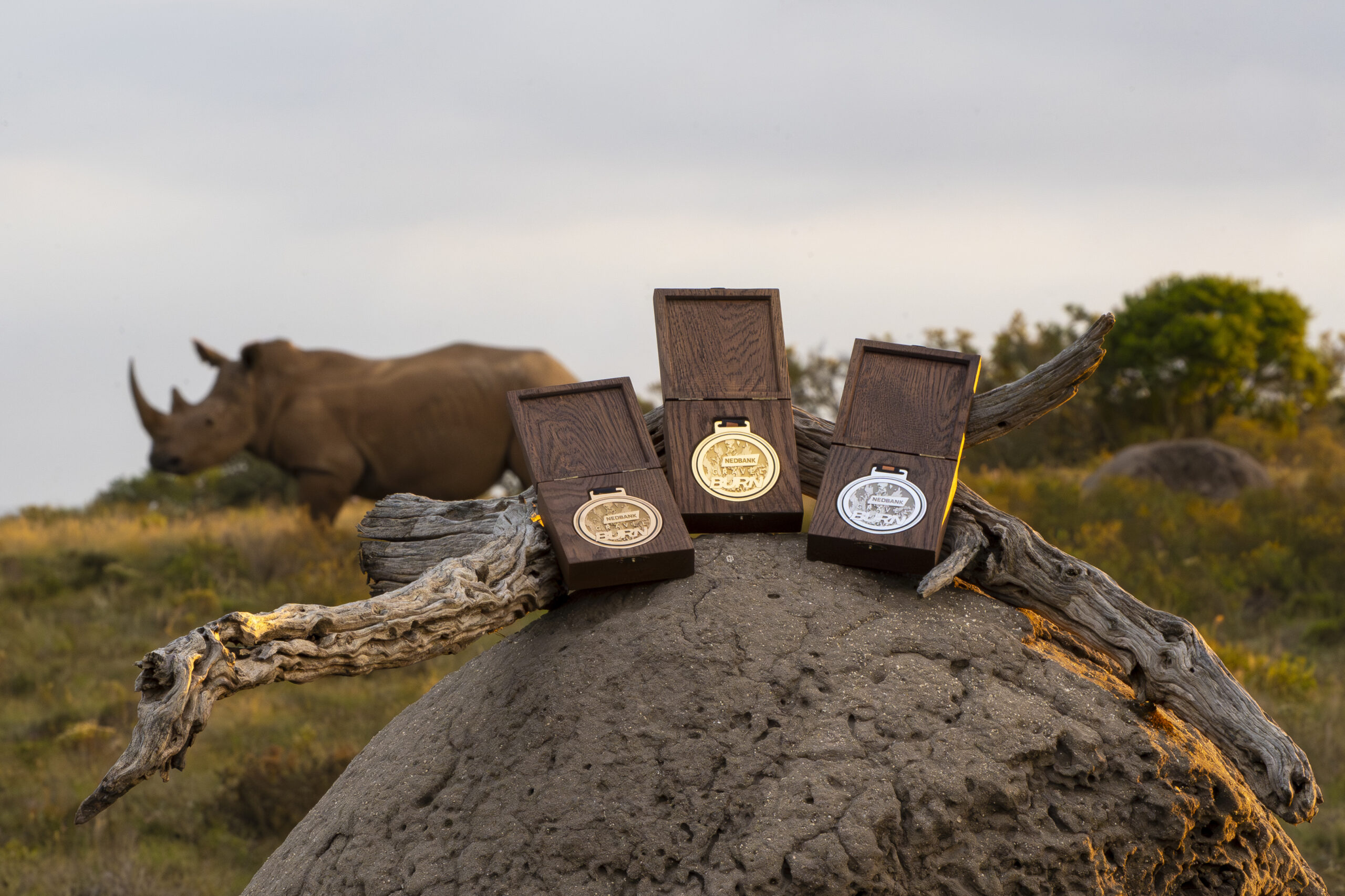
For the winners’ medals, the theme of fire, grit, and gold was incorporated by makers MetCon, the largest privately-owned precious metal refinery in South Africa. Only six have been made: gold, silver and bronze for the men’s podium, and the same three for the women.

Manufactured in-house in South Africa from 999.9 fine silver, each medal weighs 180g. First-place medals are plated in gold, second-place medals in rhodium and third-place medals in red gold. MetCon puts the approximate value of each finished medal at R30 000, including manufacturing, with the valuation subject to the daily silver price.

Making the medals took seven stages: design, tooling, casting, plating, polishing, quality control, and packaging. “Every stage was done carefully and with no shortcuts, because seven stages of racing deserve seven stages of craft,” says Grant Crosse of MetCon. “Each medal is presented in a handcrafted wooden box by Donkey Long Tong with a MetCon nameplate, along with a Certificate of Analysis and a story booklet about the full making-of story. The medals are made to be kept for life.”

And it doesn’t stop there. With extreme racing comes true reward at the Nedbank Gravel Burn. The overall Pro Men’s and Pro Women’s champions will receive the Fire Starter, created by South African fire-tool makers Donkey Long Tong in collaboration with MetCon. Each Fire Starter also incorporates a 42g ring of 24-carat gold, with black ceramic inlay tracing the route’s elevation profile.

Deeply rooted in South Africa’s history, gold remains an enduring symbol of worth. Incorporating this precious metal ensures the award carries tangible value alongside its athletic prestige. Victorious riders may choose to retain the piece or cash it in at market rates, which fluctuate over time. 

Handmade using titanium, brass, Karoo olienhout and ostrich leather, the Fire Starter is a working piece of art. At the closing ceremony, the two champions will use their trophies to light the ceremonial fire.

After a week of watching each other’s wheels, they can finally get on with the serious business of celebrating. Donkey Long Tong’s involvement also includes a Nedbank Gravel Burn special-edition Jack Sack. The South African company’s handmade leather bag is designed to carry fire and braai tools, keeping the partnership connected to the fireside gatherings that are part of Burn Camp life. 

Every age-group winner will also receive a Fire Starter, with a titanium shaft and the same practical purpose. Winning a category earns a trophy that can still be put to work around a fire years later.

For everyone who completes the race, a finisher medal on a hand-woven Xhosa ribbon marks their own journey to Shamwari Private Game Reserve. 

Follow the race: information, daily results, stories and highlights at www.gravel-burn.com 

See Nedbank Gravel Burn 2026 startlist HERE

About Nedbank Gravel Burn

Nedbank Gravel Burn is a seven-day, 750km gravel stage race set entirely in South Africa’s Eastern Cape. Starting in the historic Robert Sobukwe Town / Graaff-Reinet, the race journeys deep into remote semi-desert landscapes, with all riders staying together in the purpose-built Burn Camps. The route spans the Great Karoo and concludes in Big 5 territory at Shamwari Private Game Reserve. Designed as a true pro-am experience, Nedbank Gravel Burn brings elite and age-group riders together in a shared journey defined by scale, remoteness and connection.

PUMA Unveils the FAST-RB NITRO™ Elite 2

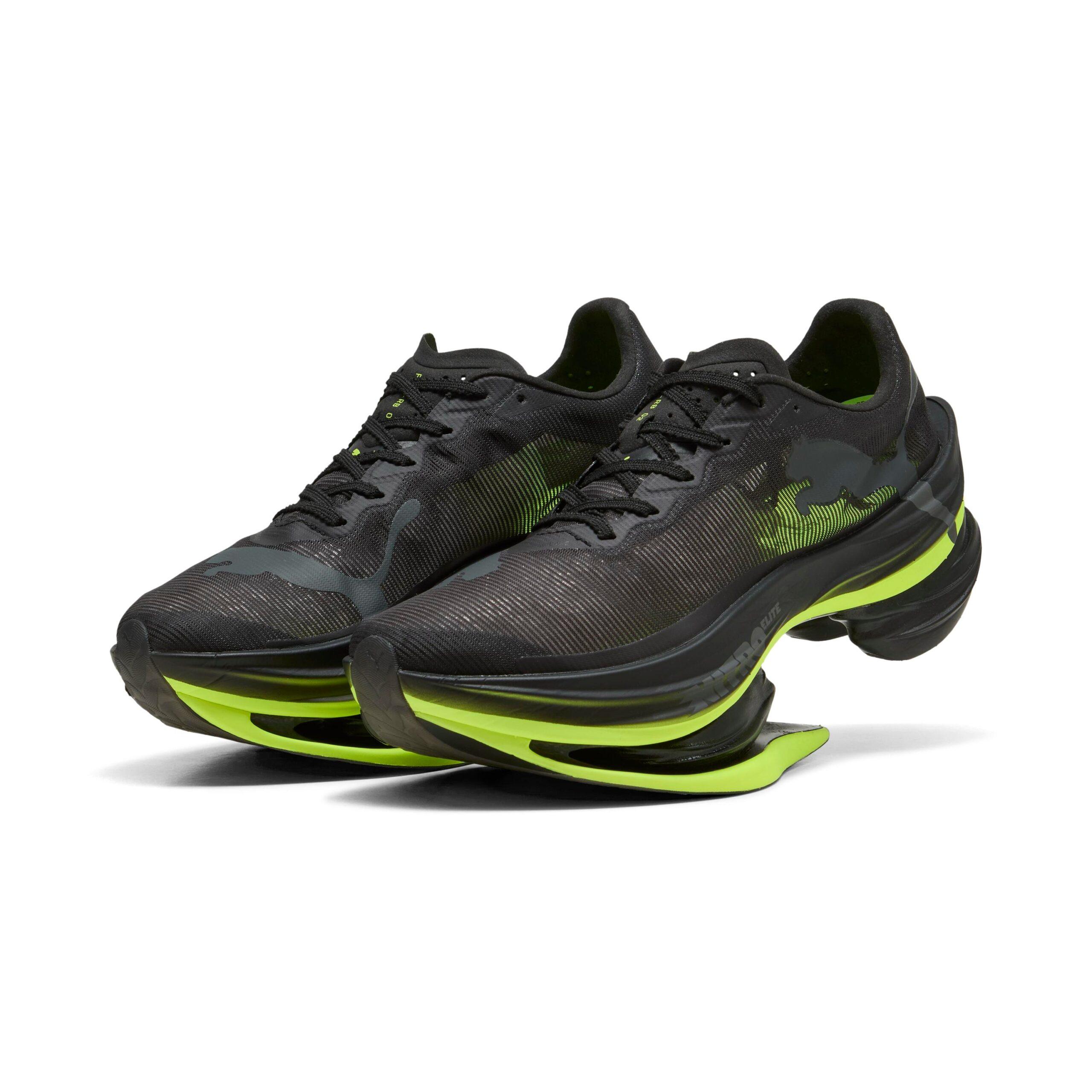
PUMA has just pulled the cover off the next big step in rule-breaking speed: the FAST-RB NITRO™ Elite 2.

This isn’t just another racing shoe. It’s a platform for exploring what’s possible when you stop playing it safe with conventional footwear design. Every element has been carefully engineered to maximise speed while still delivering that pure, authentic running feel we all chase.

The updated NITROFOAM™ ELITE cushioning packs in more energy return, while the refined geometry gives you a smoother, more responsive ride. The standout feature? Two fused carbon-fibre PWRPLATES that create a distinctive springboard architecture built for serious propulsion. Pair that with a reworked ULTRAWEAVE upper that’s lighter, more breathable and locks your foot in securely, plus the reliable PUMAGRIP outsole for multi-surface traction, and you’ve got a seriously impressive package.

Developed in PUMA’s NITRO™ Lab, the FAST-RB NITRO™ Elite 2 represents the next frontier of running. While it’s not race-legal, internal studies have shown levels of running economy that make this the most efficient shoe in PUMA’s entire road running line-up.

Romain Girard, VP of Innovation at PUMA, said: “With the FAST-RB 2, we set out to take rule-breaking to the next level. By simplifying the design and giving our NITROFOAM™ technology more room to perform, we’ve created a shoe that delivers the highest energy return we’ve ever recorded in our testing – all in an incredibly lightweight package. Two years of innovation, lab testing and collaboration with athletes have gone into refining the experience, bringing together groundbreaking performance and the pure joy of running.”

The FAST-RB NITRO™ Elite 2 launches on 28 October 2026, with limited pairs available worldwide on PUMA.com.

FAST-RB NITRO™ ELITE 2 TECH SPECS

  • Weight: 250g (UK 8) / 206g (UK 4.5)
  • Drop: 8mm
  • Product lifespan: 320km

Follow @pumarunning on Instagram for the latest PUMA running news.

Fynbos Money and SkyRun join forces to back the long game

Image Credit – Craig Kolesky/ Nikon

South African money platform becomes presenting sponsor of SkyRun as iconic mountain race celebrates 30 years of endurance

There are some things that cannot be rushed. Building financial security takes time. So does preparing to run 100 kilometres through some of South Africa’s most unforgiving mountain terrain. Both demand discipline, resilience and the willingness to keep going long after the initial excitement has worn off.

It is this shared belief in the value of the long game that has brought South African financial platform Fynbos Money and iconic mountain running event SkyRun together, with Fynbos Money becoming the presenting sponsor of SkyRun as the legendary race celebrates its 30th year.

For Fynbos Money, the partnership represents an opportunity to support a uniquely South African event whose philosophy aligns closely with its own approach to helping people build their financial futures. “SkyRun has been going for thirty years, which tells you something about what endurance really looks like. We are a South African company backing a South African race that celebrates the long game. It is the same mindset we believe in when it comes to growing your money,” says Adrian Hope-Bailie, co-founder and CEO of Fynbos Money.

Fynbos is an investment and savings platform built to make growing and managing money simpler for South Africans. Its focus on helping people build towards the future, rather than chasing short-term wins, is a philosophy that feels particularly at home at SkyRun.

SkyRun’s origins date back to New Year’s Eve in 1991, when adventurer John Michael Tawse completed a pioneering traverse of the Witteberg Mountains from Lady Grey to the Wartrail Country Club. The first official SkyRun followed in 1997, with just 15 runners taking on the challenge. Three decades later, SkyRun has become a fixture on the South African ultra-running calendar, attracting experienced mountain runners and first-time adventurers. Yet its essence remains unchanged: a demanding journey through spectacular and unpredictable mountain country, where runners must rely on preparation, judgement and determination.

The 100km SkyRun is renowned for testing far more than physical fitness. Its remote and challenging route requires runners to navigate and largely support themselves, while shorter distances offer others the opportunity to experience the same landscape and spirit of adventure.

For SkyRun race organiser Adrian Saffy, reaching the 30-year milestone is a celebration of the people and values that have sustained the event. “SkyRun has always been about the long game,” says Saffy. “It takes months of preparation to get to that start line, and then on race day it comes down to taking one step, one decision and one challenge at a time. That is what makes this partnership with Fynbos such a natural fit. We share a belief that meaningful things are built over time, through consistency, resilience and a willingness to keep going when the easy option would be to stop.”

For more information, please visit www.skyrun.co.za

Nedbank Gravel Burn and Open Cycles Brand Collab Announced – Limited Edition Open WIDE 2.0

Nedbank Gravel Burn has partnered with pioneering bike company Open Cycles to create a Limited Edition Nedbank Gravel Burn x Open WIDE 2.0 bike package. Born out of a longtime friendship between respective founders, this collaboration represents their intersecting philosophies – both pushing the frontiers of innovation, adventure and competition in the growing gravel category. 

Open Cycles supported the event during its initial development phase, providing a fleet of Open WIDE 1.0 bikes for route testing across the demanding Karoo terrain. Following the successful performance of the platform, the friendship and partnership has expanded into an official product co-development initiative.

Nedbank Gravel Burn founder, Kevin Vermaak said, “Andy and I have been friends for 14 years and Open supported us even before we’d actually launched the event. They helped us by providing 10 gravel bikes for our test riders to try out some proposed routes – our Trial Burn in 2014. They handled the rigours of the Karoo superbly. Recently, Open launched their new WIDE 2.0 and we agreed that a collab would be a great idea – a very special Limited Edition package.”

Open’s co-founder Andy Kessler said, “Two years ago Kevin told me about his idea of the race and he didn’t have to convince me of the idea for even a minute, and we became a ‘Founding Friend’ of the event. It all came together very last-minute, but I knew that if Kevin was building it, this would be an amazing adventure – and it is.”

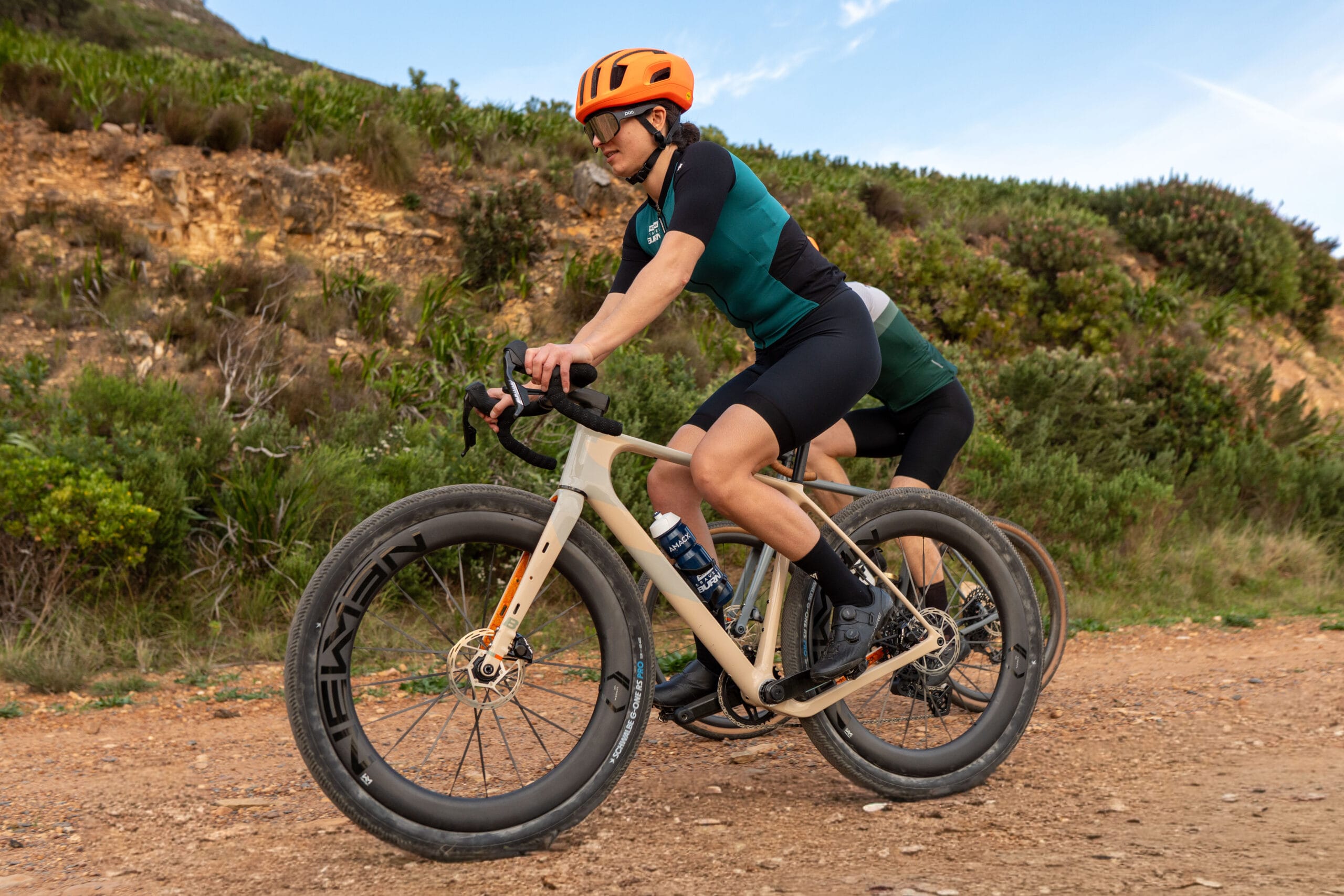
Like with all their gravel offerings, Open’s new WIDE 2.0 pushes industry boundaries, combining aerodynamic features with race-ready geometry plus the ability to fit up to 66mm (2.6-inch) tyres – ready to tackle the toughest races.

Even after only one edition, the seven-day, 750km gravel stage race, held in South Africa’s Karoo region, is known as a “frontier-gravel” racing adventure experience, characterised by wild terrain and unpredictable conditions, including rugged road surfaces. The new Open WIDE 2.0 delivers the ideal bike solution for these conditions. The design provides a ride quality that better “insulates” the rider from the rough surfaces over seven consecutive days of racing.

Kessler said, “The collab model had to be the new WIDE 2.0 – the perfect bike, with generous tyre clearance ensuring more comfort on the rugged Karoo roads, while still being a genuinely fast race bike.”

The limited-edition frame features custom artwork inspired by the textures and palette of the Karoo landscape and the bonfires lit in the remote Burn Camps where riders congregate and share the experience, celebrating the unique aesthetic and identity of the event.

Vermaak said, “This livery features hand-painted details showing the textures of the Karoo, the hues of the gravel we ride on and the luminescence of the fires we sit beside at night – all reflecting on this unique journey we embark on each year.”

The Nedbank Gravel Burn Limited Edition Open WIDE 2.0 is offered as a complete package, including a custom-designed Open WIDE 2.0 with component spec tailored to individual rider preferences, exclusive Open x Nedbank Gravel Burn cycling kit made by Assos and one Nedbank Gravel Burn race entry, redeemable within three years. Package pricing from $11900 (US) and €11500. 

For complete info on the Open WIDE 2.0 model and specification options, visit opencycle.com. For further details and to order, contact Open Cycles co-founder Andy Kessler directly at [email protected].

For information on Nedbank Gravel Burn including race entries, visit www.gravel-burn.com

About Nedbank Gravel Burn

Nedbank Gravel Burn is a seven day, 750km gravel stage race set entirely in South Africa’s Eastern Cape. Starting in the historic Robert Sobukwe Town / Graaff Reinet, the race journeys deep into remote semi-desert landscapes, with all riders staying together in the purpose-built Burn Camps. The route spans the Great Karoo, concludes in Big 5 territory at Shamwari Private Game Reserve. Designed as a true pro-am experience, Nedbank Gravel Burn brings elite and amateur riders together in a shared journey defined by scale, remoteness and connection.

For media enquiries, please contact: Sarah Harrop at [email protected]

About Open Cycles

OPEN Cycle is a next generation bicycle brand founded by two bicycle industry pioneers and are guided by the philosophy of “working hard to stay small”. By stripping away corporate overheads and marketing noise, OPEN channels all its resources into pure product development and customer support – designing the bikes the team wants to ride and delivering them directly to riders and via independent bike shops. Learn more at www.opencycle.com